Built to Deliver: 5 Thai Startups Scaling
New Heights in Malaysia
Malaysia may not be the largest market in ASEAN, but it is quickly emerging as one of the region’s most compelling destinations for Thai startups seeking to expand beyond their home market. This is particularly true for businesses working in Deep Tech, AI, Energy, Climate Tech, HealthTech, and ESG—fields with the potential to address the needs of major industries and enterprises directly.
According to the Global Startup Ecosystem Index 2026 by StartupBlink, Malaysia ranks 41st globally for its startup ecosystem, climbing three places from the previous year. It remains the second-ranked ecosystem in Southeast Asia. Kuala Lumpur ranks 71st globally and third in the region, while George Town, Penang, ranks 361st worldwide.
Meanwhile, the Global Innovation Index 2025 by the World Intellectual Property Organization (WIPO) places Malaysia 34th out of 139 economies worldwide, and second among upper-middle-income economies. These rankings reflect the country’s strength not only as a market, but also as a base for technology development and the commercial application of knowledge and innovation.
For Thai startups, these figures suggest that Malaysia is more than simply a “new market.” It is a strategic environment in which to validate technology, build partnerships, access large enterprises, and expand into other ASEAN markets.
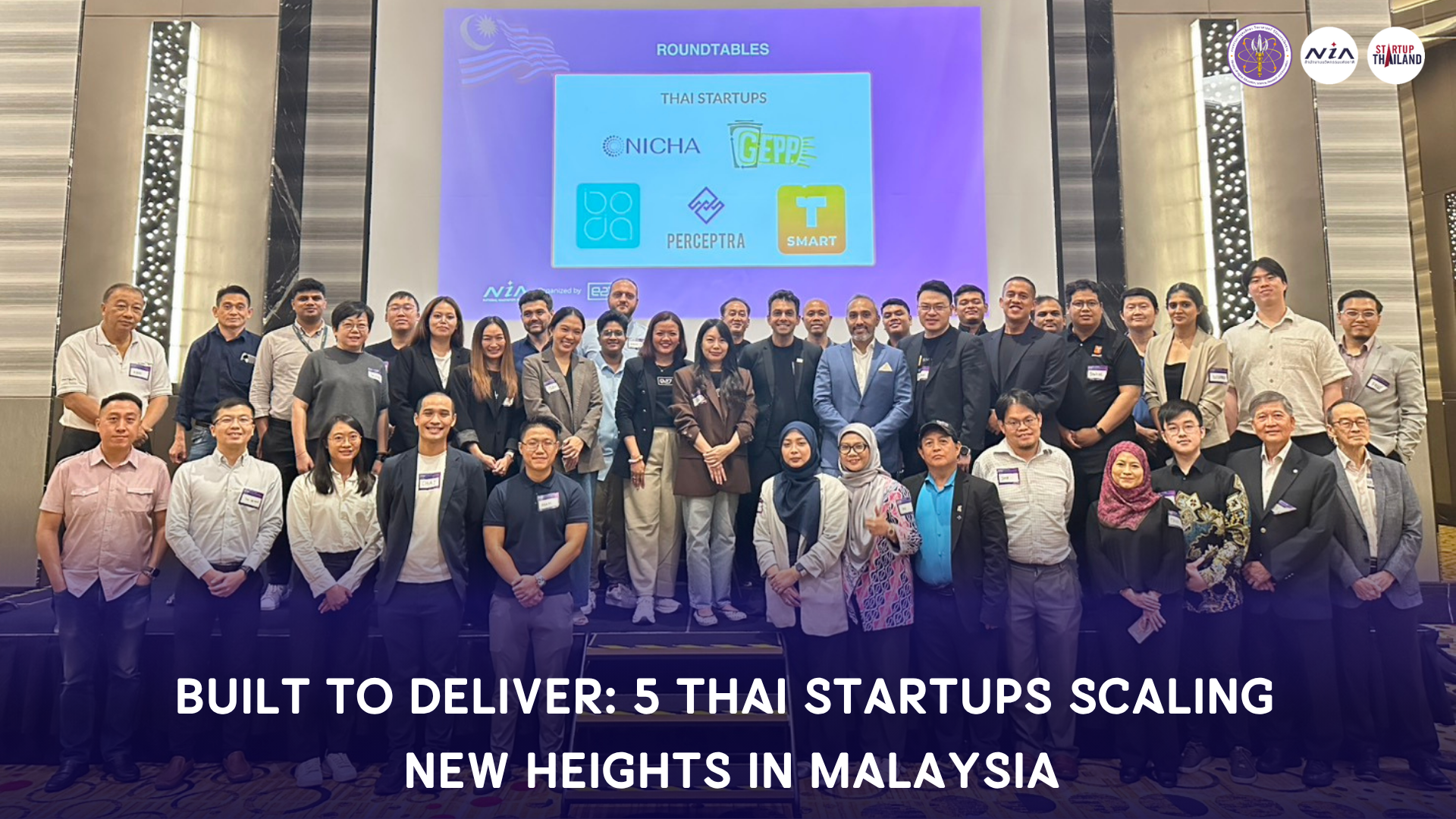
This is the context behind the journey undertaken through the Scale Up to Global 2026: Gateway to ASEAN programme, led by the National Innovation Agency (Public Organization), or NIA. The programme brings five high-potential Thai startups into the Malaysian market to connect with enterprises, investors, and business partners, while exploring opportunities to deploy and test their technologies in real-world settings.
A Market Looking for More Than Technology
The challenge of expanding into Malaysia is not simply demonstrating how advanced a startup’s technology may be. The greater task is to show customers and partners what problem the technology solves and how it can deliver tangible business results.
In the B2B market, decisions to adopt new technology often involve multiple stakeholders—from senior management and operations to IT, procurement, finance, and sustainability teams. A product demonstration alone may therefore not be enough. Enterprises want evidence that a solution can be integrated with existing systems, operates at an appropriate cost, and produces measurable outcomes.
This is why a pilot project has become one of the most important tools for startups entering a new market. It allows an organization to test a technology within a controlled scope before committing to broader commercial deployment.
For Thai startups, entering Malaysia should therefore involve more than preparing a product pitch. They must also prepare a pilot proposal that clearly answers several fundamental questions: What is the problem? What resources are required? How long will the pilot take? What results are expected? And if the pilot succeeds, how can it be scaled?
Five Thai Startups, Five Opportunities Shaped by Real Business Needs
The Malaysian market entry of these five Thai startups demonstrates that opportunities in Deep Tech are not limited to any single industry. They can address some of the most pressing challenges facing organizations today—from decarbonization and healthcare to energy management, ESG, and building efficiency.

Nicha Carbon Capture: Decarbonization in Practice
Industries are under growing pressure to reduce greenhouse-gas emissions. Yet decarbonizing heavy industry remains challenging, constrained by cost, technology, and the realities of existing production processes.
Nicha Carbon Capture brings carbon-capture technology to this challenge. Its greatest opportunity lies not only in presenting the technology, but also in identifying suitable environments in which it can be tested and its ability to deliver measurable emissions reductions can be demonstrated.
Perceptra: Using AI to Strengthen Healthcare
Healthcare systems are facing rising patient numbers, growing demand for screening, and limitations in medical personnel. Perceptra applies AI to screening and preventive health-risk assessment, helping improve operational efficiency and extend the capacity of healthcare systems.
The key to entering the market is building confidence—confidence in the solution’s accuracy, safety, compatibility with existing systems, and compliance with healthcare-sector requirements.
Energy Response: Smarter Operations
For organizations operating large buildings or industrial facilities, energy consumption and engineering-system management are significant costs that can directly affect operational performance.
Energy Response uses AI and automation to monitor, analyze, and manage energy systems. Its goal is to help organizations move beyond a reactive approach towards more predictive, responsive, and efficient operations.

GEPP Sa-Ard: Turning ESG Data into Business Value
As organizations collect ESG and sustainability data from multiple departments and locations, the challenge is no longer simply to complete the required reports. The data must also be accurate, verifiable, and useful for decision-making.
GEPP Sa-Ard addresses this need with a platform for ESG and circular-economy data management. The platform connects information on waste management and recycling with broader business processes, helping organizations turn sustainability data into a source of operational insight and value.

TIE Smart Solutions: Energy Efficiency at Scale
Buildings and factories are critical areas for reducing energy consumption, particularly through improvements to HVAC systems, which often account for a substantial share of total energy use.
TIE Smart Solutions applies AI to improve HVAC performance, helping reduce energy consumption and enhance building management. Its central challenge is to demonstrate energy savings that can be measured, verified, and translated into clear business value.
Together, these five companies share one important shift: moving from “technology-led” to “problem-led” thinking. Instead of beginning with the technology they have developed, they begin with the customer’s challenge and design a form of collaboration that can be implemented in practice.
From Startup Ecosystem to Business Opportunity
One of the most important lessons for Thai startups entering Malaysia is that the country should not be viewed as a single, uniform market.
StartupBlink’s 2026 data shows that Malaysia’s startup ecosystem has grown by 18.9%, with Kuala Lumpur remaining the country’s primary hub. Other cities, however, offer distinct strengths and opportunities.
For startups working in AI, enterprise technology, and corporate solutions, Kuala Lumpur may be the most suitable starting point for accessing large enterprises, investors, and business networks.
Penang, meanwhile, is particularly attractive for businesses connected to manufacturing, electronics, and industrial technology, supported by its strong industrial base. Johor offers opportunities in logistics, supply chains, and cross-border solutions, strengthened by its close connection to Singapore.
Selecting the right market-entry point is therefore just as important as selecting the country itself. A strong local partner with a deep understanding of the industry, customers, and decision-making processes can significantly reduce the time, cost, and risk of entering the market.

Built to Deliver: Turning Business Matching into Business Problem-Solving
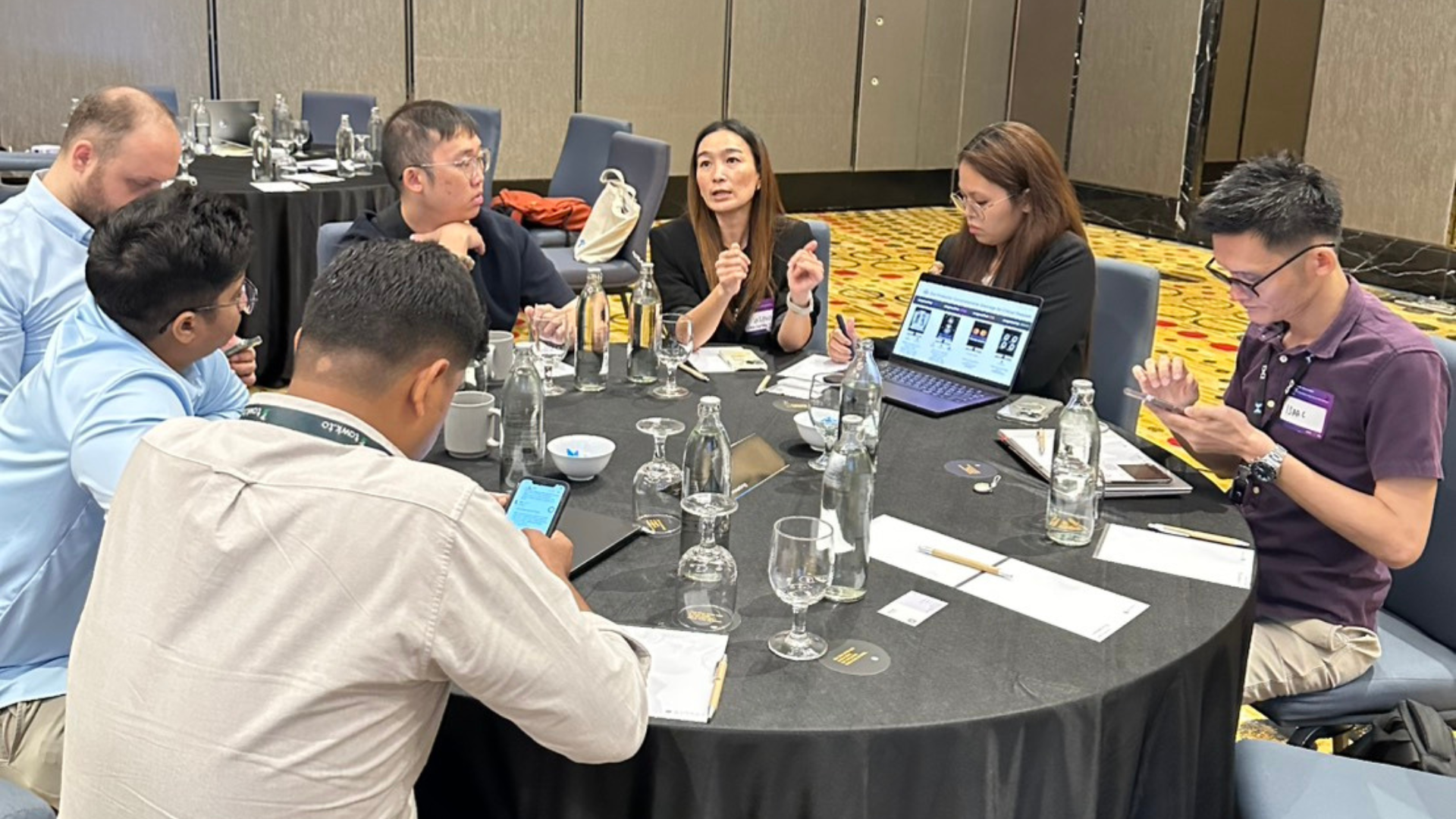
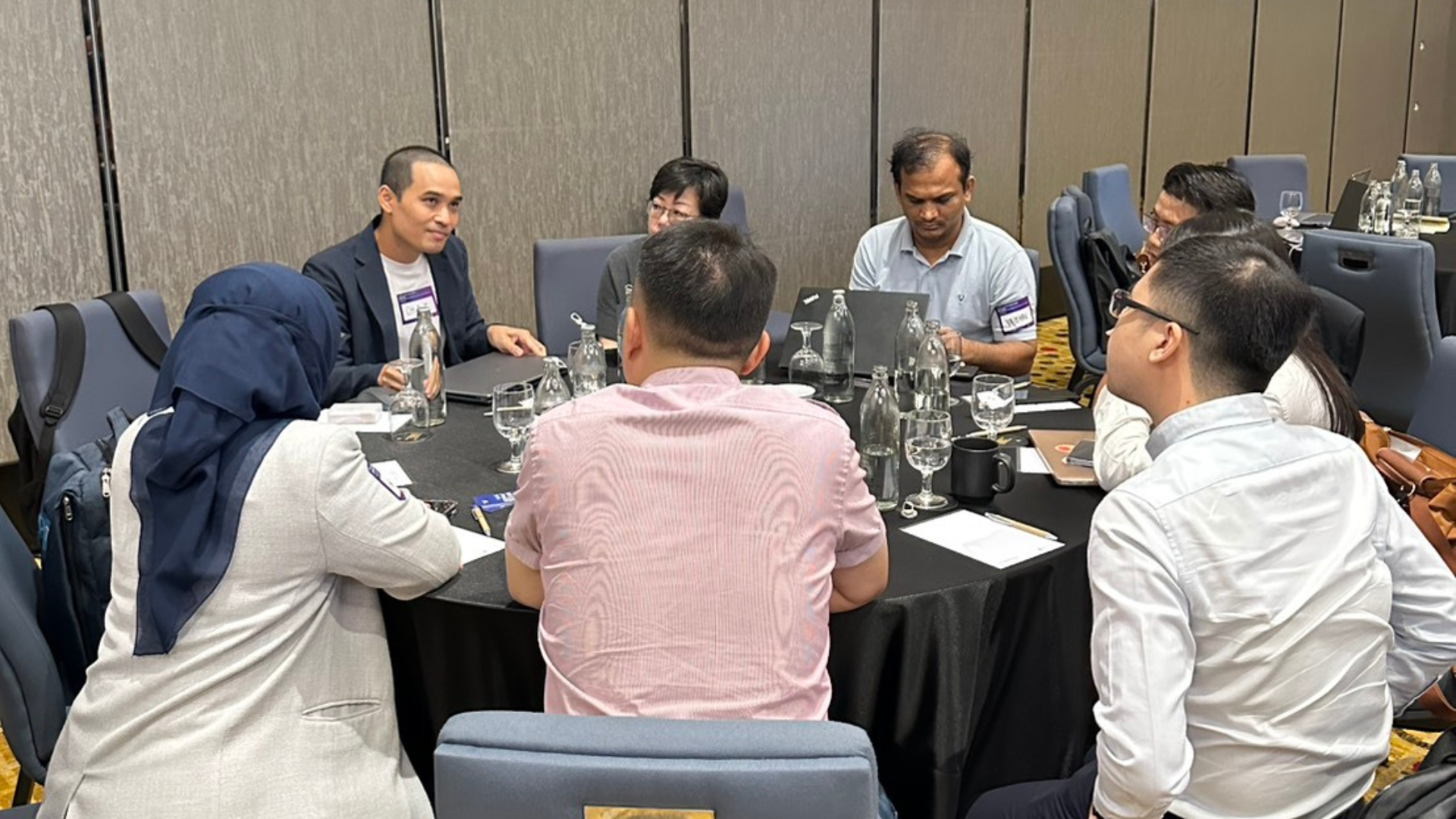
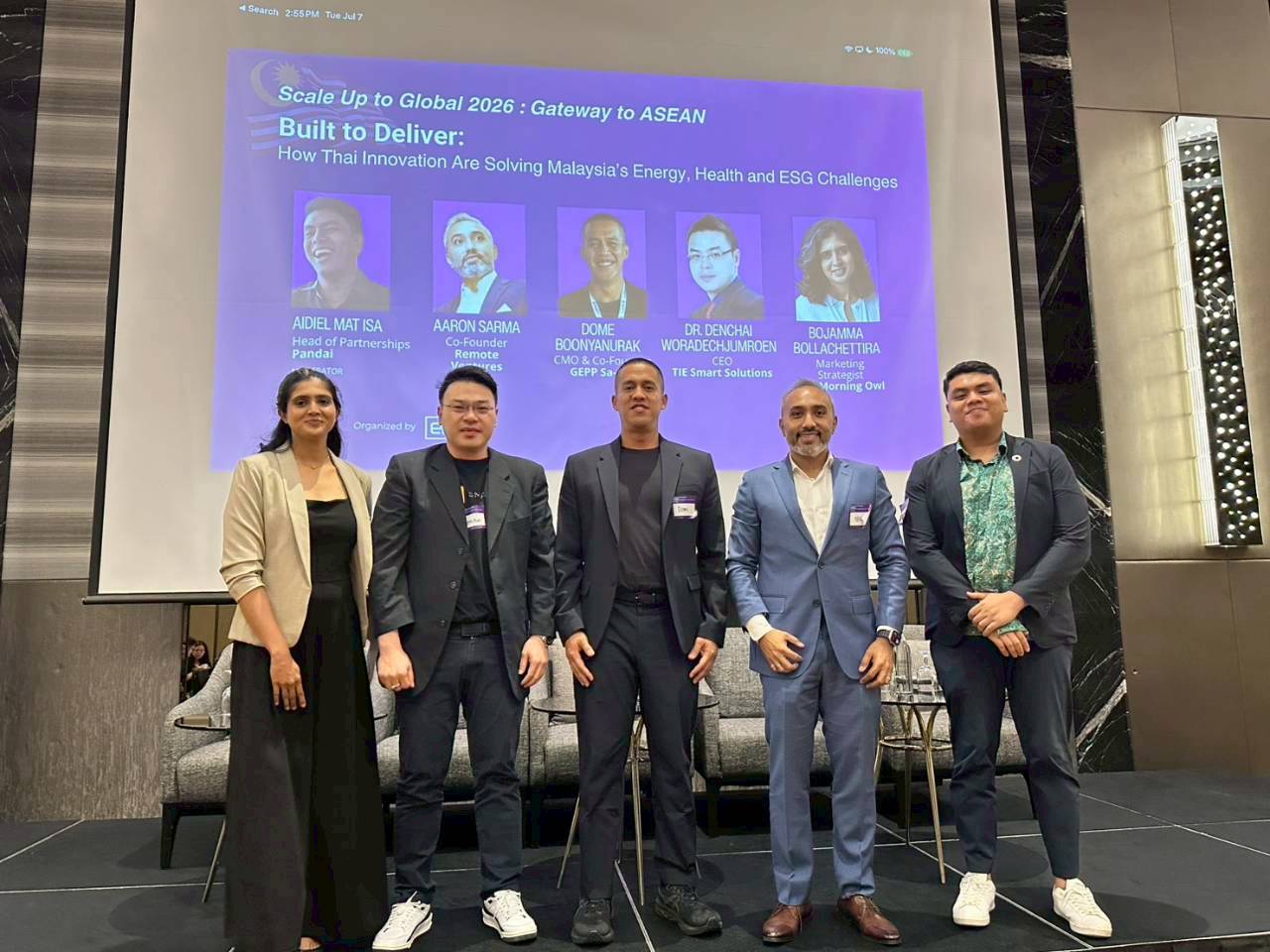
The concept of “Built to Deliver” served as the central theme of the roundtable session, “How Thai Innovation Is Solving Malaysia’s Energy, Health, and ESG Challenges.”
The discussion was not designed as a stage for startups to simply promote their products. Instead, it followed a practical progression:
Problem → Current Solution → Opportunity → Pilot → Long-Term Solution
For Nicha Carbon Capture, the key questions were: What obstacles are organizations facing in their decarbonization efforts? And what would give them the confidence to test a new technology?
For Perceptra, the discussion focused on the limitations of existing healthcare systems and what organizations need to see before adopting AI-assisted screening and diagnostic solutions.

For Energy Response and TIE Smart Solutions, the conversation centered on where energy inefficiencies occur and how organizations can measure the savings generated by new technologies.
Meanwhile, GEPP Sa-Ard invited organizations to consider whether ESG data, traditionally collected for compliance purposes, could become a tool for reducing costs, improving efficiency, and supporting better business decisions.
This approach transforms business matching from simply “getting to know one another” into “identifying problems that can be solved together.”
From Pilot to Commercialization
One of the most important lessons from entering the Malaysian market is that a pilot should not be viewed as the finish line. It should be the beginning of a commercial relationship.
A well-designed pilot should address, from the outset, what happens if the project succeeds. The next step could involve expanding the deployment area, increasing the number of users, signing a commercial agreement, or developing a long-term joint initiative.
The pathway to business expansion should therefore be:
Connection → Conversation → Pilot → Commercialization → Regional Expansion
A market-entry mission should not be measured solely by the number of meetings held. More meaningful questions are whether those meetings can lead to a pilot, partnership, investment, or commercial deal.
Malaysia: More Than a Destination Market—A Testbed for Scale
The journey of Nicha Carbon Capture, Perceptra, Energy Response, GEPP Sa-Ard, and TIE Smart Solutions demonstrates that the opportunity for Thai innovation in ASEAN lies not simply in taking products abroad, but in connecting technology with the real challenges faced by businesses.
From decarbonization and healthcare efficiency to energy management, ESG data, and building energy efficiency, all five solutions share a common challenge: proving that technology can generate measurable business results.
Once those results have been demonstrated, a single pilot can become a commercial deal with one customer, then evolve into a broader partnership and eventually open the door to other markets across the region.
For Thai startups, Malaysia may therefore be more than a market in which to begin selling products. It can be a proving ground—a place to demonstrate that Thai technology is truly “Built to Deliver” in the ASEAN market.
The National Innovation Agency (Public Organization), or NIA, continues to support the growth potential of Thai startups through the Scale Up to Global 2026: Gateway to ASEAN programme. By connecting Thai entrepreneurs with business opportunities, investor networks, and regional partners, the programme aims to transform the potential of Thai innovation into businesses capable of achieving sustainable growth in global markets.