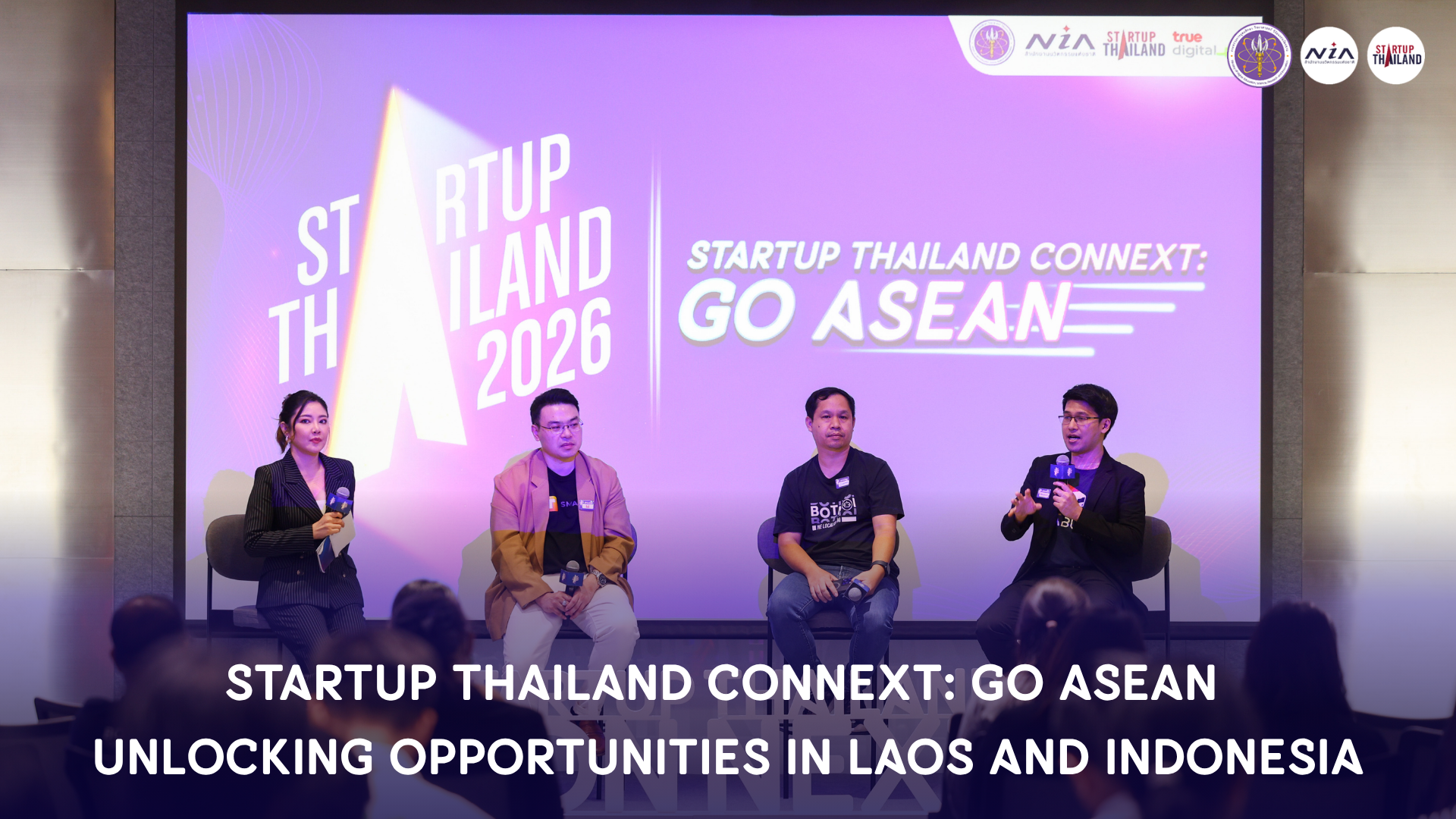
Startup Thailand Connext:
GO ASEAN Unlocking Opportunities
in Laos and Indonesia
Expanding from Thailand into ASEAN may appear to be a relatively short leap. The region is geographically close, culturally familiar, and economically interconnected. Yet in practice, every market operates within its own economic structure, consumer behavior, business culture, and regulatory environment.
A business model that succeeds in Thailand cannot simply be transplanted into another country and expected to deliver the same results. Sustainable regional growth requires something more fundamental: the ability to understand local realities, identify the right partners, and adapt a solution to the problems that matter in each market.
This was one of the key messages emerging from Startup Thailand Connext: GO ASEAN, part of the Global Startup Hub 2026 program. The session brought together market experts and Thai startups with first-hand experience of international expansion, offering practical perspectives on both the opportunities and challenges of entering ASEAN.
Two markets illustrate just how different regional expansion strategies can be: Lao PDR and Indonesia.
Laos offers proximity, connectivity, and a growing role within regional supply chains. Indonesia, meanwhile, presents a vast and rapidly transforming economy shaped by digitalization, energy transition, sustainability, and healthcare innovation.
Their differences highlight an important principle for startups looking beyond Thailand: market selection should not be driven by size alone. The better question is what problem exists in that market, and whether your business is equipped to solve it.
Laos: A Nearby Market with Value Beyond Population Size
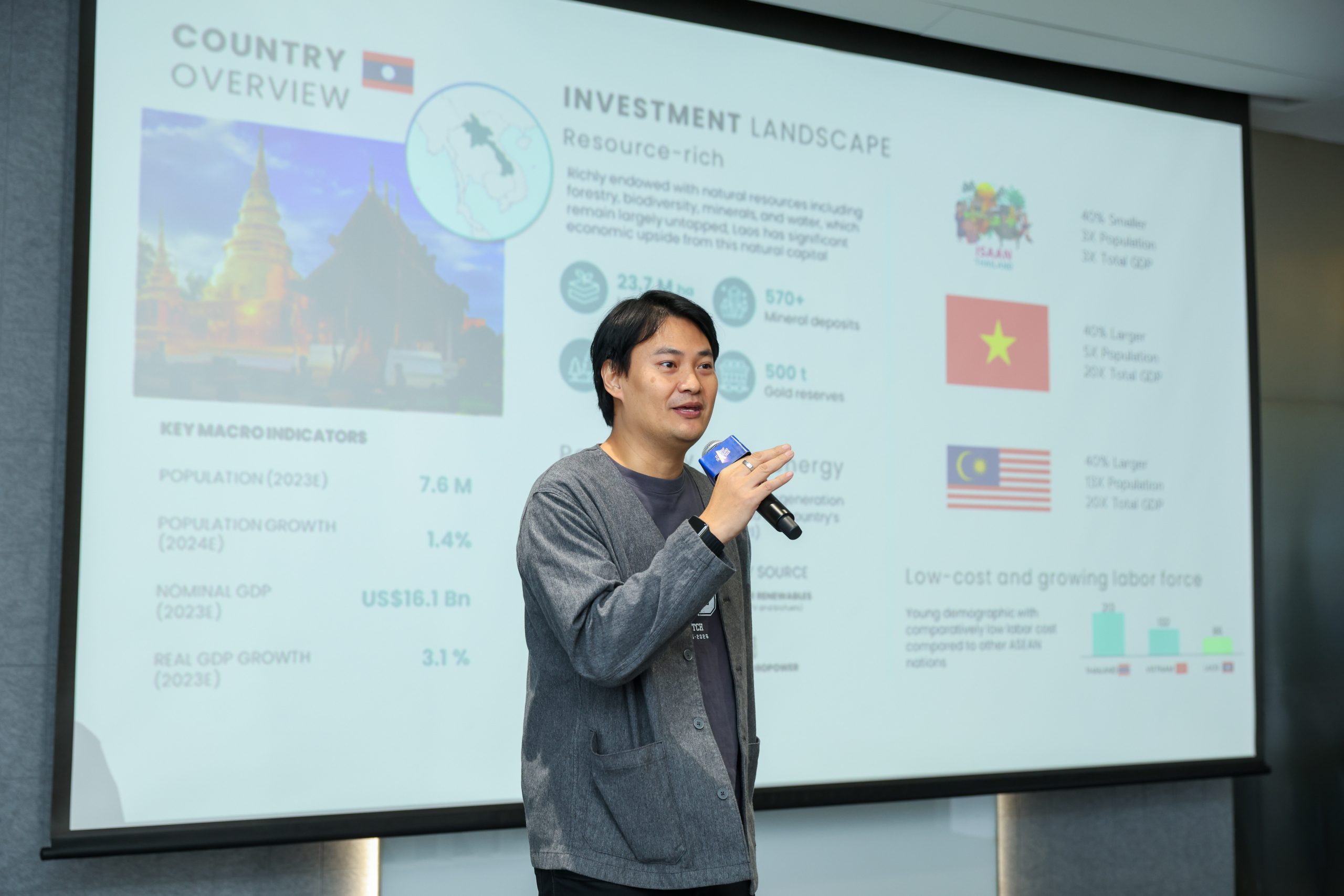
In the session “Unlocking Laos: Your Market Entry Guide,” Rungsun Promprasith, CEO of Startbox – Laos, shared insights into the opportunities and practical considerations for entering the Lao market.
With a population of approximately seven million, Laos may initially appear modest in scale. Yet evaluating the country solely by the size of its domestic consumer market risks overlooking one of its most important strategic advantages: geography.
Once commonly described as a landlocked country, Laos is increasingly positioning itself as a land-linked hub, connecting Thailand, China, Vietnam, and other regional markets.
Major infrastructure projects, including the China–Laos Railway and the Thanaleng Dry Port, are strengthening the country’s logistics capacity and expanding its role in cross-border trade.
For Thai businesses, this shift creates opportunities that go well beyond selling products to Lao consumers. Potential areas include manufacturing, food processing, logistics, data management, and technologies that improve the efficiency and transparency of cross-border supply chains.
For startups in particular, Laos can serve several roles at once: a test market, a place to develop local partnerships, and a strategic gateway to neighboring economies.
Its cultural and commercial proximity to Thailand may also make it a useful environment for testing technologies or business models before expanding further into the region.
That proximity, however, should not be mistaken for simplicity.
Administrative processes, financial systems, regulations, and business practices can differ significantly from those in Thailand. For foreign entrepreneurs, a capable local partner can therefore be critical—helping navigate procedures, provide market intelligence, open doors to business networks, and establish connections with relevant public and private-sector stakeholders.
Laos may not stand out because of its market “size,” but it can play an important role because of its position—both geographically and strategically.
Indonesia: One Large Market Made Up of Many Different Markets
If Laos is best viewed through the lenses of supply chains and connectivity, Indonesia requires a different perspective: scale, diversity, and economic transformation.
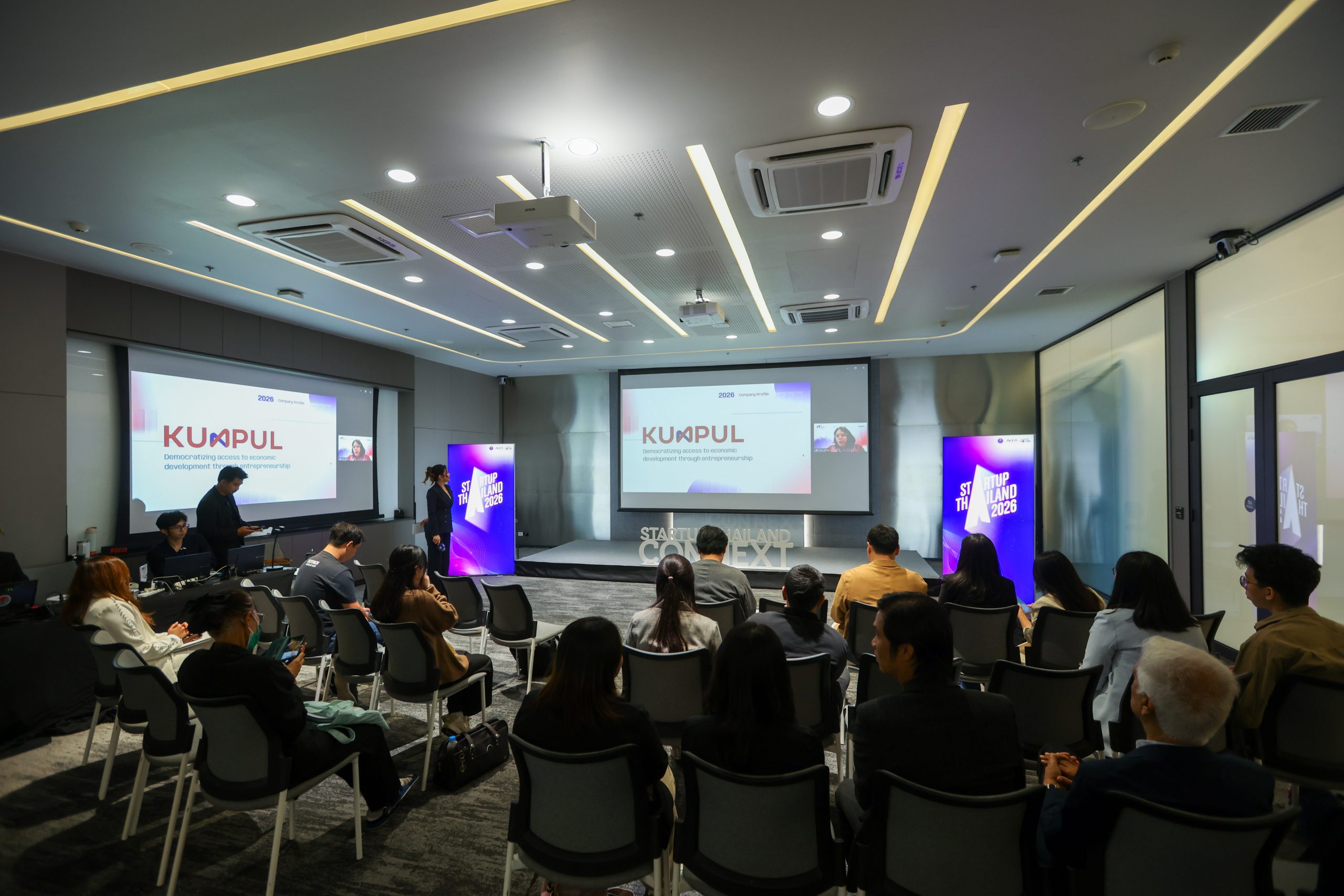
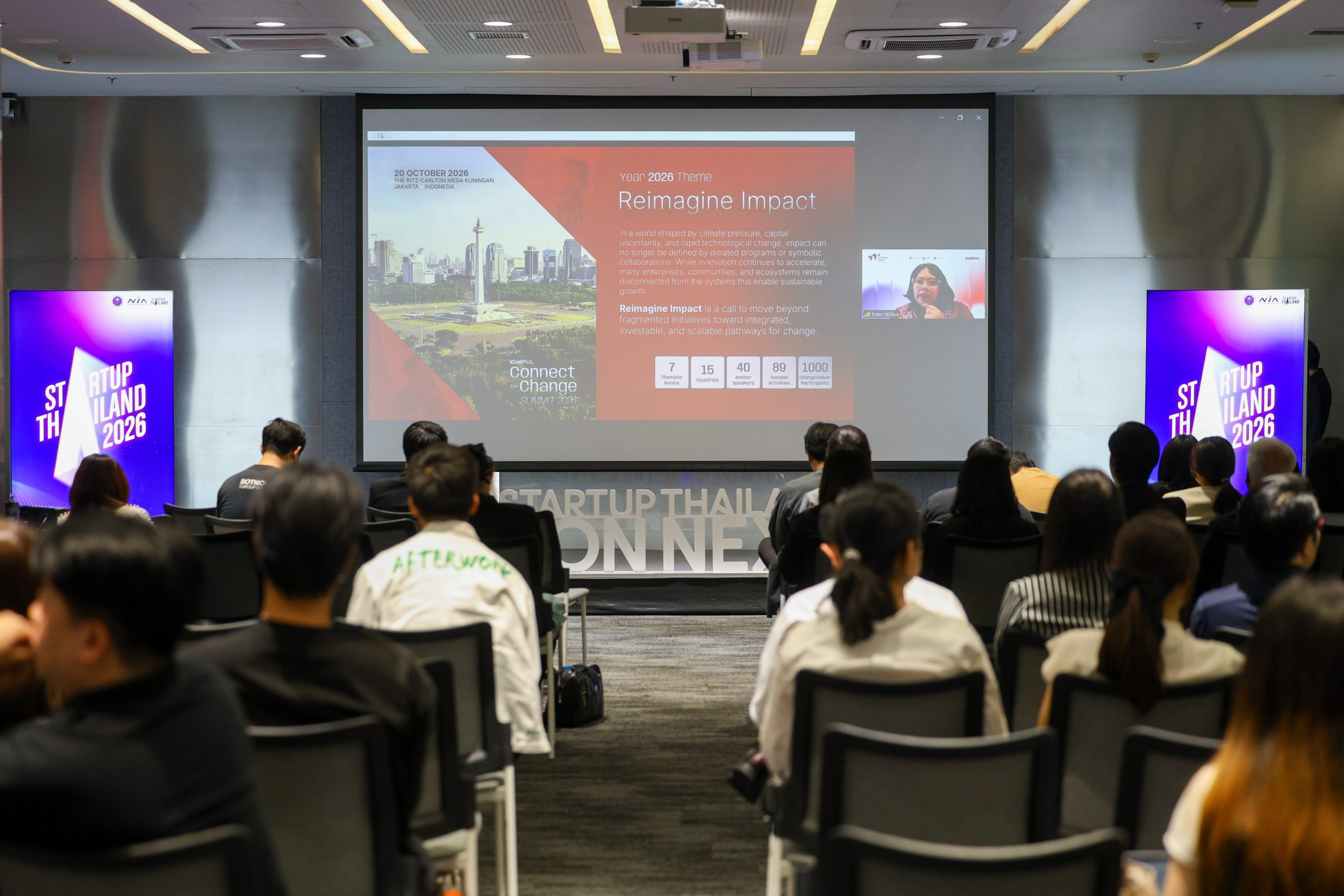
During the session “Gateway to Indonesia: Support and Services for Thai Startups,” Ester Widya, VP Business & Marketing at KUMPUL, Indonesia, introduced the dynamics of the Indonesian market and the support mechanisms available to Thai startups seeking to enter its business ecosystem.
Entering Indonesia was likened to stepping into a vast amusement park: there is something for every kind of player, from thrill seekers willing to take bold risks to businesses looking for a more measured entry point.
At the same time, the market can also resemble a vast forest—one where companies may discover a gold mine of opportunities or encounter obstacles they did not expect. Success often depends on having the right guide and, just as importantly, knowing who to connect with once inside the market.
Indonesia is Southeast Asia’s most populous country, with more than 280 million people. It also has more than 221 million internet users, representing close to 80% of the population.
The combination of population scale and growing digital adoption makes Indonesia one of the region’s most promising markets for technology and digital businesses.
Yet 280 million consumers do not constitute one uniform market.
Indonesia comprises more than 17,000 islands, over 700 ethnic groups, and a large number of local languages. Although Bahasa Indonesia serves as the national language, significant differences remain across regions in consumer preferences, commercial practices, local networks, and economic conditions.
For startups, the key question is therefore not simply:
“What can we sell to 280 million people?”
A more useful set of questions is:
“Where should we begin? Which customers should we focus on? And which problem should we solve first?”
This is where hyper-localization becomes essential.
Rather than attempting to cover the entire country from day one, startups should identify the city, customer segment, or industry where their solution has the strongest chance of gaining traction—and expand from there.
Three Emerging Economies Creating New Opportunities
Indonesia’s attraction goes beyond population growth. The country is undergoing several major economic transitions that are opening new spaces for innovation.
The Digital Economy
The first is the continuing expansion of Indonesia’s digital economy, spanning e-commerce, new retail, direct-to-consumer businesses, digital government, smart cities, and EdTech.
As more Indonesians participate in digital services, new demand is emerging from consumers, businesses, and public-sector organizations alike.
For technology startups, this creates opportunities not only in consumer platforms but also in enterprise solutions, infrastructure, data, payments, public services, and digital transformation.
The Green Economy
The second major opportunity lies in the green economy.
Indonesia holds strategically important natural resources, including nickel and palm oil, while simultaneously pursuing a broader energy transition.
This is generating demand for renewable energy, energy-transition technologies, sustainable agriculture, green supply chains, and environmental management solutions.
For Thai startups, areas such as ClimateTech, EnergyTech, Agritech, FoodTech, and carbon management may offer particularly strong opportunities—especially where technologies can demonstrably reduce costs, improve productivity, or mitigate environmental impacts.
The Wellness Economy
The third growth area is the wellness economy, encompassing HealthTech, telemedicine, digital health, wellness tourism, beauty, healthcare services, and wellbeing products.
Tourism destinations such as Bali have also developed strong wellness ecosystems, creating additional space for products, services, and technologies at the intersection of tourism, healthcare, and lifestyle.
As these three economic shifts converge, new hybrid opportunities are emerging: AI-enabled healthcare management, IoT-based energy optimization, and data-driven green logistics are just a few examples.
For Thai startups, the opportunity is therefore not simply to export “Thai products” to Indonesia. It is to bring technology, expertise, and innovation into the country’s evolving economy and solve problems that matter locally.
Opportunities Remain, Even as Investors Become More Selective
Indonesia’s startup market continues to hold considerable potential, but the investment climate has become more cautious.
Data presented during the session indicated that startup funding had declined by approximately 49%, falling to around US$355.7 million compared with an earlier period.
Yet investment has not disappeared. Capital continues to flow toward business models that are closely tied to real economic activity and consumer demand, including Fintech, New Retail & D2C, and E-Commerce.
The shift offers an important lesson.
A decline in funding does not necessarily mean a decline in market opportunity. Instead, the basis of competition is changing.
Startups are increasingly expected to demonstrate that their technology can generate revenue, reduce costs, improve efficiency, or solve a measurable customer problem—not simply acquire users or grow through capital.
For Thai startups, Indonesia should therefore not be viewed only as a market for fundraising. It can also be a market for building customers, corporate partnerships, and proof-of-concept projects that establish the foundation for long-term expansion.
Choosing the Right “First Market” Within Indonesia
One of the most common mistakes when entering Indonesia is to treat the entire country as a single market.
In reality, economic structures and business environments vary considerably from one region to another.
Indonesia has a decentralized administrative system spanning 38 provinces, which means that regulatory details, requirements, procedures, and incentives can vary by location.
At the national level, business establishment and investment are connected to systems overseen by BKPM and the Online Single Submission (OSS) platform, which consolidates a range of licensing and administrative processes.
For startups, location should be selected according to the business model.
Jakarta and Bali, for example, may be attractive starting points for digital and technology companies seeking networks, customers, and market-testing opportunities.
Manufacturing-oriented businesses, by contrast, may need to consider regions with stronger industrial bases, access to resources, or specific supply-chain advantages, including parts of Sumatra and Borneo.
The important point is that startups do not need to scale across the entire country immediately.
They need to identify the first market where they are most likely to achieve product-market fit, build the right partnerships, and generate evidence that the model works.
Expansion can follow once that foundation is in place.
In Indonesia, Relationships Are Part of the Business Infrastructure
A strong technology solution may be enough to secure an initial meeting. It is rarely enough to close a deal on its own.
One of the defining characteristics of doing business in Indonesia is its relationship-driven and partnership-based culture.
Trust, credibility, and long-term relationships often carry as much weight as the commercial proposition itself.
This means effective business matching should go beyond introductions or business-card exchanges. The real value lies in understanding a partner’s pain points, identifying areas for collaboration, running pilots, and developing proof-of-concept projects.
For foreign startups without an established local team, a reliable local partner can therefore be one of the most important assets.
Local partners can help connect startups with corporate customers, government agencies, investors, and industry networks that may otherwise be difficult to access.
In a market as large and diverse as Indonesia, relationships are not merely helpful—they are part of the infrastructure required to do business.
KUMPUL: From Ecosystem Network to a Gateway into Indonesia
Within this environment, KUMPUL has developed a significant role as one of Indonesia’s ecosystem enablers.
The organization began as a coworking space in Bali in 2015 before expanding its network across the country.
Today, KUMPUL works with more than 130 local hubs and ecosystem partners, as well as over 300 industry partners. Its experience spans support for startups and MSMEs, business matching, and programs designed to help international entrepreneurs connect with the Indonesian market.
For Thai startups, the value of such a network lies not simply in providing “market information.”
Its greater value is in reducing the distance between market knowledge and actual market access.
Indonesia also has a broad base of large corporate players across multiple industries, including banks and financial institutions such as Mandiri, BNI, and BRI, as well as technology and telecommunications companies including Lintasarta and Indosat Ooredoo Hutchison.
Beyond these sectors are major businesses in real estate, insurance, consumer goods, and other industries.
The opportunity for Thai startups therefore extends well beyond Indonesia’s 280-million-plus consumers.
There is also significant potential in B2B, corporate innovation, and industrial solutions, where demand for new technologies continues to grow.
Three Thai Startups, Three Lessons from Real Market Entry
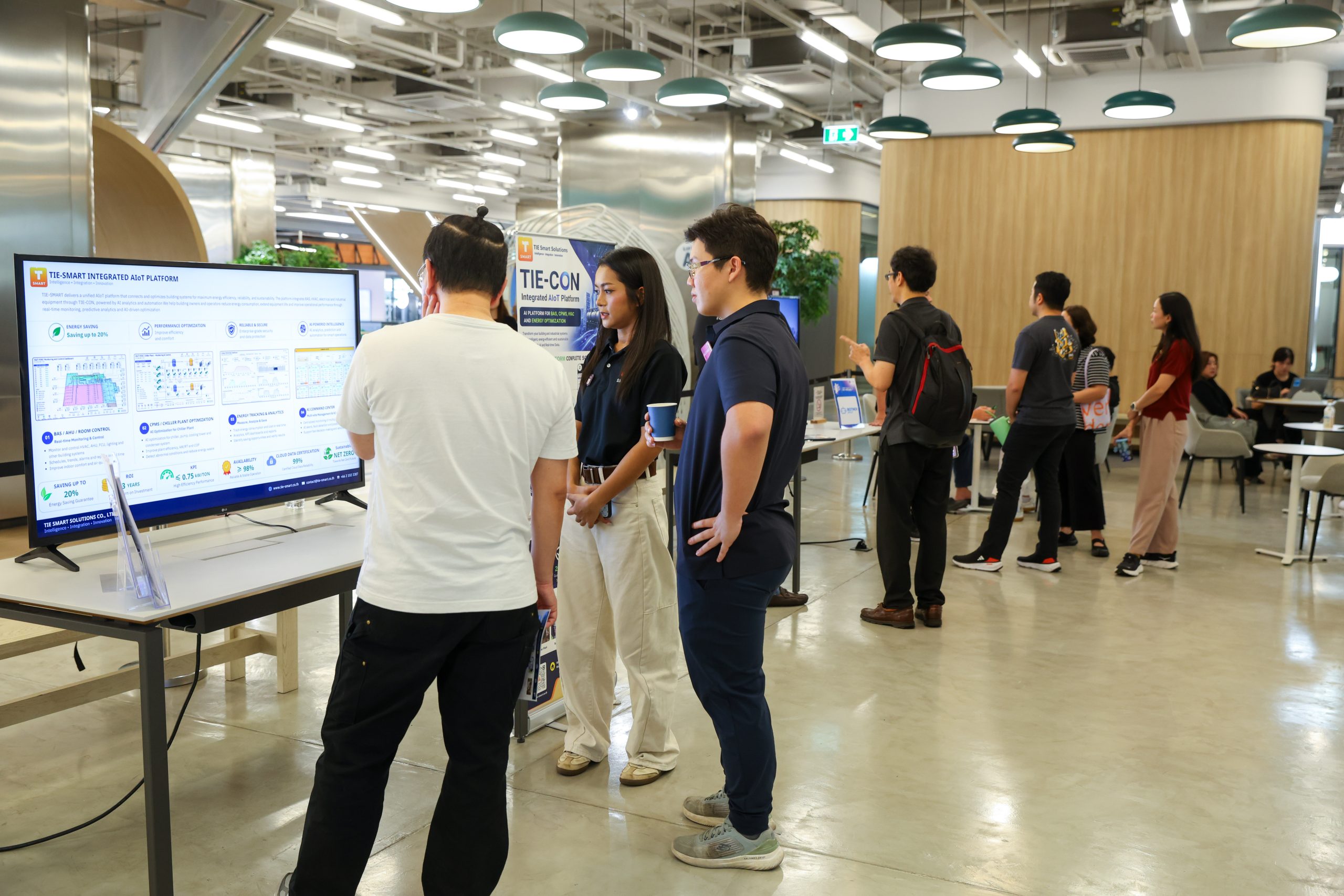
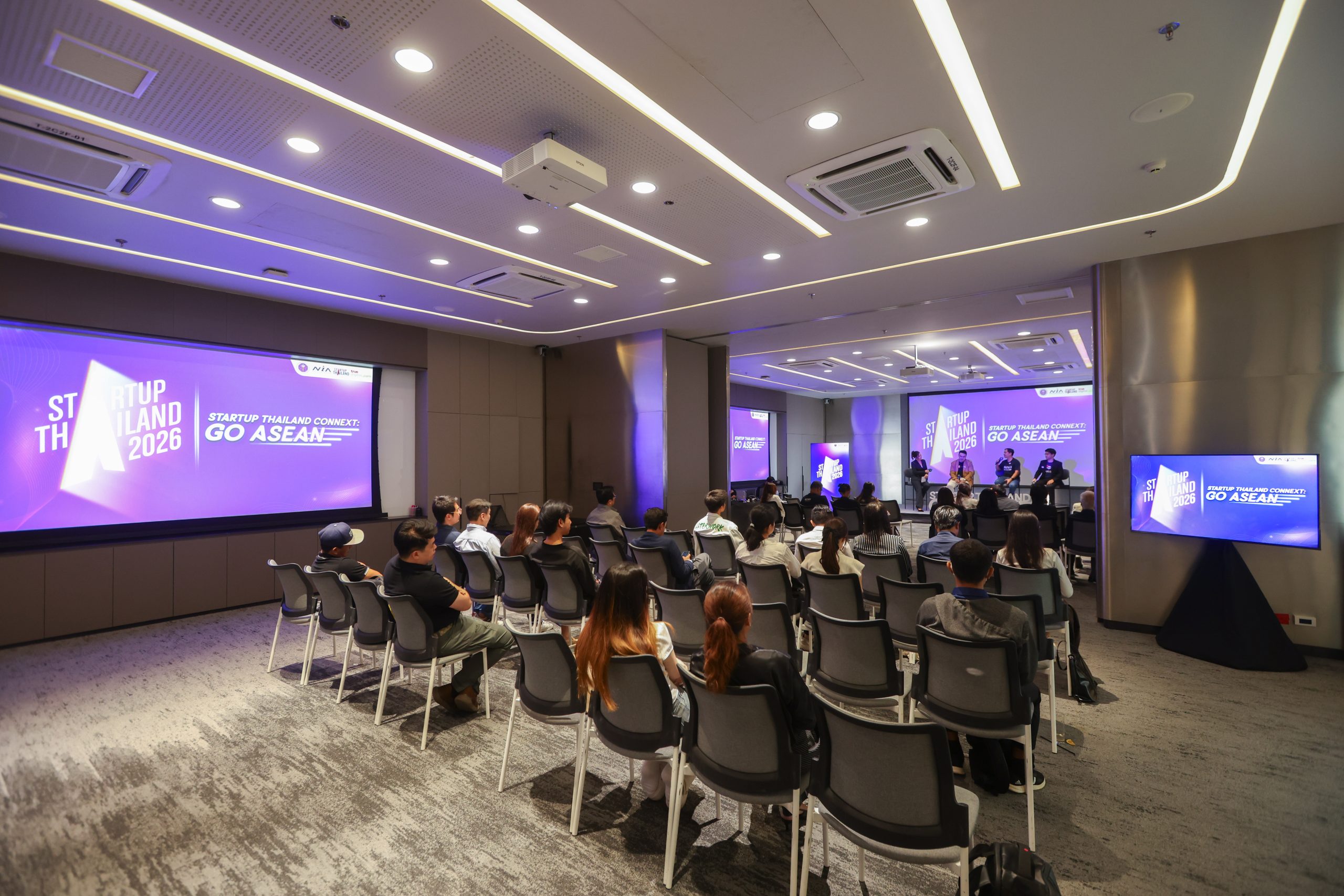
Beyond market intelligence, Startup Thailand Connext: GO ASEAN also featured experiences from three Thai startups that have already ventured into international markets: TIE Smart Solutions, BOTNOI Group, and ViaBus.
Their stories offer practical lessons on what it really takes to expand beyond Thailand.
TIE Smart Solutions: Build Trust with Evidence
For TIE Smart Solutions, data became a tool for establishing credibility.
The company began by measuring and evaluating the energy-saving performance of its solutions for customers. This created a body of evidence that could demonstrate actual results before the company entered discussions with overseas partners.
Another important lesson was the decision to collaborate with local players rather than compete against them directly.
By transferring knowledge and working with local partners, the company could expand without having to deploy a full Thai team to manage every stage of operations.
The lesson is straightforward: evidence builds credibility, while partnerships make expansion scalable.
BOTNOI Group: Treat Market Entry Like Climbing a Mountain
BOTNOI Group compared international expansion to climbing a mountain.
Before reaching the summit, a company first needs to understand the route.
That means entering the market, observing local conditions, returning to refine the product, and finding the right people to make the journey with.
One particularly practical lesson is that localization does not always need to begin with heavy investment.
Foreign nationals already living in Thailand, for example, can sometimes serve as native-language testers and help startups develop prototypes or localized product versions before committing significant resources to the target country.
This allows companies to learn faster and reduce risk before making a larger market-entry investment.
ViaBus: Understand Who Really Shapes the Market
For ViaBus, understanding market structure is critical—particularly in businesses related to transportation and public services.
Every city has its own operators, stakeholders, decision-makers, and institutional dynamics.
Market research, therefore, cannot stop at competitor analysis.
Startups must understand who makes decisions, who influences those decisions, and which partners are essential to making the business model work.
ViaBus also demonstrated the value of presenting its product within a localized context, recreating scenarios relevant to the target country so that potential partners could clearly see how the technology would solve a specific local problem.
Across all three companies, one principle stands out:
International expansion should not begin with the question, “What do we have to sell?”
It should begin with:
“What problem does this market need solved—and how can we solve it?”
From Laos to Indonesia: There Is No Single Formula for GO ASEAN
Looking at Laos and Indonesia side by side reveals that these are not simply two markets of different sizes.
They can play fundamentally different roles in the growth strategies of Thai startups.
Laos offers geographical proximity and a growing position as a land-linked hub. It may be particularly relevant for companies operating in supply chains, manufacturing, food processing, logistics, and cross-border technologies, as well as startups seeking to test solutions in a market with certain similarities to Thailand.
Indonesia, by contrast, is a market for companies ready to operate at greater scale while managing a significantly higher level of complexity.
The strongest opportunities may be found among startups capable of contributing to the country’s rapidly developing digital, green, and wellness economies.
The decision between markets, therefore, should not begin with:
“Which country is bigger?”
It should begin with:
“Does this market’s problem match what our business is capable of solving?”

GO ASEAN Is Not Just About Selling Abroad. It Is About Growing with the Market.
Ultimately, the lesson from Startup Thailand Connext: GO ASEAN is not that every Thai startup should choose one particular ASEAN country over another.
It is about changing the way founders think about international expansion.
Going ASEAN is not a matter of packing a product that succeeded in Thailand and selling the same thing across the border.
It means entering a market prepared to learn.
What problems are customers trying to solve? How does the local ecosystem work? Which relationships matter? Where do decisions get made? And how must the product, business model, or partnership strategy change to fit the market?
In Laos, the opportunity may lie in becoming part of a more connected regional supply chain.
In Indonesia, the opportunity may lie in helping shape new sectors of an economy undergoing rapid transformation.
Yet whether the market is large or small, one principle remains constant:
Great technology alone is not enough. It must be supported by market understanding, the right partners, and the ability to adapt.
Because international growth does not happen simply when a company enters a market.
It happens when that company learns to understand the market, earn trust, solve a real problem, and grow alongside it over the long term.