Breaking into Indonesia in 2026:
5 Lessons from Thai Startups
on the Ground
Indonesia is steadily emerging as one of Southeast Asia’s most important startup markets.
According to the StartupBlink Global Startup Ecosystem Index 2026, Indonesia ranks 45th globally and third in Southeast Asia, while Jakarta—the country’s business and technology hub—stands at 33rd worldwide and second in Southeast Asia. These rankings reflect the growing strength of an ecosystem shaped by entrepreneurs, investors, technology companies and an expanding innovation support infrastructure.
With a population of 277.5 million, as reported by StartupBlink in 2026, Indonesia’s sheer market size is another powerful draw for businesses and investors around the world. Add to that a rapidly expanding digital economy and rising demand for technology across multiple industries, and Indonesia is no longer simply ASEAN’s largest market by population. It is increasingly becoming a strategic destination for startups looking to expand beyond Thailand and into the wider region.
But market size tells only part of the story.
In practice, Indonesia is a highly complex market. Differences between cities and regions, consumer behavior, regulation, infrastructure and business culture all play a role. Relationships and trust can be just as important as technology and commercial potential.
A product that succeeds in Thailand cannot simply be transplanted into Indonesia with the expectation of achieving the same result.
The more important question, therefore, is not simply:
“How big is the opportunity in Indonesia?”
It is: “How can Thai startups turn that opportunity into real business?”
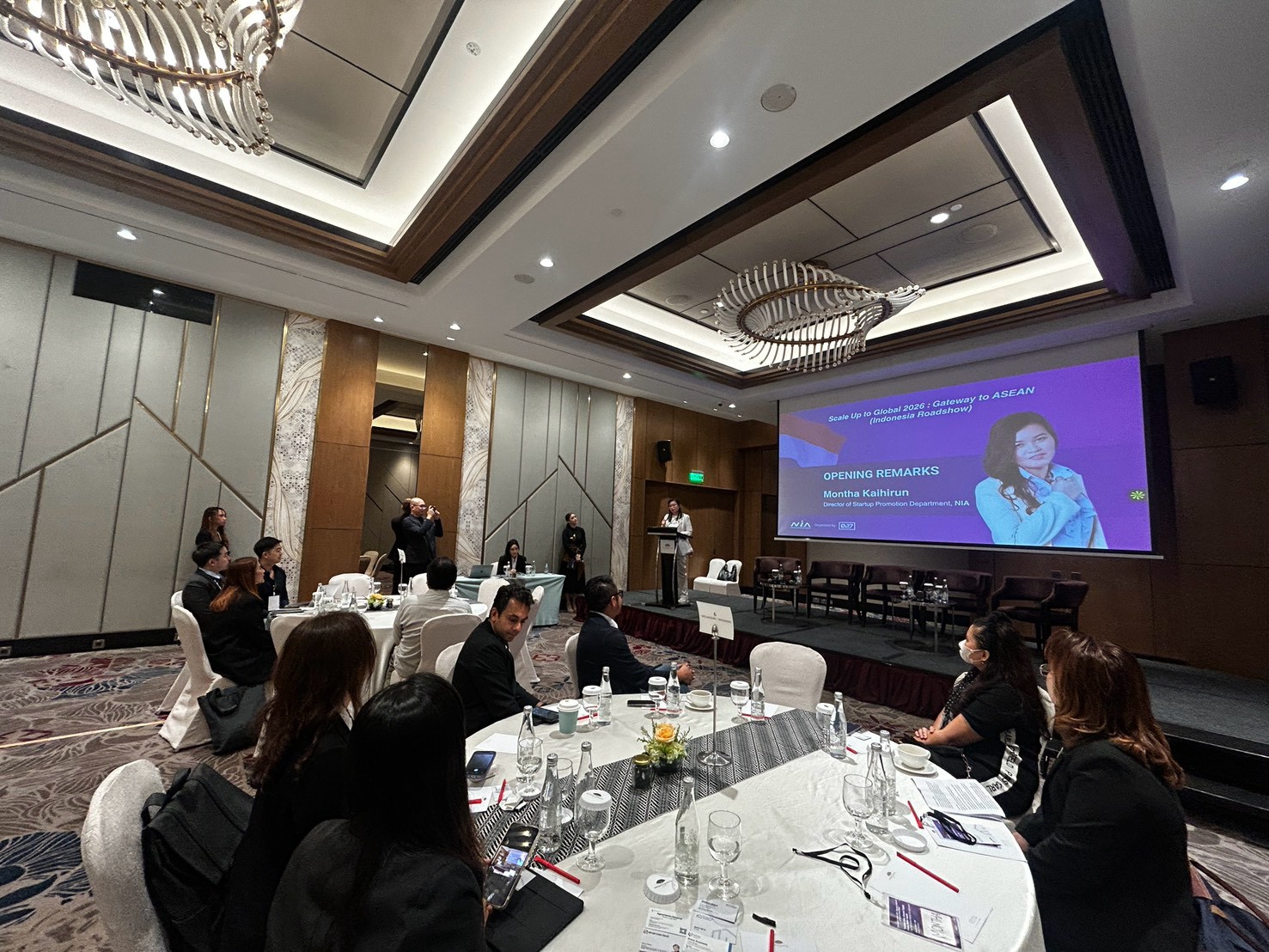
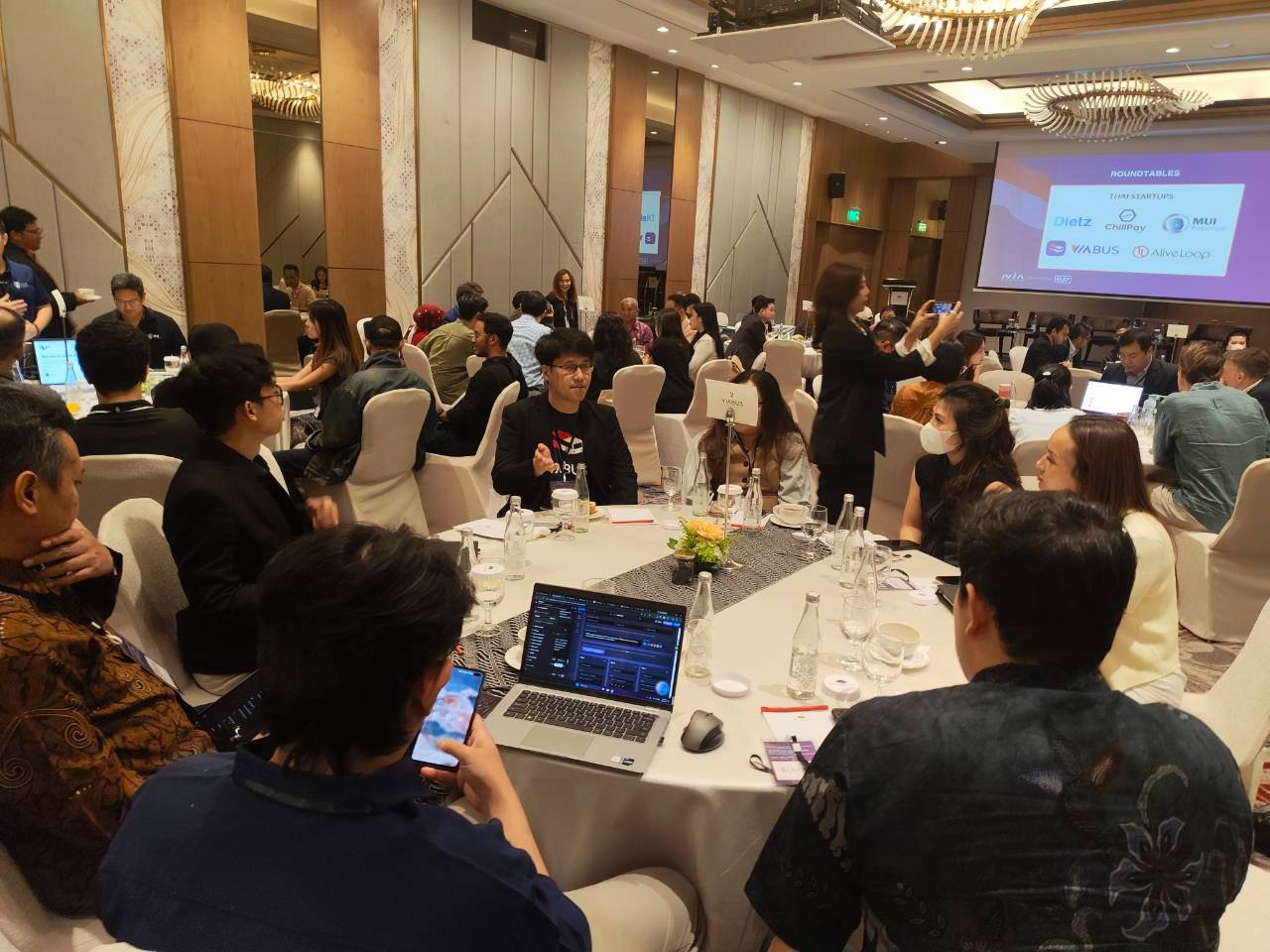
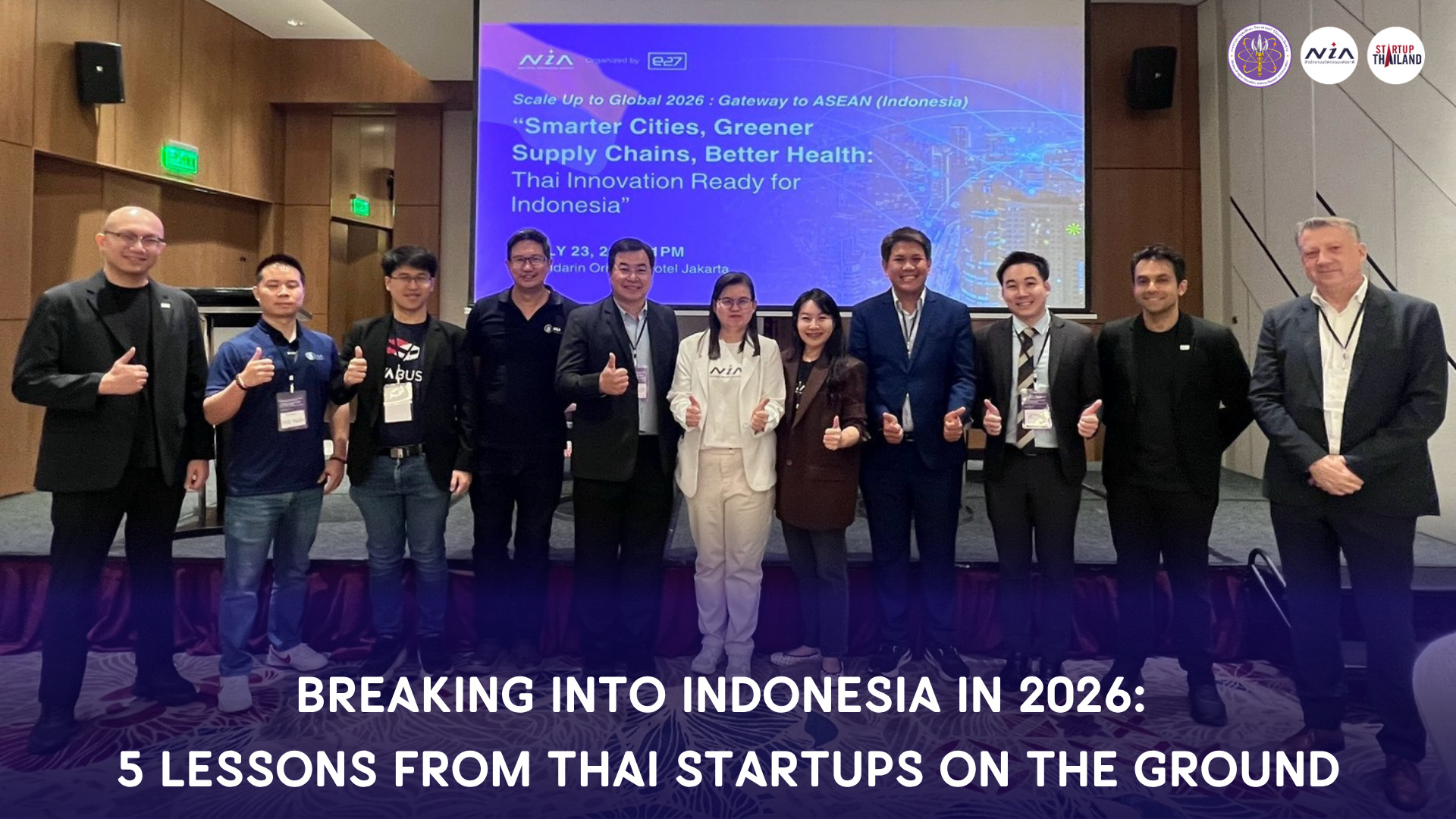
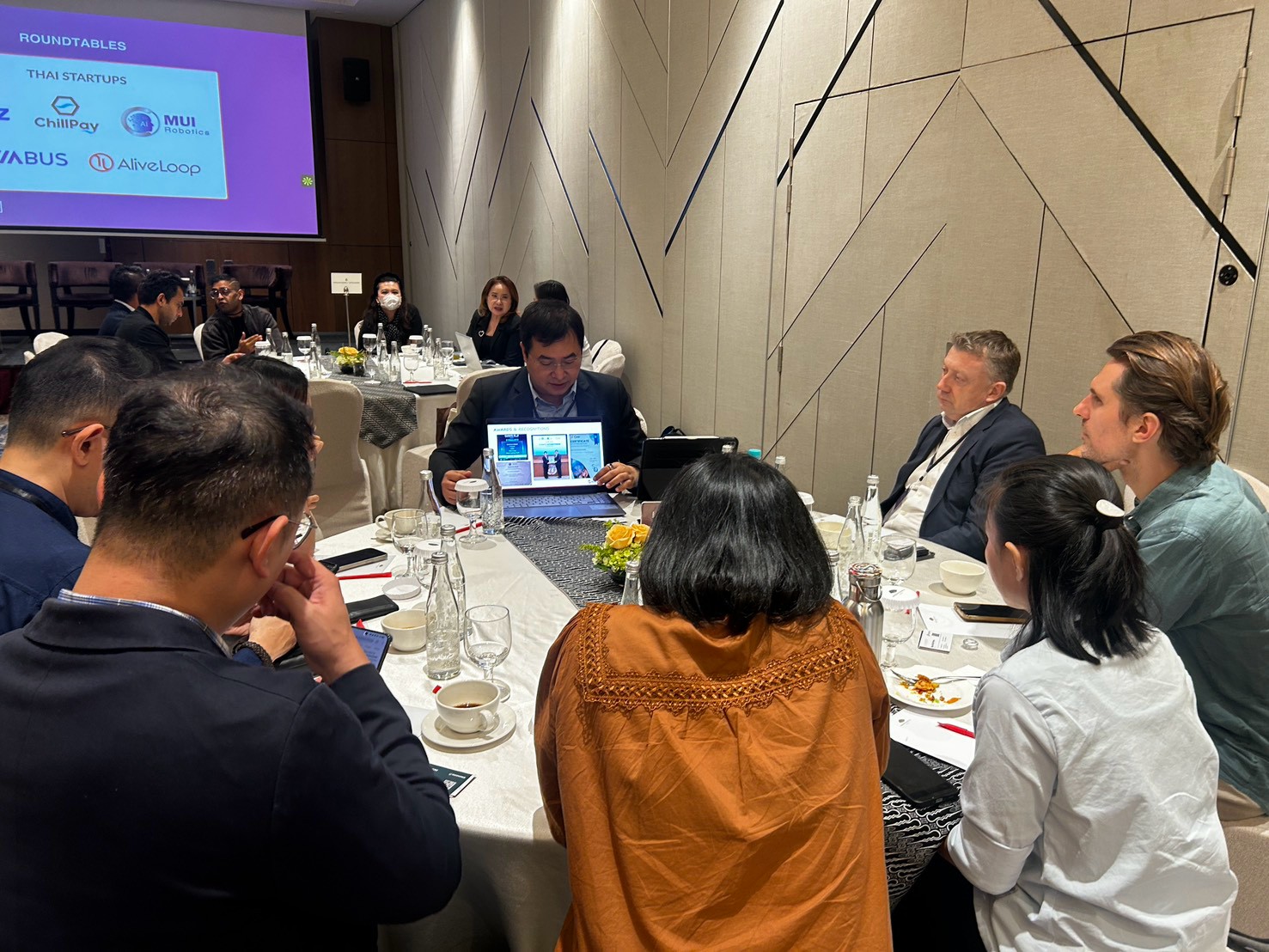
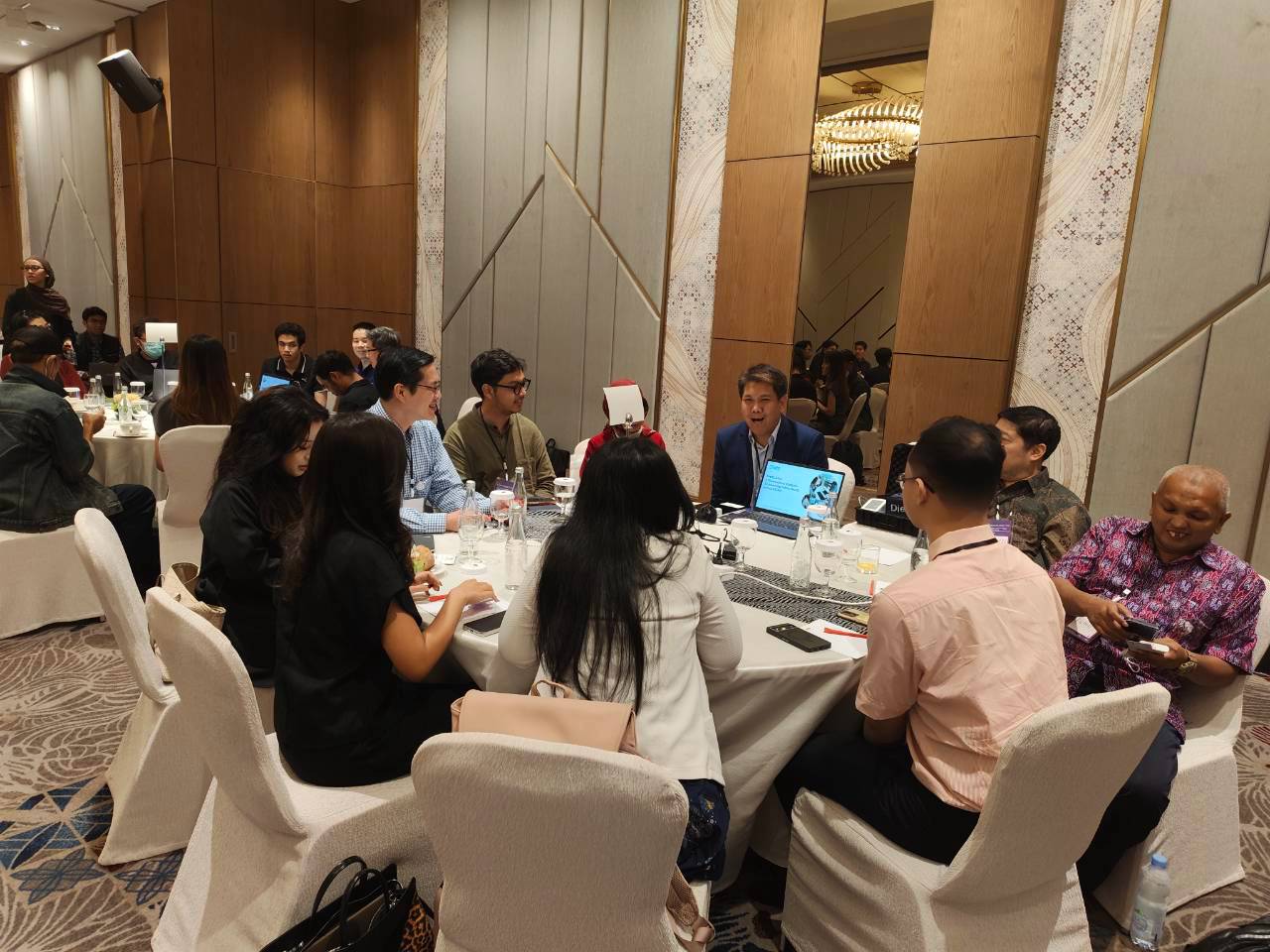
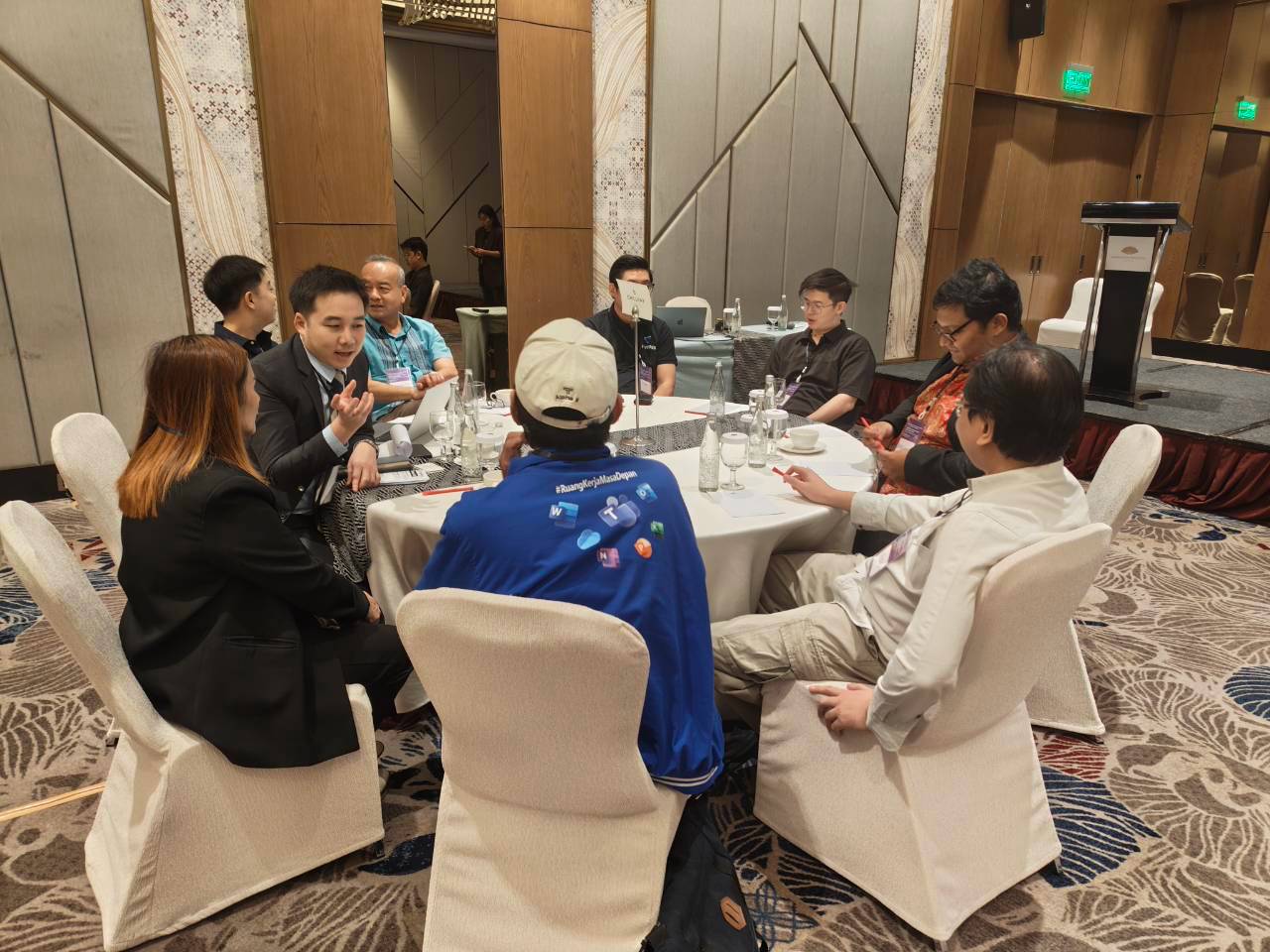
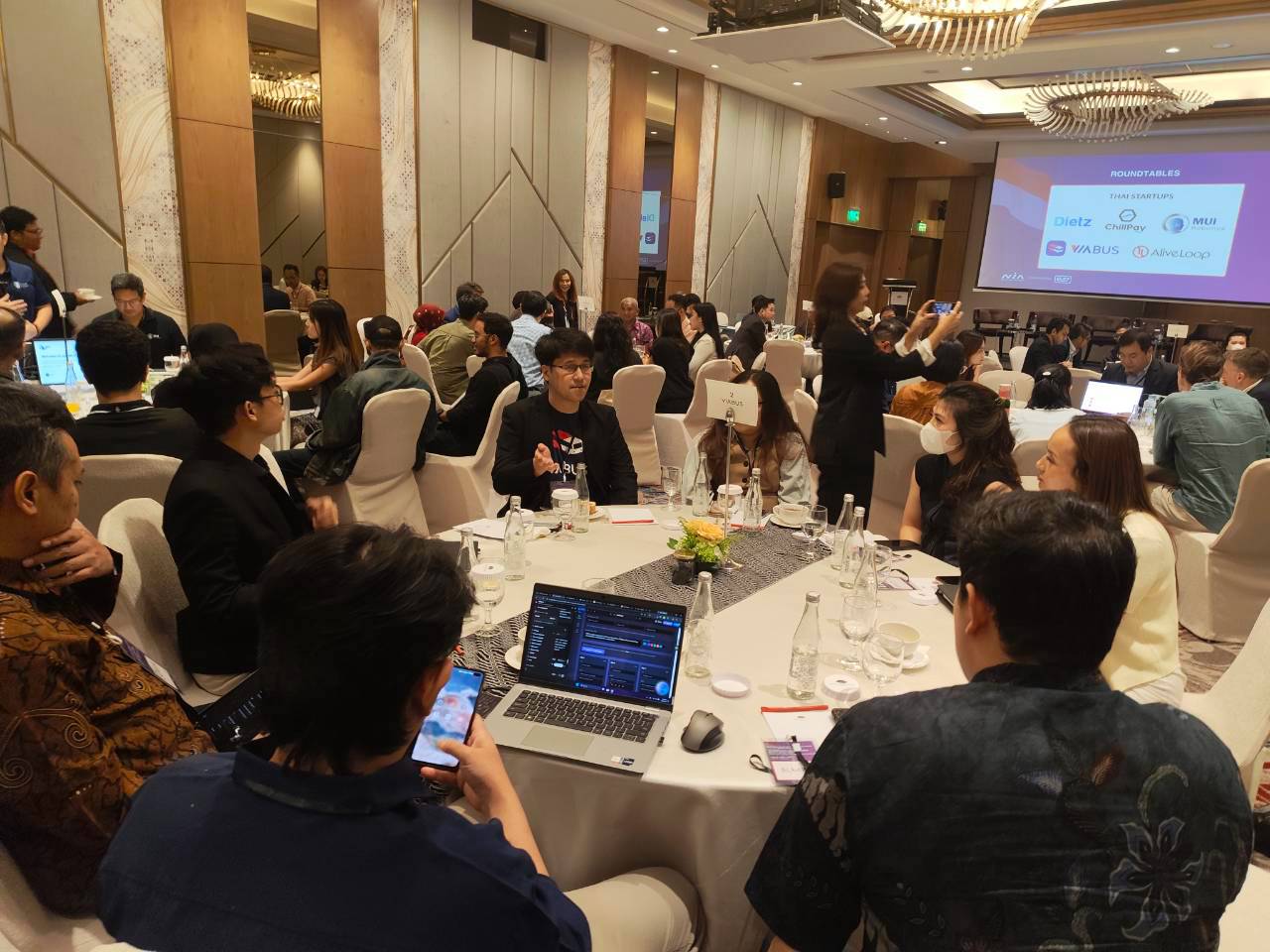
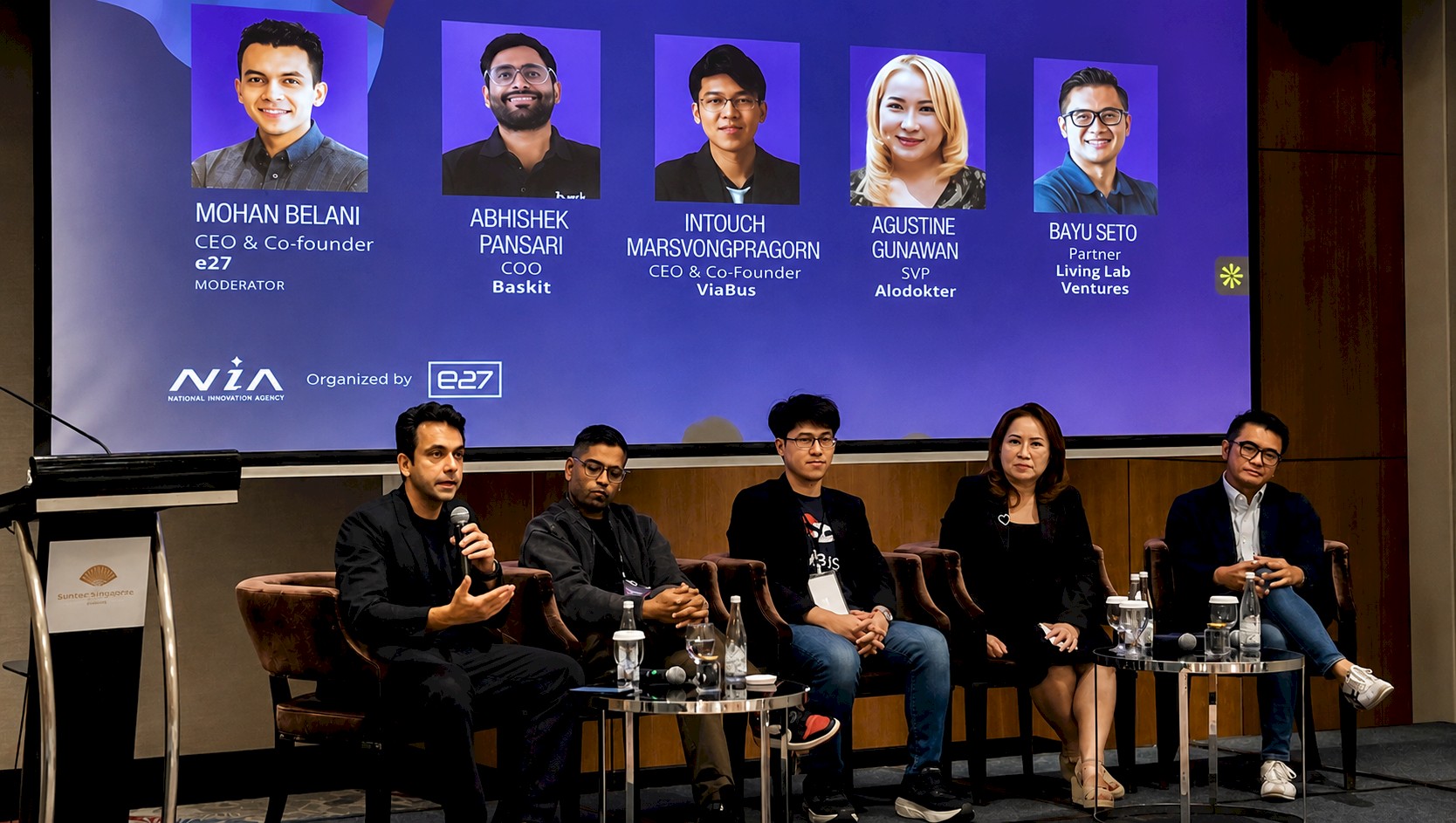
Under the Scaleup to Global 2026: Gateway to ASEAN programme, the National Innovation Agency (Public Organization), or NIA, brought five Thai startups to Indonesia to explore the market first-hand. The companies met with investors, government agencies, private-sector organizations and key players across the innovation ecosystem, gaining direct exposure to both the opportunities and the challenges of operating in the country.
The 5 companies represented very different sectors—from Circular Economy and HealthTech to FinTech, Mobility and AI. Yet their experiences pointed to one common lesson:
There is no universal formula for entering Indonesia.
Having a good product is only the beginning. What matters just as much is knowing where that product belongs in the market, who it should create value with, and how it needs to adapt along the way.
Indonesia: A Large Market That Demands More Than a Reading of the Numbers
When people think of Indonesia, the first thing that often comes to mind is its enormous population.
But behind the numbers lies an archipelagic economy spread across a vast number of islands, with significant differences from one location to another.
Those differences are not merely geographical. Purchasing power, consumer behavior, infrastructure, business practices and levels of technology adoption can vary considerably across cities and regions.
For startups entering the country, treating Indonesia as one single market may therefore be the wrong starting point.
A more practical approach may be to identify the right “first city” or “first market”—one that best matches the startup’s solution—and use it as a controlled environment for testing, gathering data and building a local case study before expanding further.
One example is BSD City, developed by Sinar Mas Land, where a technology ecosystem has been established through its Digital Hub. The area has been developed around the concept of an Integrated Smart Digital City, bringing together startups, technology companies, educational institutions and multinational corporations.
Today, technologies including AI, IoT, Digital Twin and Data Analytics are being applied across urban management, traffic systems, security and smart buildings.
For international startups, environments like this can provide an opportunity to test solutions under real-world conditions—through pilots or Proofs of Concept (POCs)—while collecting data and learning directly from users and local partners.
In a market as diverse as Indonesia, starting small with a clear strategy may ultimately be the safest way to scale big.
Five Thai Startups, Five Lessons from the Field
The experiences of the five participating companies demonstrate that every industry comes with its own market-entry challenges.
More importantly, they show that what works in Thailand does not necessarily translate directly to Indonesia.
Alive Loop: A Green Solution Must Also Deliver Business Value
Alive Loop is a recycling platform that transforms difficult-to-process packaging waste, including multilayer foil, into materials that can be reused by industry.
Its experience in Indonesia revealed that the challenge is not simply proving that the technology works. It is also about building confidence among local partners and customers.
For an environmental solution, talking about sustainability alone may not be enough.
Customers and business partners also need to see tangible commercial value—whether through lower costs, improved efficiency or measurable business returns.
Alive Loop’s experience highlights an important principle:
A green solution that succeeds in the real market must create both environmental and economic value.
Dietz Asia: In HealthTech, Regulation Comes First
For Dietz Asia, a telemedicine platform connecting hospitals, clinics and home-based chronic care, the market opportunity is only one part of the equation.
The other is the regulatory environment.
HealthTech companies cannot enter a new market using the same playbook as a conventional digital business. Their operations are closely linked to regulations, oversight mechanisms, certification processes and the structure of the healthcare system itself.
Affordability and service-delivery models are also crucial factors when designing a viable business model.
For this reason, startups entering the sector should begin with regulatory mapping—understanding the relevant requirements before committing significant resources to market development.
Regulation is not merely a hurdle at the point of entry. It can shape the product, operating model and commercial strategy from the very beginning.
Chill Pay: FinTech Requires Understanding the Entire Ecosystem
For Chill Pay, a payment gateway provider expanding into cross-border commerce, Indonesia demonstrated the importance of understanding the wider market structure—not just the technology.
Indonesia’s digital payment ecosystem has continued to develop, with QRIS serving as an important national standard for QR-based payments. QRIS has also been connected with Thailand’s PromptPay system to support cross-border payments.
This illustrates how the opportunity in FinTech extends beyond payment connectivity itself. It also opens the door to cross-border commerce and new services built around stronger economic links between countries.
At the same time, providers must understand consumer behaviour, competition, operating costs and price sensitivity.
In a market with many competing players, technology alone is rarely enough. The winning proposition also requires a business model that genuinely fits the market.
ViaBus: To Solve a City’s Problems, Start by Understanding the City
ViaBus provides an integrated digital platform for managing public transportation and mobility services.
For the company, the key challenges in Indonesia revolve around data, transportation infrastructure and the specific context of individual cities.
Its experience in Thailand therefore cannot be applied wholesale.
The company needs to build relationships with local transport operators and understand how the needs of each city differ—not only in terms of public services, but also in how transport businesses operate.
The lesson from ViaBus is straightforward:
If technology is meant to solve an urban problem, the starting point should be the city—not the technology.
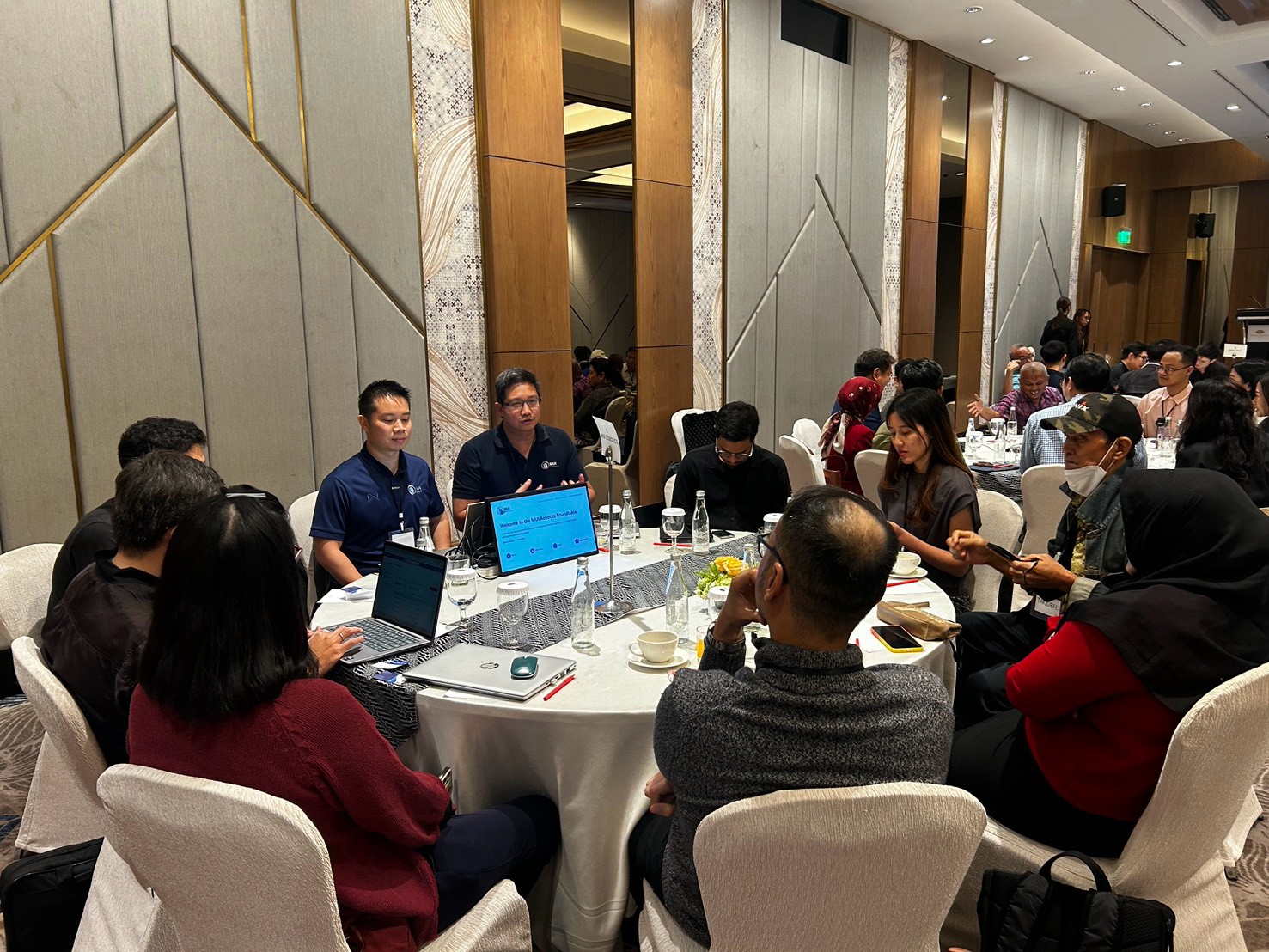
MUI Robotics: Deep Tech Must Move from Technology Readiness to Market Readiness
MUI Robotics develops AI-Nose, an electronic nose technology designed to detect smell and taste characteristics for quality control in industrial manufacturing.
Its experience showed that even in a market with strong interest in AI and Deep Tech, advanced technology does not automatically translate into commercial adoption.
Regulation, industry standards, user readiness and the process of integrating new technologies into production systems all need to be considered.
In this context, a local partner can play a far more important role than simply introducing potential customers.
The right partner can help a startup understand local standards, procurement processes and the practical needs of industries on the ground.
The central challenge, therefore, is moving from:
“Technology Readiness” to “Market Readiness.”
Three Things Thai Startups Need to Know Before Entering Indonesia
Taken together, the five companies represent very different industries. Yet their experiences reveal three shared lessons that apply across sectors.
- Localization Is More Than Translation
True localization involves much more than translating a product into Bahasa Indonesia.
It means adapting the product, pricing, sales channels and business model to fit the local market.
What Thai customers are willing to pay for, how they use a product and how they make purchasing decisions may be very different from customers in Indonesia. Those differences may even vary from one Indonesian city or region to another.
So before entering the market, the key question should not simply be:
“How do we translate our product into Indonesian?”
It should be: “What do we need to change about our product so that it truly fits this market?”
- A Local Partner Can Be the Gateway to the Market
Business relationships matter deeply in Indonesia.
A strong local partner does much more than help generate sales. The right partner can provide access to business networks, government agencies, investors, service providers and key decision-makers.
For international startups, this local understanding can significantly reduce the time, cost and risk associated with market entry.
But startups should avoid viewing a partner solely as a distributor or sales agent.
The greater opportunity lies in finding a strategic partner—one that can help develop the market, navigate local complexity and create business value together over the long term.
- Do Not Scale Before You Validate
A large market can create pressure to expand quickly.
But in Indonesia, the smarter strategy may be to begin with one carefully selected market or location, learn from it, and expand only when there is enough evidence to support the next move.
A useful progression is:
POC → Pilot → Validate → Scale
Start by testing the product with real customers or partners. Gather data. Learn from feedback. Refine the product-market fit. Then invest in broader expansion.
One proven case study in Indonesia may ultimately be far more valuable than an ambitious nationwide expansion plan with no real customers behind it.
When Pitching Is About More Than Raising Capital
Another important lesson from the market visit is that pitching overseas is not always about fundraising.
When pitching to investors, startups need to demonstrate growth potential, market size, business model, competitive advantage and expected returns.
But when pitching to a corporate or strategic partner, the conversation changes.
The most important questions become:
“What problem can we solve for you?”
And “What value can we create together?”
A market-entry pitch deck should therefore make several things clear: what the company wants from the market, what type of partner it is looking for, what it hopes to test, and what outcomes both sides could achieve together.
Preparing well is no longer only about defining what you want to sell.
It is also about defining what you want to build together.
From Seller to Co-Creator
StartupBlink’s 2026 rankings underline Indonesia’s growing importance in the regional startup ecosystem. The country ranks 45th globally and third in Southeast Asia, while Jakarta ranks 33rd worldwide and second in the region.
But rankings do not make market entry easy.
What moves a business forward is a deeper understanding of local context—the ability to choose the right market, build trust and work with partners who can contribute to long-term success.
For Thai startups, Indonesia should therefore be viewed not simply as a “large market”, but as a collection of cities, industries and opportunities that need to be matched carefully with each company’s strengths.
The experience of the five startups under the Scaleup to Global 2026: Gateway to ASEAN programme does not suggest that there is one formula for entering Indonesia.
Instead, it points to a more useful way of thinking:
Understand the market → Choose the right arena → Find a local partner → Test in the real market → Localise → Then scale
Because going global today is no longer simply about taking what we already have and selling it to the world.
It is about bringing Thai technology, expertise and innovation into new markets—and creating value together with partners there.
Indonesia may well become one of ASEAN’s most important testing grounds for Thai startups to learn this lesson first-hand:
Global growth does not begin by expanding as far as possible. It begins by understanding the market as deeply as possible.