Global Startup Hub 2026: From 30 Startups to 60+ Matchings and 6 PoCs—Where Growth Meets Real-Market Validation
For any tech startup, groundbreaking innovation is only the beginning. True growth requires solving an even bigger puzzle: Who is the customer? What specific pain point are you resolving? And is the market truly ready to adopt your solution?
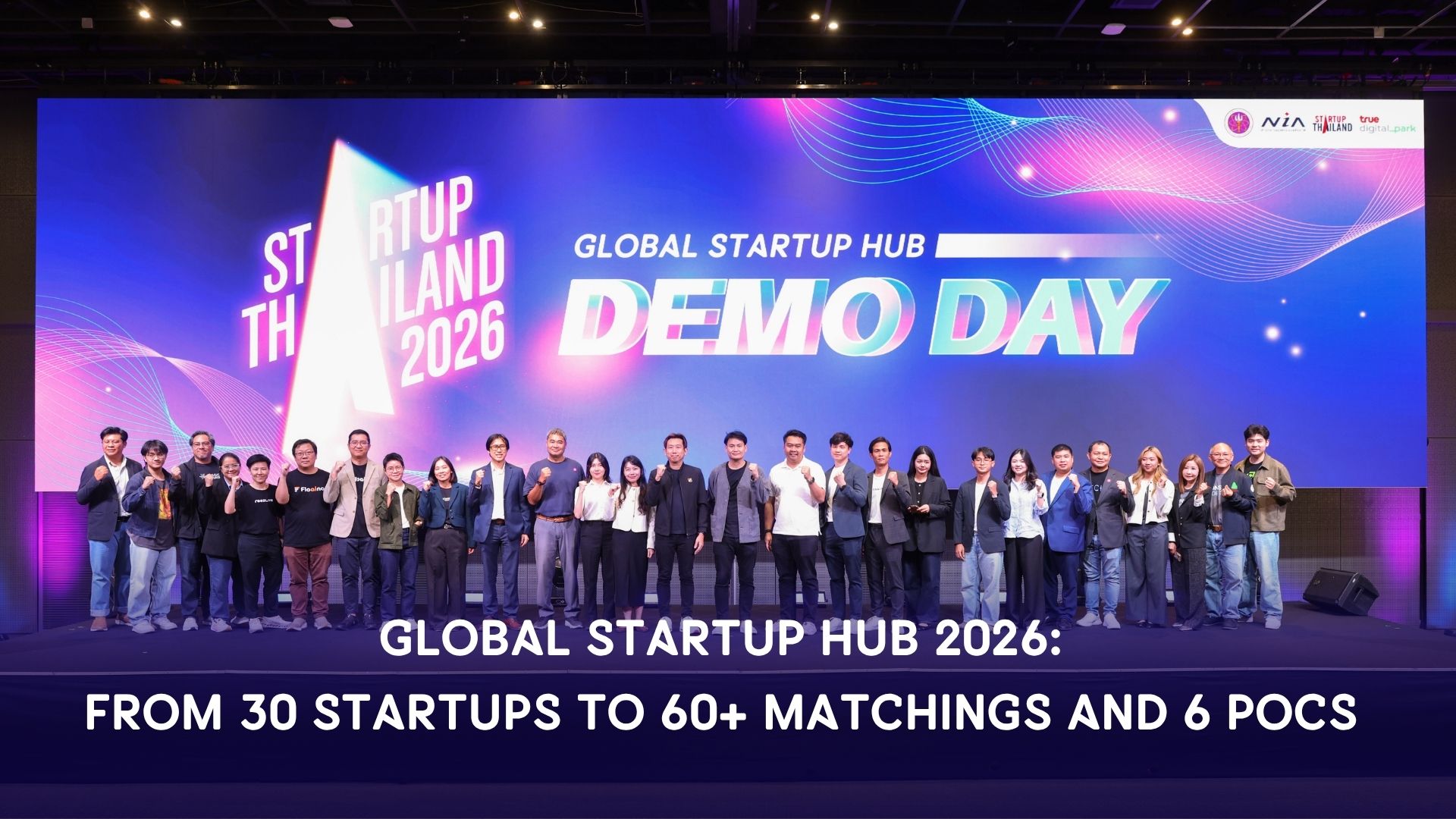
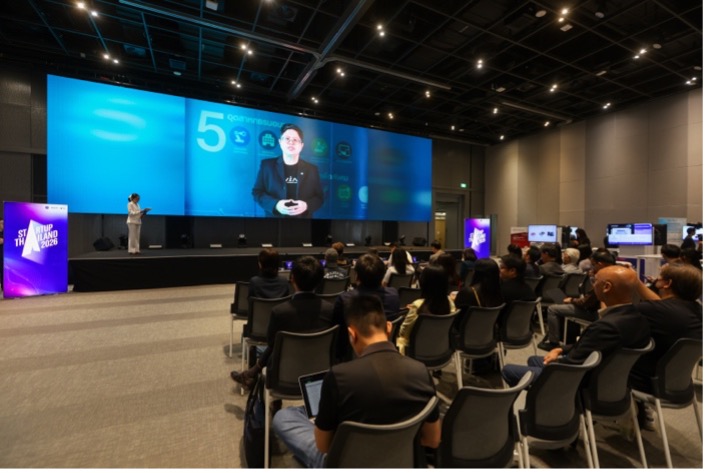
This market-first reality sits at the heart of Startup Thailand 2026: Global Startup Hub, an initiative driven by the National Innovation Agency (Public Organization), or NIA. By bringing 30 multi-industry startups into a rigorous development ecosystem, the program looks far beyond raw technology, zeroing in on strategic growth targets, market access, and real-world commercial viability.
Starting with OKRs: Turning Activities into Purposeful Growth
Before stepping into a boardroom with prospective clients or corporate partners, startups must define their destination.
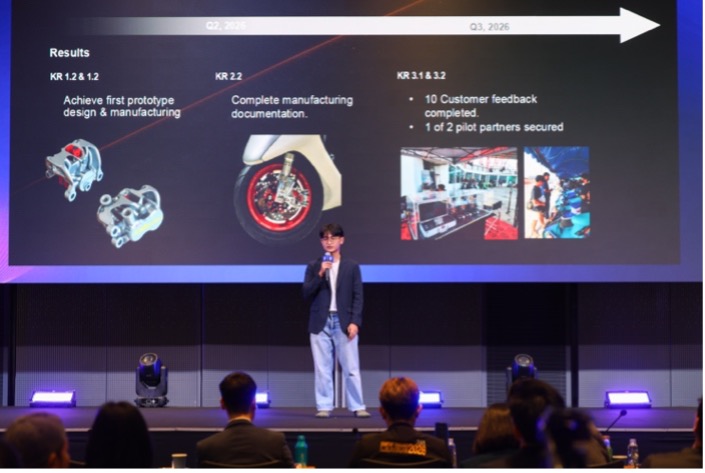
The Global Startup Hub embeds Objectives and Key Results (OKRs) early in the program through dedicated OKR Workshops. This framework equips startups to establish measurable targets and track progress systematically. Beyond setting target metrics, the OKR framework clarifies next steps, ensuring every milestone advances a core business objective.
Growth priorities naturally vary across the cohort
Corporate Pilots: Securing a first enterprise client
Market Expansion: Entering new verticals or geographic markets
Co-Development: Finding strategic partners to build a Proof of Concept (PoC)
Scaling: Partnering with investors or commercial allies for rapid growth
By grounding each startup’s unique needs in clear objectives, Business Matching moves away from sheer volume to focus on high-precision matchmaking. This shared foundation aligns subsequent mentoring, corporate sessions, and PoC trials toward actionable outcomes.
30 Startups: Bringing Frontier Tech into Real-World Operations
Across the 30 selected startups, a clear pattern emerges: technology is moving out of the lab and straight into core business operations, transforming manufacturing, retail, construction, facility management, energy, waste, and consumer services.
AI & IoT: From Experimental Tools to Vertical Solutions
Dynamic Intelligence Asia (DIA): Offers DUSCAP, enabling non-coders to build specialized applications for manufacturing and retail workflows.
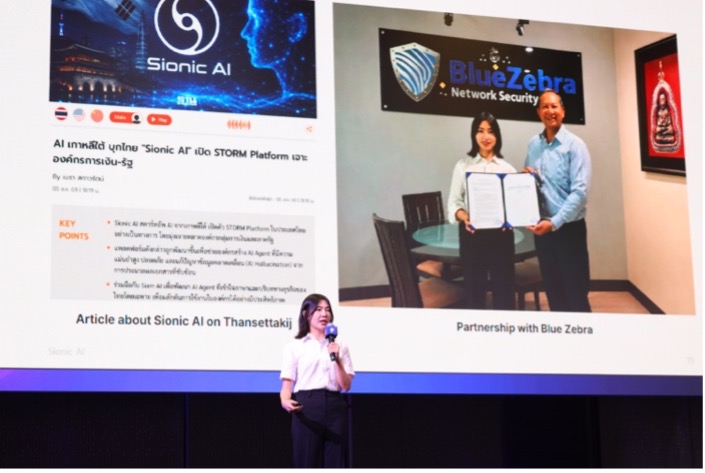
SIONIC AI: Powers the STORM Platform, allowing enterprises to build and manage custom Generative AI Agents using internal data securely.
PIASPACE: Deploys Vision-Language Models over CCTV networks for real-time anomaly detection.
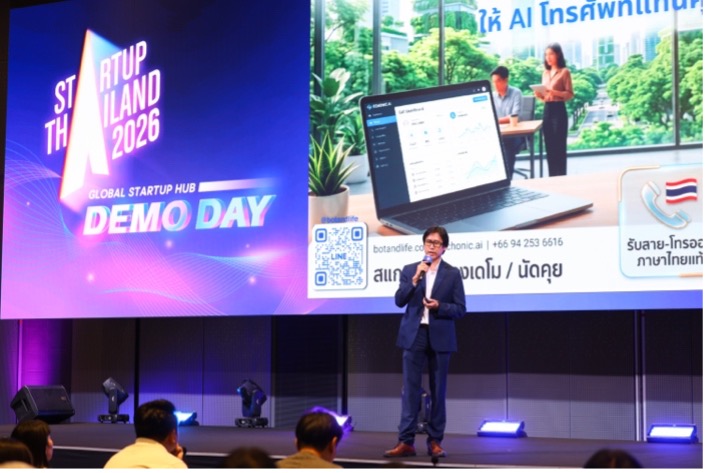
BOT AND LIFE: Uses AI to generate digital avatars and synthetic voices for corporate communications.
THAICLOUD PAC (Packiko): Applies AI automation to streamline order management and fulfillment.
FLO AINO: Integrates AIoT and physical AI into interactive learning platforms.
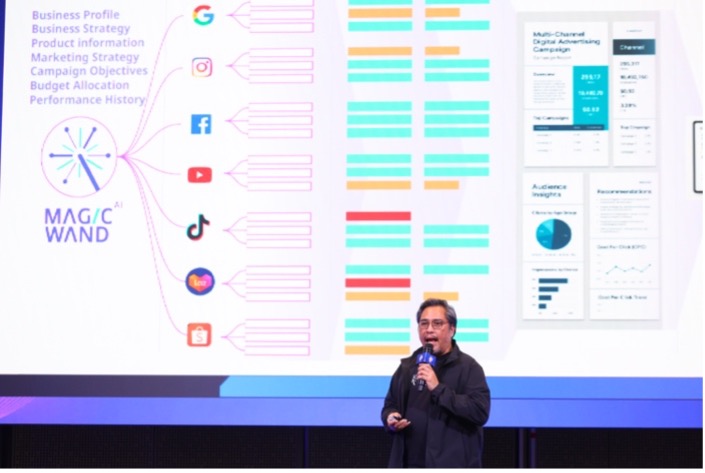
The MagicWand AI: Optimizes digital advertising campaigns end-to-end, from planning through performance tracking.
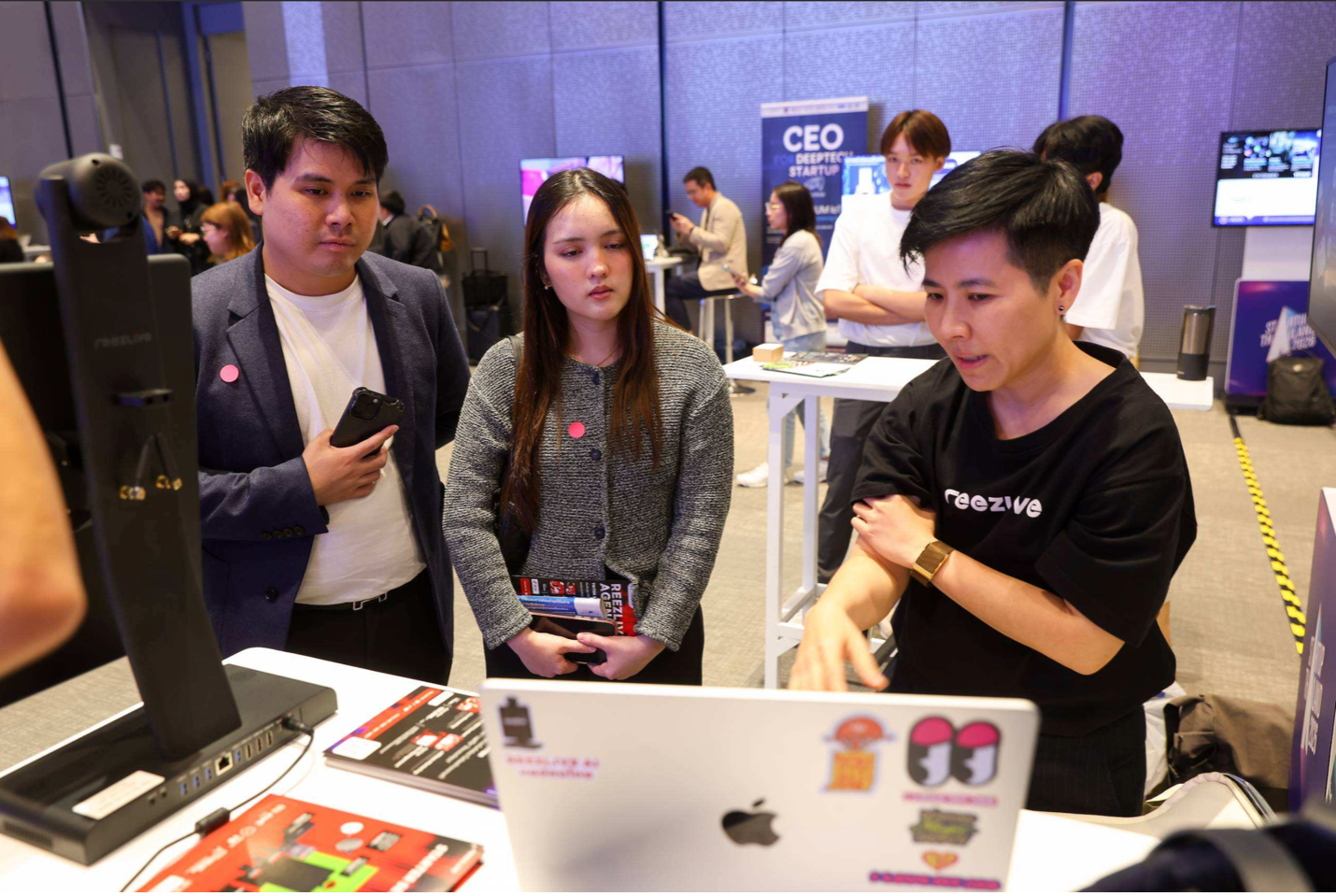
REEZLIVE: Enhances live-streaming ecosystems with real-time AI beauty rendering.
PRIMO WORLD: Deploys AI assistants to power CRM and marketing automation.
DAY ONE TECH (Scamtify): Uses data intelligence to combat fraud in CrimeTech.
UPSIGHT: Connects BIM models with multimodal AI to analyze construction site visuals.
The underlying shift is clear: enterprise AI is no longer about generic capabilities, but tailored tools engineered for specialized industry challenges.
IoT innovations follow a similar path, turning operational data into actionable intelligence:
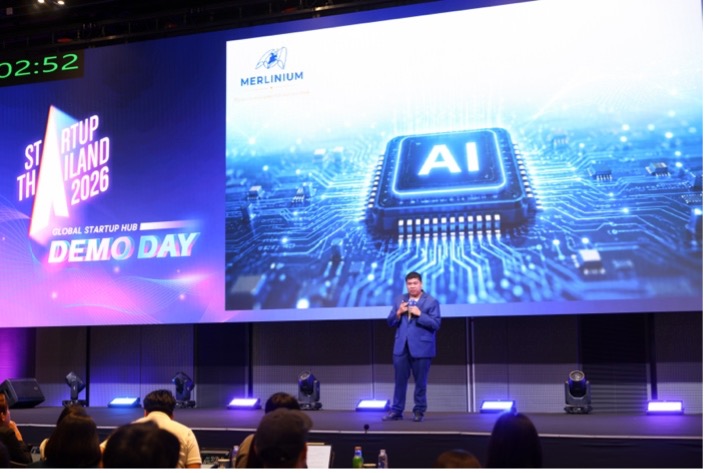
MERLINIUM: Combines sensors and AI predictive maintenance to detect equipment anomalies in factories and commercial buildings before downtime occurs.
YINGYONG SMART BIZ (Tiger Cashbox): Connects Smart Deposit Machines with SaaS management tools to streamline cash handling.
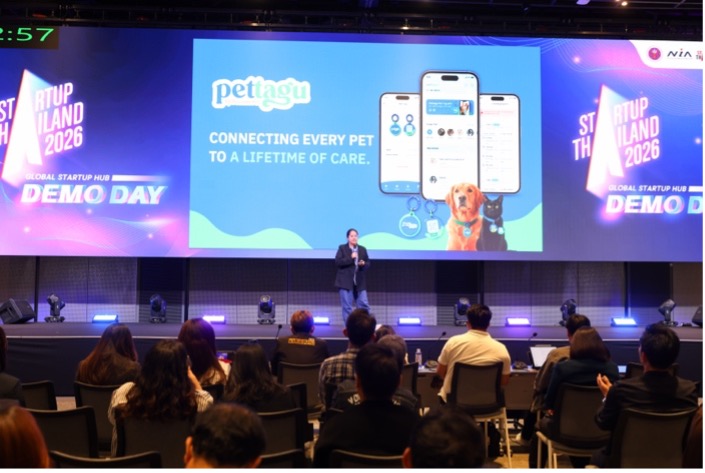
DEEMMI PET (Pettagu): Advances PetTech through NFC/QR smart tags, offering digital pet ID management alongside AI-driven initial symptom assessments.
Climate Tech: Shifting from “Impact” to “Efficiency and Cost Savings”
Sustainability solutions are increasingly evaluated through an economic lens—focusing on operational efficiency, resource management, and cost reduction.
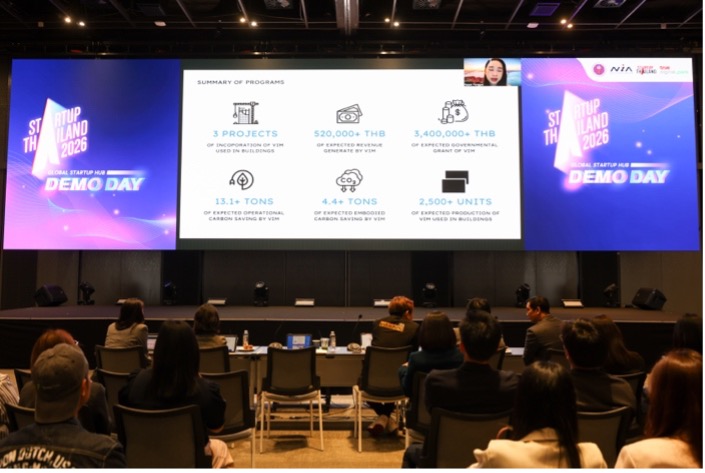
P&P Partners (VIDENVAREN+): Engineers advanced thermal insulation materials to reduce HVAC energy consumption.
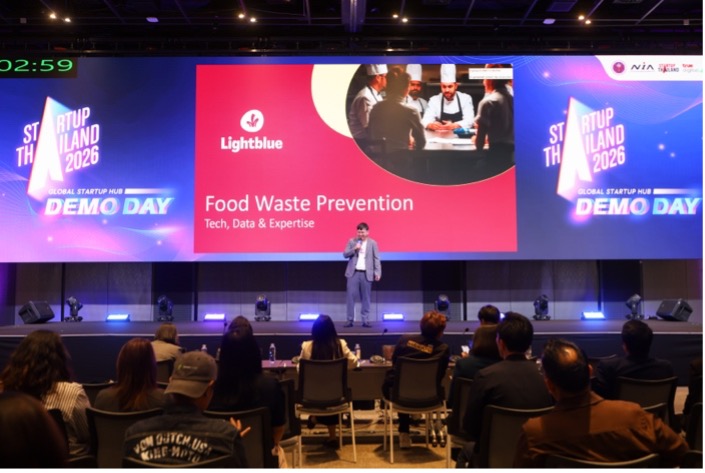
LightBlue Environmental Consulting: Uses FIT Tech to audit food waste in hospitality, helping commercial kitchens cut operational costs.
GEPP SA-ARD: Employs IoT systems for waste management tracking, Scope 3 emissions reporting, and ESG compliance.
CHALUPAS & CO.: Transforms agricultural waste into high-value alternative materials.
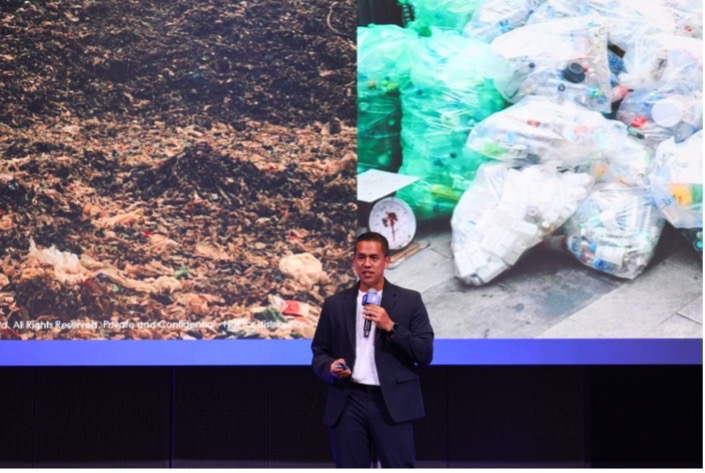
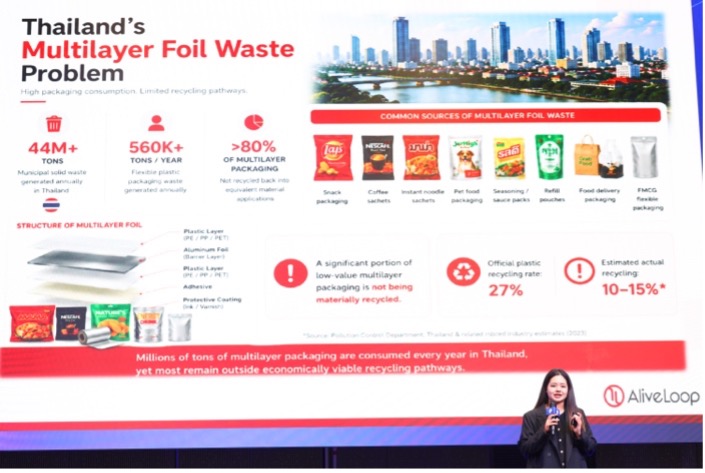
ALIVE LOOP: Upcycles hard-to-recycle multi-layer plastics into sustainable packaging and industrial materials.
ALTOTECH GLOBAL: Optimizes building ventilation and water management systems using data analytics to minimize energy consumption.
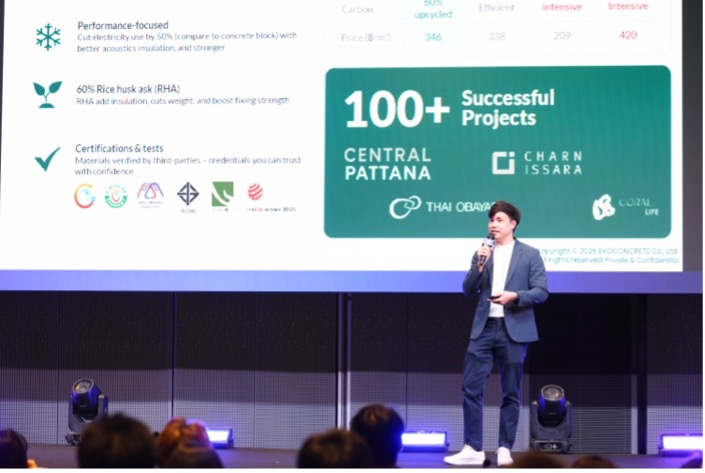
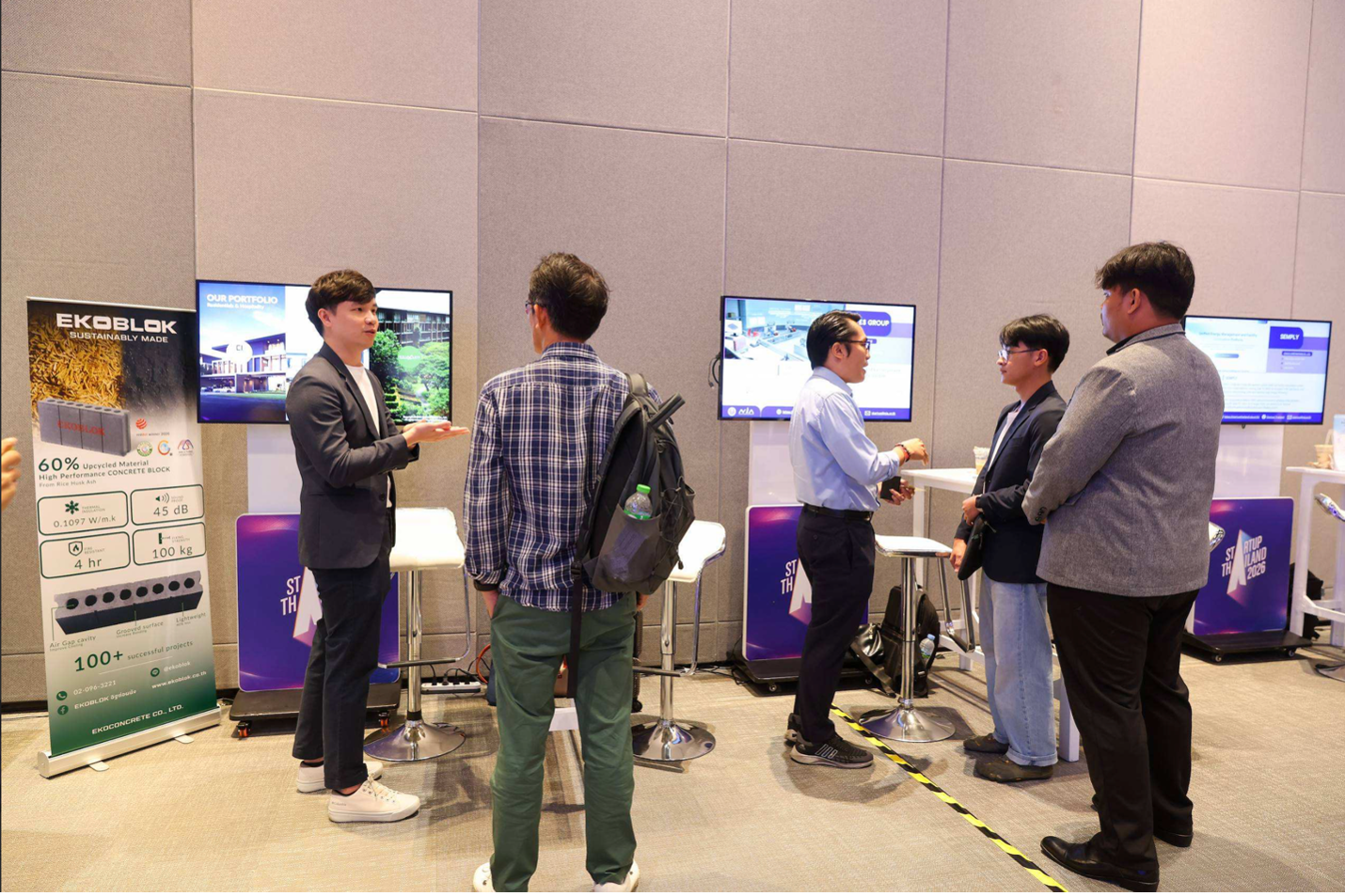
EKOBLOK: Produces upcycled rice husk construction blocks featuring enhanced thermal and acoustic insulation.
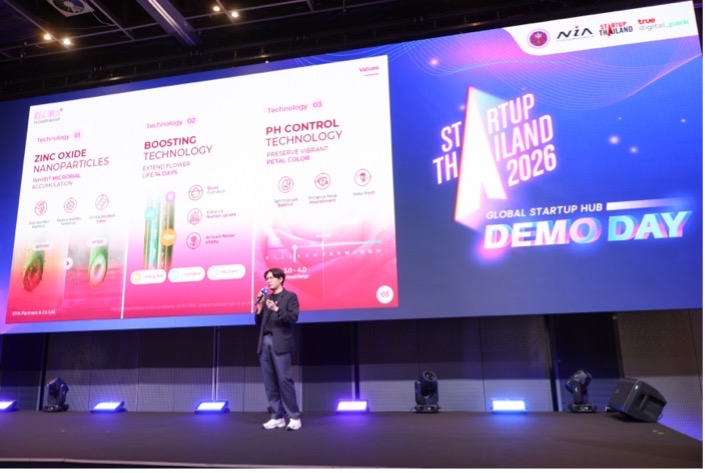
KYN PARTNERS: Formulates specialized solutions that extend flower freshness across supply chains.
NICHA CCUS: Develops point-source carbon capture technologies tailored for heavy industries.
TONSON MORTAR: Repurposes industrial waste into self-leveling mortar formulations.
LOCOL: Converts cocoa husk extracts into functional feed additives designed to reduce livestock methane emissions while improving animal health.
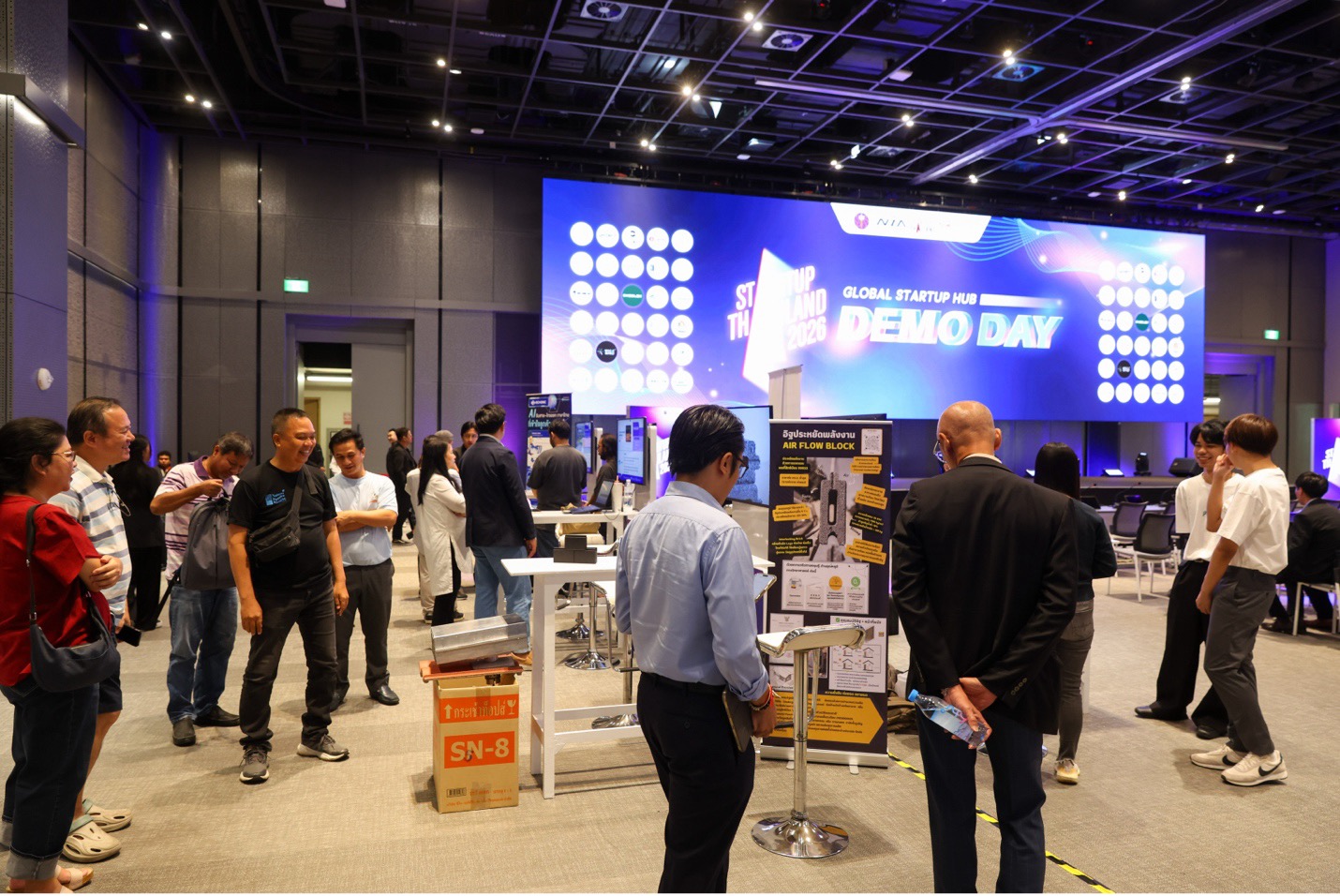
SIAM INNOVATE SOLUTIONS: Designs convection-based Air Flow Blocks that reduce thermal build-up and lower cooling demands in modern structures.
By embedding sustainability directly into supply chains and cost structures, these innovations align environmental responsibility with core business decisions.
Energy and Mobility: Engineering Next-Generation Systems
Energy and mobility solutions are reimagining how industrial ecosystems generate, store, and manage infrastructure.
COSMOS LAB: Develops aqueous zinc-metal batteries designed for scalable energy storage systems (ESS).
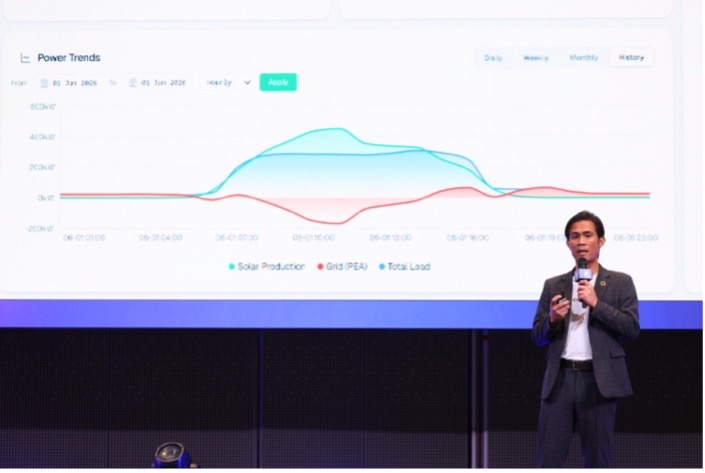
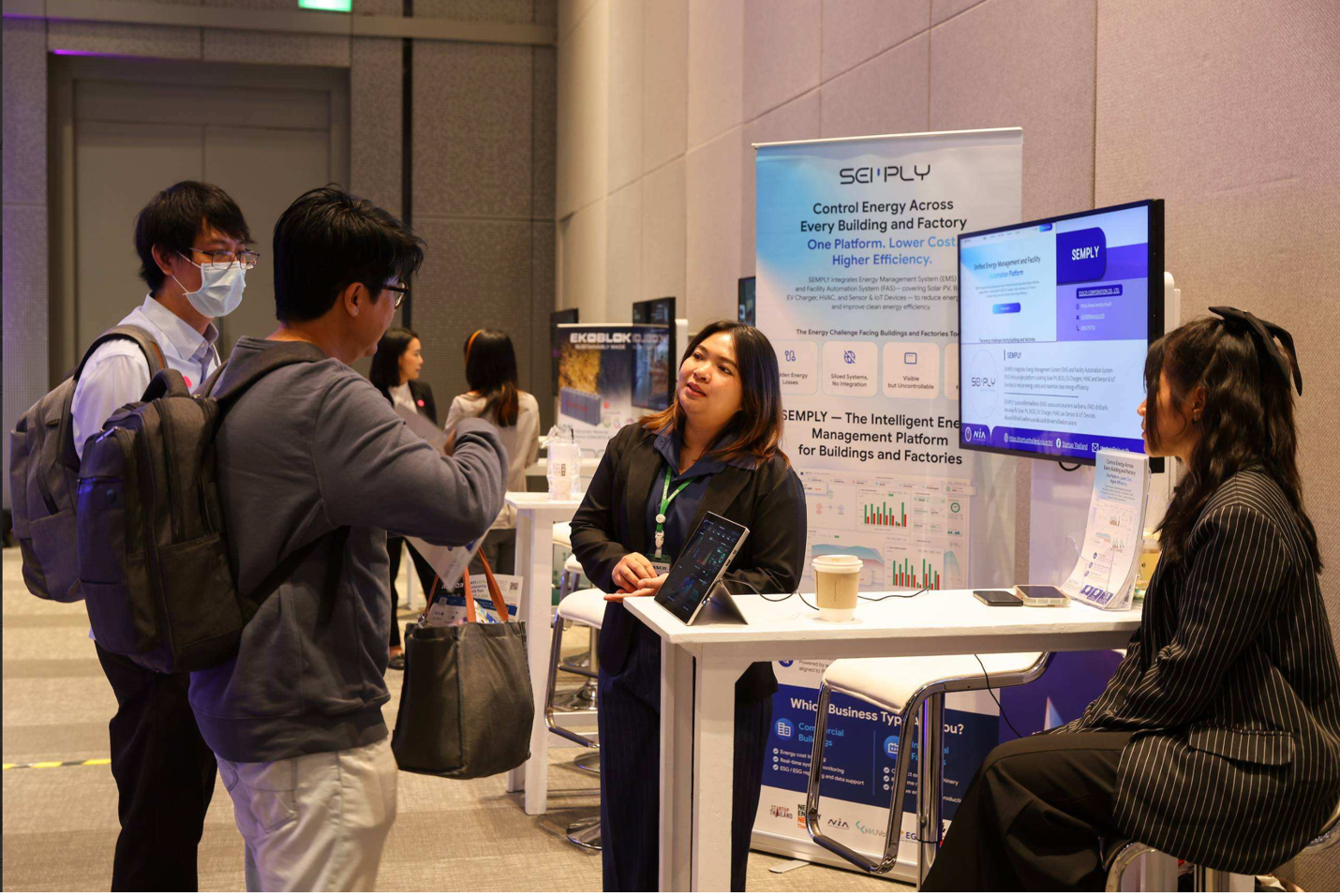
ESSCO CORPORATION: Offers the SEMPLY Platform, integrating enterprise energy management with real-time controls across Solar PV, BESS, EV charging, and HVAC infrastructure.
Qres Group: Delivers Engineering-as-a-Service and customized R&D for EV components, industrial robotics, and hardware applications.
Venture Lab (ThaiGo): Operates a Day Pass Platform designed for urban mobility and transit services.
Together, these companies highlight how mobility and energy platforms are expanding beyond hardware alone into unified engineering systems and digital service platforms.
Validating Innovation in the Real Market
With clear OKR targets and functional technology in place, real-world execution becomes the ultimate test.
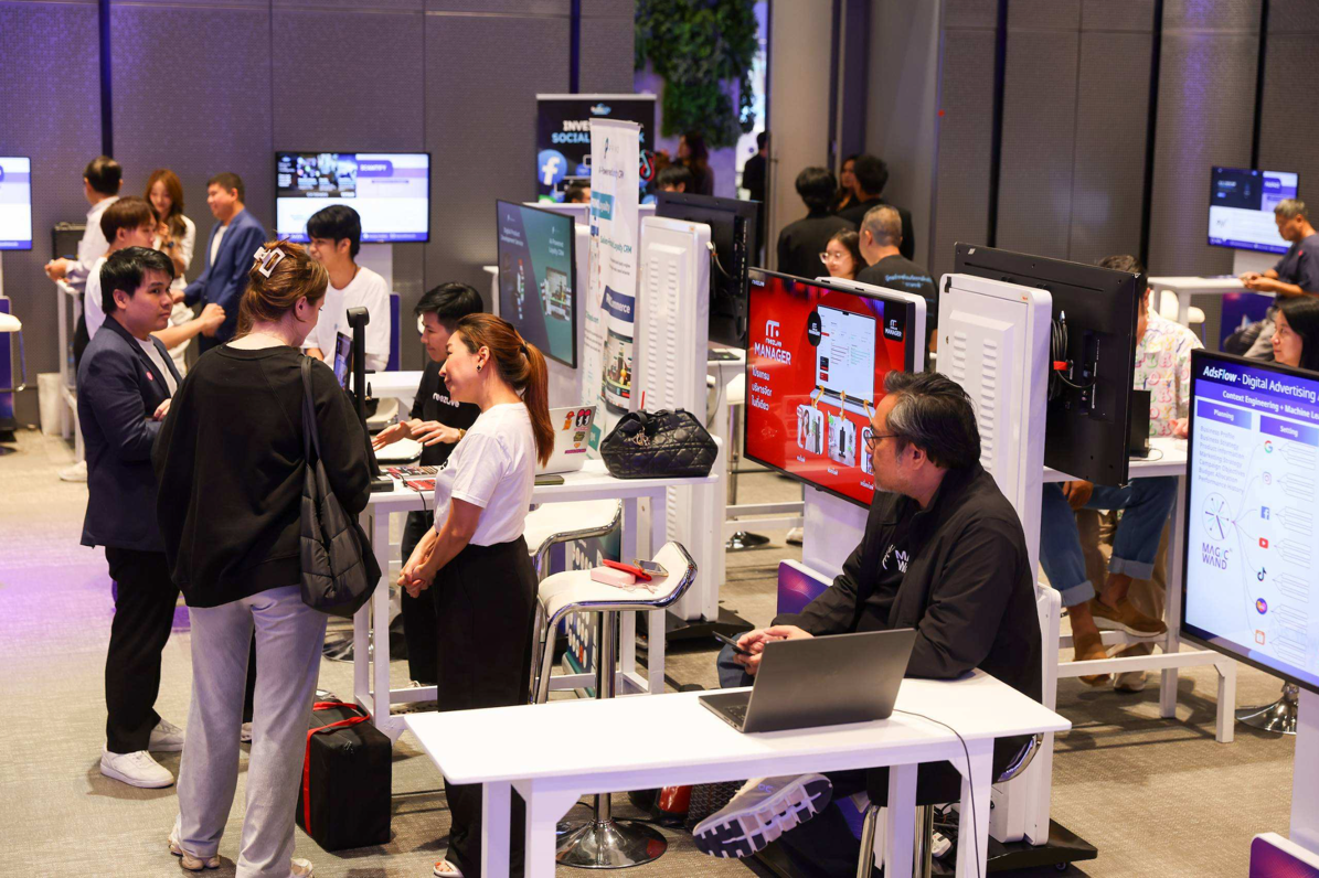
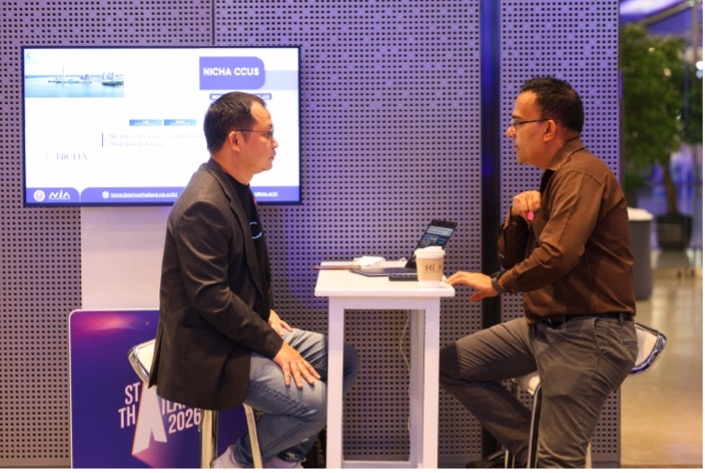
Through carefully curated business matching, Global Startup Hub 2026 connected startups with leading corporates and industry partners—generating over 60 high-value matchings with organizations such as Thailand Post, TPG (Tripetch), Central Retail, PTT, Saha Pathanabul, PTG Energy, MAX Venture, Thai Oil, Kubota, and AIS.
These meetings provided crucial opportunities to test tech stacks against real corporate constraints, integration demands, and operational environments.
More than mere introductions, the program yielded 6 corporate Proof of Concept (PoC) trials. These pilots allow corporate teams to test solutions within live systems, establishing the groundwork for future commercial contracts, joint developments, and broader enterprise deployment.
At its core, Global Startup Hub 2026 bridges the gap between technological capability and real market demand. By pairing precise OKR planning with targeted business matching and live PoC validation, the program helps startups translate technical milestones into long-term commercial success—where matching sparks opportunity, PoC proves viability, and commercialization drives sustainable growth.