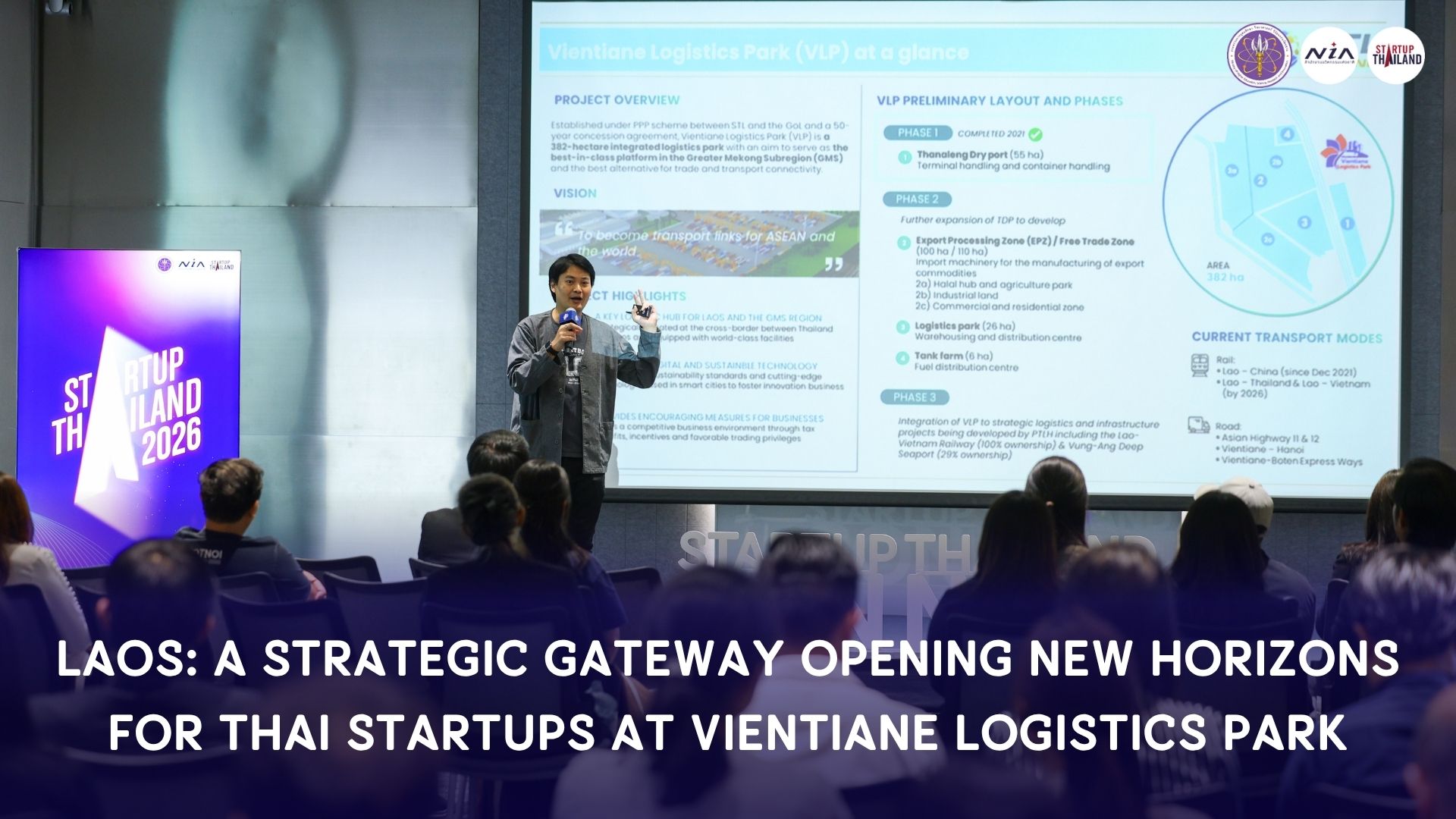
Laos: A Strategic Gateway Opening New Horizons for Thai Startups at Vientiane Logistics Park
In today’s hyper-competitive landscape, market size alone no longer guarantees success. True competitive advantage stems from seamless market accessibility, supply chain integration, and regional scalability. As a result, “connectivity” has evolved from a mere physical transportation asset into a vital catalyst for enterprise growth within regional trade networks.
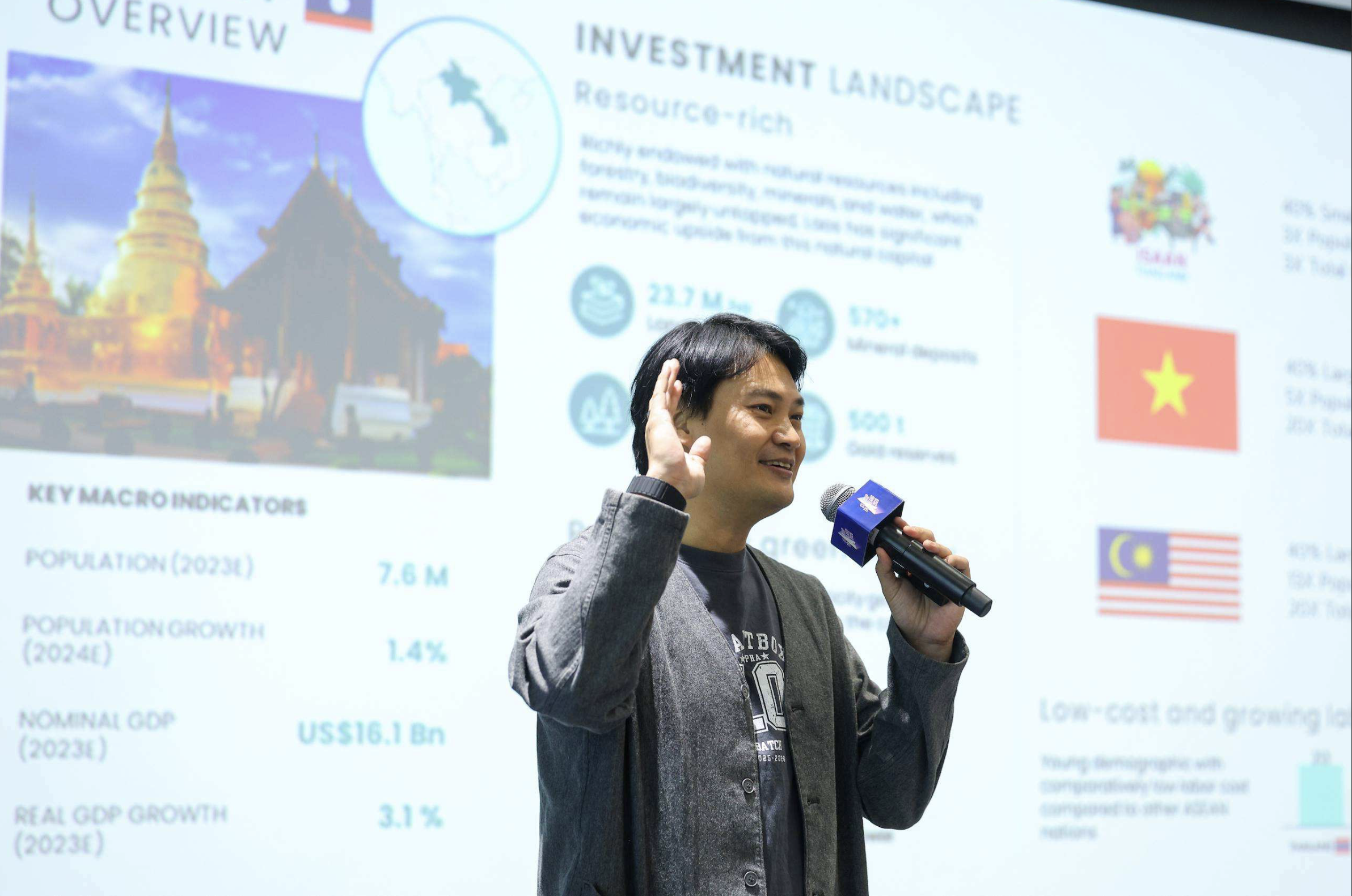
This shift places the Lao People’s Democratic Republic (Lao PDR) in a compelling new light. Long viewed as a land-locked nation, Laos is actively transforming into a dynamic “land-linked” hub—leveraging its geography to bridge China, Thailand, Vietnam, and broader ASEAN markets.
At the forefront of this transformation are the Vientiane Logistics Park (VLP) and Thanaleng Dry Port (TDP). Far beyond cargo handling sites, these facilities serve as active engines for cross-border logistics and trade connectivity. For Thai startups, the opportunity extends well past selling products into the domestic Lao market: it lies in tapping into a connected ecosystem to access broader regional supply chains.
Vientiane’s New Identity on the Regional Economic Map
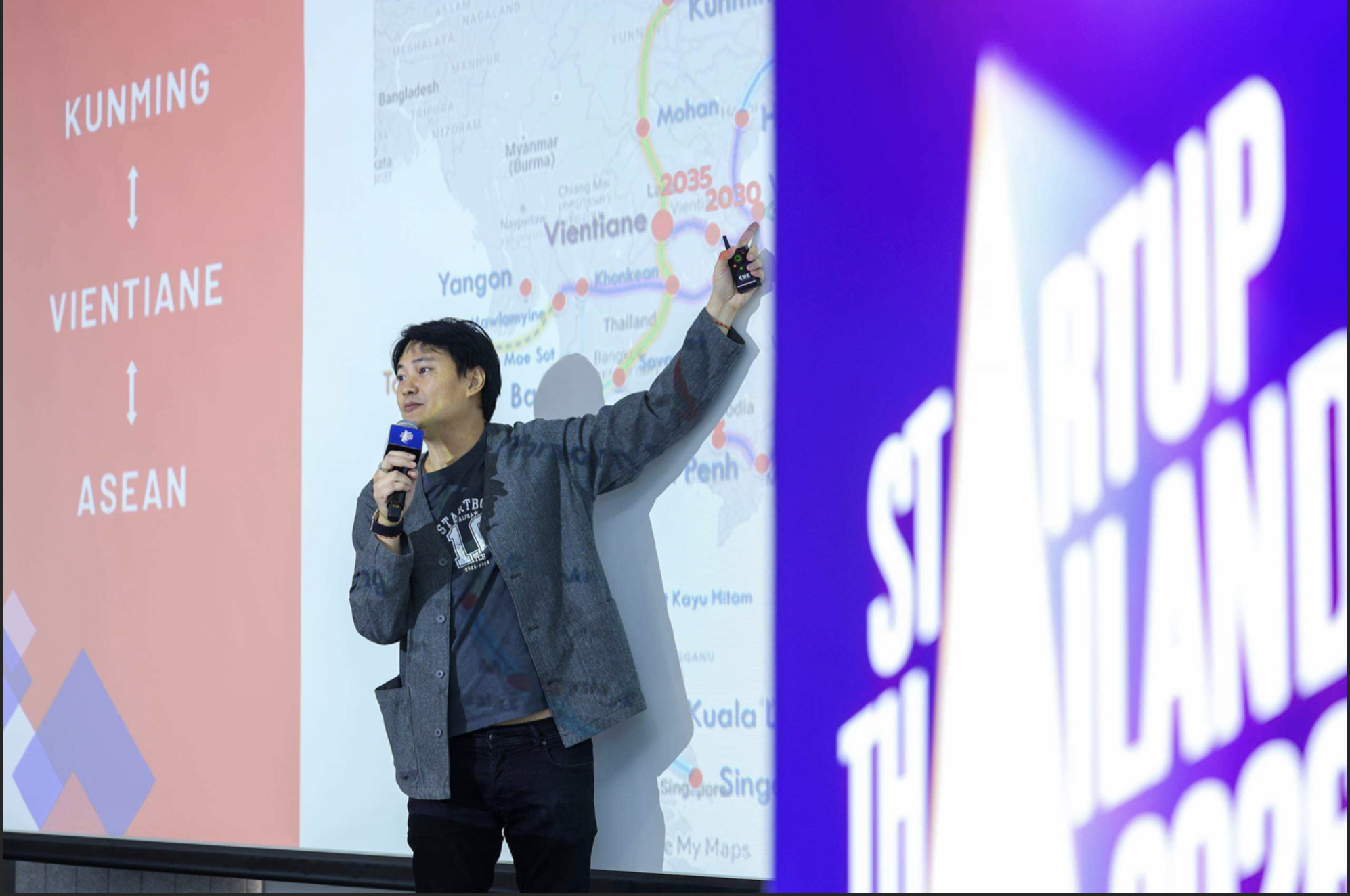
Geographic constraints historically presented severe challenges for Laos, as the lack of sea access translated into high transit costs and operational friction. Yet, its location at the crossroads of the Greater Mekong Subregion places it squarely between major consumer markets.
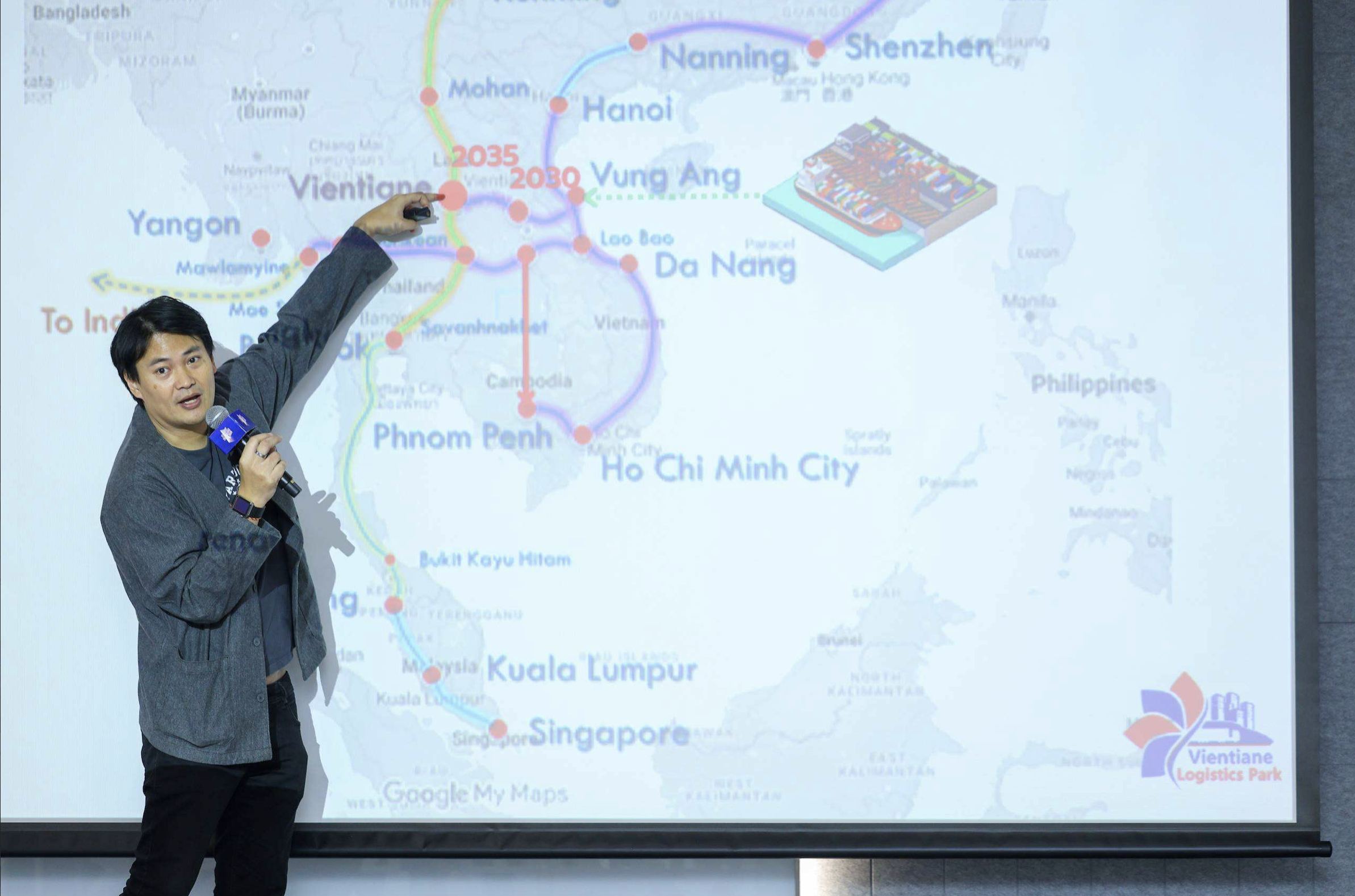
Strategic investments in road, rail, and logistics infrastructure are turning geographic barriers into a structural connectivity advantage. The integration of the Laos–China Railway with Thailand’s transport network positions Laos as a prime transit and distribution node between China and Southeast Asia. Positioned near the 1st Thai–Lao Friendship Bridge, the Thanaleng Dry Port serves as a critical rail-road intermodal linkage.
Evaluating Laos today requires looking beyond its domestic population. Its principal strength lies in its role as a regional gateway.
Vientiane Logistics Park: Transforming Infrastructure into Innovation Hubs
Vientiane Logistics Park (VLP) serves as a cornerstone of the Lao national logistics strategy under a 50-year Public-Private Partnership (PPP) concession. Designed as a comprehensive, integrated logistics ecosystem, VLP incorporates:
- Logistics Park & Free Trade Zone
- Export Processing Zone
- Plant & Animal Quarantine Facilities
- Tank Farm
- Dedicated Technology & Halal Hubs
By covering end-to-end supply chain processes—importation, inspection, warehousing, processing, and re-export—VLP presents operational pain points at every step. Each node offers a clear entry point for technological optimization. For tech ventures, VLP provides a live, real-world testing ground to demonstrate practical solution viability.
Thanaleng Dry Port: Connectivity in Action
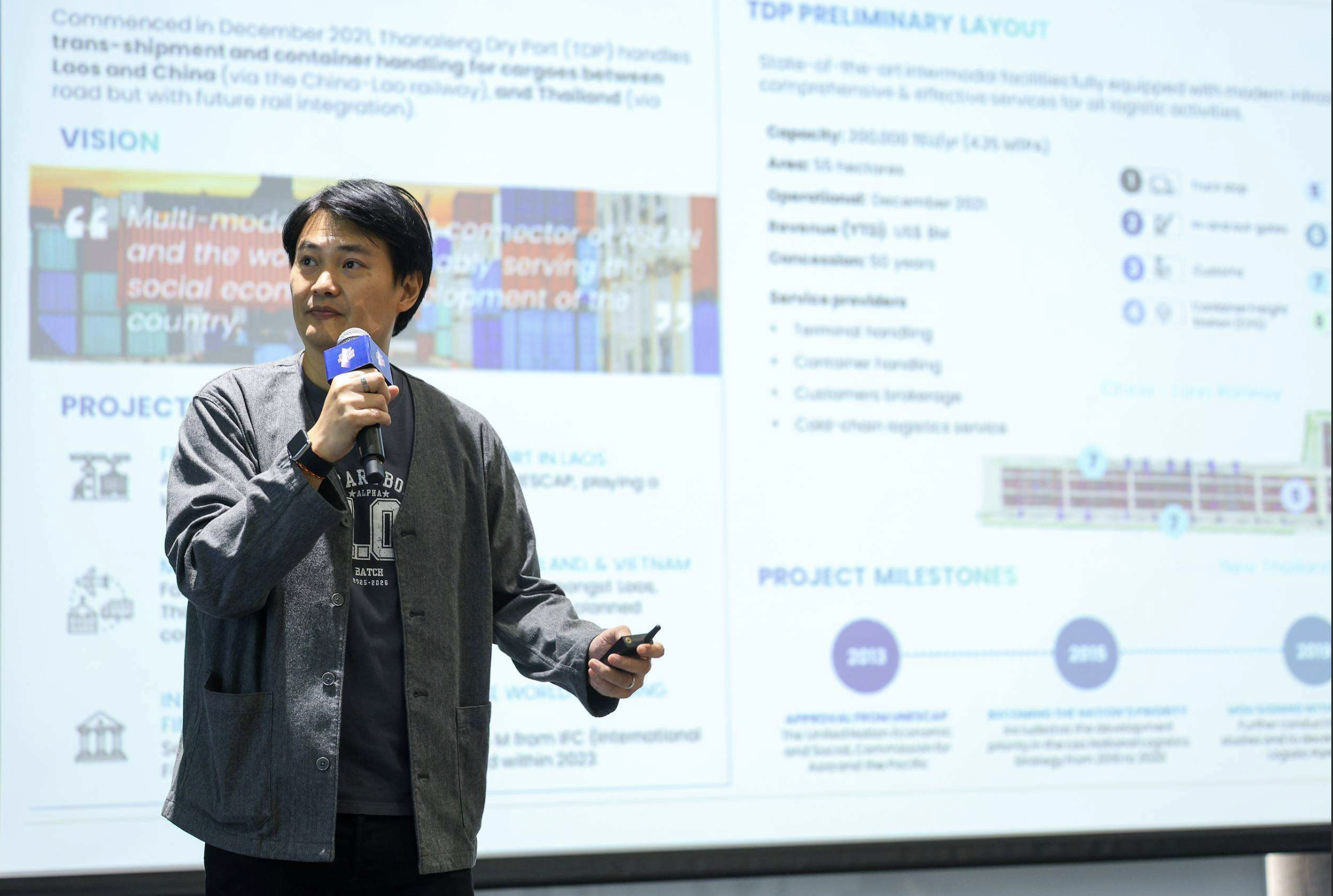
If VLP represents the macro-ecosystem, Thanaleng Dry Port (TDP) functions as the operational engine executing cross-border transit. Classified as a UNESCAP Class 1 Dry Port, TDP facilitates import, export, and transit trade via integrated rail-road links.
Equipped with container yards, rail sidings, warehouse space, Terminal Operating Systems (TOS), and on-site regulatory services (Customs, Quarantine, Fumigation, and Certification), TDP unifies fragmented operational workflows. This centralized environment allows digital solutions to drive tangible improvements in speed, accuracy, safety, and data governance.
From Logistics Facilities to Innovation Testbeds
For technology companies, VLP and TDP offer ideal environments for real-world deployment across several high-impact domains:
- AI & Predictive Analytics: Demand forecasting and route optimization.
- IoT & Cold Chain Sensors: Environmental and real-time cargo monitoring.
- Digital Traceability: End-to-end provenance and supply chain visibility.
- Smart Warehousing: Inventory management and space optimization.
- Trade Facilitation: Digital customs, carbon tracking, and ESG compliance platforms.
Startups do not need full-scale deployment from day one. Developing targeted Proofs of Concept (PoCs) allows teams to measure business impact—reducing operational costs, boosting throughput, and mitigating risks—before scaling commercially.
NIA x Startbox – Laos: Bridging Ecosystems to Real Demand
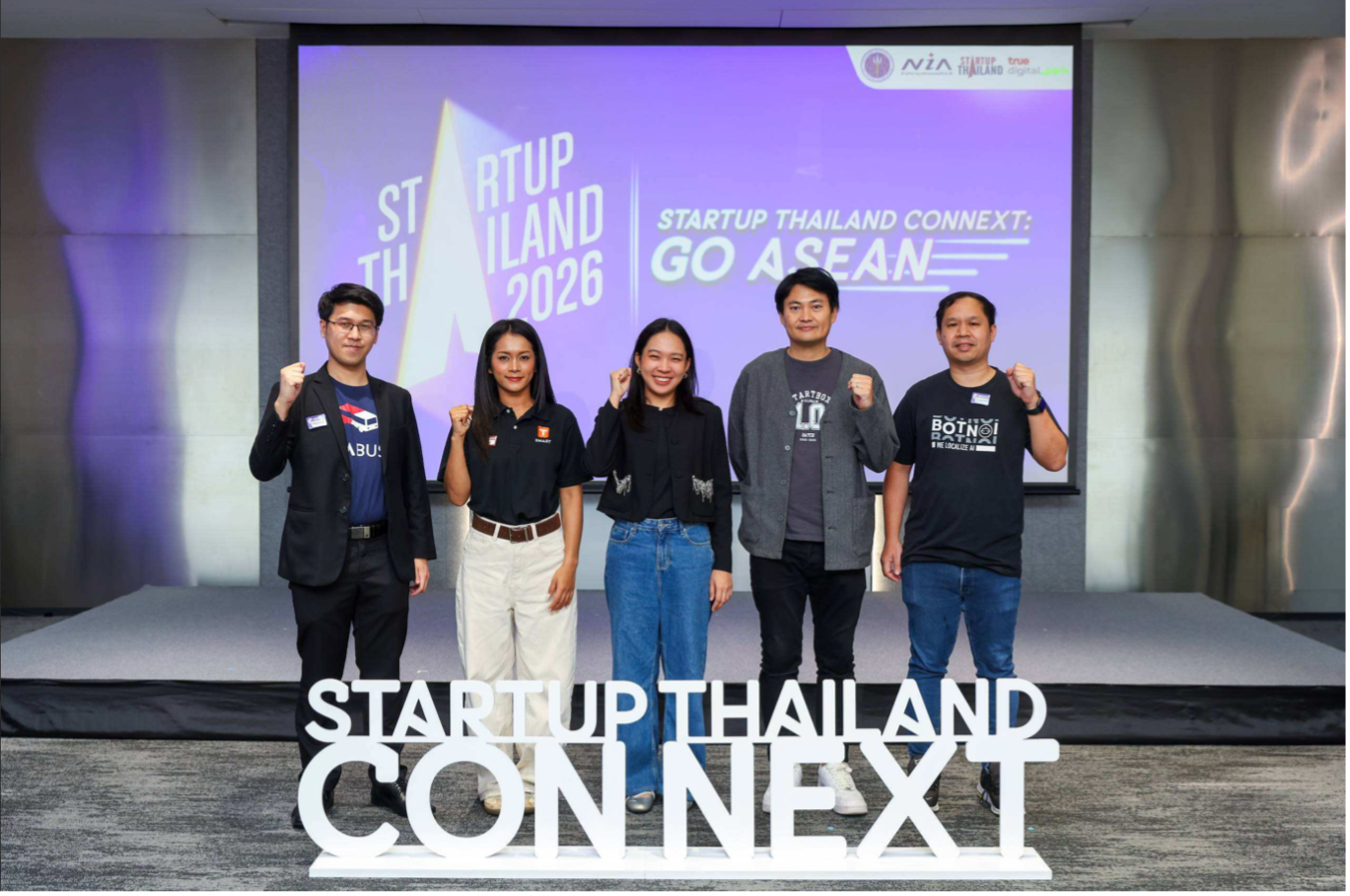
Announced at SITE 2026, the partnership between Thailand’s National Innovation Agency (NIA) and Startbox – Laos, led by CEO Rungsun Promprasith, underscores a deliberate strategy to link Thai innovation with actionable regional demand.
Global expansion efforts must move past casual business matching toward deep ecosystem engagement. Within this partnership model:
- NIA & Ecosystem Partners open doors and clear market access pathways.
- VLP provides the physical testbed and operational use cases.
- Corporate Partners absorb validated PoCs for enterprise-wide implementation.
This framework shifts internationalization from mere market entry to a structured journey: Explore, Connect, Pilot, Prove, and Scale.
Supply Chain Integrity: Insights from Thai Agricultural Exports
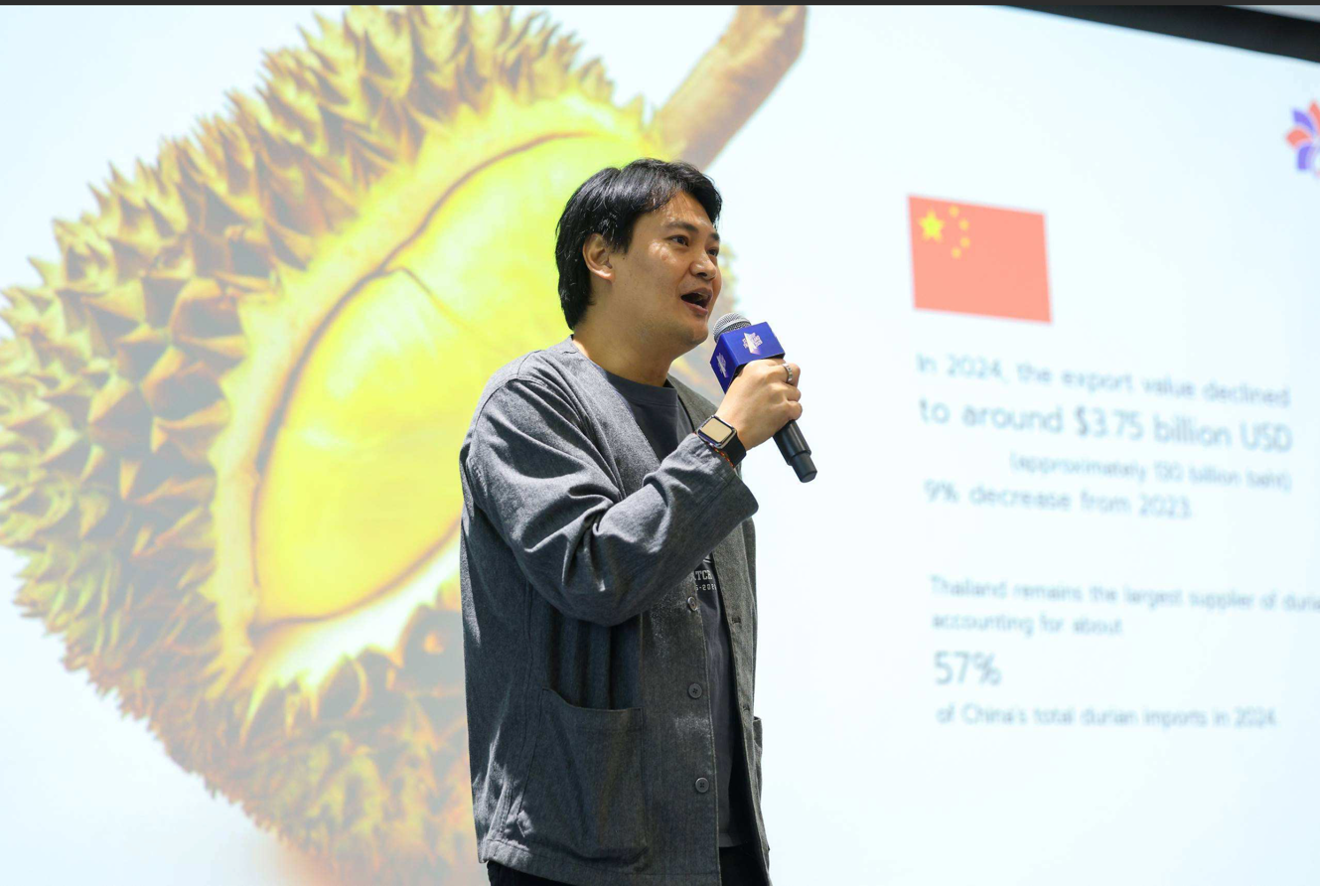
Agricultural export logistics highlights the critical role of end-to-end quality assurance. While Thailand produces high volumes of agricultural goods, market competitiveness hinges heavily on supply chain management. Issues like contamination or regulatory delays—as seen in past durian export challenges—can impact full shipments and disrupt market trust.
Addressing these bottlenecks requires continuous, verifiable data across the entire transit lifecycle. Technologies that provide transparent, tamper-proof tracking turn routine transit into trusted trade.
AgriTech and FoodTech Potential in Trade Quarantine
VLP’s Plant and Animal Quarantine Zone, alongside TDP’s One-Stop Certification service, offers specialized opportunities for targeted technologies:
- AgriTech: Automated quality inspection and rapid testing tools.
- FoodTech: Compliance platforms and processing quality control.
- Cold Chain Tech: Real-time thermal tracking for perishable goods.
- Traceability Platforms: Secure digital logging from source to buyer.
These specialized facilities allow tech providers to inject long-term value directly into regional agricultural supply chains.
Unlocking Broader Markets Through Strategic Connectivity
Direct integration with the Laos–China and Laos–Thailand railway lines positions TDP as a vital trade gateway linking East Asia with Southeast Asia. Streamlined Sanitary and Phytosanitary (SPS) processing further simplifies cross-border agricultural trade.
For tech ventures, Laos offers a low-friction entry point to build, test, and refine operational business models before expanding into larger, more complex markets like China and Vietnam.
Pragmatic Expansion: Scaling Responsibly
Entering new regions does not require immediate, capital-intensive infrastructure or entity setups. Teams should prioritize identifying specific operational pain points, securing local partners, and running lean pilot programs. Validating ROI on a modest scale lowers initial exposure and builds a clear path toward commercial expansion.
Incentives Support Growth, but Fit Drives Success
Investments in VLP benefit from fiscal incentives under Lao Prime Minister’s Decree 188, including corporate tax holidays ranging from 8 to 16 years, reduced long-term tax rates (6.5%), and selective VAT exemptions on capital equipment.
While favorable policies reduce financial risk, true long-term enterprise value rests on strong Product-Market Fit. Robust infrastructure creates the stage, but solving acute enterprise pain points determines commercial longevity.
A Proving Ground Before Regional Scale
Laos may not be the primary target for every business model. However, for companies operating in Logistics, Supply Chain, AgriTech, FoodTech, Climate Tech, AI, IoT, and Enterprise SaaS, the country offers an active operational arena.
Vientiane Logistics Park is rapidly evolving beyond a traditional transport hub into a regional innovation testbed. For Thai tech ventures, the broader GO ASEAN vision is not simply about exporting products—it is about connecting, testing, proving value, and scaling alongside an expanding trade network. As Laos transitions from land-locked to land-linked, Vientiane stands ready as a vital launchpad for long-term regional growth.