
Startup Thailand Connext:
Scaling with AI
Charting Thailand’s AI Roadmap and Decoding the B2B Startup Playbook for the “Co-Pilot” Era
Artificial Intelligence (AI) is no longer a technology of tomorrow—it has become today’s indispensable co-pilot. Across industries, AI is transforming how organizations analyze data, make strategic decisions, streamline operations, and unlock entirely new business opportunities.
As this technological shift accelerates, entrepreneurs are asking increasingly important questions: How should Thai businesses adapt to the AI era? How can startups leverage AI to achieve sustainable growth? And what role does the public sector play in building an ecosystem that empowers innovation?
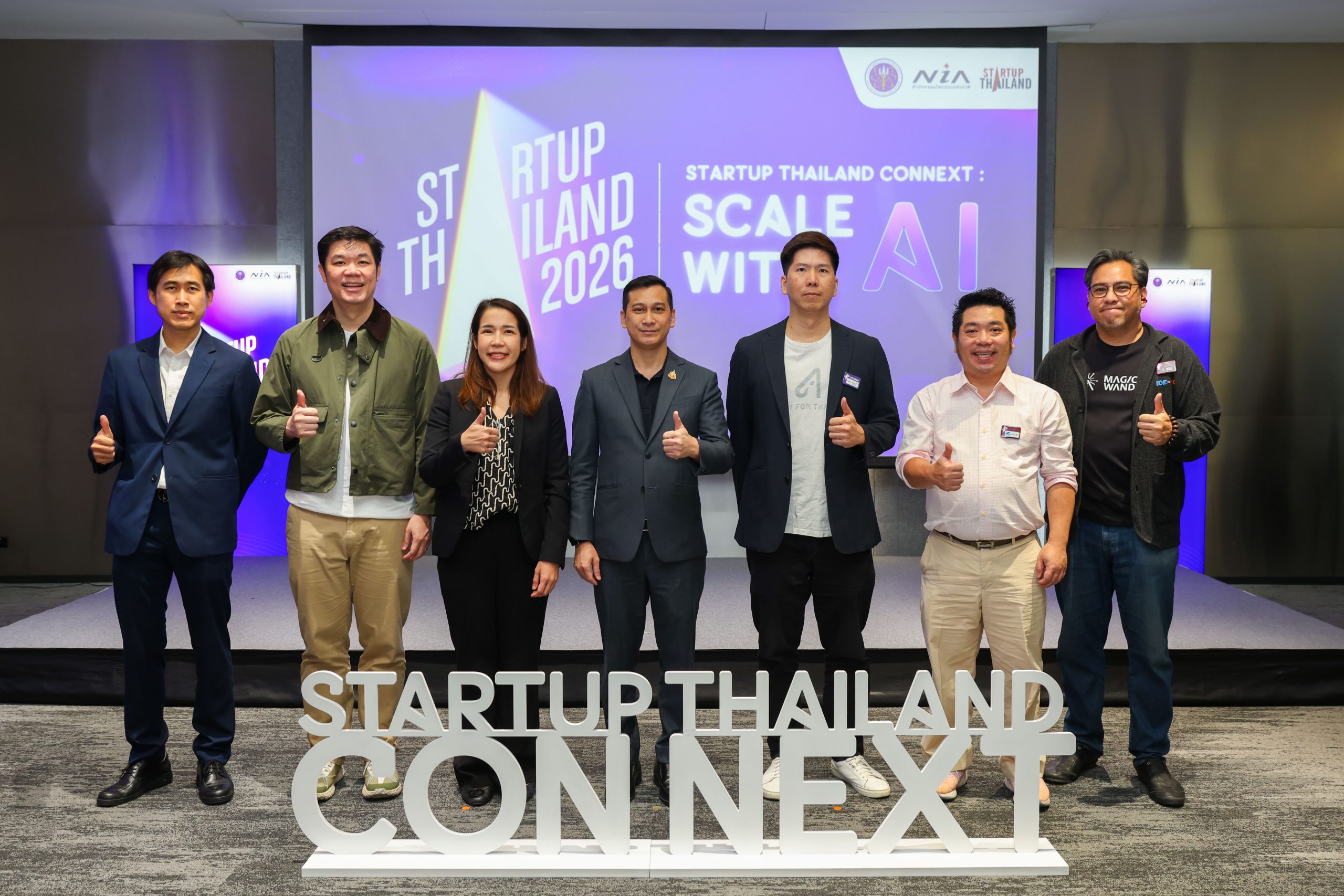
These questions took center stage at “Startup Thailand Connext: Scale with AI,” organized under the Global Startup Hub initiative by the National Innovation Agency (Public Organization) (NIA). Bringing together policymakers, technology experts, and successful founders, the event explored two defining themes: Thailand’s AI future and practical lessons from startups that have successfully penetrated the enterprise (B2B) market.
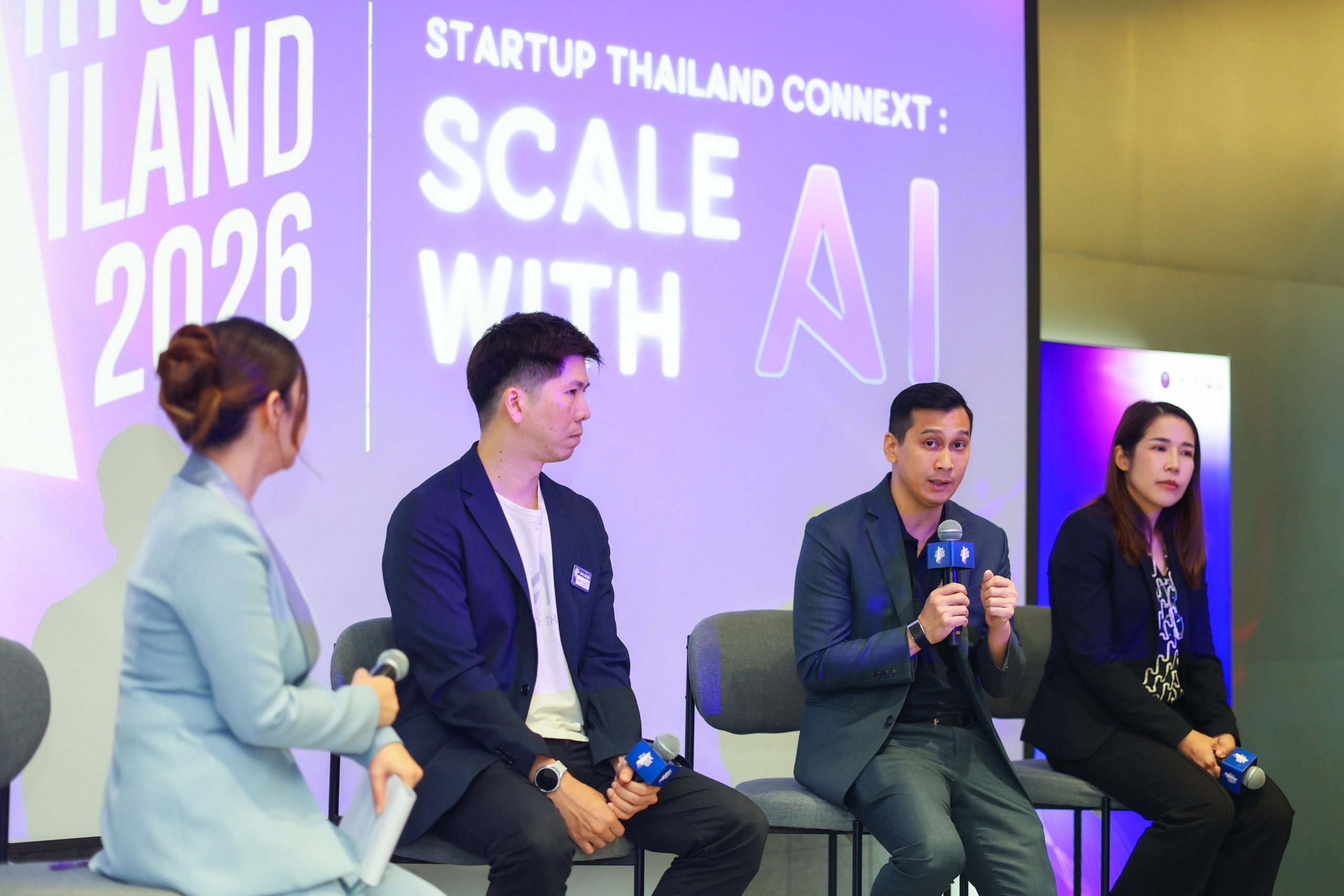
Thailand’s AI Forward: Building the Foundation for Tomorrow’s AI Ecosystem
The session “Thailand’s AI Forward: Opportunities for Thai Businesses in the AI Era and Government Support”brought together leading voices driving Thailand’s AI agenda:
- Pariwat Wongsamran, Deputy Executive Director for Innovation System, National Innovation Agency (Public Organization) (NIA)
- Chaianan Damrongrat, Researcher, AI Enhancement Research Team, Artificial Intelligence Research Group, National Electronics and Computer Technology Center (NECTEC)
- Dr. Sithon Kulradathon, Acting Director of Policy and Strategy, Digital Economy Promotion Agency (depa)
A key discussion centered on Thailand’s strategic position within the global AI value chain.
While advanced AI chips, computing infrastructure, and frontier foundation models continue to be dominated by global technology giants, Thailand possesses a distinct competitive advantage in one critical area: applying AI to solve real-world business and industry challenges.
This opportunity lies in Thailand’s deep understanding of local contexts and industry-specific expertise—advantages that cannot easily be replicated elsewhere.
At the heart of this opportunity is localized data.
Whether in healthcare, manufacturing, agriculture, or other sectors, Thailand possesses rich domain-specific datasets that serve as valuable and defensible assets. These datasets provide the foundation for developing AI solutions tailored to local challenges—from assisting physicians with clinical diagnosis and optimizing factory production processes to enabling precision agriculture through data-driven decision-making.
Government agencies are also strengthening the ecosystem through coordinated support mechanisms that extend beyond funding.
NIA provides innovation grants while connecting startups with investors and international market opportunities.
NECTEC contributes essential AI infrastructure, including data platforms, high-performance computing resources, and open Thai-language large language models that businesses can build upon.
Meanwhile, depa accelerates AI adoption through digital transformation initiatives, tax incentives, certification frameworks, and market development programs that help Thai enterprises commercialize innovation.
Together, these complementary efforts demonstrate a shared national commitment to building an AI ecosystem that enables startups and businesses to innovate, scale, and compete globally.
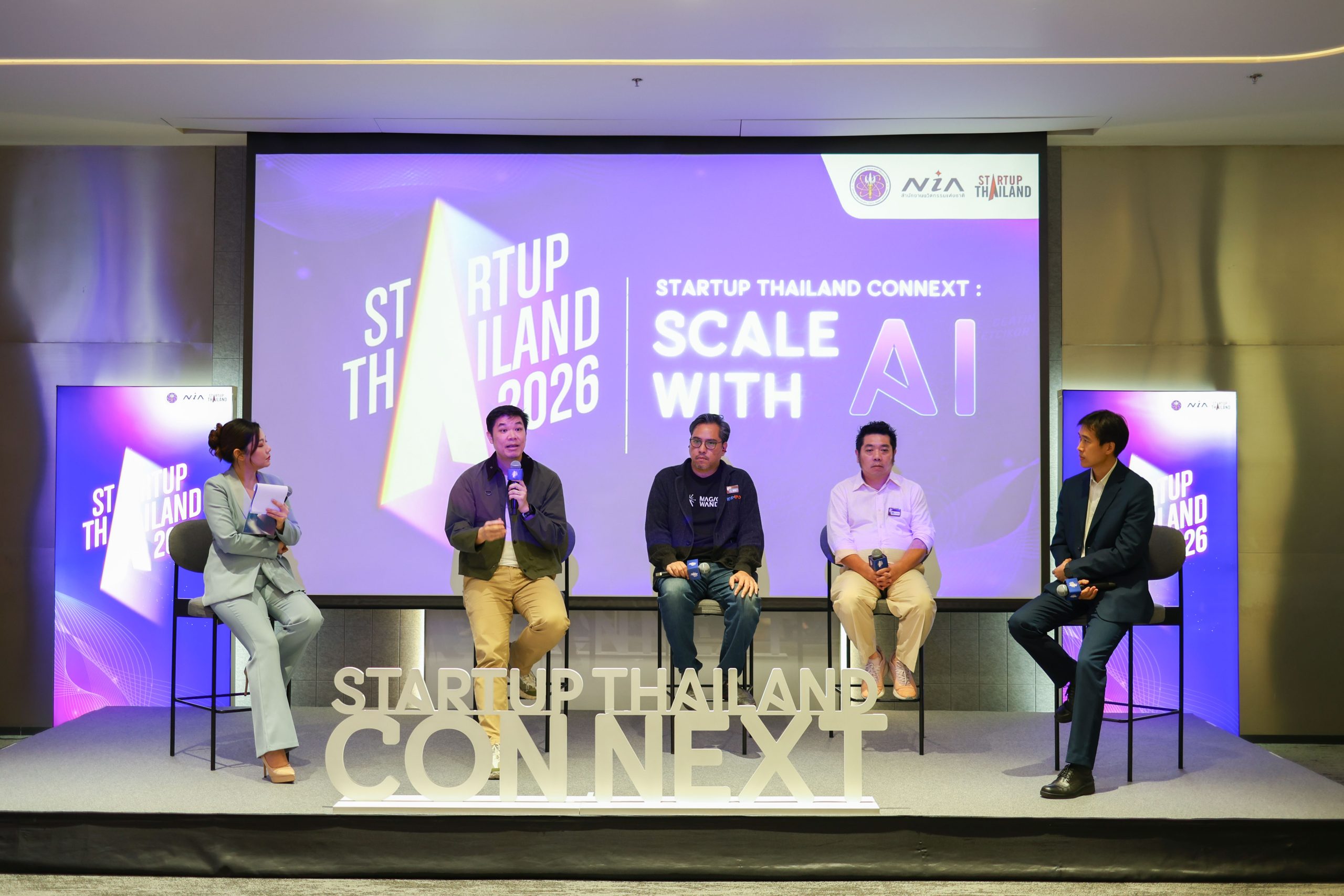
B2B: How to Unlock Access to Corporate
If the first session painted the strategic landscape, the second offered something equally valuable: firsthand experiences from founders navigating the realities of selling technology to large enterprises.
The panel featured four accomplished Thai startups:
- Vee Sirasoontorn, Co-founder & CEO, Primo
- Choak Visavayodhin, CEO, MagicwandAI
- Teeravee Sirinapasawasdee, CEO, Thai Cloud
- Tavatchai Engbunmeesakul, CEO, Bot and Life
Although each company operates in different sectors, they shared a common insight.
Enterprise sales are rarely won by technology alone.
They are earned through trust, a deep understanding of customer challenges, and the ability to deliver measurable business outcomes.
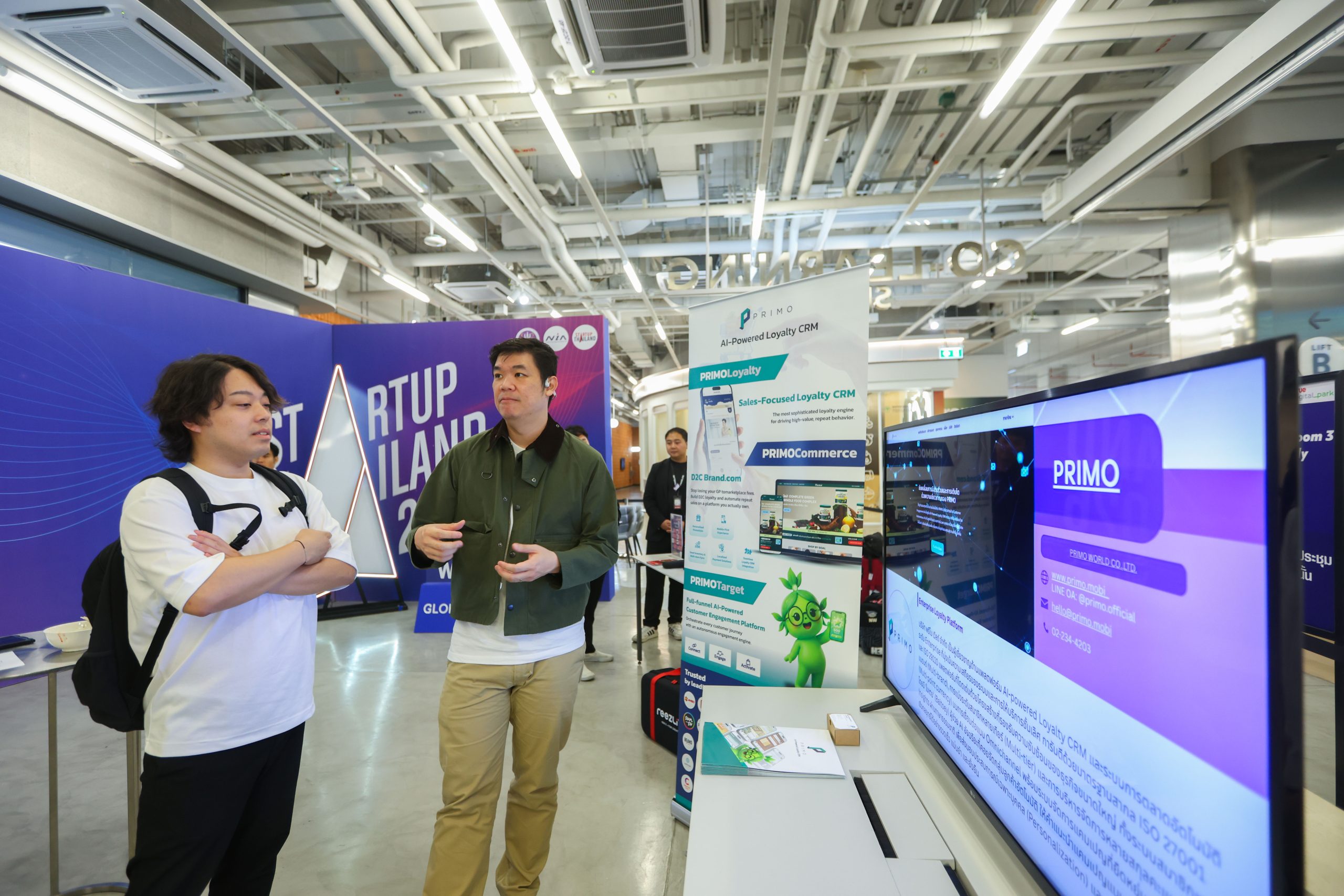
Primo: Timing Can Be as Important as Innovation
Vee Sirasoontorn reflected on Primo’s journey in building its loyalty platform, emphasizing that securing its first enterprise client was not simply a matter of luck—it was about recognizing the right market timing.
Primo partnered with the 1 at a pivotal moment when the organization was seeking new collaborators to expand its loyalty ecosystem beyond its traditional business network. By offering a solution that aligned precisely with this strategic transition, Primo successfully positioned itself as the ideal partner.
Another key lesson was that in the AI era, software alone is no longer enough.
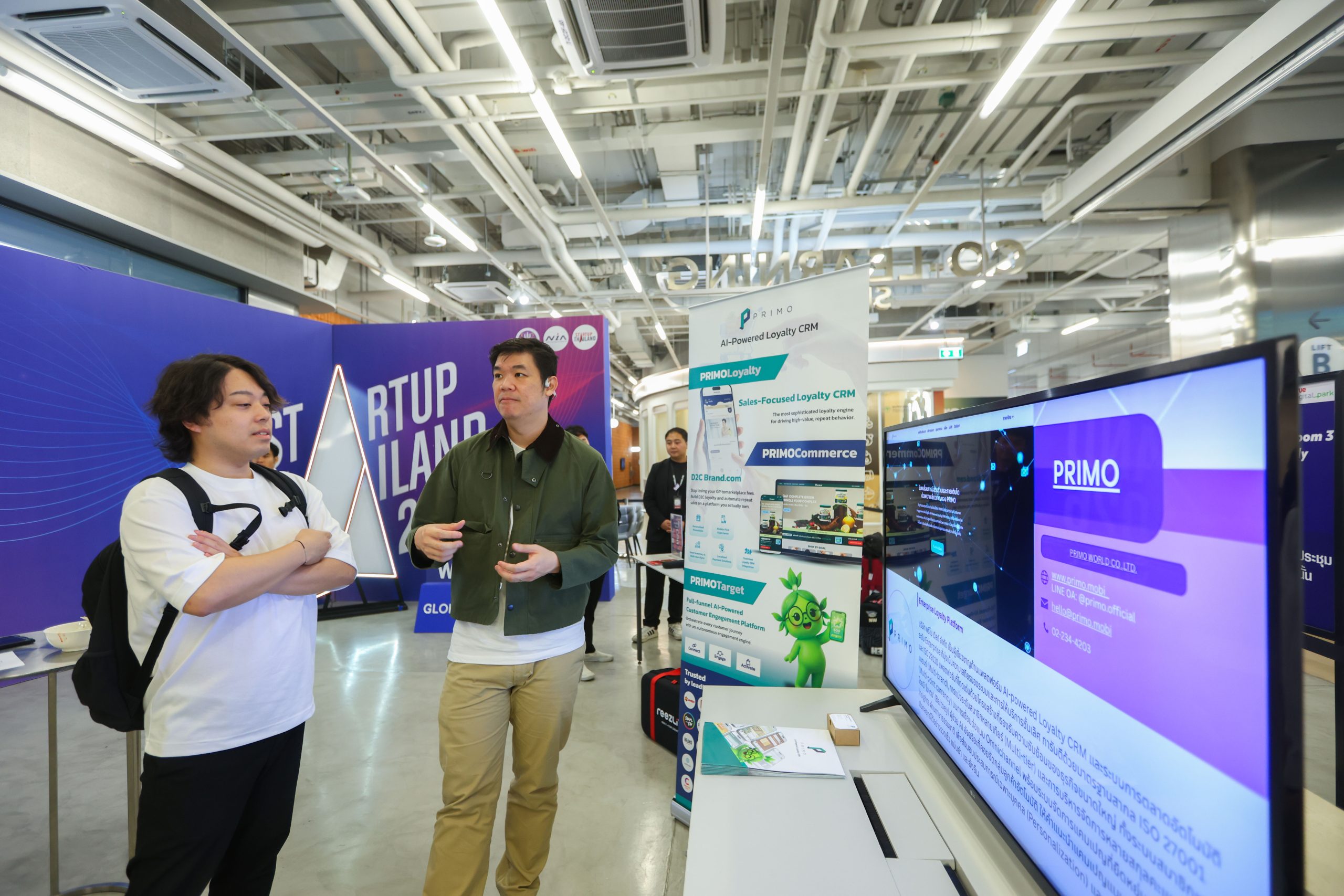
Primo has integrated AI capabilities to analyze customer behavior and automatically generate marketing insights, enabling marketers to make faster, more informed decisions.
As Veer summarized:
“Data only becomes valuable when it can be transformed into better business decisions.”

MagicwandAI: Founders Build Credibility Before Brands Do
For Choak Visavayodhin, the greatest challenge facing early-stage startups is establishing credibility before they have established customer references.
When case studies are limited, founders themselves become the strongest proof of value. Their expertise, experience, and commitment must convince customers that measurable results are achievable.
MagicwandAI strategically partnered with organizations that maintain substantial marketing budgets, demonstrating how AI could optimize media management and significantly reduce advertising costs. Once tangible business outcomes were achieved, credibility naturally followed.
Chok also highlighted another defining characteristic of today’s AI landscape: speed.
Rather than building every component from scratch, startups should leverage existing AI tools and platforms to accelerate product development and shorten time-to-market.
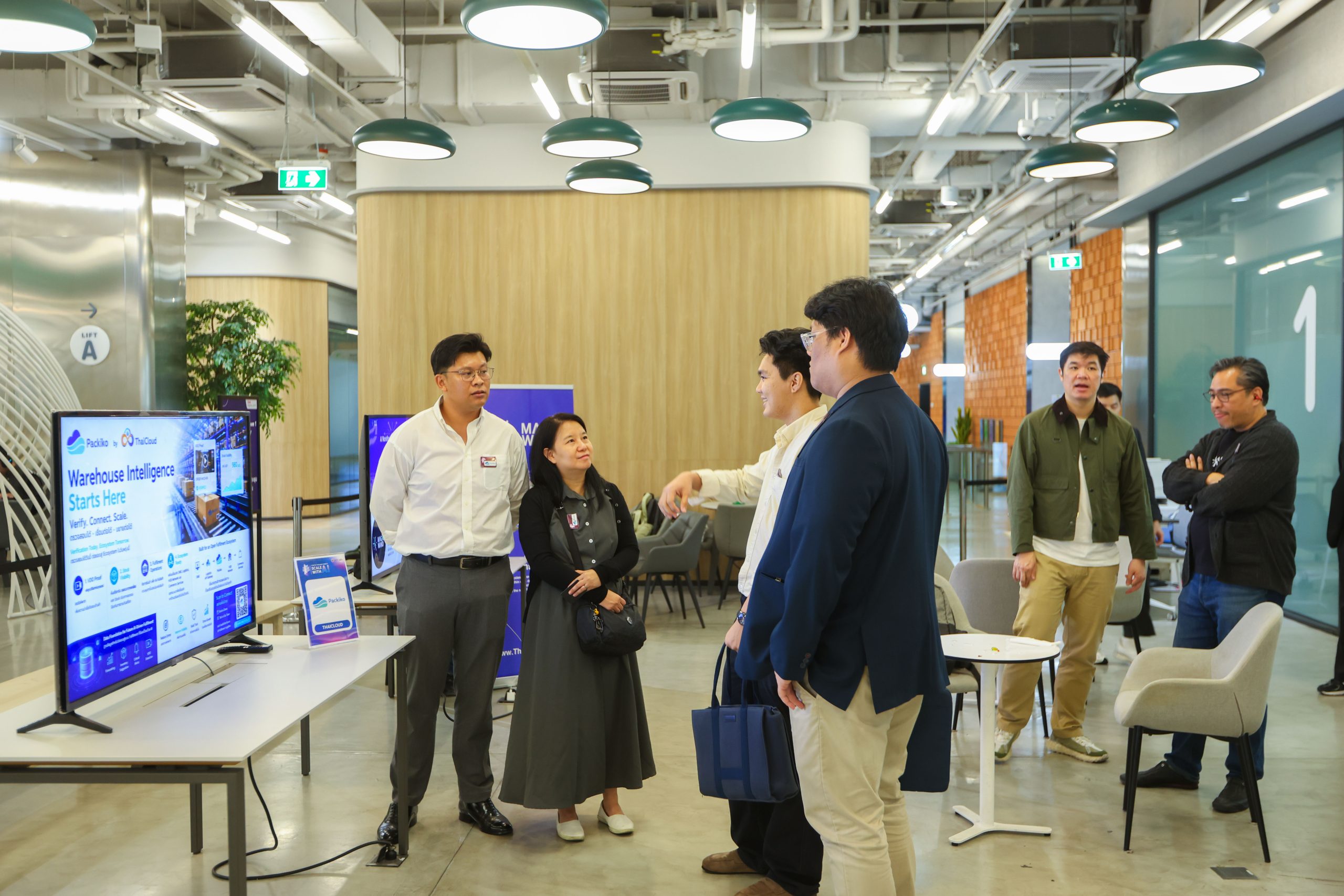
Thai Cloud: Sell Business Outcomes, Not Technology
Teeravee Sirinapasawasdee shared how Thai Cloud secured enterprise contracts even before the company had been formally incorporated.
Its advantage did not come from showcasing technology alone but from deeply understanding warehouse management systems and complex back-office operations.
Instead of discussing product features, Thai Cloud focused conversations on the financial consequences of inefficient inventory management, operational bottlenecks, and order processing errors.
By engaging directly with decision-makers—particularly finance and accounting executives—the company was able to clearly connect its solutions to measurable business value.
His core message was simple yet powerful:
“Don’t sell features. Sell the outcomes your customers want to achieve.”
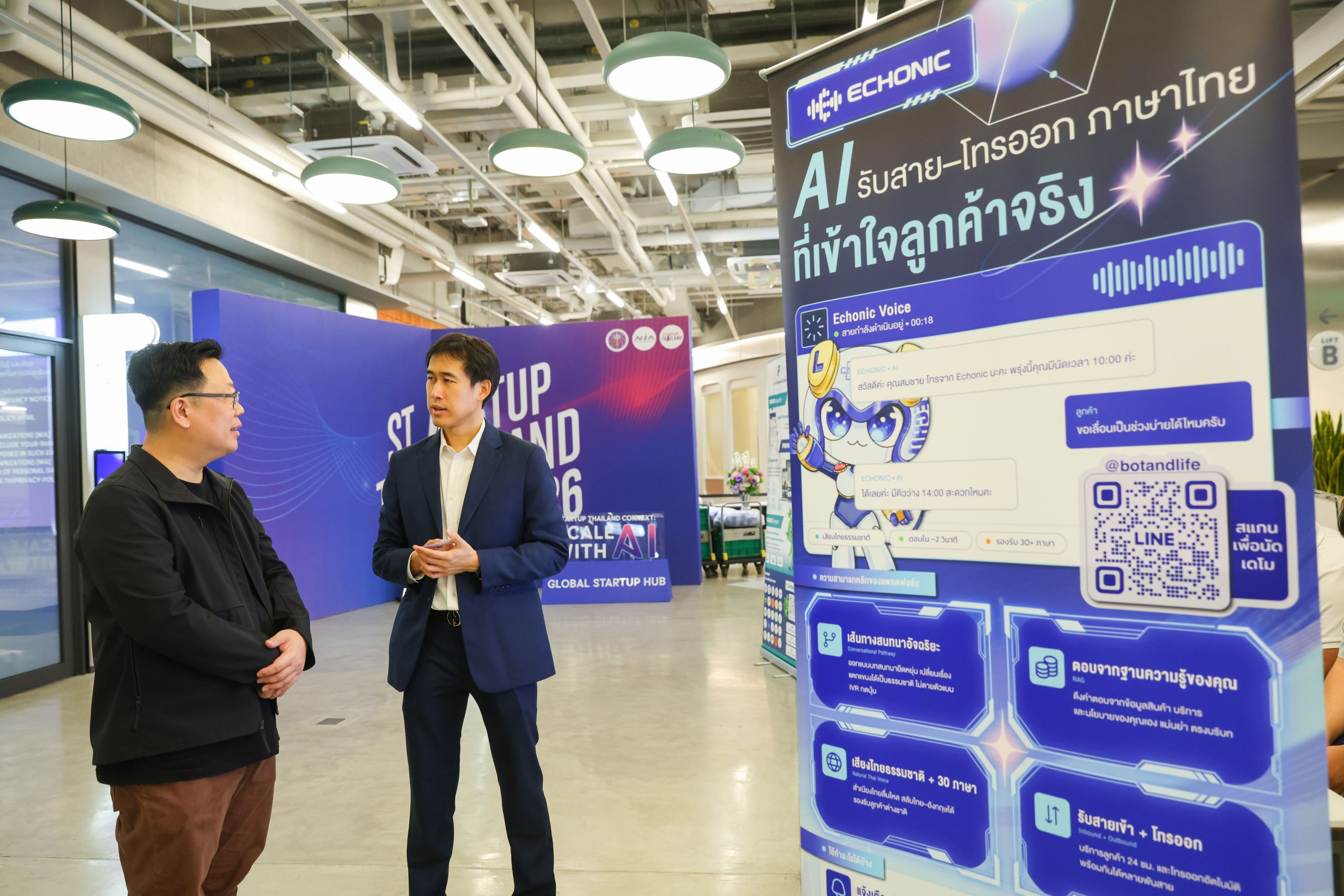
Bot and Life: Commitment Creates Lasting Partnerships
Tavatchai Engbunmeesakul explained that building AI assistants for large enterprises often requires far more than technical excellence.
Winning long-term partnerships depends on a team’s willingness to work alongside customers, solve problems on-site, and continuously refine solutions until they deliver meaningful results.
This dedication builds trust that extends well beyond a single project and often leads to expanded collaborations.
He also stressed the importance of carefully studying competitors and identifying unresolved pain points within the market—opportunities that can become the foundation for future innovation.
Contract. Cash. Customer.
Three Essentials for Startup Resilience
Despite rapid technological change, the panel agreed that business fundamentals remain the cornerstone of sustainable growth.
Successful startups consistently excel in three areas:
Contract
Enterprise procurement processes are often slower and more complex than expected. Well-structured contracts and clear commercial agreements are essential for protecting business interests and managing operational risk.
Cash
Disciplined cash flow management remains critical. Founders must understand their financial position at all times and maintain sufficient runway to navigate uncertainty.
Customer
Ultimately, customer success is the strongest growth engine. Satisfied customers become trusted references, compelling case studies, and long-term partners who help unlock future business opportunities.
AI Is Not a Wave to Escape—It Is an Opportunity to Embrace
The defining message from Startup Thailand Connext: Scale with AI was unmistakable.
Artificial Intelligence is no longer simply another technological advancement. It is fundamentally reshaping how businesses think, operate, compete, and create value.
While government agencies continue to strengthen the infrastructure, policies, and support mechanisms that will power Thailand’s AI future, entrepreneurs must simultaneously enhance their ability to apply AI effectively, understand customer needs more deeply, and remain agile in an increasingly dynamic marketplace.
Because in the age of AI, success will not necessarily belong to those with the most advanced technology.
It will belong to those who can harness AI to solve meaningful problems, deliver measurable outcomes, and create lasting value for their customers.