IPT2026-002 Global Startup Hub 2026-2

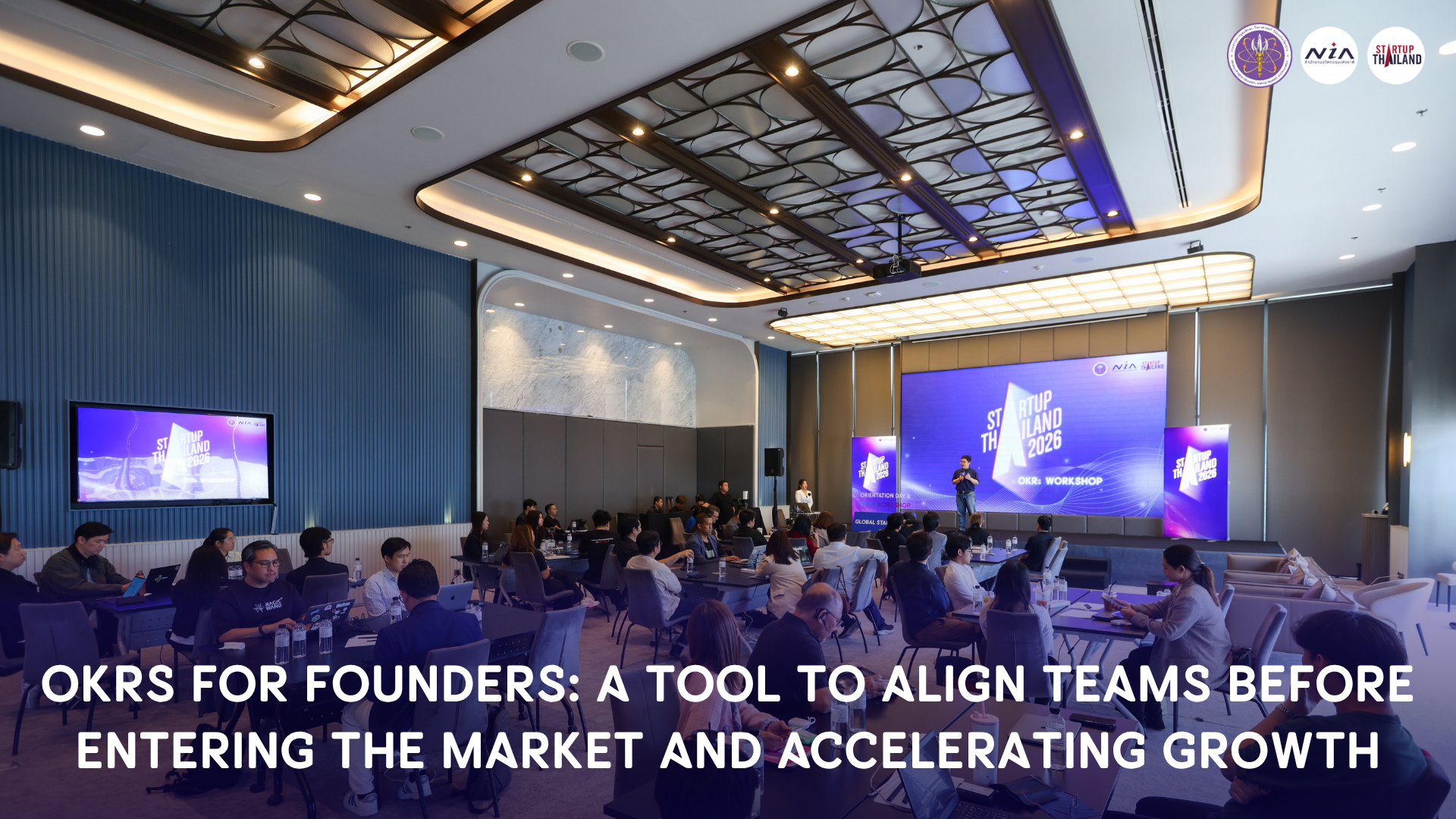
OKRs for Founders: A Tool to Align Teams Before Entering the Market and Accelerating Growth

OKRs for Founders: A Tool

to Align Teams Before Entering 

the Market and Accelerating Growth

Amid the ongoing crises over the past several years, including COVID-19, wars, and economic volatility, startup growth is no longer easy. Running a business today is filled with uncertainty, while the rise of AI has intensified competition even further, becoming both an “opportunity” and a “challenge” that pushes startups to adapt quickly and build advantages for survival.

In this context, having a tool that helps teams “focus on the right priorities” and “move in the same direction” is no longer optional, it is essential. One of the tools widely used by global tech companies is OKR (Objectives and Key Results).

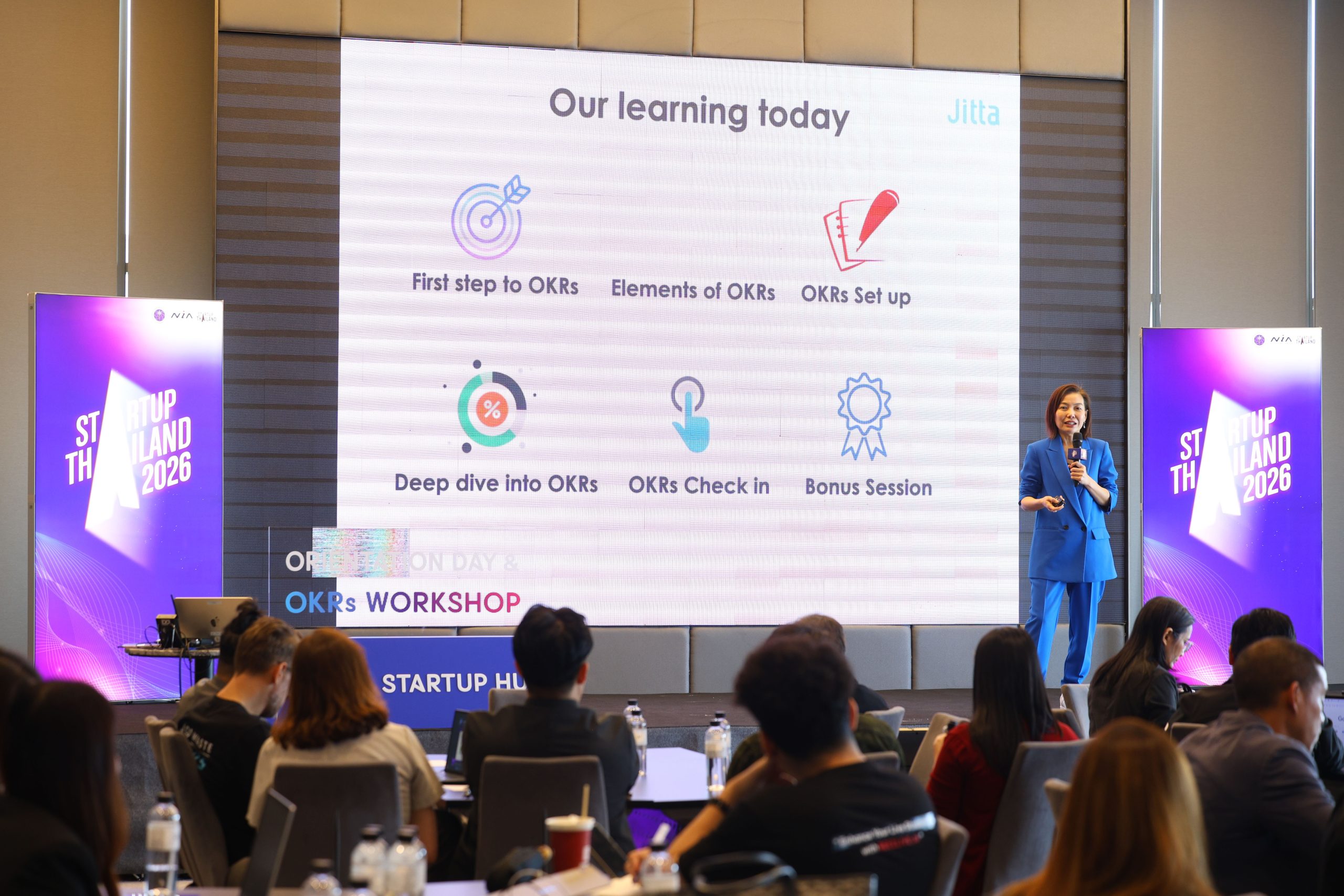
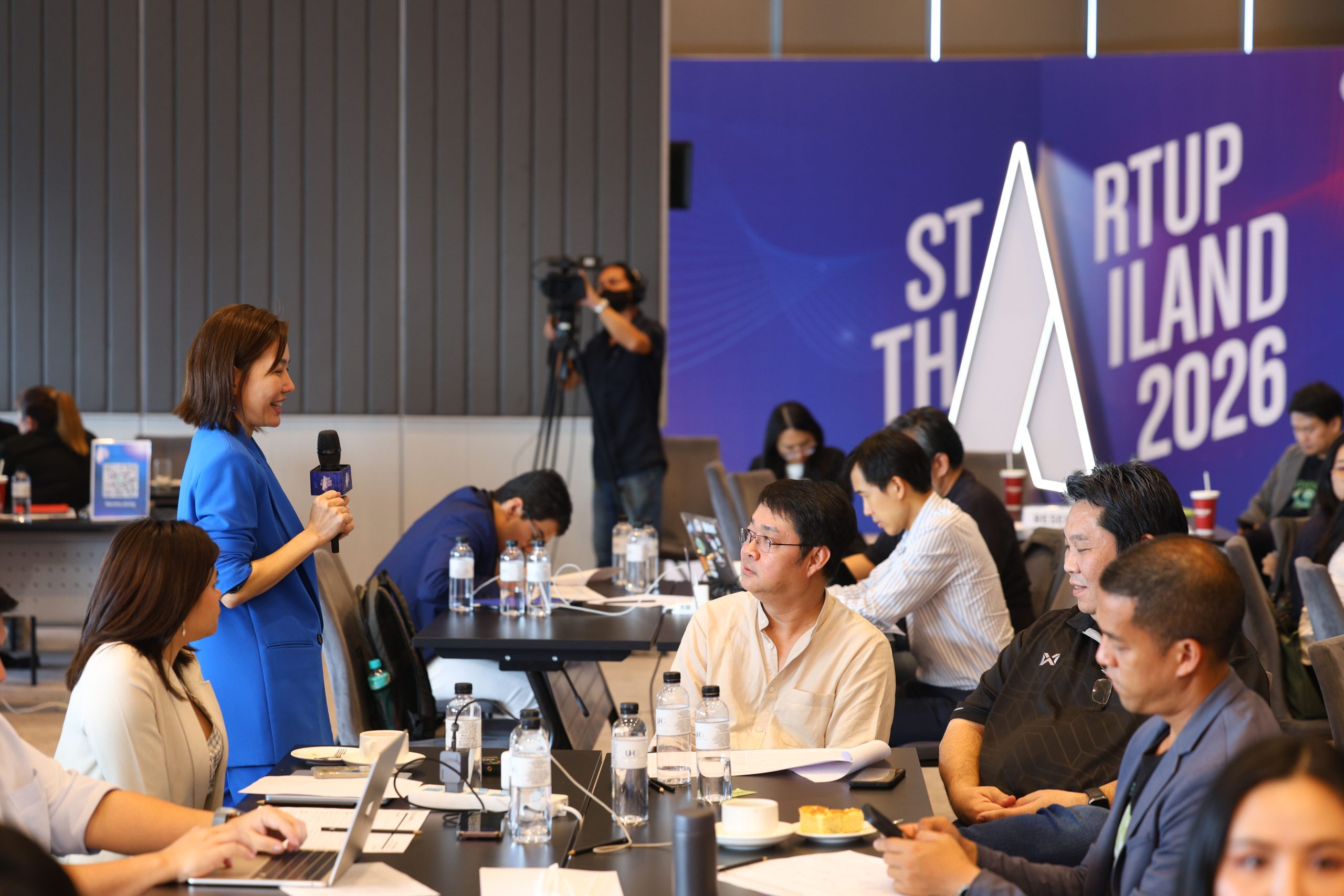
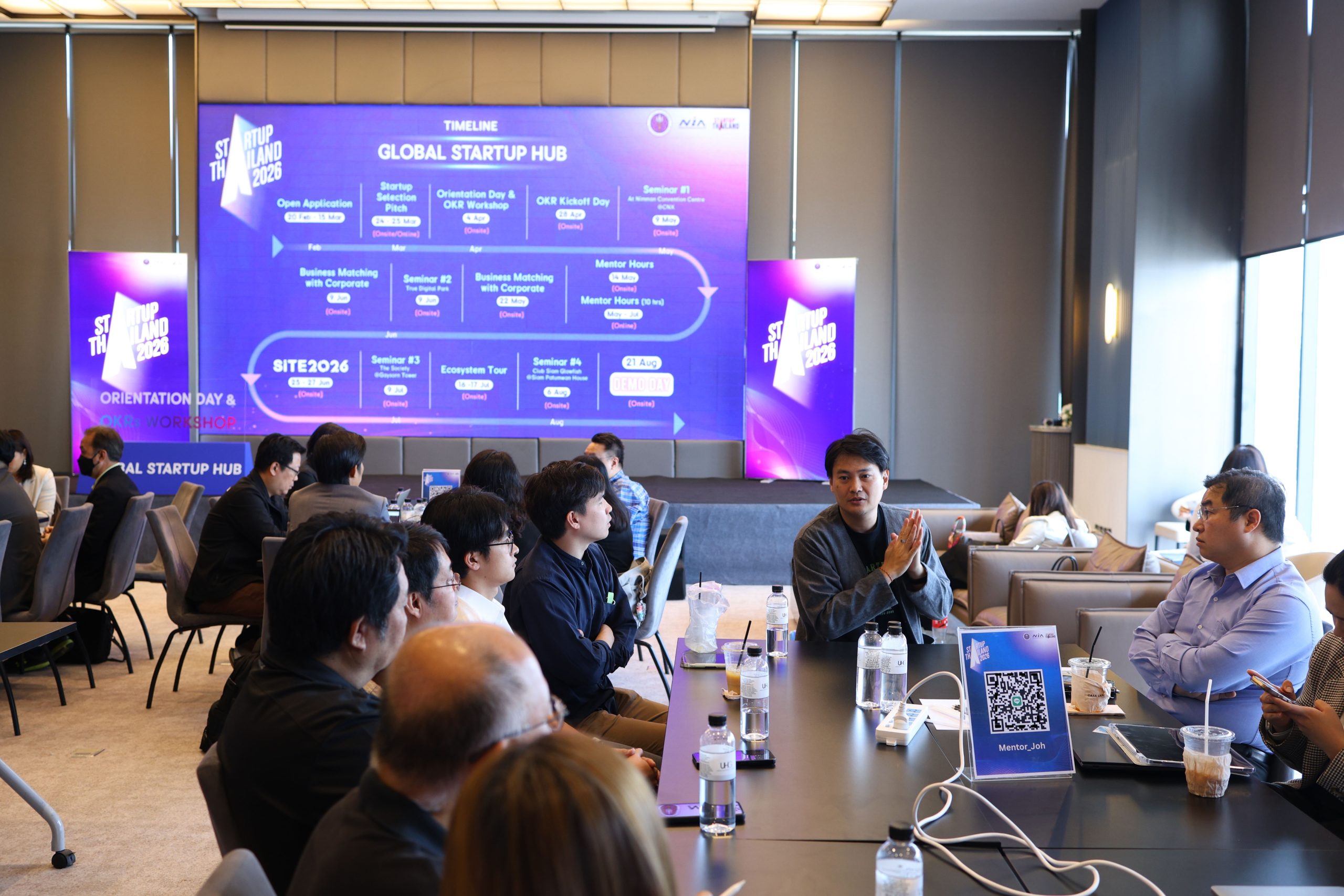
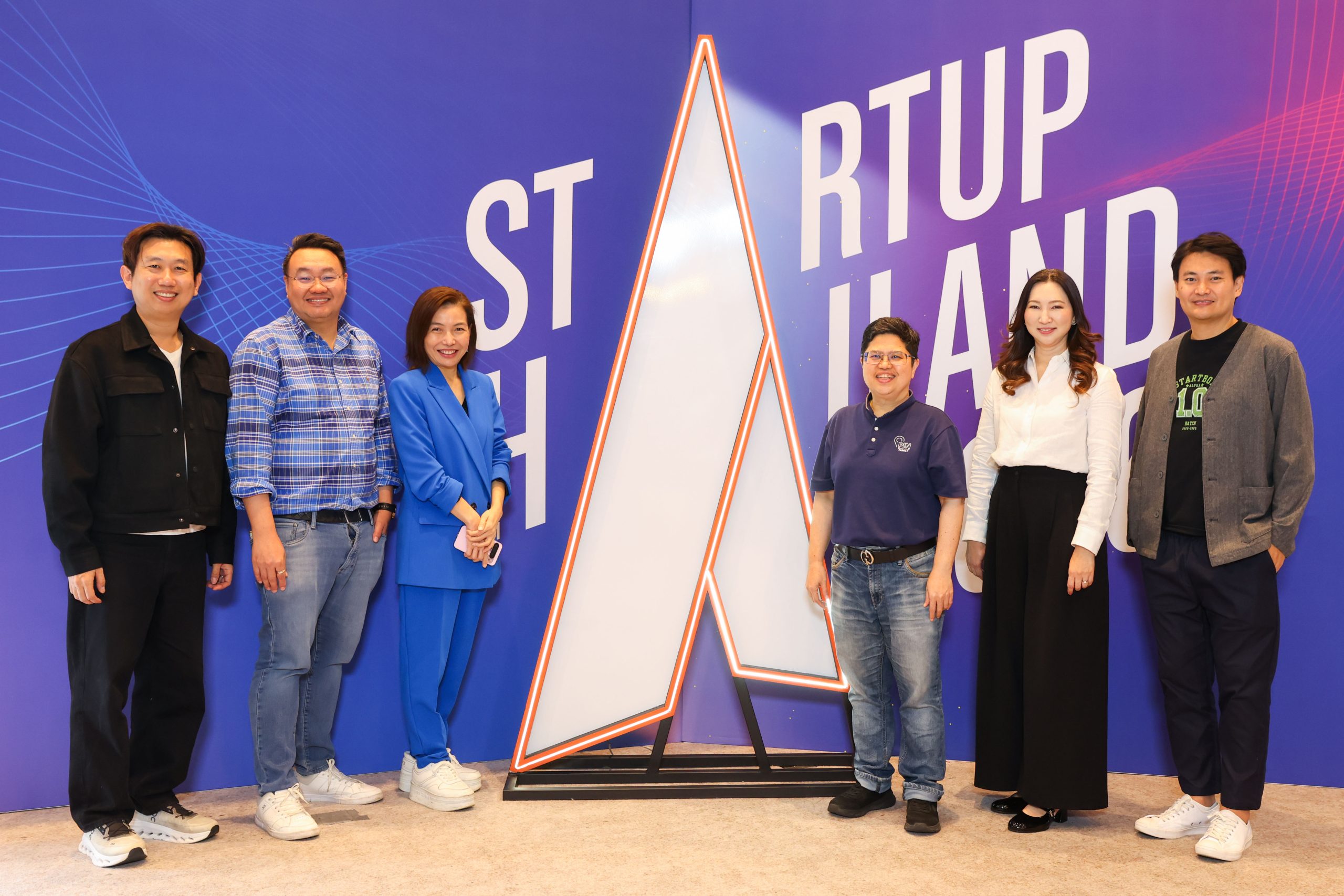
Ms. Pornthip Kongchun, Co-Founder of Jitta, one of the pioneers of Thailand’s first-generation startup founders, had the opportunity to learn OKRs directly from Google, at a time when only a few organizations worldwide had access to this concept. She has since shared this experience with more than 30 Thai startups through the Global Startup Hub 2026program, helping Thai entrepreneurs implement OKRs effectively and drive their businesses toward global growth.

OKRs, or Objectives and Key Results, are tools that help an entire organization “see the same goal” and move clearly in the same direction. Especially for startups that are growing or preparing to expand into new markets, having clear goals is not a luxury, it is a critical condition for growth. Many companies struggle because teams work hard without fully understanding what the organization is truly trying to achieve. OKRs solve this problem by transforming goals into clear, measurable outcomes that everyone can understand, track, and contribute to together.

Elements of OKRs

OKRs consist of two core components that must work together: Objectives and Key Results.

Objective is “what you want to achieve.” It is a clear, directional goal that motivates the team, such as becoming a market leader or expanding internationally. Objectives can be set for both the short and long term, but they must be clear, easy to understand, and inspiring enough to unite the team around a common purpose.

Key Results are the “measurable outcomes” that indicate how close the organization is to achieving the Objective. They answer the question: “How do we know we are moving in the right direction and getting closer to success?” Key Results must be clearly measurable, such as sales numbers, user growth, growth rates, or market share.

Most importantly, Key Results must reflect “outcomes,” not “activities.” For example, instead of setting “run a marketing campaign,” it should be reframed as “increase users by 30%,” because what organizations truly want are measurable results. In general, startups should have around 3–5 OKRs within a given period so teams can stay fully focused on the most important priorities.

OKRs SET UP

Setting effective OKRs is not just about writing attractive goals, it requires a clear structure and practical implementation.

The process should begin with defining annual goals and then breaking them down into quarterly objectives so progress can be tracked and adjustments can be made in response to business changes.

Another key factor is creating alignment within the organization, which must come from both Top-down (leadership setting direction) and Bottom-up (team participation), so everyone feels ownership of shared goals.

In practice, a single Key Result often requires collaboration across multiple teams, such as Marketing, Sales, and Customer Support. Therefore, clear and continuous communication is essential. Most importantly, OKRs must be translated into concrete Action Plans to ensure real execution.

DEEP DIVE INTO OKRs

One of the core concepts behind OKRs is setting “10X” or Moonshot goals, which are highly ambitious targets designed to drive breakthrough growth.

However, OKRs are not designed to be achieved at 100%, especially when goals are highly ambitious. Achieving around 70–80% is already considered excellent because it indicates the team is setting goals that are truly meaningful and challenging.

The concept of “Think Big, Start Small” is therefore important: think ambitiously, but start with what is realistically achievable, then continuously refine based on data and outcomes.

Another important point is “flexibility,” especially regarding Key Results, which can be adjusted according to circumstances. If a better approach is discovered, adapting is not failure, it increases the chances of reaching the ultimate goal.
OKRs CHECK-IN

Even the best OKRs are meaningless without consistent follow-up. Check-ins are team discussions focused on reviewing the progress of OKRs, with emphasis on “results” rather than just “tasks completed.” Being busy does not necessarily mean the team is getting closer to its goals. Check-ins should happen regularly, such as weekly or monthly, so problems can be identified and plans adjusted in time.

Equally important is building a culture of open communication, where teams can honestly discuss progress, challenges, and obstacles.

When practiced consistently, OKRs become more than just a management tool, they evolve into an “organizational operating system” that helps startups grow with clear direction.

.

Ultimately, OKRs are not merely a goal-setting tool; they are a mindset framework that helps startups “focus on what truly matters” and eliminate unnecessary distractions in a world where everything changes rapidly.

For startups seeking growth, do not wait for everything to become perfect before starting. Clarity does not come from thinking longer, it comes from “taking action, measuring results, and adapting quickly.”

In the startup game, the people who go farthest are not simply those with the best ideas, but those who “set clear goals, measure real outcomes, and lead their teams in the same direction.”

Tags: No tags

Comments are closed.