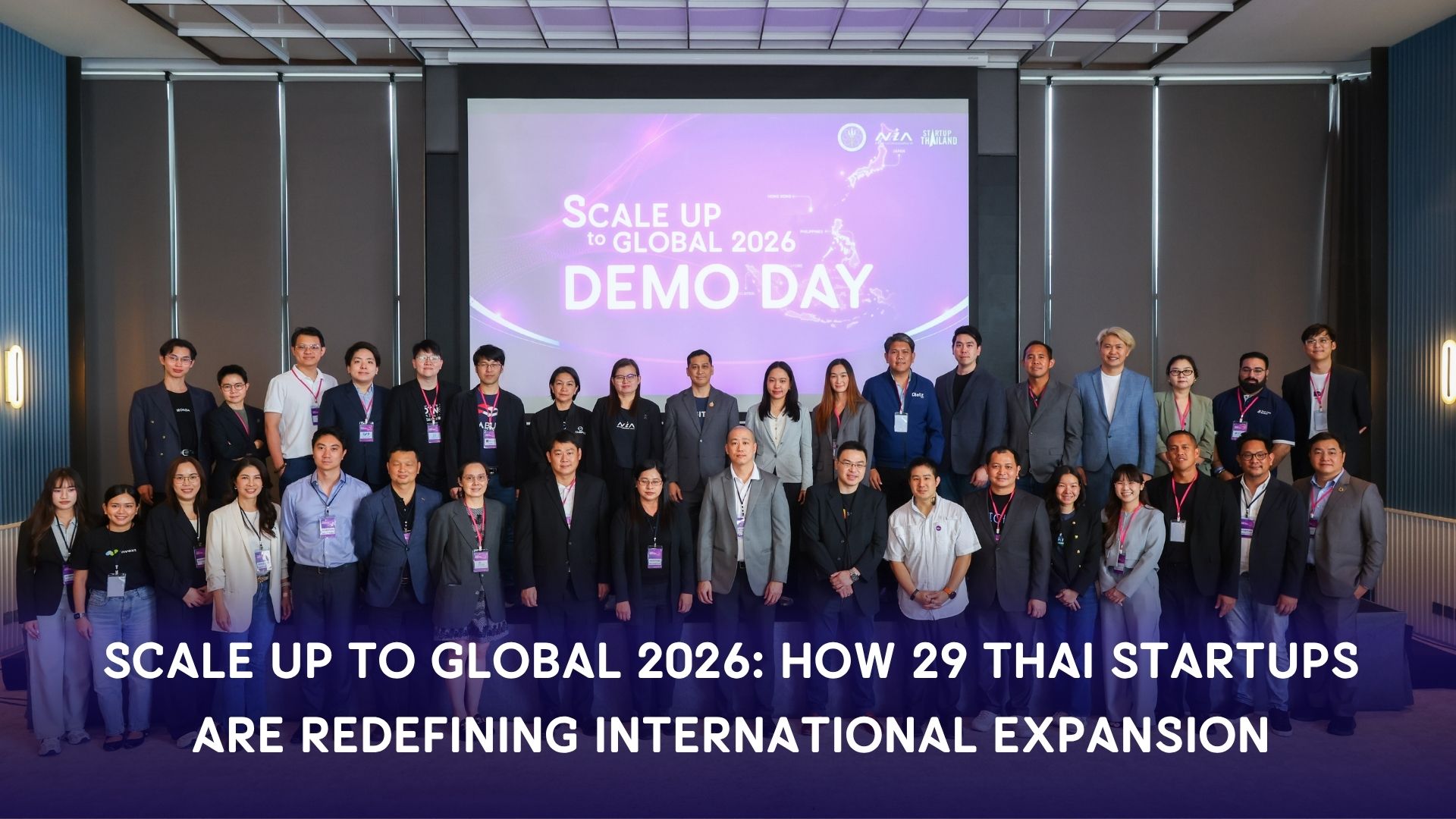
IPT2026-002 Global Startup Hub 2026-2 สำเนา

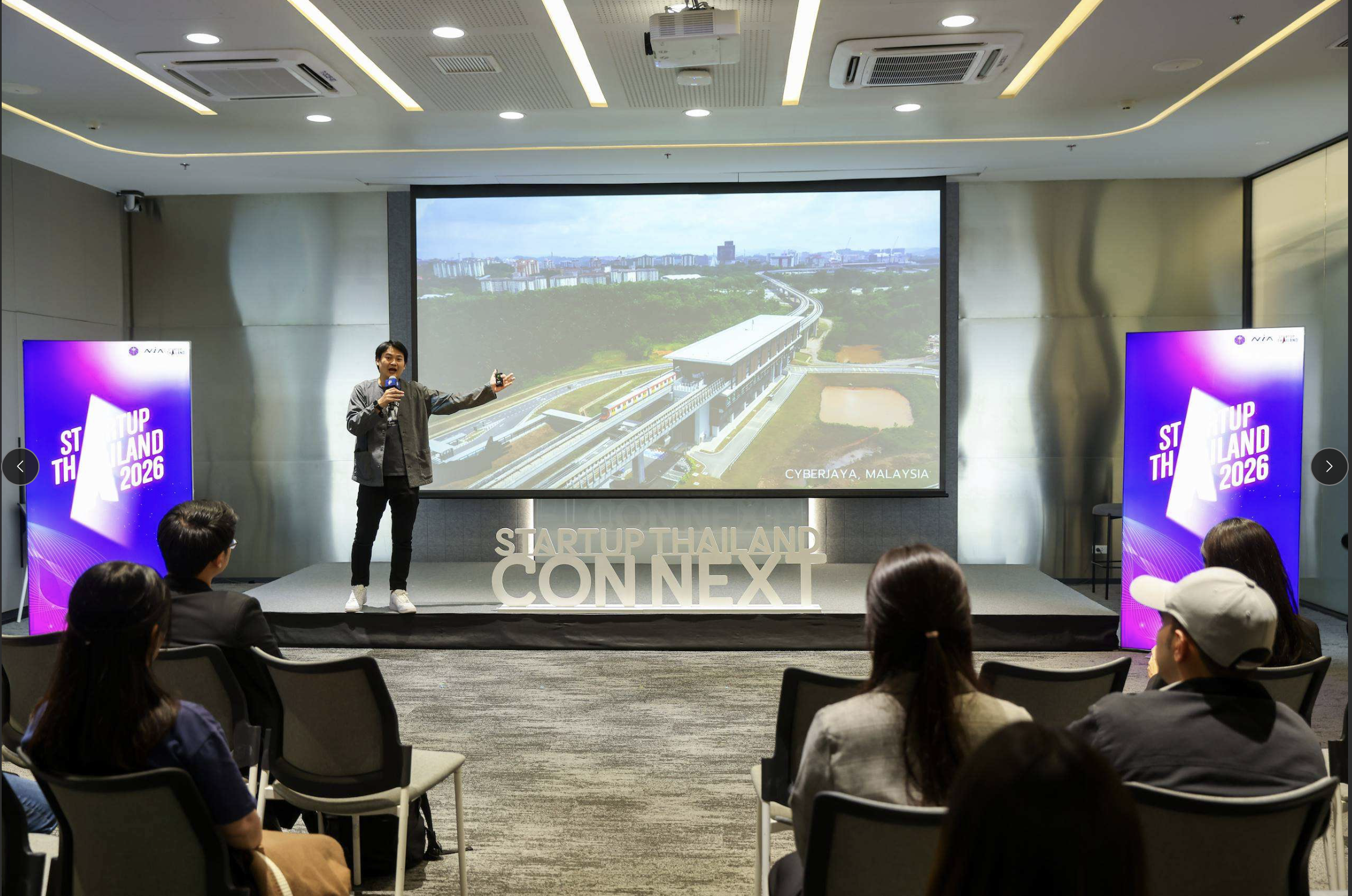
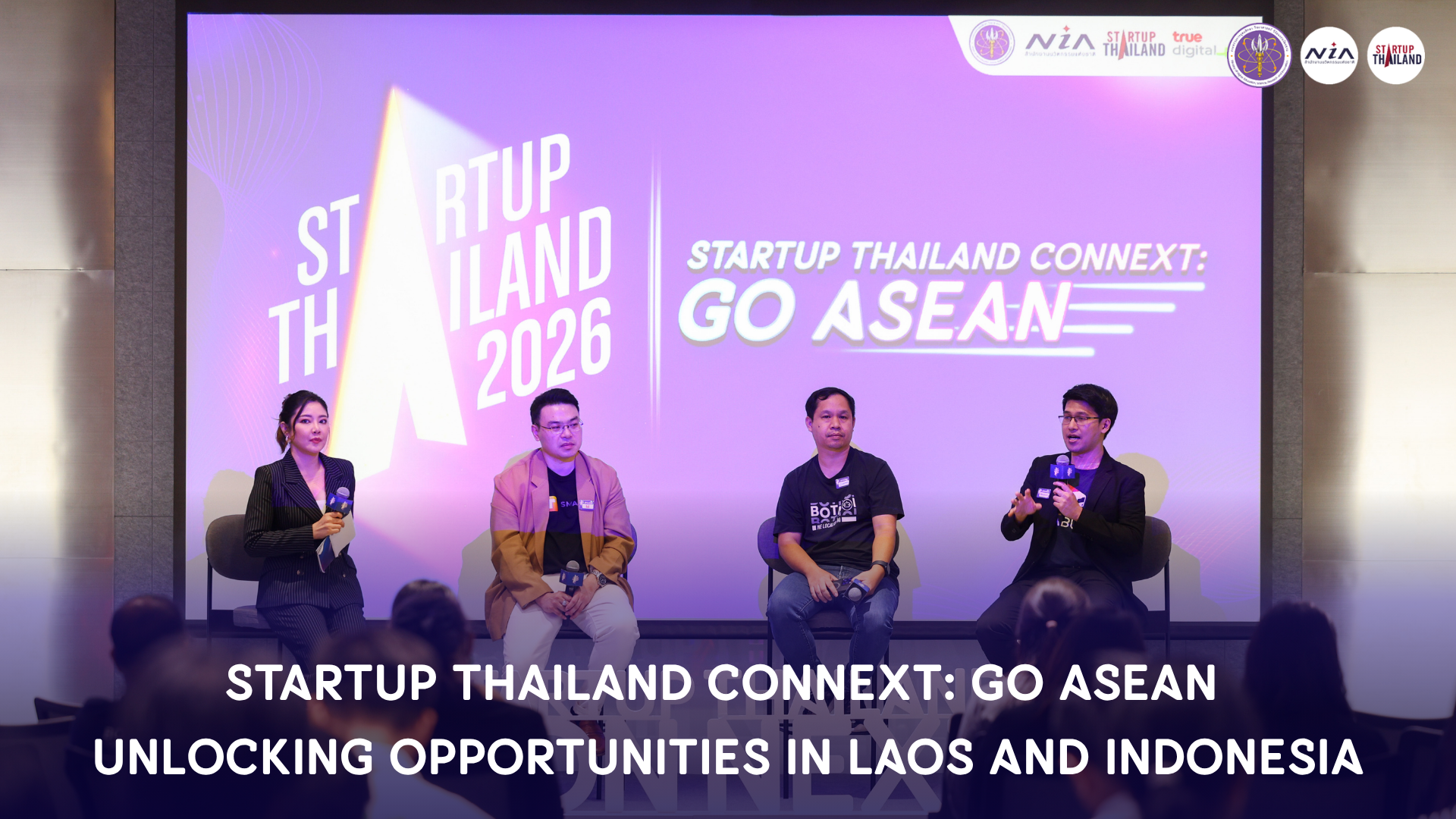
Startup Thailand Connext: GO ASEAN Unlocking Opportunities in Laos and Indonesia

Startup Thailand Connext:

GO ASEAN Unlocking Opportunities

in Laos and Indonesia

Expanding from Thailand into ASEAN may appear to be a relatively short leap. The region is geographically close, culturally familiar, and economically interconnected. Yet in practice, every market operates within its own economic structure, consumer behavior, business culture, and regulatory environment.

A business model that succeeds in Thailand cannot simply be transplanted into another country and expected to deliver the same results. Sustainable regional growth requires something more fundamental: the ability to understand local realities, identify the right partners, and adapt a solution to the problems that matter in each market.

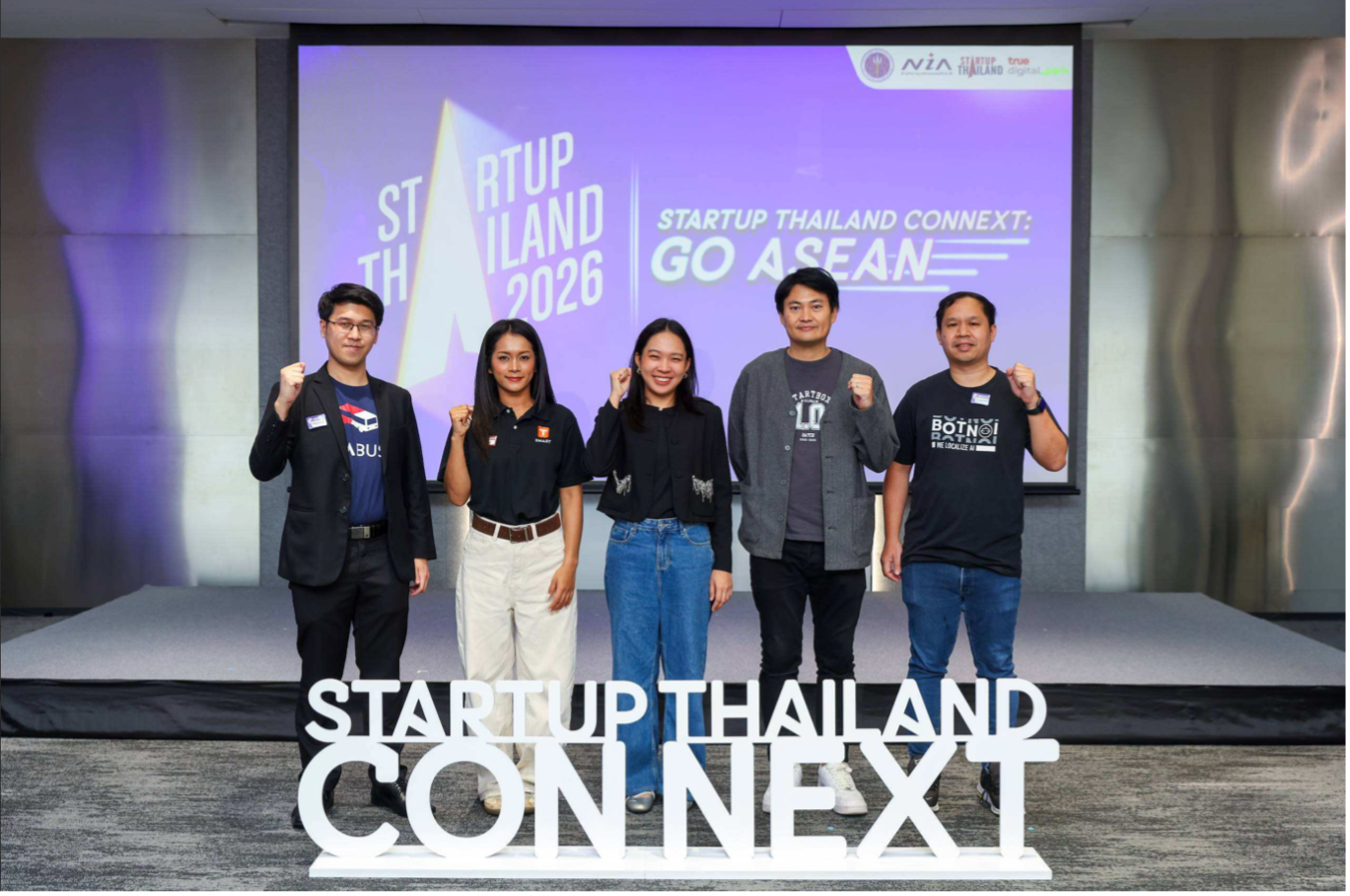
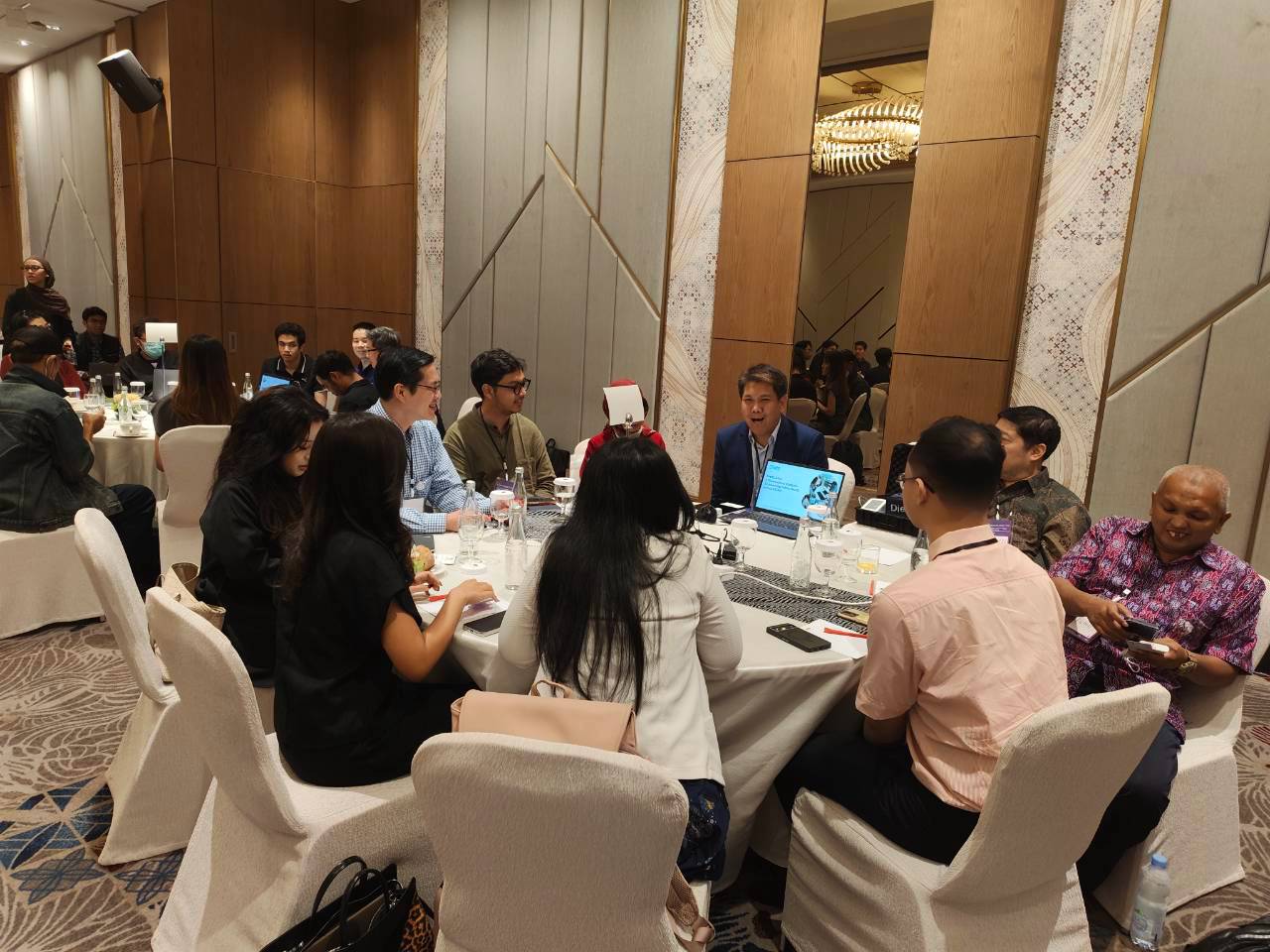
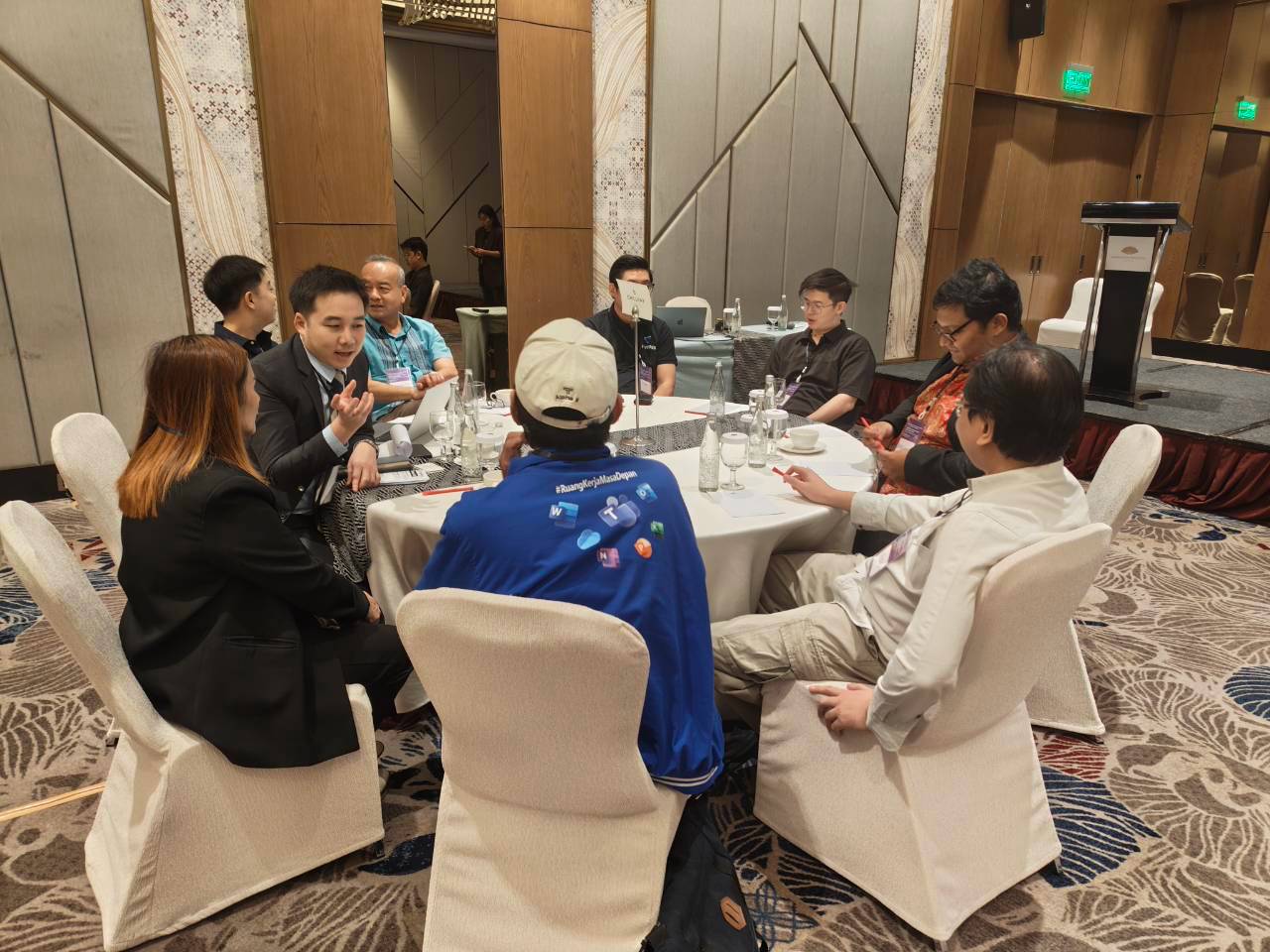
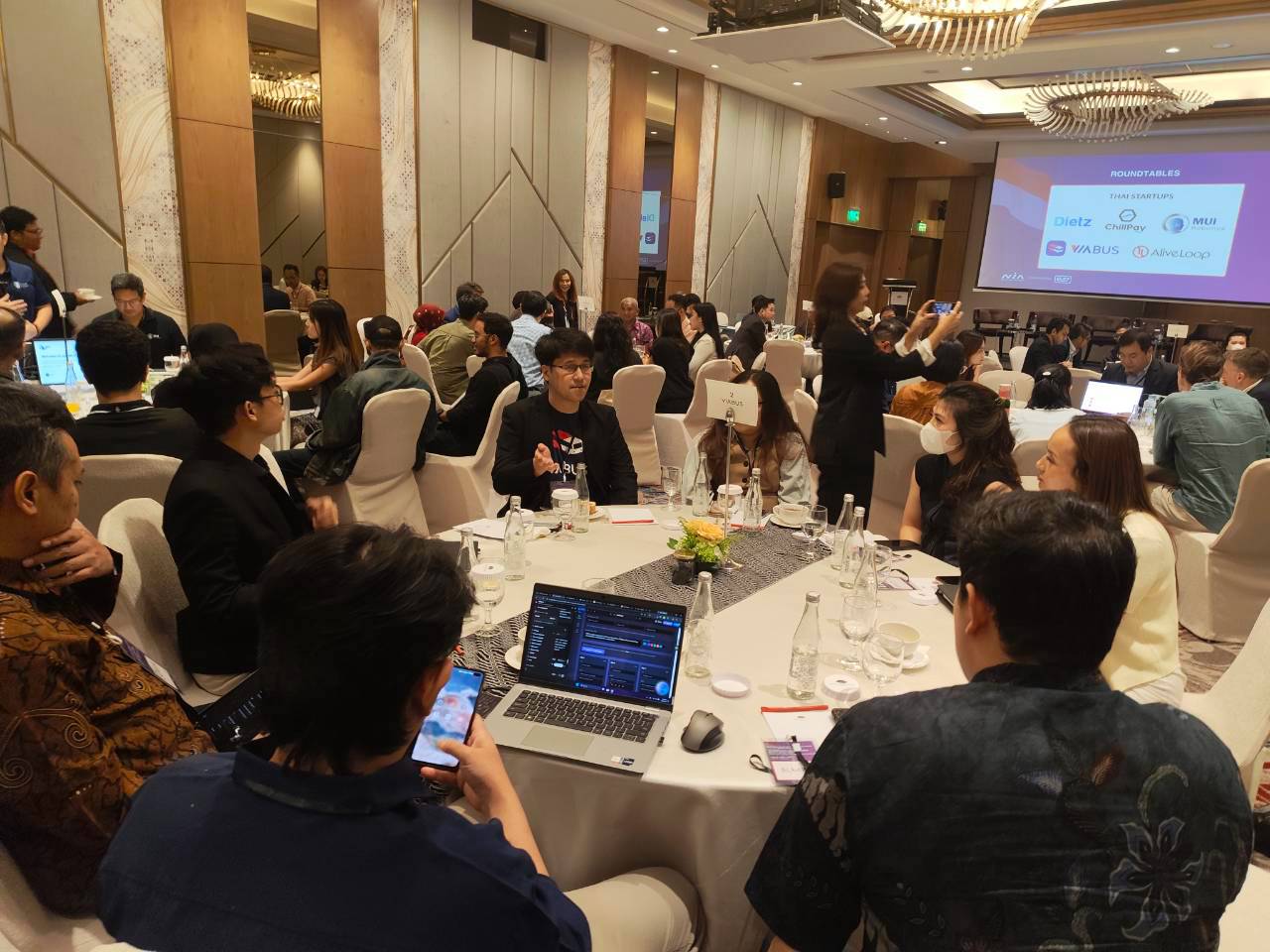
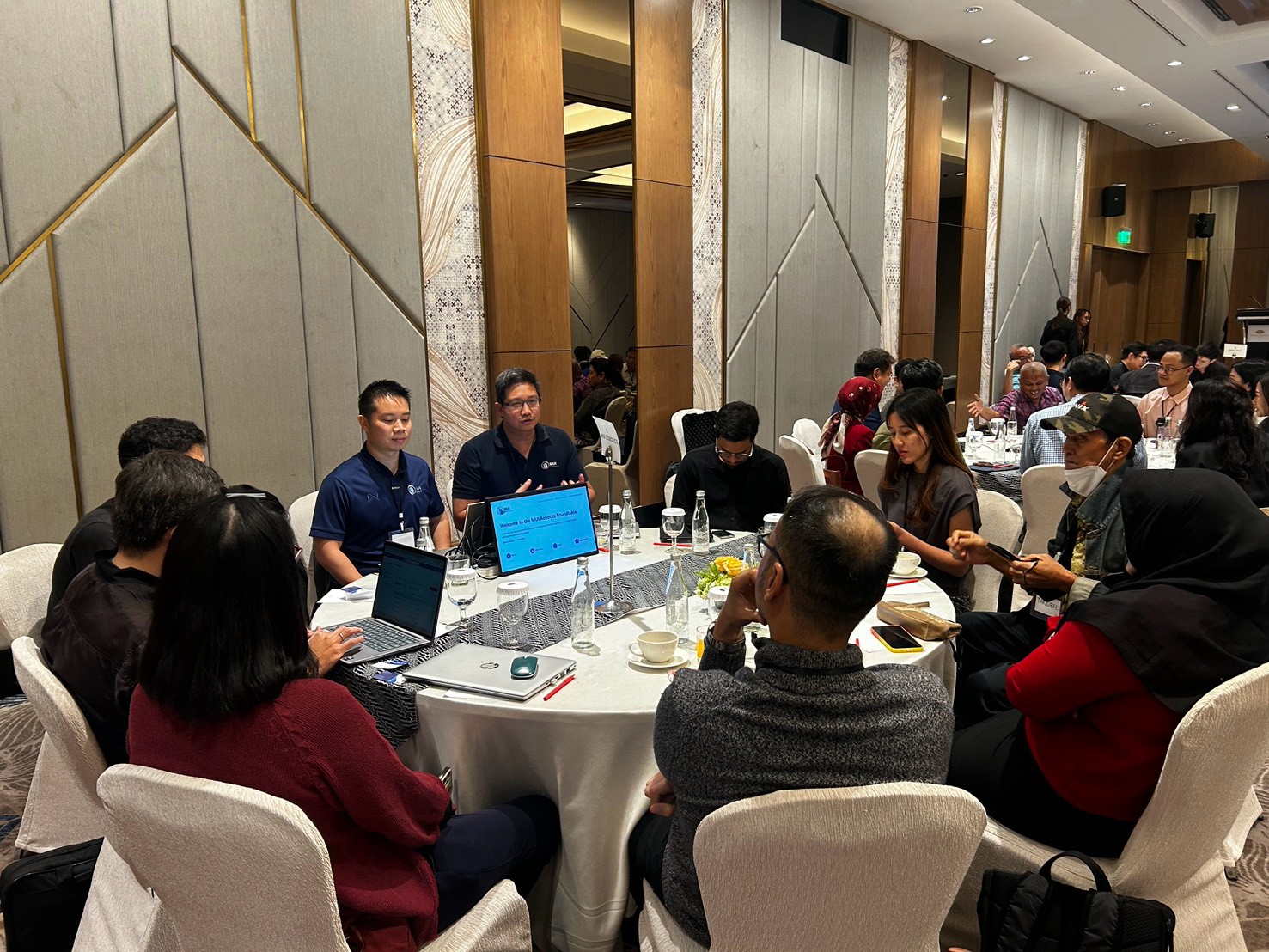
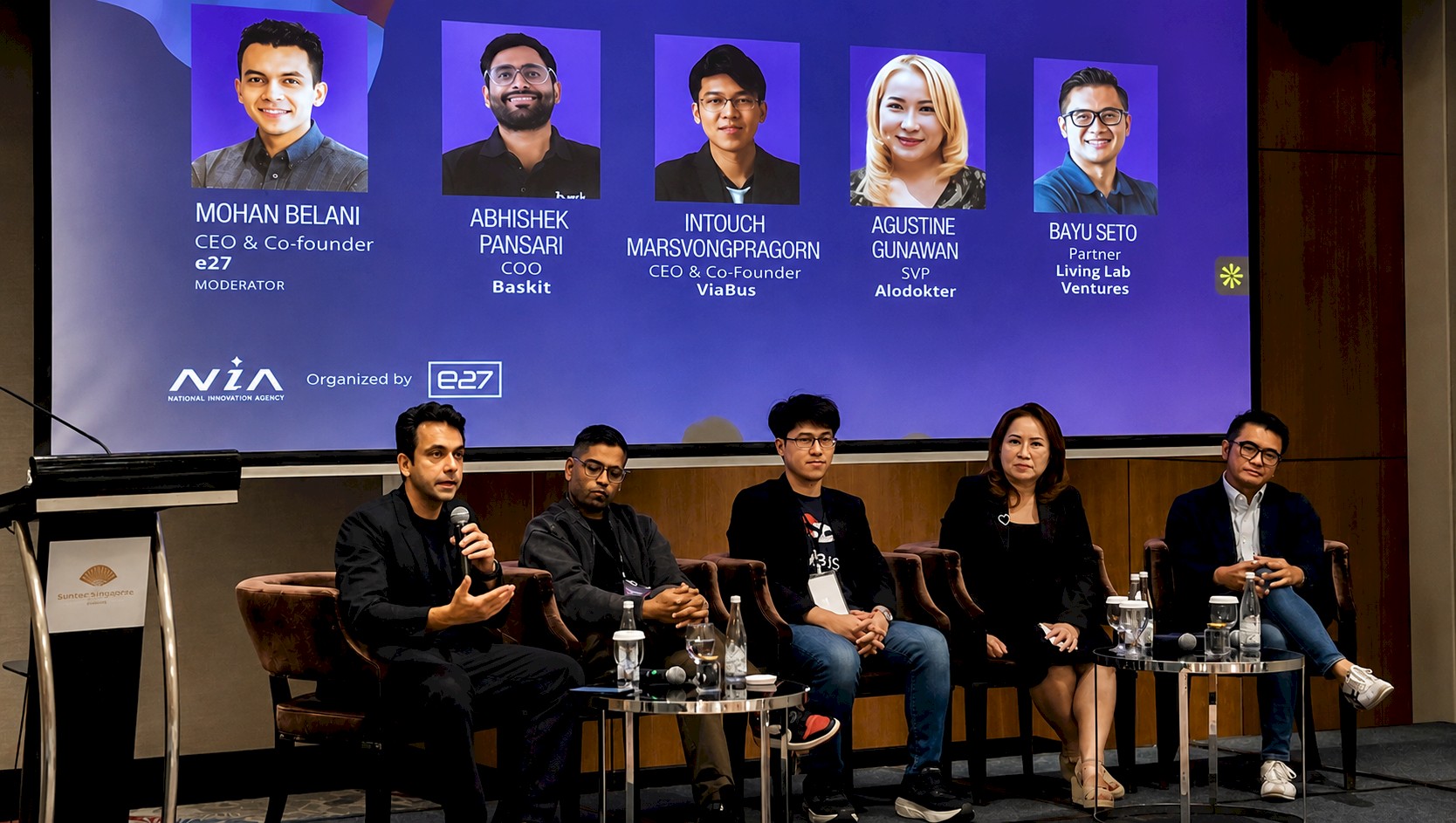
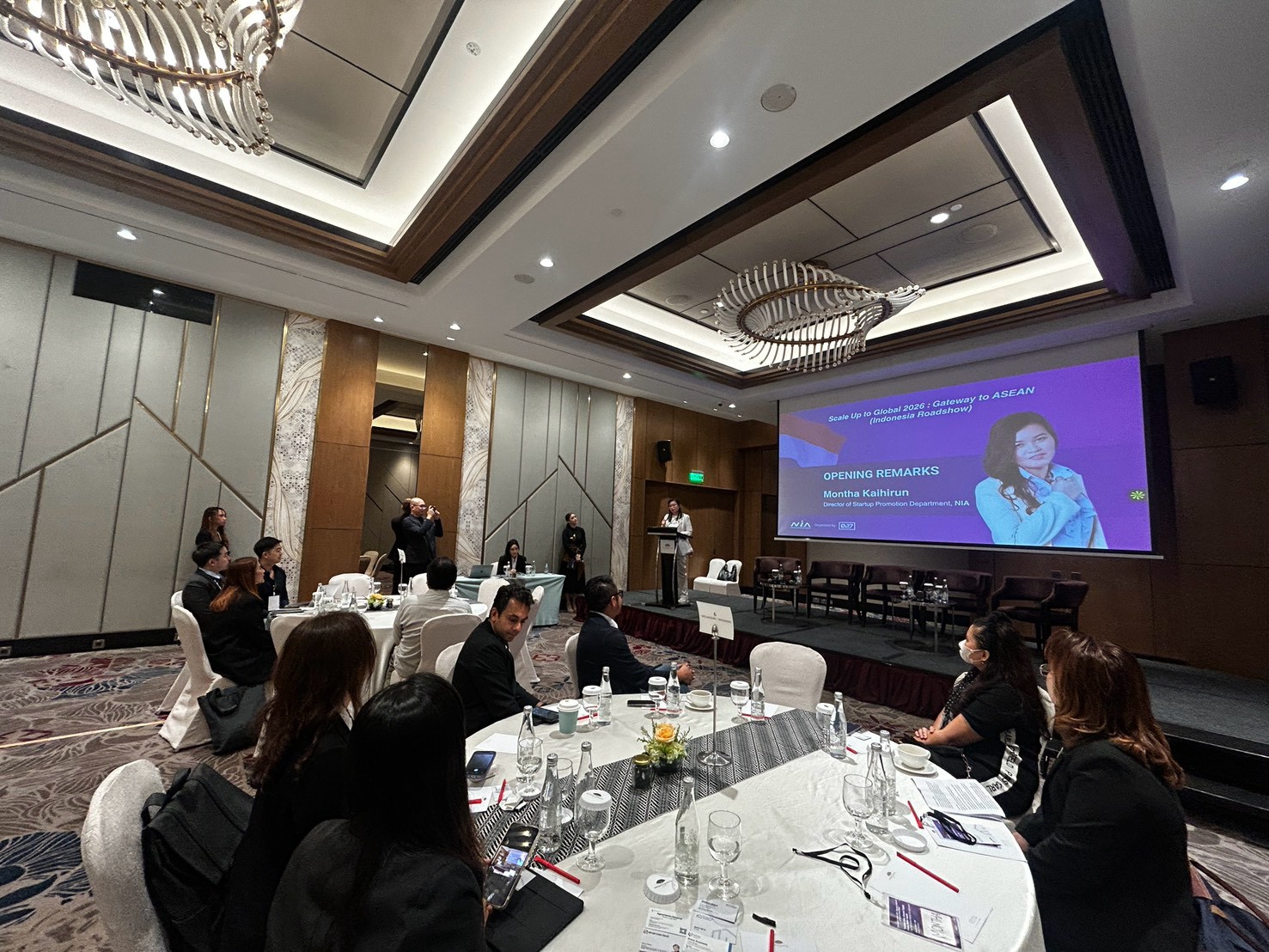
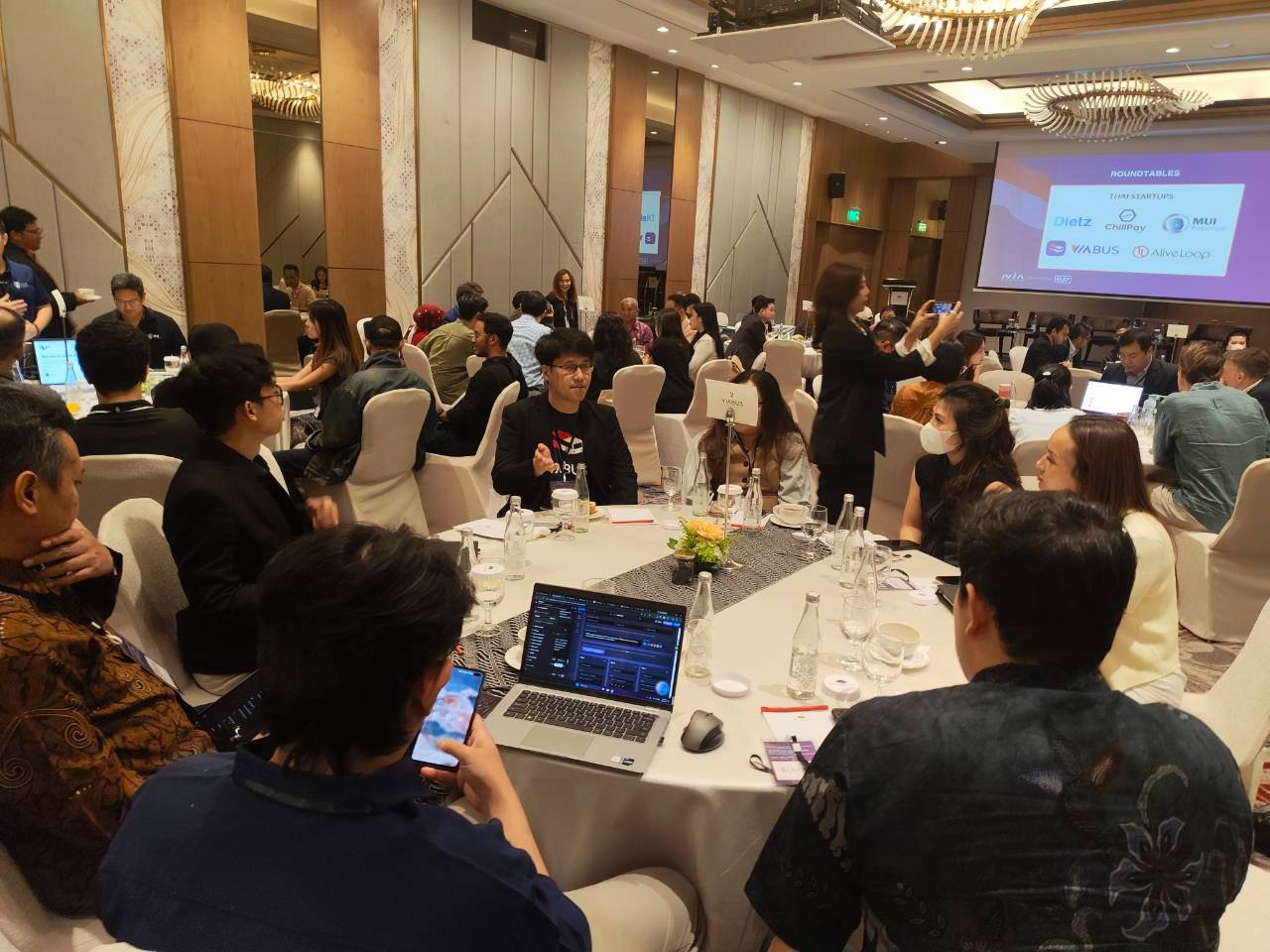
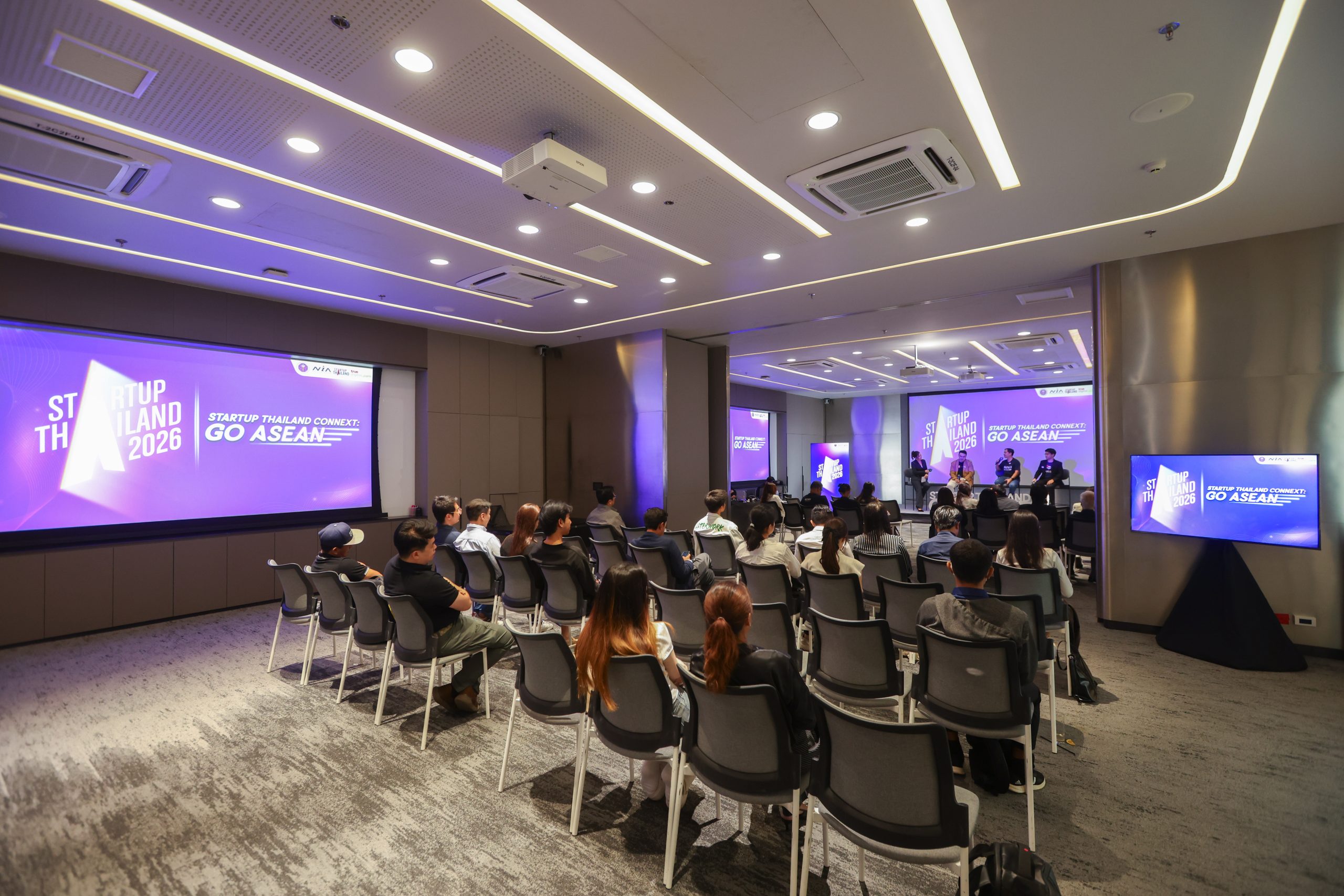
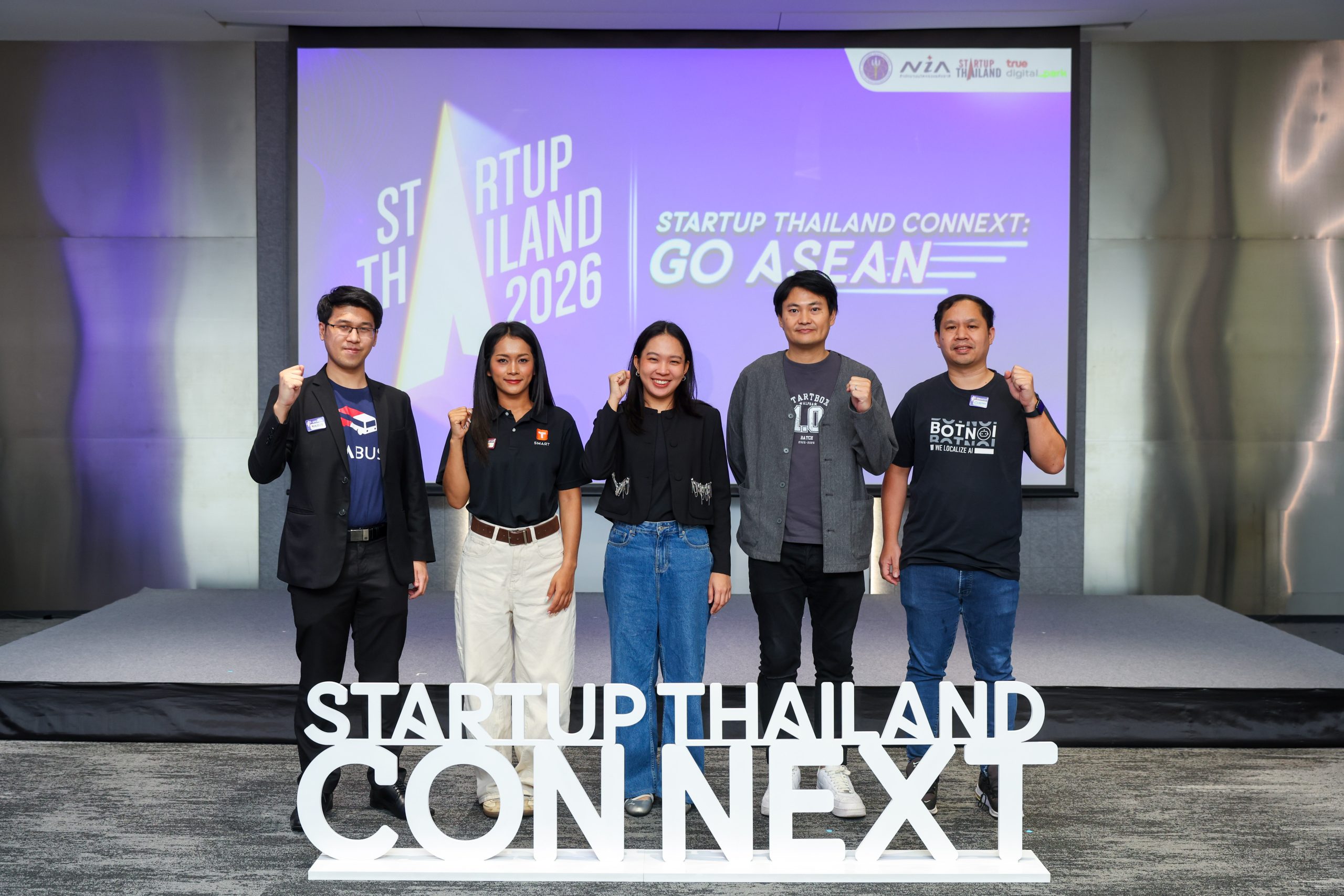
This was one of the key messages emerging from Startup Thailand Connext: GO ASEAN, part of the Global Startup Hub 2026 program. The session brought together market experts and Thai startups with first-hand experience of international expansion, offering practical perspectives on both the opportunities and challenges of entering ASEAN.

Two markets illustrate just how different regional expansion strategies can be: Lao PDR and Indonesia.

Laos offers proximity, connectivity, and a growing role within regional supply chains. Indonesia, meanwhile, presents a vast and rapidly transforming economy shaped by digitalization, energy transition, sustainability, and healthcare innovation.

Their differences highlight an important principle for startups looking beyond Thailand: market selection should not be driven by size alone. The better question is what problem exists in that market, and whether your business is equipped to solve it.

Laos: A Nearby Market with Value Beyond Population Size

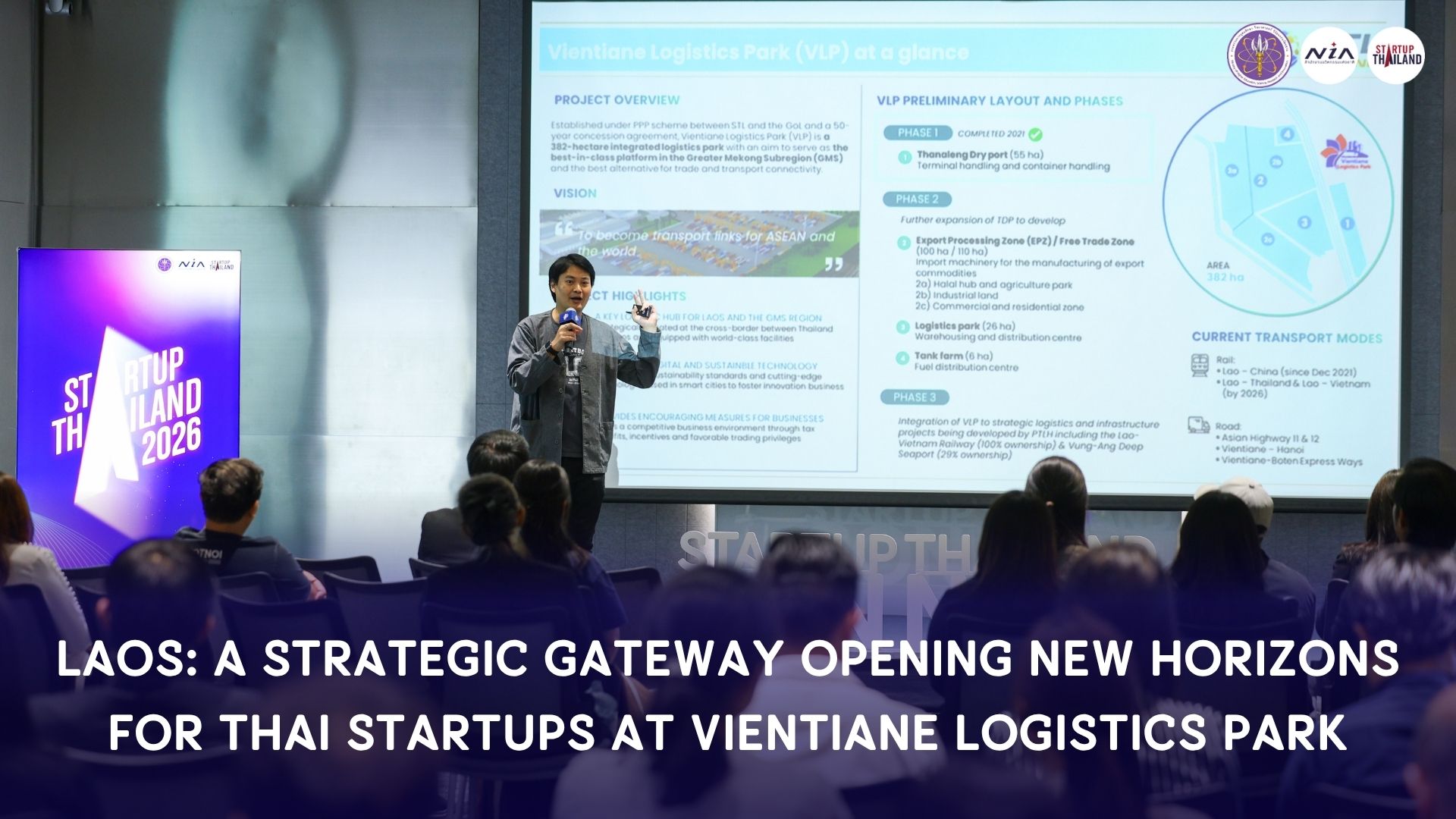
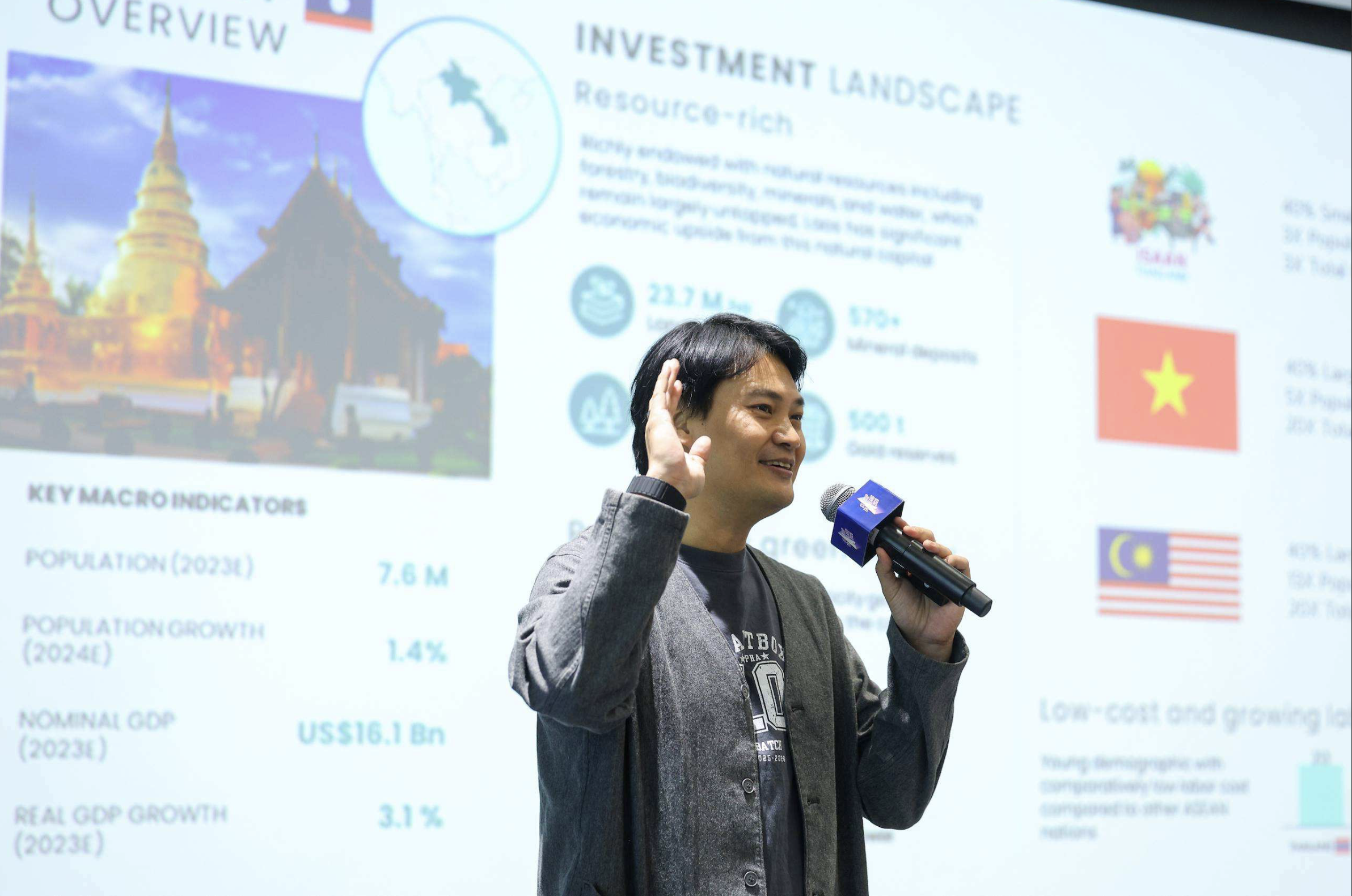
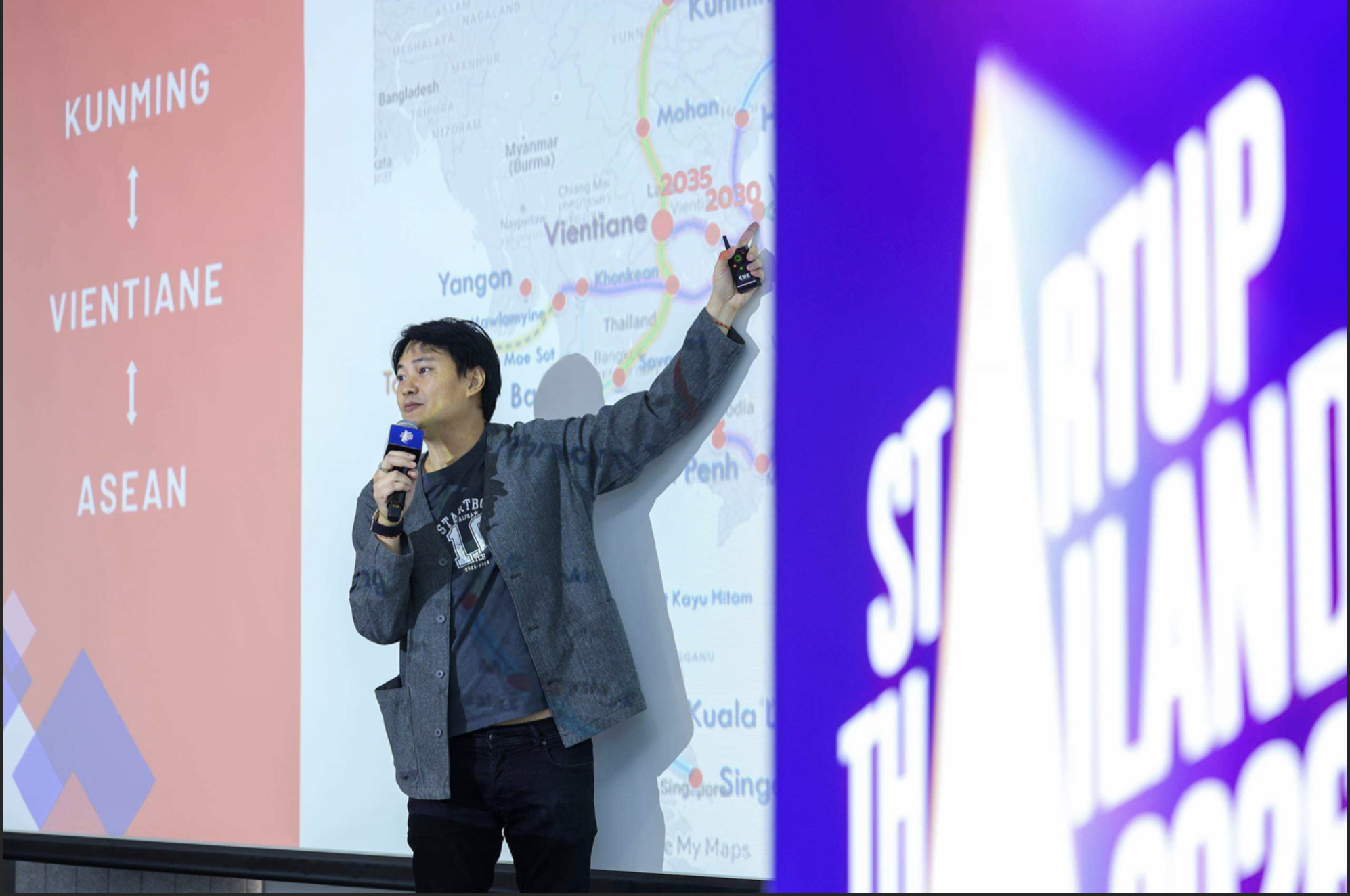
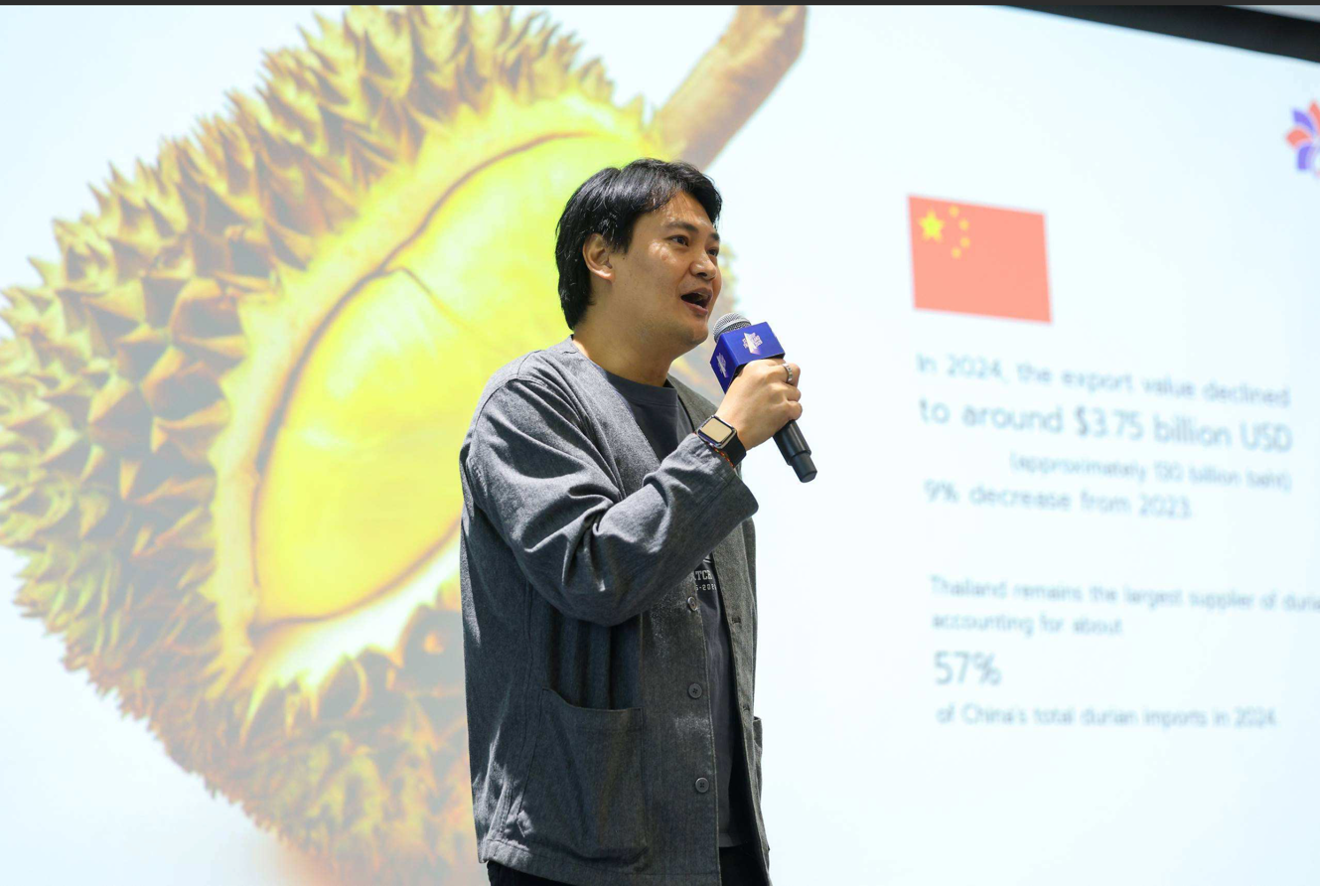
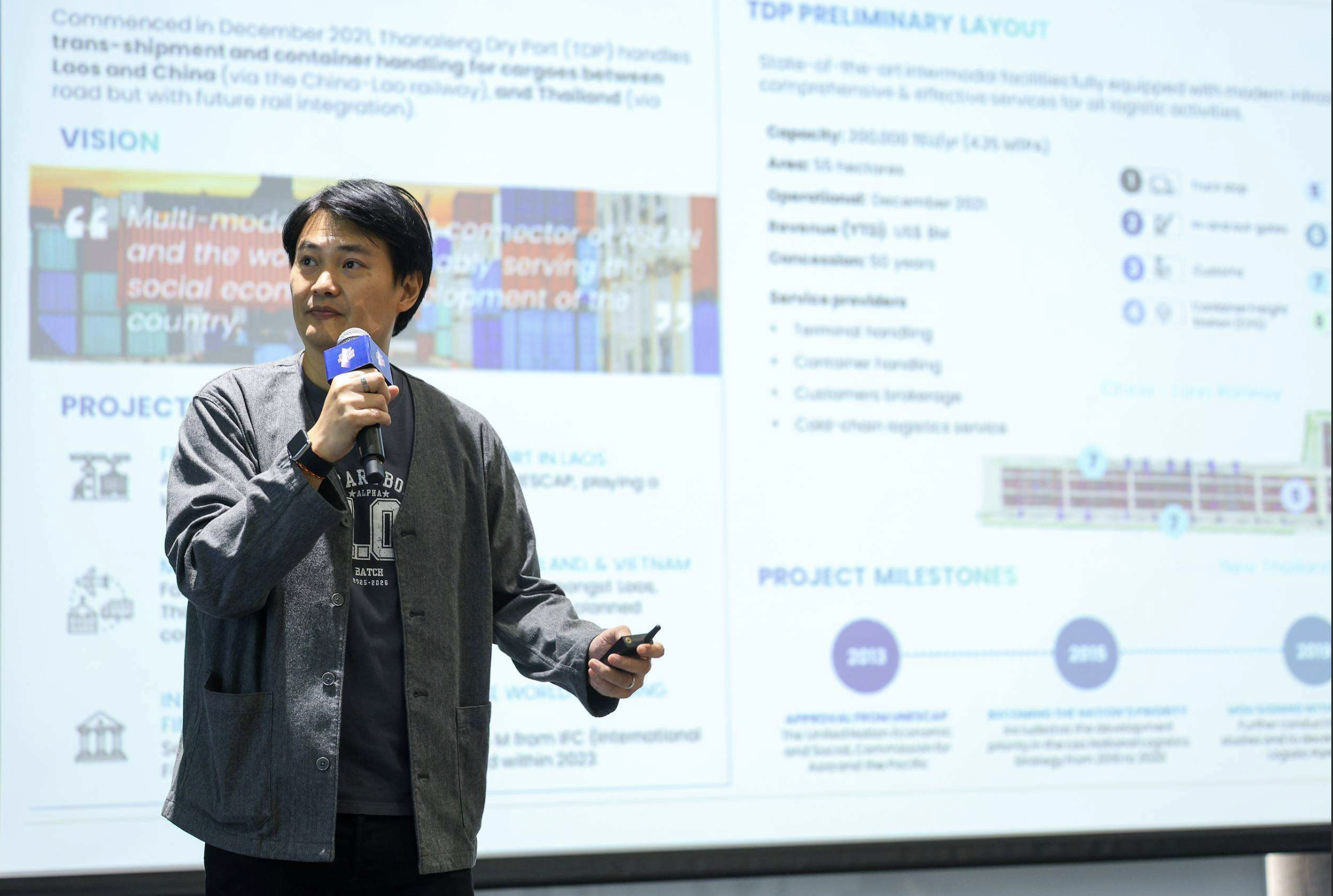
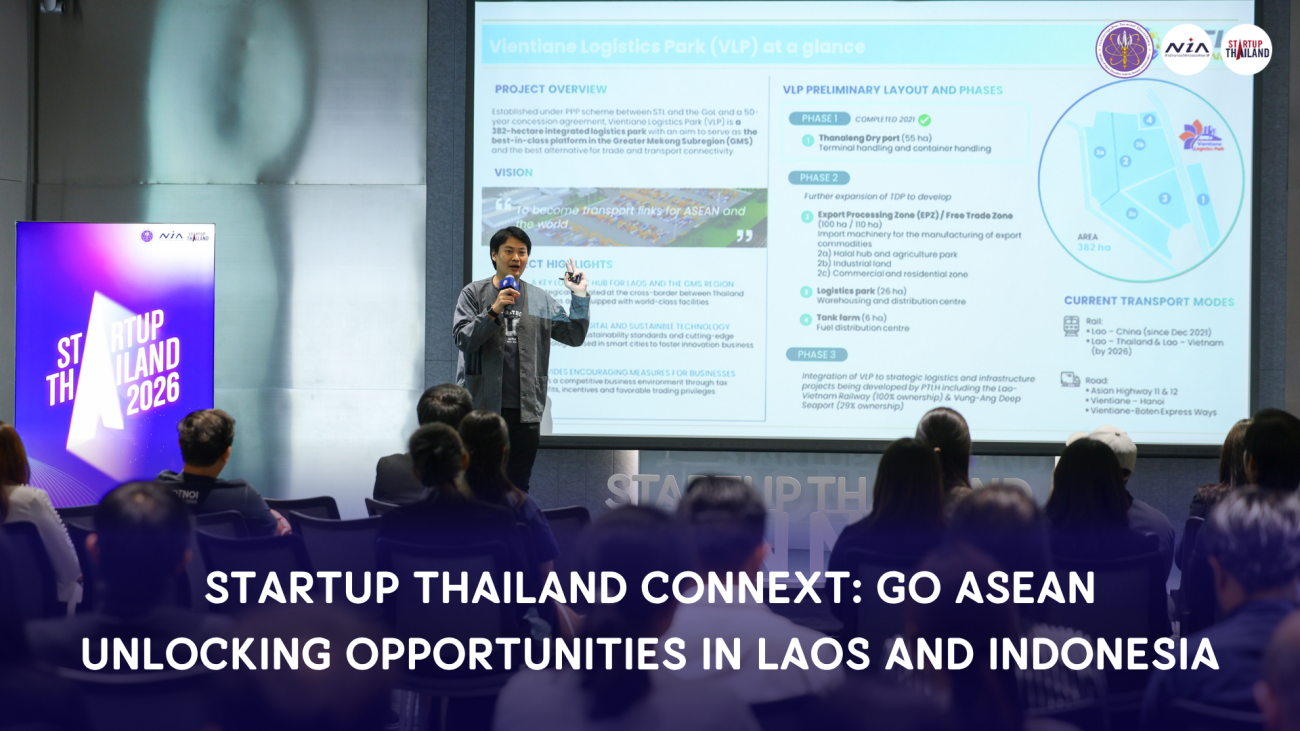
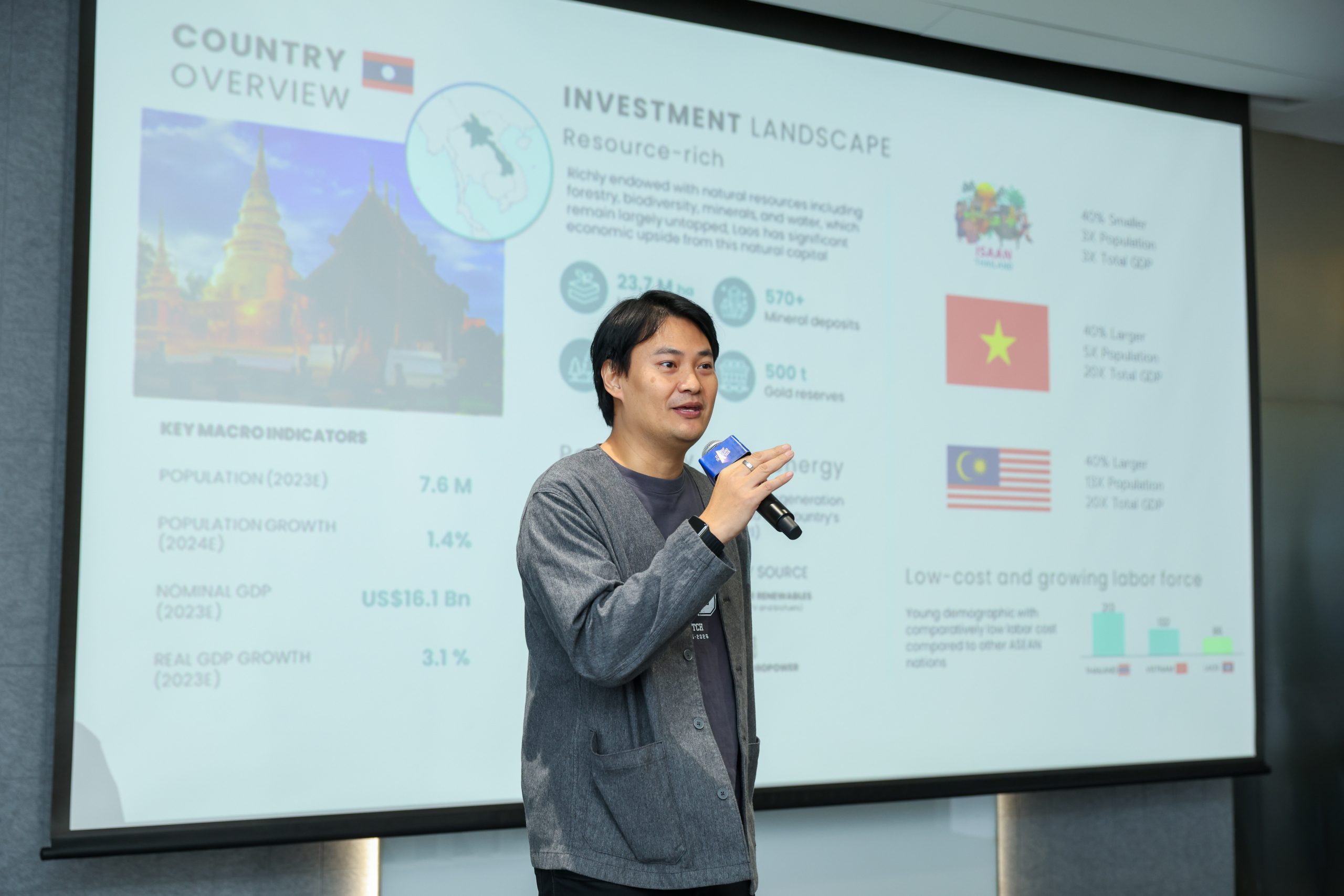
In the session “Unlocking Laos: Your Market Entry Guide,” Rungsun Promprasith, CEO of Startbox – Laos, shared insights into the opportunities and practical considerations for entering the Lao market.

With a population of approximately seven million, Laos may initially appear modest in scale. Yet evaluating the country solely by the size of its domestic consumer market risks overlooking one of its most important strategic advantages: geography.

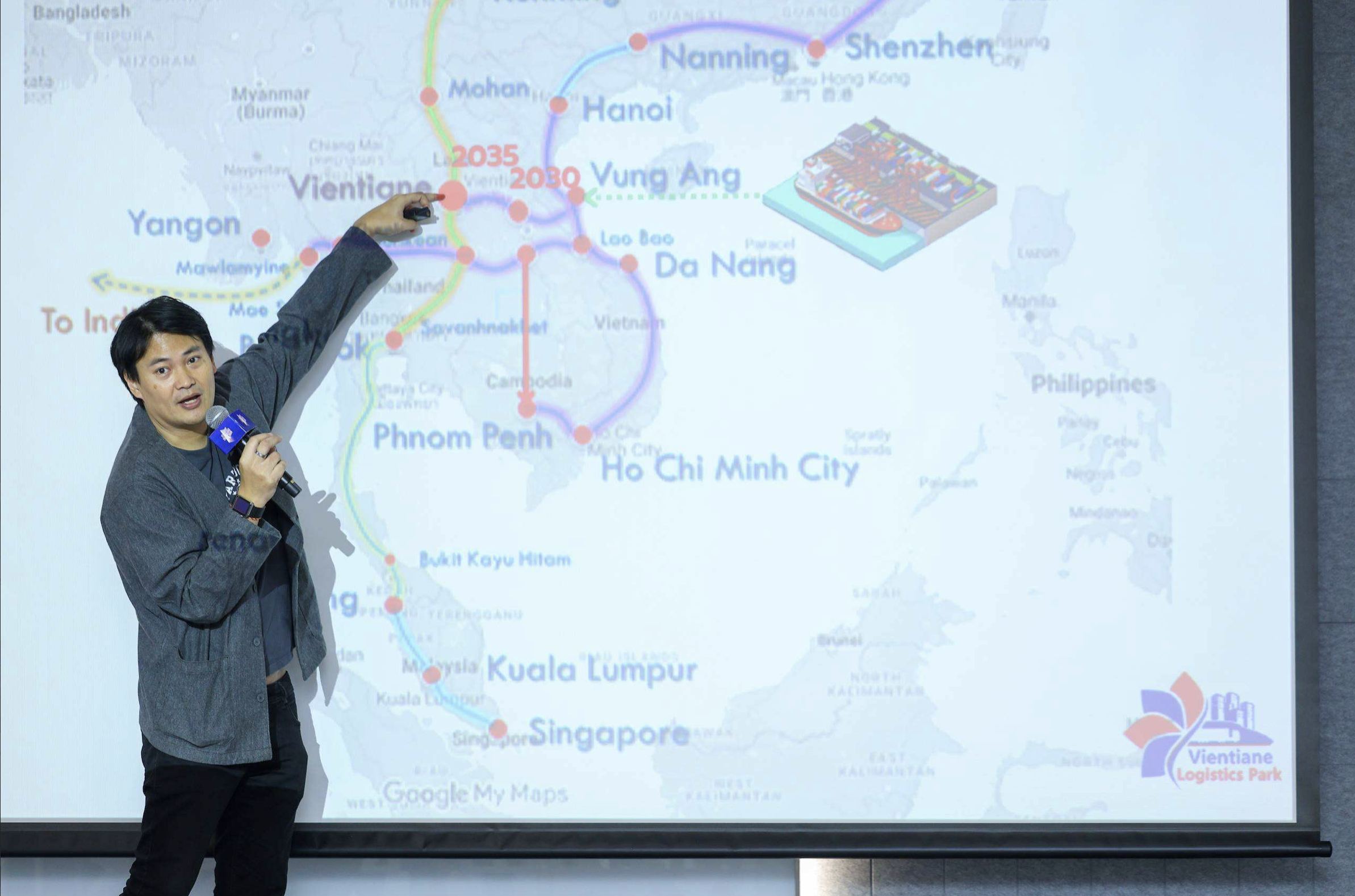
Once commonly described as a landlocked country, Laos is increasingly positioning itself as a land-linked hub, connecting Thailand, China, Vietnam, and other regional markets.

Major infrastructure projects, including the China–Laos Railway and the Thanaleng Dry Port, are strengthening the country’s logistics capacity and expanding its role in cross-border trade.

For Thai businesses, this shift creates opportunities that go well beyond selling products to Lao consumers. Potential areas include manufacturing, food processing, logistics, data management, and technologies that improve the efficiency and transparency of cross-border supply chains.

For startups in particular, Laos can serve several roles at once: a test market, a place to develop local partnerships, and a strategic gateway to neighboring economies.

Its cultural and commercial proximity to Thailand may also make it a useful environment for testing technologies or business models before expanding further into the region.

That proximity, however, should not be mistaken for simplicity.

Administrative processes, financial systems, regulations, and business practices can differ significantly from those in Thailand. For foreign entrepreneurs, a capable local partner can therefore be critical—helping navigate procedures, provide market intelligence, open doors to business networks, and establish connections with relevant public and private-sector stakeholders.

Laos may not stand out because of its market “size,” but it can play an important role because of its position—both geographically and strategically.

Indonesia: One Large Market Made Up of Many Different Markets

If Laos is best viewed through the lenses of supply chains and connectivity, Indonesia requires a different perspective: scale, diversity, and economic transformation.

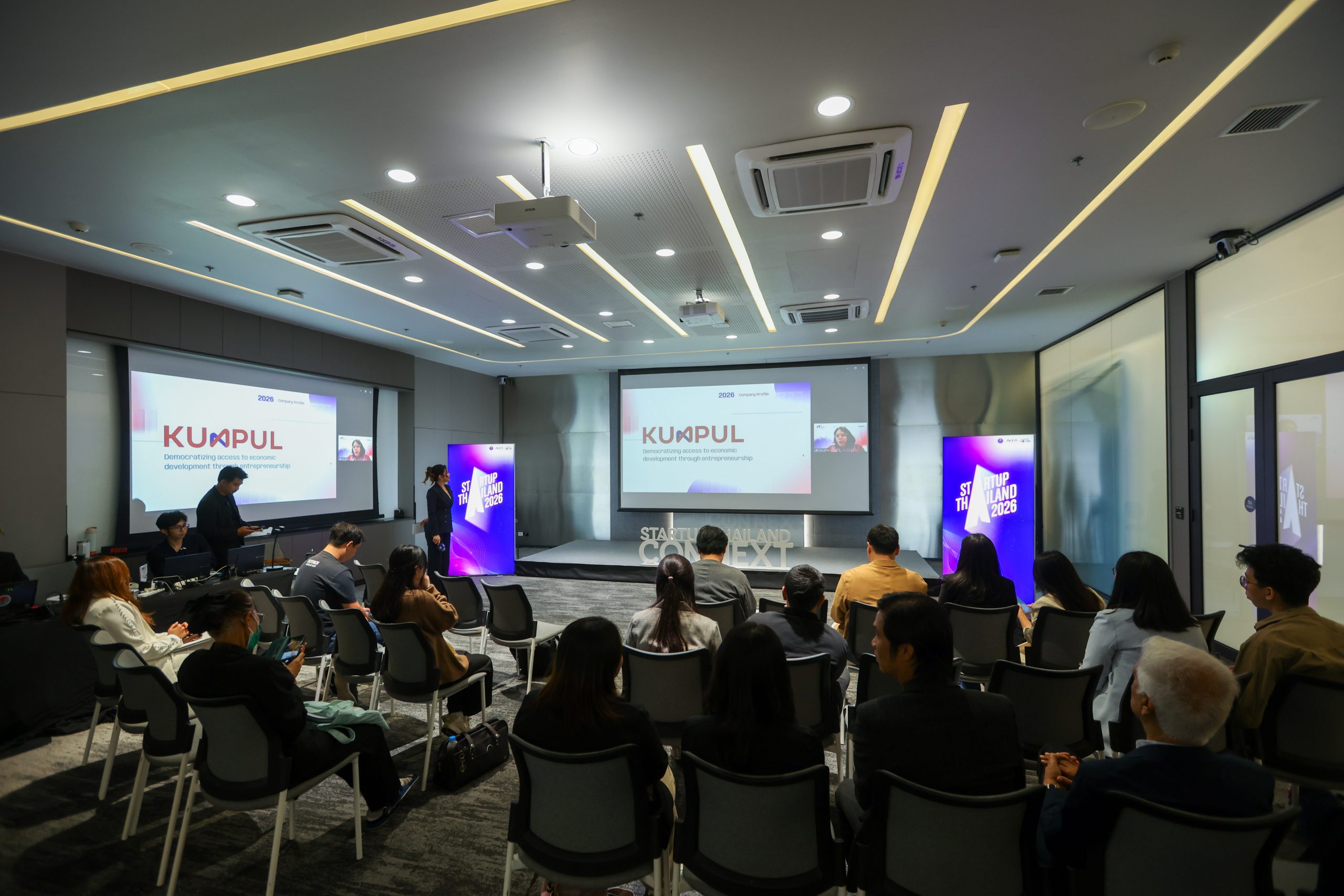
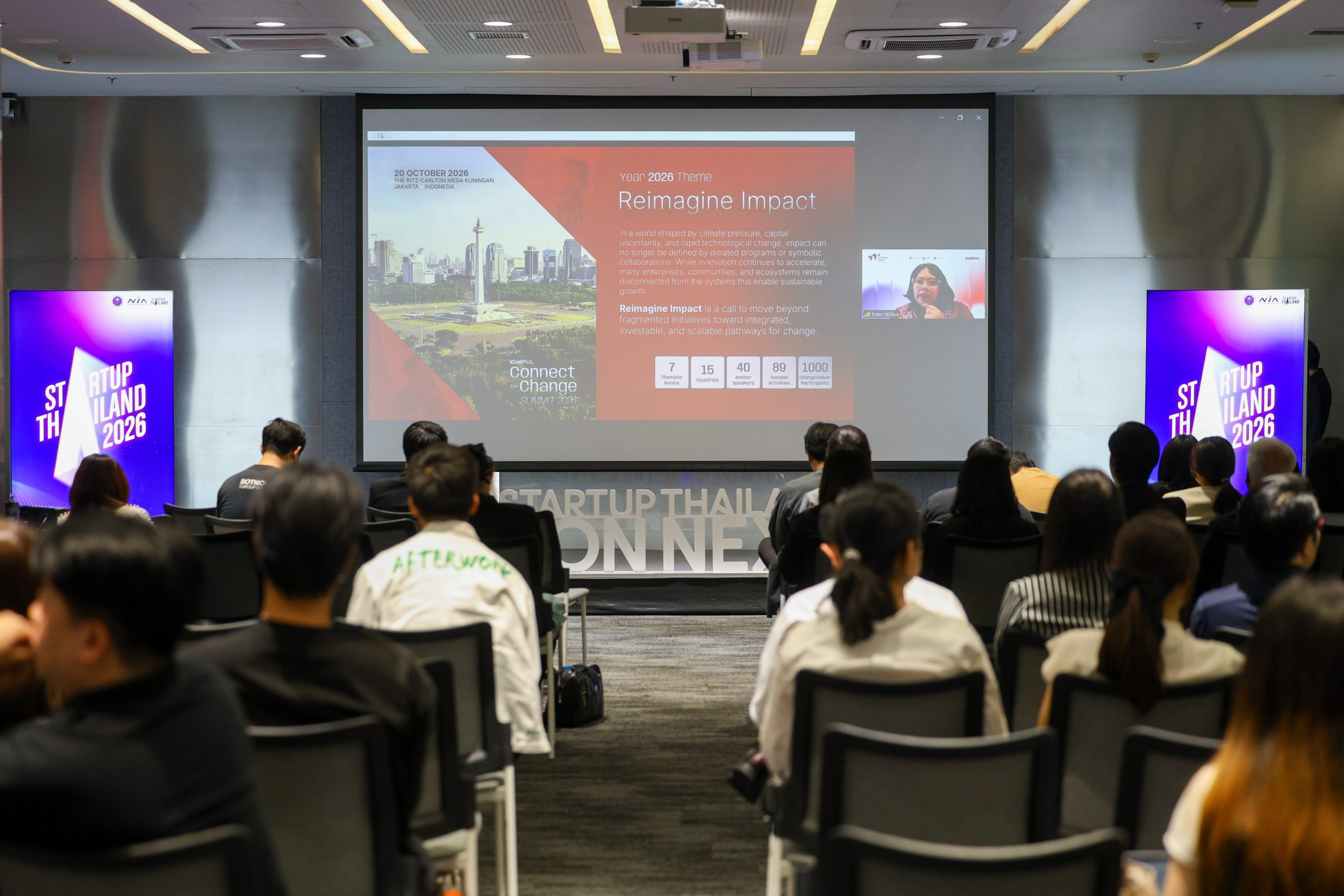
During the session “Gateway to Indonesia: Support and Services for Thai Startups,” Ester Widya, VP Business & Marketing at KUMPUL, Indonesia, introduced the dynamics of the Indonesian market and the support mechanisms available to Thai startups seeking to enter its business ecosystem.

Entering Indonesia was likened to stepping into a vast amusement park: there is something for every kind of player, from thrill seekers willing to take bold risks to businesses looking for a more measured entry point.

At the same time, the market can also resemble a vast forest—one where companies may discover a gold mine of opportunities or encounter obstacles they did not expect. Success often depends on having the right guide and, just as importantly, knowing who to connect with once inside the market.

Indonesia is Southeast Asia’s most populous country, with more than 280 million people. It also has more than 221 million internet users, representing close to 80% of the population.

The combination of population scale and growing digital adoption makes Indonesia one of the region’s most promising markets for technology and digital businesses.

Yet 280 million consumers do not constitute one uniform market.

Indonesia comprises more than 17,000 islands, over 700 ethnic groups, and a large number of local languages. Although Bahasa Indonesia serves as the national language, significant differences remain across regions in consumer preferences, commercial practices, local networks, and economic conditions.

For startups, the key question is therefore not simply:

“What can we sell to 280 million people?”

A more useful set of questions is:

“Where should we begin? Which customers should we focus on? And which problem should we solve first?”

This is where hyper-localization becomes essential.

Rather than attempting to cover the entire country from day one, startups should identify the city, customer segment, or industry where their solution has the strongest chance of gaining traction—and expand from there.

Three Emerging Economies Creating New Opportunities

Indonesia’s attraction goes beyond population growth. The country is undergoing several major economic transitions that are opening new spaces for innovation.

The Digital Economy

The first is the continuing expansion of Indonesia’s digital economy, spanning e-commerce, new retail, direct-to-consumer businesses, digital government, smart cities, and EdTech.

As more Indonesians participate in digital services, new demand is emerging from consumers, businesses, and public-sector organizations alike.

For technology startups, this creates opportunities not only in consumer platforms but also in enterprise solutions, infrastructure, data, payments, public services, and digital transformation.

The Green Economy

The second major opportunity lies in the green economy.

Indonesia holds strategically important natural resources, including nickel and palm oil, while simultaneously pursuing a broader energy transition.

This is generating demand for renewable energy, energy-transition technologies, sustainable agriculture, green supply chains, and environmental management solutions.

For Thai startups, areas such as ClimateTech, EnergyTech, Agritech, FoodTech, and carbon management may offer particularly strong opportunities—especially where technologies can demonstrably reduce costs, improve productivity, or mitigate environmental impacts.

The Wellness Economy

The third growth area is the wellness economy, encompassing HealthTech, telemedicine, digital health, wellness tourism, beauty, healthcare services, and wellbeing products.

Tourism destinations such as Bali have also developed strong wellness ecosystems, creating additional space for products, services, and technologies at the intersection of tourism, healthcare, and lifestyle.

As these three economic shifts converge, new hybrid opportunities are emerging: AI-enabled healthcare management, IoT-based energy optimization, and data-driven green logistics are just a few examples.

For Thai startups, the opportunity is therefore not simply to export “Thai products” to Indonesia. It is to bring technology, expertise, and innovation into the country’s evolving economy and solve problems that matter locally.

Opportunities Remain, Even as Investors Become More Selective

Indonesia’s startup market continues to hold considerable potential, but the investment climate has become more cautious.

Data presented during the session indicated that startup funding had declined by approximately 49%, falling to around US$355.7 million compared with an earlier period.

Yet investment has not disappeared. Capital continues to flow toward business models that are closely tied to real economic activity and consumer demand, including Fintech, New Retail & D2C, and E-Commerce.

The shift offers an important lesson.

A decline in funding does not necessarily mean a decline in market opportunity. Instead, the basis of competition is changing.

Startups are increasingly expected to demonstrate that their technology can generate revenue, reduce costs, improve efficiency, or solve a measurable customer problem—not simply acquire users or grow through capital.

For Thai startups, Indonesia should therefore not be viewed only as a market for fundraising. It can also be a market for building customers, corporate partnerships, and proof-of-concept projects that establish the foundation for long-term expansion.

Choosing the Right “First Market” Within Indonesia

One of the most common mistakes when entering Indonesia is to treat the entire country as a single market.

In reality, economic structures and business environments vary considerably from one region to another.

Indonesia has a decentralized administrative system spanning 38 provinces, which means that regulatory details, requirements, procedures, and incentives can vary by location.

At the national level, business establishment and investment are connected to systems overseen by BKPM and the Online Single Submission (OSS) platform, which consolidates a range of licensing and administrative processes.

For startups, location should be selected according to the business model.

Jakarta and Bali, for example, may be attractive starting points for digital and technology companies seeking networks, customers, and market-testing opportunities.

Manufacturing-oriented businesses, by contrast, may need to consider regions with stronger industrial bases, access to resources, or specific supply-chain advantages, including parts of Sumatra and Borneo.

The important point is that startups do not need to scale across the entire country immediately.

They need to identify the first market where they are most likely to achieve product-market fit, build the right partnerships, and generate evidence that the model works.

Expansion can follow once that foundation is in place.

In Indonesia, Relationships Are Part of the Business Infrastructure

A strong technology solution may be enough to secure an initial meeting. It is rarely enough to close a deal on its own.

One of the defining characteristics of doing business in Indonesia is its relationship-driven and partnership-based culture.

Trust, credibility, and long-term relationships often carry as much weight as the commercial proposition itself.

This means effective business matching should go beyond introductions or business-card exchanges. The real value lies in understanding a partner’s pain points, identifying areas for collaboration, running pilots, and developing proof-of-concept projects.

For foreign startups without an established local team, a reliable local partner can therefore be one of the most important assets.

Local partners can help connect startups with corporate customers, government agencies, investors, and industry networks that may otherwise be difficult to access.

In a market as large and diverse as Indonesia, relationships are not merely helpful—they are part of the infrastructure required to do business.

KUMPUL: From Ecosystem Network to a Gateway into Indonesia

Within this environment, KUMPUL has developed a significant role as one of Indonesia’s ecosystem enablers.

The organization began as a coworking space in Bali in 2015 before expanding its network across the country.

Today, KUMPUL works with more than 130 local hubs and ecosystem partners, as well as over 300 industry partners. Its experience spans support for startups and MSMEs, business matching, and programs designed to help international entrepreneurs connect with the Indonesian market.

For Thai startups, the value of such a network lies not simply in providing “market information.”

Its greater value is in reducing the distance between market knowledge and actual market access.

Indonesia also has a broad base of large corporate players across multiple industries, including banks and financial institutions such as Mandiri, BNI, and BRI, as well as technology and telecommunications companies including Lintasarta and Indosat Ooredoo Hutchison.

Beyond these sectors are major businesses in real estate, insurance, consumer goods, and other industries.

The opportunity for Thai startups therefore extends well beyond Indonesia’s 280-million-plus consumers.

There is also significant potential in B2B, corporate innovation, and industrial solutions, where demand for new technologies continues to grow.

Three Thai Startups, Three Lessons from Real Market Entry

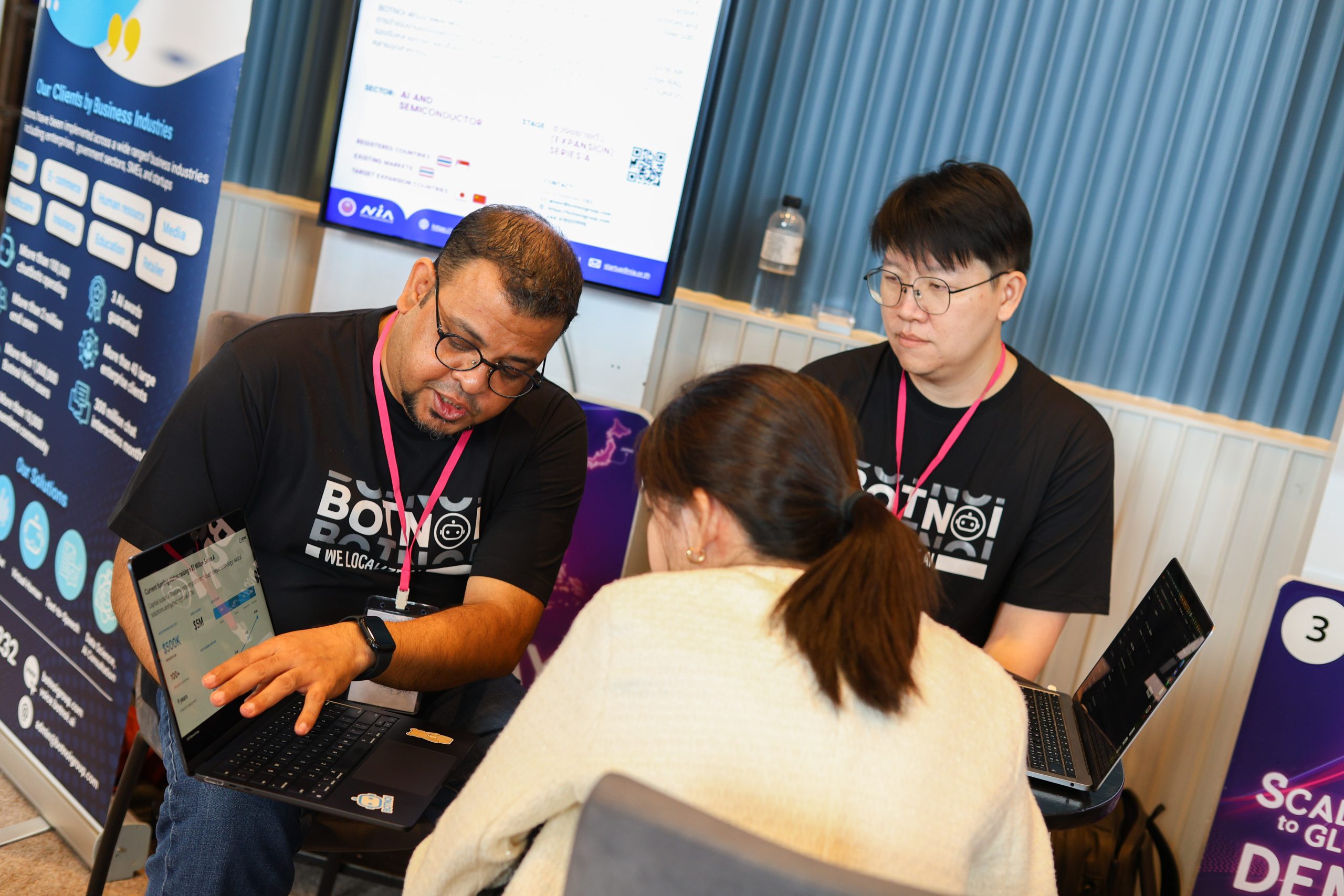
Beyond market intelligence, Startup Thailand Connext: GO ASEAN also featured experiences from three Thai startups that have already ventured into international markets: TIE Smart Solutions, BOTNOI Group, and ViaBus.

Their stories offer practical lessons on what it really takes to expand beyond Thailand.

TIE Smart Solutions: Build Trust with Evidence

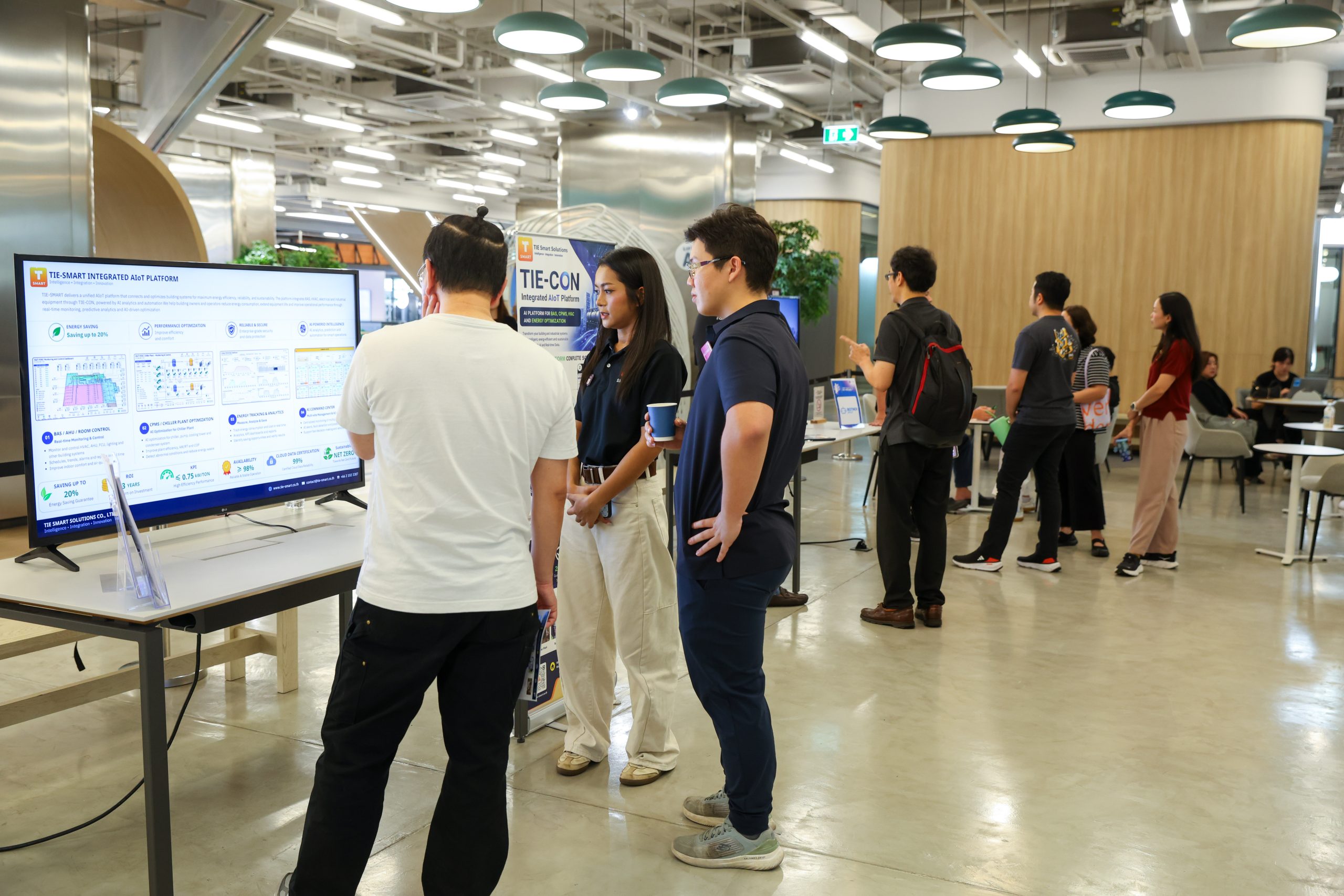
For TIE Smart Solutions, data became a tool for establishing credibility.

The company began by measuring and evaluating the energy-saving performance of its solutions for customers. This created a body of evidence that could demonstrate actual results before the company entered discussions with overseas partners.

Another important lesson was the decision to collaborate with local players rather than compete against them directly.

By transferring knowledge and working with local partners, the company could expand without having to deploy a full Thai team to manage every stage of operations.

The lesson is straightforward: evidence builds credibility, while partnerships make expansion scalable.

BOTNOI Group: Treat Market Entry Like Climbing a Mountain

BOTNOI Group compared international expansion to climbing a mountain.

Before reaching the summit, a company first needs to understand the route.

That means entering the market, observing local conditions, returning to refine the product, and finding the right people to make the journey with.

One particularly practical lesson is that localization does not always need to begin with heavy investment.

Foreign nationals already living in Thailand, for example, can sometimes serve as native-language testers and help startups develop prototypes or localized product versions before committing significant resources to the target country.

This allows companies to learn faster and reduce risk before making a larger market-entry investment.

ViaBus: Understand Who Really Shapes the Market

For ViaBus, understanding market structure is critical—particularly in businesses related to transportation and public services.

Every city has its own operators, stakeholders, decision-makers, and institutional dynamics.

Market research, therefore, cannot stop at competitor analysis.

Startups must understand who makes decisions, who influences those decisions, and which partners are essential to making the business model work.

ViaBus also demonstrated the value of presenting its product within a localized context, recreating scenarios relevant to the target country so that potential partners could clearly see how the technology would solve a specific local problem.

Across all three companies, one principle stands out:

International expansion should not begin with the question, “What do we have to sell?”

It should begin with:

“What problem does this market need solved—and how can we solve it?”


From Laos to Indonesia: There Is No Single Formula for GO ASEAN

Looking at Laos and Indonesia side by side reveals that these are not simply two markets of different sizes.

They can play fundamentally different roles in the growth strategies of Thai startups.

Laos offers geographical proximity and a growing position as a land-linked hub. It may be particularly relevant for companies operating in supply chains, manufacturing, food processing, logistics, and cross-border technologies, as well as startups seeking to test solutions in a market with certain similarities to Thailand.

Indonesia, by contrast, is a market for companies ready to operate at greater scale while managing a significantly higher level of complexity.

The strongest opportunities may be found among startups capable of contributing to the country’s rapidly developing digital, green, and wellness economies.

The decision between markets, therefore, should not begin with:

“Which country is bigger?”

It should begin with:

“Does this market’s problem match what our business is capable of solving?”

GO ASEAN Is Not Just About Selling Abroad. It Is About Growing with the Market.

Ultimately, the lesson from Startup Thailand Connext: GO ASEAN is not that every Thai startup should choose one particular ASEAN country over another.

It is about changing the way founders think about international expansion.

Going ASEAN is not a matter of packing a product that succeeded in Thailand and selling the same thing across the border.

It means entering a market prepared to learn.

What problems are customers trying to solve? How does the local ecosystem work? Which relationships matter? Where do decisions get made? And how must the product, business model, or partnership strategy change to fit the market?

In Laos, the opportunity may lie in becoming part of a more connected regional supply chain.

In Indonesia, the opportunity may lie in helping shape new sectors of an economy undergoing rapid transformation.

Yet whether the market is large or small, one principle remains constant:

Great technology alone is not enough. It must be supported by market understanding, the right partners, and the ability to adapt.

Because international growth does not happen simply when a company enters a market.

It happens when that company learns to understand the market, earn trust, solve a real problem, and grow alongside it over the long term.

34

Turning Pain Points into Opportunities: 3 Innovations from Startup Thailand League 2026

Turning Pain Points

into Opportunities:

3 Innovations from

Startup Thailand League 2026

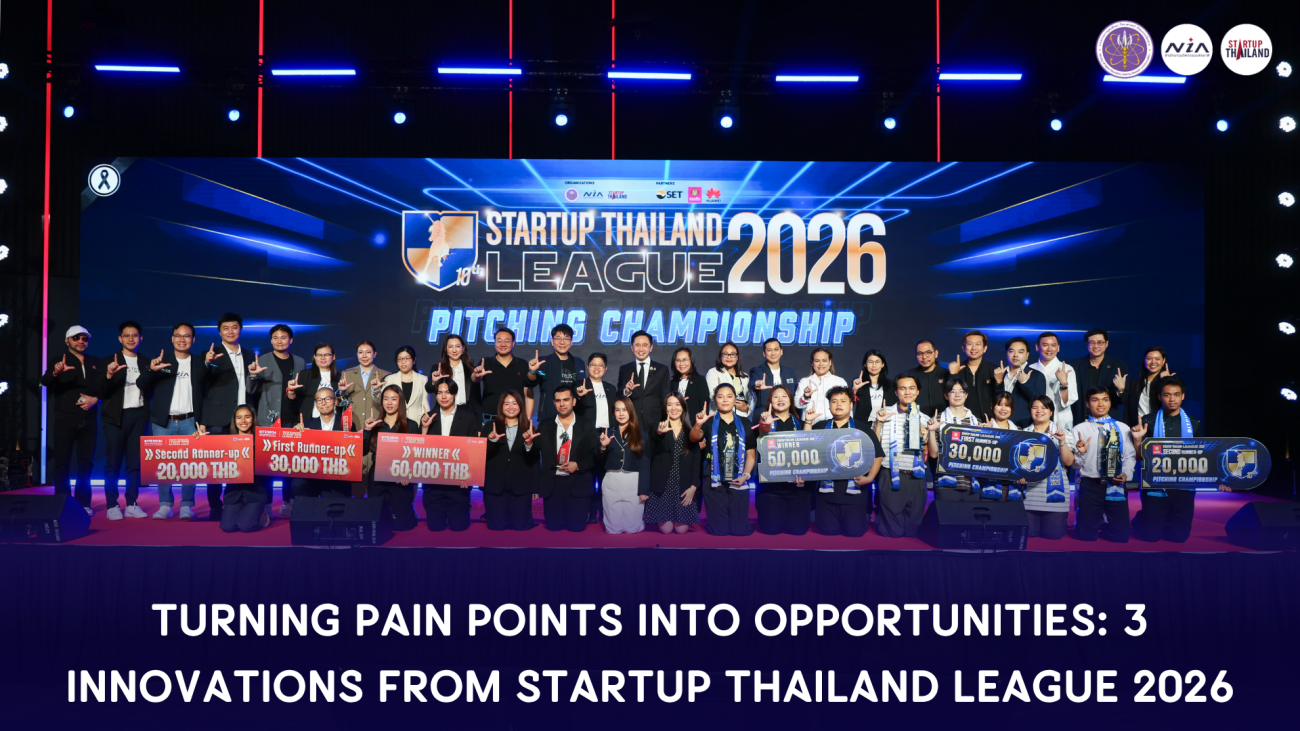
Startup Thailand League 2026, organized by the National Innovation Agency (Public Organization) or NIA, is evolving beyond a university competition. It is becoming an important platform for transforming academic knowledge, research and creativity into market-ready products and businesses.

This shift comes at a critical moment for Thailand, as the country confronts challenges ranging from environmental pressures and industrial transformation to the need to strengthen agricultural competitiveness.

What makes this year’s competition particularly compelling is not simply the novelty of the technologies presented. It is the way each team began with a real-world problem and applied knowledge and innovation to develop solutions with genuine commercial potential—from industrial materials and advanced textiles to agricultural productivity.

The three finalists highlighted below demonstrate how a new generation of innovators is creating fresh value for Thailand’s economy.

LuXene: Turning Waste into Lubrication for a Greener Industry

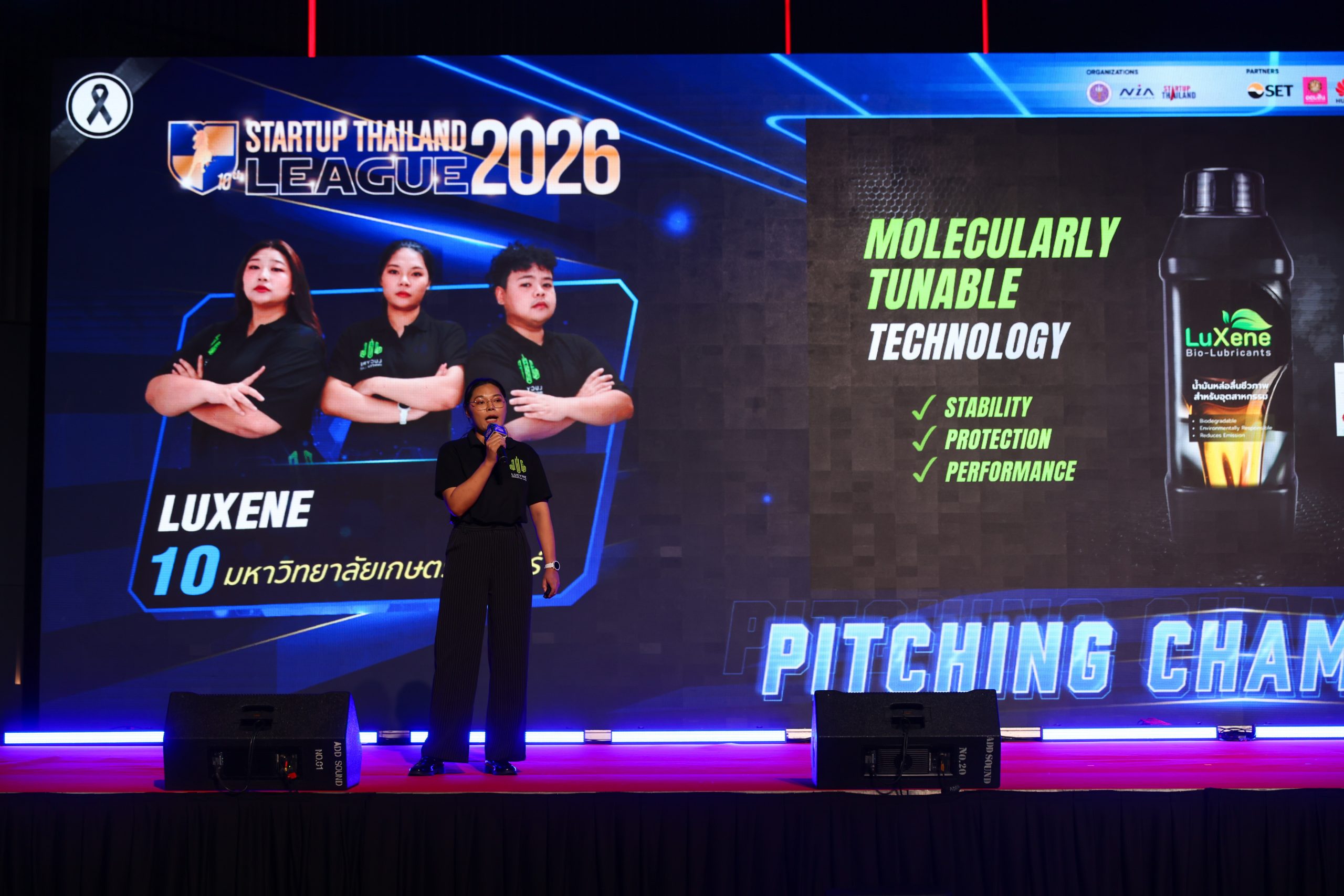
The first prize went to LuXene from Kasetsart University, a Deep Tech team developing bio-based industrial lubricants under a Waste-to-Value concept. Its mission is to transform industrial waste into high-value products.

Reducing dependence on fossil-based resources while lowering environmental impact has become a key priority for manufacturers. At the same time, lubricants remain essential to industrial production. LuXene addresses both challenges by converting lipid-based industrial waste—including materials derived from palm oil—into bio-based lubricants, initially focusing on cutting fluids for metalworking applications.

The team’s distinctive advantage lies in its use of molecular-level design to tailor lubricant properties for different machines and operating conditions. The resulting product also offers strong environmental benefits, with biodegradability of up to 69.2 per cent and a carbon footprint of less than 0.30 kilograms of carbon dioxide equivalent per litre—helping reduce the impact associated with petroleum-based lubricants.

LuXene is therefore more than an alternative lubricant. It is an example of how science and technology can unlock new value from existing resources—turning waste into raw materials and connecting university research with the needs of industry. This is precisely the kind of innovation that can help Thai manufacturing move towards greater efficiency and environmental responsibility.

urformance: Textile Technology Designed for a Hot and Humid Climate

Another standout was Siberian from Mahidol University, whose project, urformance, received first runner-up honours. The team applied textile technology to develop clothing suited to Thailand’s hot, humid climate and the increasingly active lifestyles of modern consumers.

Heat and humidity often lead to sweat accumulation, discomfort and unpleasant odours. urformance addresses these issues through a two-layer fabric structure. One layer draws moisture away from the skin, while the other spreads the moisture and accelerates evaporation, helping the wearer stay drier and more comfortable.

The fabric also incorporates micro-encapsulated fragrance technology, releasing a scent through movement and friction. Additional features include UV protection, antibacterial properties and odour control, allowing the product to serve purposes beyond conventional sportswear.

The concept, “One Outfit All Day,” reflects a product design philosophy rooted in consumer behavior. The aim is to create clothing that can move seamlessly from a morning workout into the rest of the day.

At the same time, urformance demonstrates how research and textile science can differentiate Thai products, respond to local environmental conditions and add new value to the country’s textile industry.

BNNK: Accelerating Agarwood Formation and Creating Greater Agricultural Value

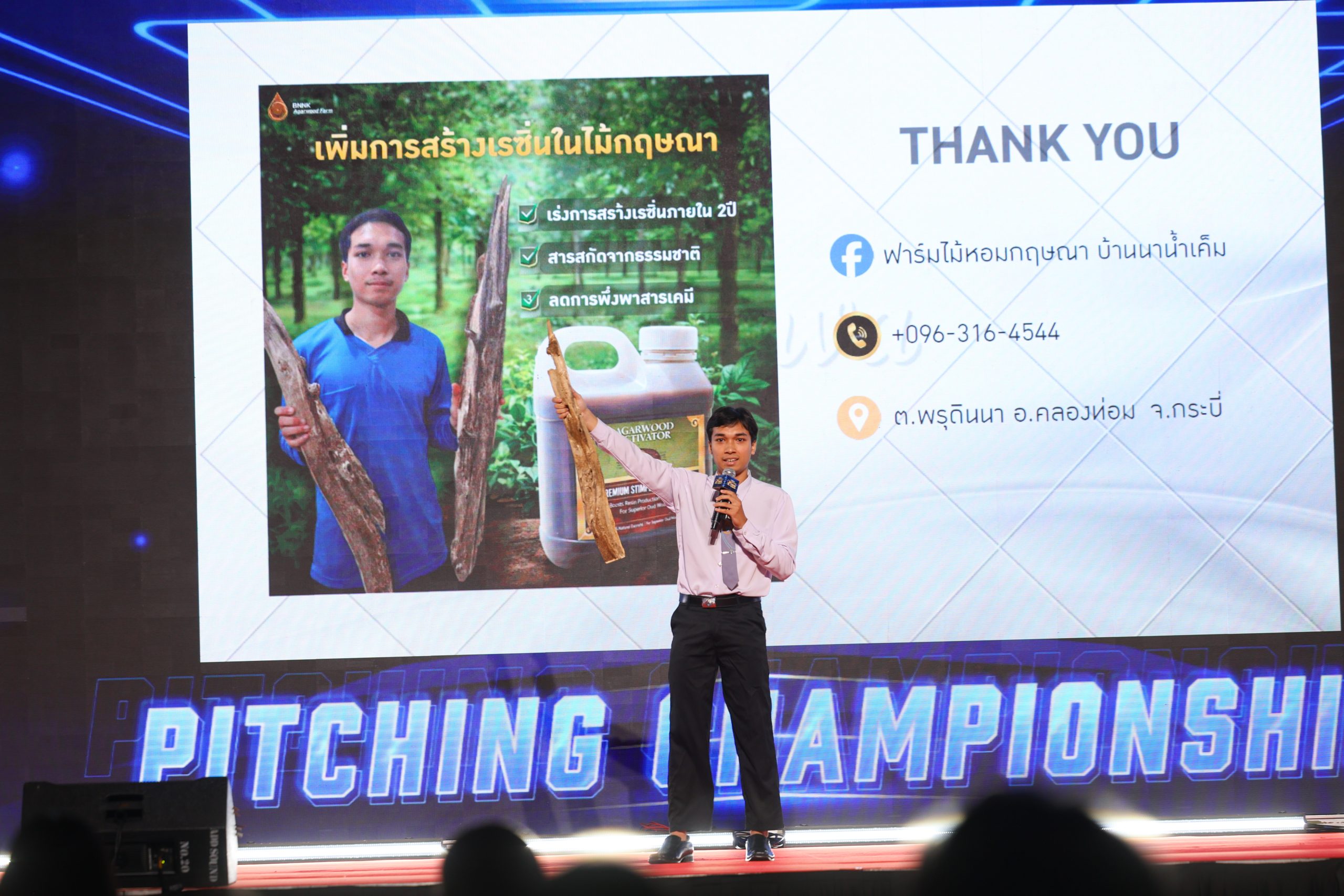
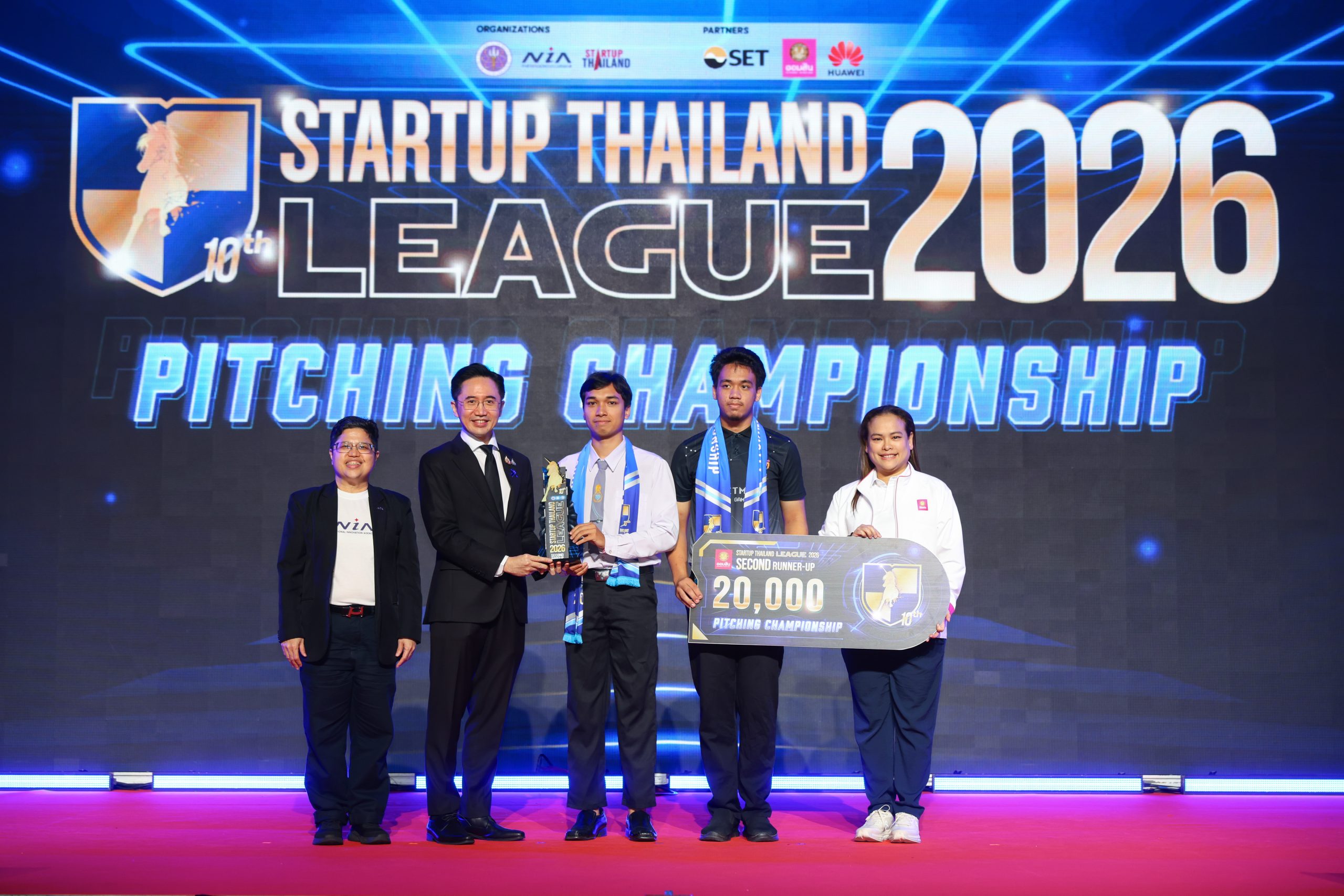
The second runner-up award went to BNNK, the team behind Baan Na Nam Khem Agarwood Farm from Thaksin University. The team developed an agricultural technology designed to address one of the sector’s most significant challenges: the long time required to form agarwood heartwood.

Agarwood is a high-value agricultural product used in perfumes, incense and premium lifestyle products. However, natural heartwood formation can take as long as six to seven years, leaving farmers to bear the costs of cultivation and maintenance while waiting for their harvest.

BNNK has developed a resin-inducing agent that can reduce the formation period to approximately two years.

Beyond shortening the production cycle, the innovation focuses on preserving wood quality and improving product safety. It also supports more effective prediction of essential oil formation and heartwood quality, helping farmers manage production with greater confidence.

The result is not merely higher agricultural output. It is a reduction in time—a critical cost for farmers. Shorter production cycles can improve planning, strengthen income opportunities and support the cultivation of premium-quality agarwood for markets across Asia and the Middle East.

BNNK illustrates how technology can strengthen agriculture at its source without replacing local resources or erasing regional identity. Instead, it brings scientific knowledge into the equation to improve the efficiency and value of what farmers already have.

From Three Innovations to a New Vision for Thailand’s Economy

Although the three teams come from different disciplines and address different challenges, they share one defining characteristic: each transforms knowledge into new economic value.

LuXene demonstrates how Deep Tech can convert waste into products for a greener industrial economy. 

urformanceshows how textile research can respond to both environmental conditions and changing consumer behavior. 

BNNK illustrates how science can overcome agricultural constraints, improve productivity and create stronger income opportunities for farmers.

Together, the teams embody a powerful progression:

Knowledge Innovation Product Business

This is at the heart of moving research from the laboratory into the marketplace. Innovation does not end with the creation of something new. Its true value lies in its ability to work in the real world, solve meaningful problems and generate economic and social impact.

The achievements of the Startup Thailand League 2026 therefore represent far more than the results of a competition. They reflect the potential of a new generation that is helping shape Thailand’s innovation-driven economy—one in which universities serve not only as sources of knowledge, but also as launchpads for entrepreneurs and businesses.

As Thailand faces intensifying competition driven by technological change, climate pressures and shifting economic structures, the ability to create value from knowledge will become increasingly important to the country’s competitiveness.

The three innovations emerging from the Startup Thailand League 2026 offer a clear reminder that meaningful change may begin closer than we think—within university campuses where young people are given the opportunity to turn ideas into innovations with real-world potential.

And when it comes to expanding into international markets, the starting point is not simply the question, “What can we sell in a new market?”

The more important question is:

“What problems is that market facing—and can our technology genuinely solve them?”

29

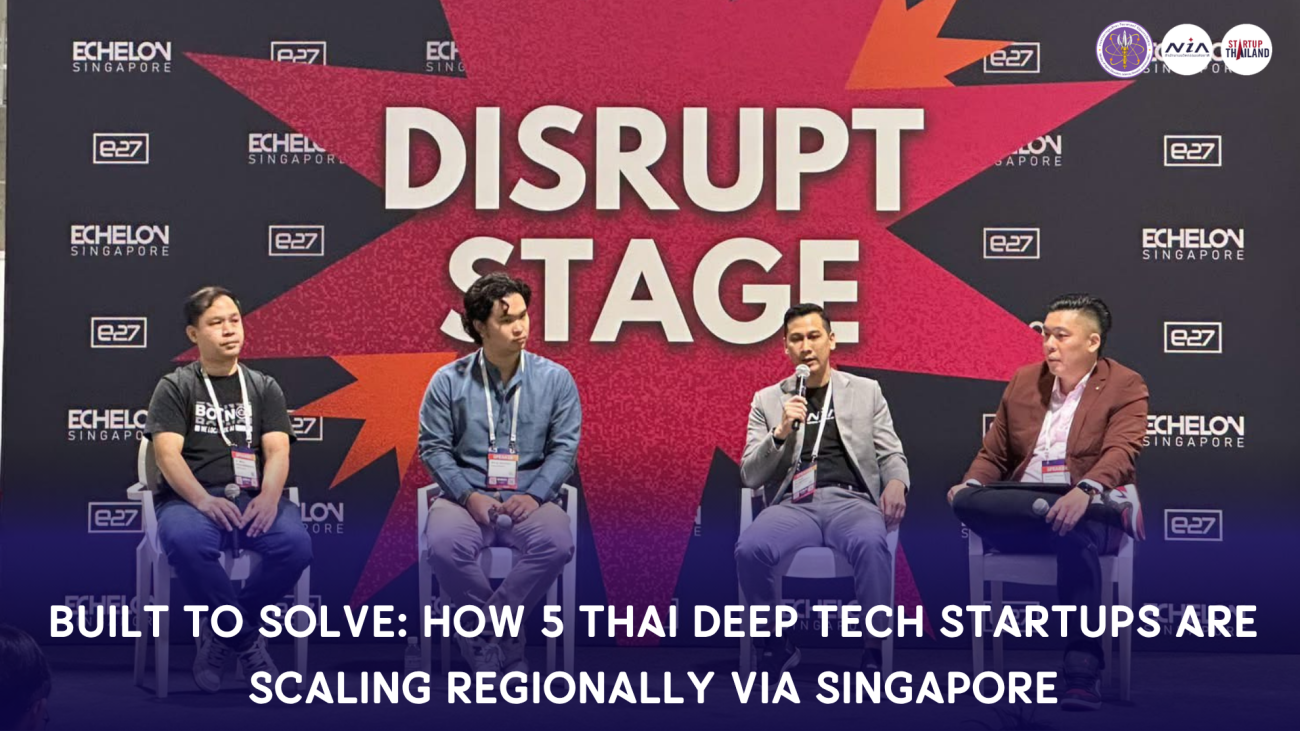
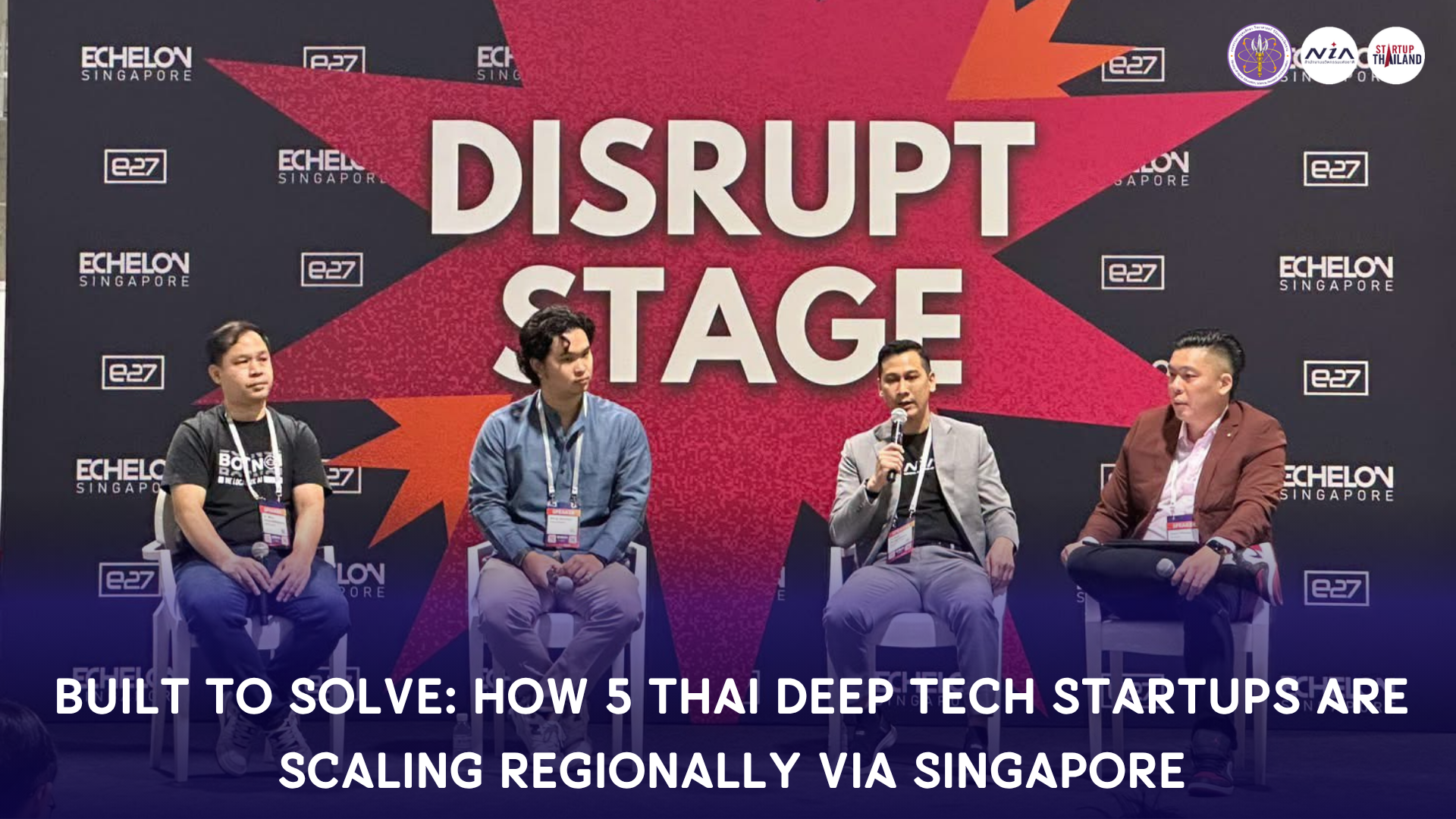
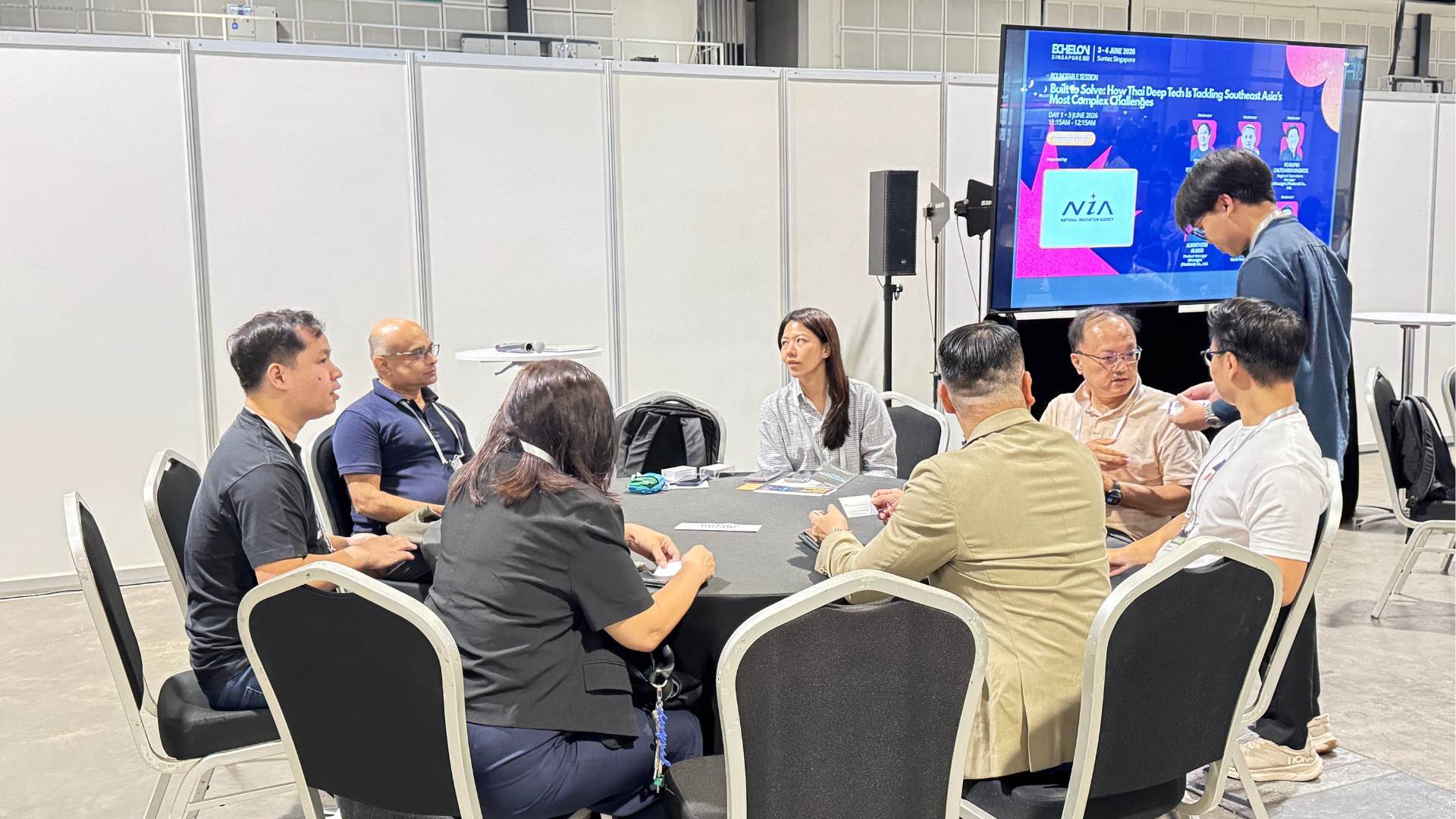
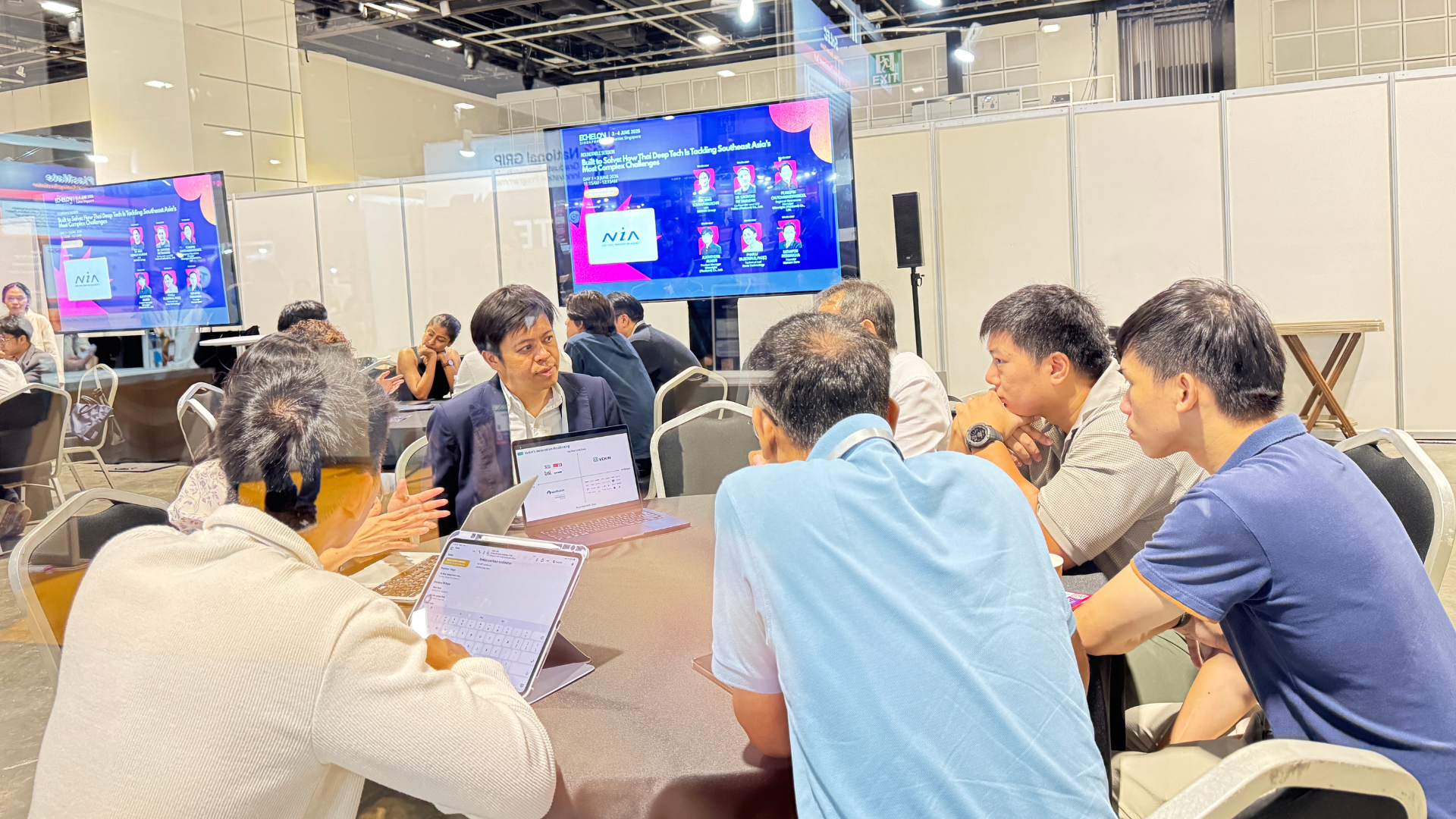
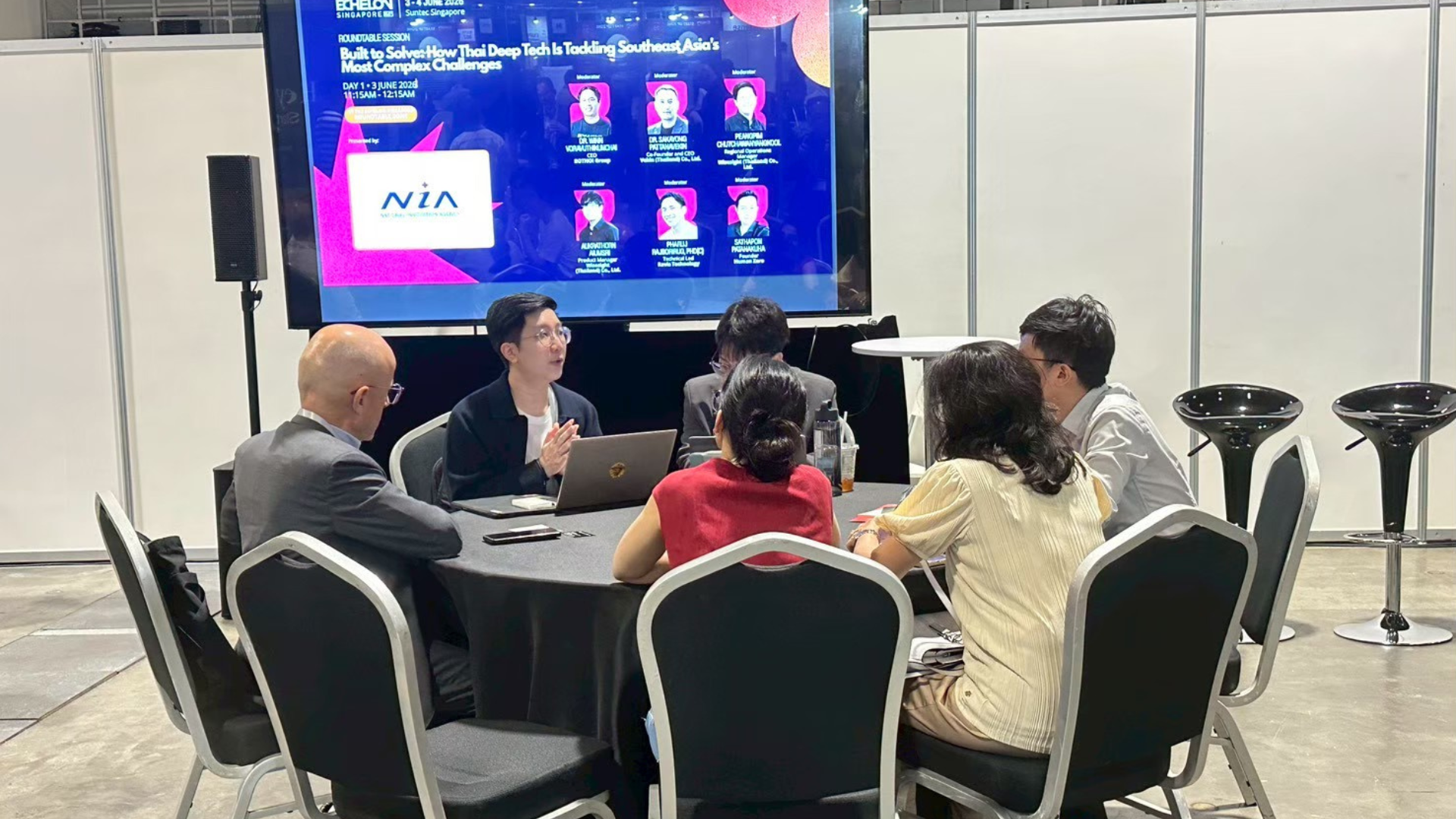
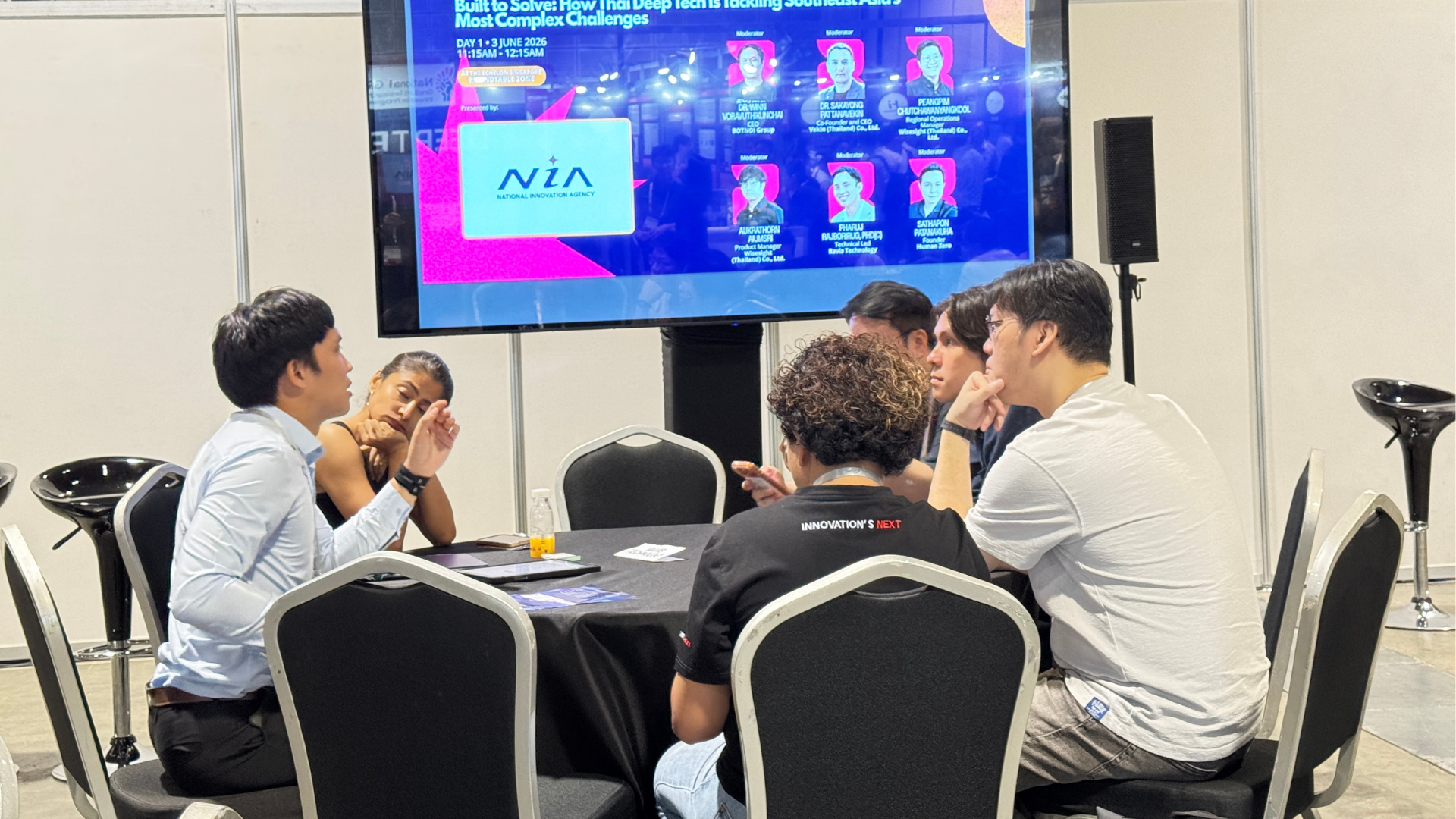
Built to Solve: How 5 Thai Deep Tech Startups Are Scaling Regionally via Singapore

Built to Solve: How 5 Thai Deep Tech Startups

Are Scaling Regionally via Singapore

Singapore may not be the largest market in ASEAN by population, but it is emerging as one of the region’s most important launchpads for startups seeking to validate enterprise-grade technologies and expand across Asia.

The Global Startup Ecosystem Index 2026, published by StartupBlink, reflects this momentum. Singapore has risen to fourth place globally for startup ecosystems, recording the fastest growth among the world’s top 10 ecosystems at 24.4%. Singapore City has also entered the global Top 10 for the first time, ranking 10th with an impressive growth rate of 26.7%.

This growth represents more than an increase in the number of startups. It reflects the scale of ecosystem activity, the quality of businesses and capital, and the maturity of the wider business environment—factors that have strengthened Singapore’s position as a hub for entrepreneurs, investors, technology companies and regional enterprises.

In 2026, Singapore continues to serve as a strategic base for companies managing operations across Asia. According to the Singapore Economic Development Board (EDB), the country is Asia’s leading destination for regional headquarters, supported by world-class infrastructure, skilled talent, strong connectivity and a business-friendly environment.

For Thai startups, Singapore is therefore more than a “new market”. It is a platform for validating technology, building credibility, connecting with strategic partners and expanding into other ASEAN markets.


Beyond Innovation: A Market That Demands Results

One of the biggest mindset shifts required when entering Singapore is moving beyond selling technology and toward demonstrating business outcomes.

Large enterprises are rarely persuaded by innovation alone. They invest in technology when it can clearly solve a problem, improve efficiency, reduce costs, mitigate risk, or create measurable business value.

The AI sector provides a compelling example. In 2026, Singapore’s focus has evolved from AI experimentation to enterprise-scale implementation. The government has committed SGD 1 billion over five years to support AI research, commercial deployment, and talent development. At the same time, policymakers are strengthening frameworks around Responsible AI and AI Governance to build trust in enterprise adoption.

A notable milestone is the introduction of the Model AI Governance Framework for Agentic AI, providing guidance for organizations deploying autonomous AI systems responsibly. The framework seeks to balance innovation with accountability, emphasizing risk management, transparency, and human oversight.

As a result, market entry no longer ends with a convincing product demonstration. Startups must be prepared to progress through pilots, proofs of concept, measurable validation, and eventually enterprise-wide deployment.

For Thai Deep Tech companies, this presents a unique opportunity. Singapore is increasingly rewarding technologies that are not only sophisticated but demonstrably effective.

Five Thai Startups, Five Opportunities

The journeys of Thai startups entering Singapore reveal an important common thread. Despite operating across different industries, each company is focused on connecting technology to real business challenges and creating tangible value for organizations.

Botnoi Group: From Chatbots to Enterprise Agentic AI

As AI evolves from an experimental tool into enterprise infrastructure, the opportunity extends well beyond chatbot development.

Botnoi Group brings extensive experience working with enterprise clients in Thailand and is leveraging that foundation to position itself as a provider of Agentic AI solutions. Acting as an engineering layer above foundation models, these systems can orchestrate complex, multi-step workflows while adapting to the specific operational needs of each organization.

In this environment, success is no longer measured by whether AI can answer questions. The true benchmark is whether AI can perform meaningful work and generate measurable business outcomes.

For Botnoi, Singapore represents an ideal market in which to translate proven experience into enterprise-scale AI adoption.

VEKIN (Thailand): When Climate Tech Becomes Business Infrastructure

Climate Tech is emerging as another major growth opportunity in Singapore. What was once viewed as a matter of corporate reputation is rapidly becoming an essential component of risk management, compliance, and business strategy.

Climate disclosure requirements continue to expand, with companies within the Straits Times Index expected to report Scope 3 greenhouse gas emissions beginning in Financial Year 2026. At the same time, the Singapore Exchange (SGX) continues aligning sustainability reporting standards with global frameworks.

Against this backdrop, VEKIN has the opportunity to move beyond the role of a conventional ESG platform and position itself as a critical data infrastructure provider.

Its technology enables organizations to systematically collect, analyze, and manage energy and carbon data, transforming fragmented information into actionable intelligence that supports reporting, auditing, compliance, and strategic decision-making.

Wisesight: Transforming Social Listening into Intelligence Infrastructure

Marketing analytics may not immediately come to mind when discussing Deep Tech. Yet in an economy driven by real-time decision-making, the ability to transform massive data streams into actionable insight remains a powerful competitive advantage.

Wisesight has the opportunity to evolve beyond social listening and become an enterprise intelligence infrastructure platform.

By analyzing online conversations and digital behavior, the company can help organizations improve marketing effectiveness, strengthen brand management, understand consumer trends, and respond proactively to emerging risks.

Its competitive edge lies not in the volume of data collected, but in its ability to turn information into timely insights that support better business decisions.

This positioning is particularly relevant in Singapore, where many regional headquarters require intelligence to guide operations across multiple markets simultaneously.

Ravis Technology: Unlocking Opportunities in HealthTech and Life Sciences

The HealthTech and Life Sciences sectors offer significant opportunities for technologies that can streamline highly regulated and document-intensive processes.

Ravis Technology develops AI-powered compliance solutions designed to reduce manual workloads and minimize the risk of errors associated with regulatory documentation and submission processes.

In Singapore, the path to growth may not begin with direct software sales. Instead, collaboration with healthcare providers, research institutions, and industry stakeholders can create opportunities for co-development and validation.

This approach allows Thai innovators to better understand market-specific requirements while building credibility through partnerships with established organizations.

Guardian AI Lab (Human Zero): Building Trust Before Scale

For early-stage startups such as Guardian AI Lab, the initial opportunity in Singapore may not be immediate revenue generation. Instead, it lies in building trust, developing relationships, and gaining a deeper understanding of enterprise challenges.

The company combines workflow automation with cybersecurity principles to help organizations reduce repetitive tasks while strengthening operational security.

At an early stage, success depends on establishing credibility, understanding data governance requirements, and identifying the right use cases before progressing toward pilot projects.

Guardian AI Lab demonstrates that entering a sophisticated market does not always begin with selling. Sometimes it begins with listening, learning, and earning a seat at the right table.

Singapore as a Gateway to Regional Scale

The experiences of these five startups point to a broader lesson: expanding into Singapore should not be viewed merely as entering a new market. It should be viewed as preparing a company for regional competition.

Singapore remains Asia’s leading hub for regional headquarters, hosting global corporations that oversee operations across multiple countries from a single location.

For technology startups, this creates access not only to customers, but also to multinational enterprises, investors, strategic partners, and decision-makers responsible for regional growth.

At the same time, Singapore continues to strengthen its support for Deep Tech innovation. Through Budget 2026, the government allocated SGD 1 billion to support Deep Tech investment across both early and growth stages through initiatives such as Startup SG Equity.

This makes Singapore far more than a market of potential buyers. It is an ecosystem that brings together customers, investors, partners, and support structures capable of accelerating regional expansion.

From Local Success to Regional Growth

Thailand remains an excellent environment for product development and customer acquisition. However, as startups pursue venture-scale growth, domestic success alone may no longer be enough.

Accessing international markets, regional corporations, and global investors becomes an essential part of the scaling journey.

Singapore illustrates that scaling does not require relocating an entire business. Instead, it involves leveraging the strengths of different markets. Thailand can continue serving as a base for innovation and product development, while Singapore provides access to strategic partnerships, regional enterprises, and broader ASEAN opportunities.

The Real Opportunity for Thai Deep Tech

Ultimately, the future of Thai Deep Tech is not defined by who builds the most sophisticated technology. It belongs to those who solve the most meaningful problems.

Singapore is a demanding market. It seeks more than innovation for innovation’s sake. It values solutions that are practical, secure, trustworthy, and capable of delivering measurable results.

From AI and automation to Climate Tech, Data Intelligence, HealthTech, and Cybersecurity, these five Thai startups demonstrate a shared principle: real business challenges can become gateways to new markets when technology is translated into solutions that address genuine customer needs.

Perhaps that is the most important lesson of all.

Scaling into Singapore does not begin with the question, “How advanced is our technology?”

It begins with a far more important one:

“What problem can we solve, and for whom?”

When that answer is clear, Singapore becomes more than a destination. It becomes a launchpad for validation, partnership, investment, and regional growth, enabling Thai innovation to compete not only across ASEAN, but on the global stage.

Turning Opportunity into Regional Impact

Recognizing this potential, Thailand’s National Innovation Agency (NIA) continues to support startups seeking international growth through the Scaleup to Global 2026: Gateway to ASEAN program.

The initiative is designed to connect Thai startups with business opportunities, investors, strategic partners, and innovation networks across the region. Support extends beyond market exposure to include market-entry preparation, ecosystem engagement, business matching, partnership development, and long-term growth strategies.

Because true scale is not achieved simply by having great technology. It comes from understanding which problems to solve, identifying the right customers and partners, and converting opportunity into sustainable growth.

From Singapore to the wider ASEAN market, NIA is helping Thai startups move beyond domestic boundaries, connect with regional innovation ecosystems, and transform Thailand’s technological strengths into businesses capable of scaling on the global stage.

30

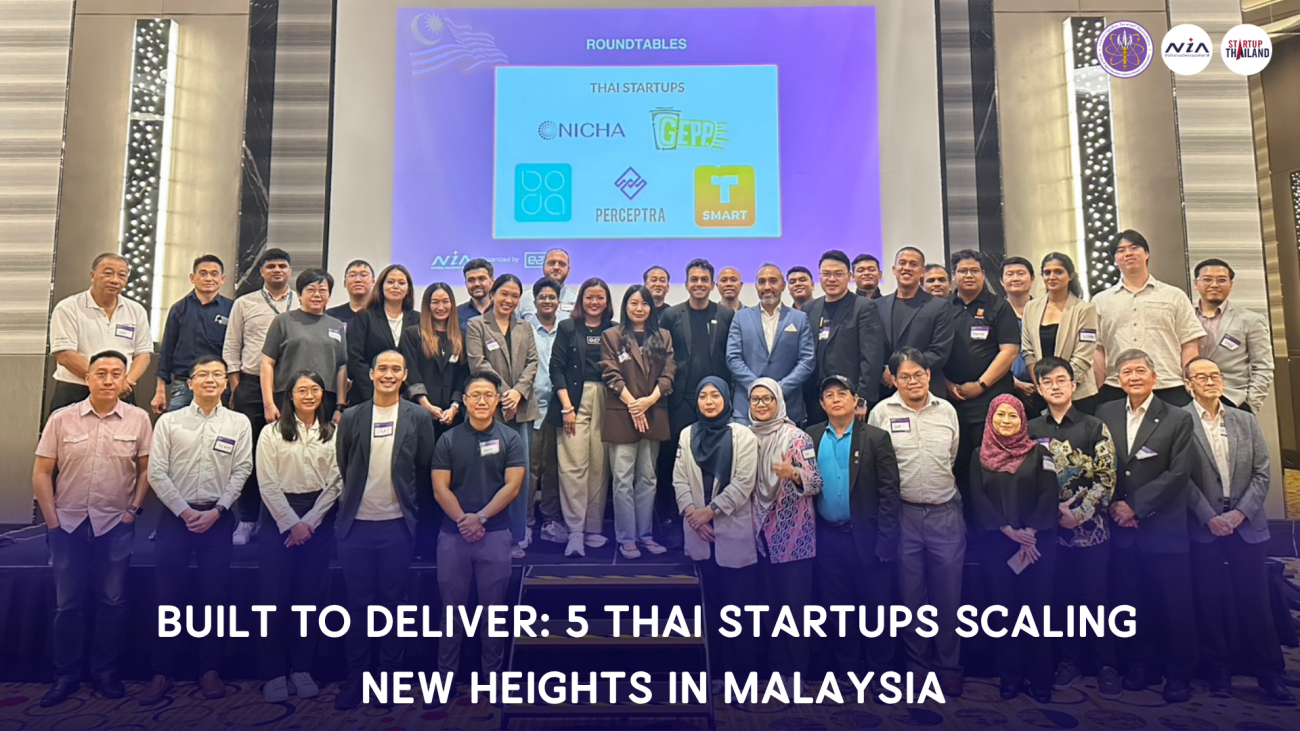
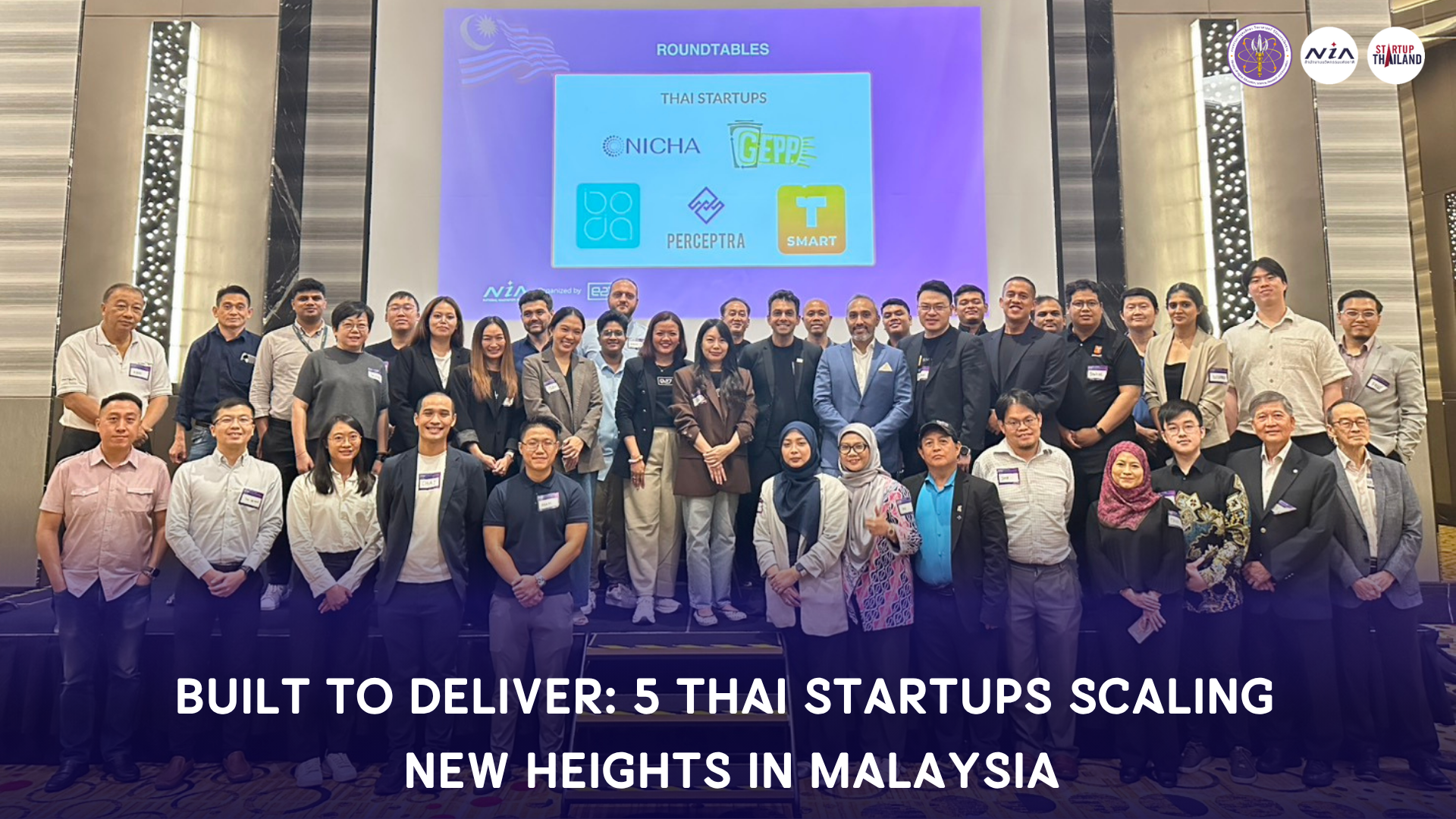
Built to Deliver: 5 Thai Startups Scaling New Heights in Malaysia

Built to Deliver: 5 Thai Startups Scaling

New Heights in Malaysia

Malaysia may not be the largest market in ASEAN, but it is quickly emerging as one of the region’s most compelling destinations for Thai startups seeking to expand beyond their home market. This is particularly true for businesses working in Deep Tech, AI, Energy, Climate Tech, HealthTech, and ESG—fields with the potential to address the needs of major industries and enterprises directly.

According to the Global Startup Ecosystem Index 2026 by StartupBlink, Malaysia ranks 41st globally for its startup ecosystem, climbing three places from the previous year. It remains the second-ranked ecosystem in Southeast Asia. Kuala Lumpur ranks 71st globally and third in the region, while George Town, Penang, ranks 361st worldwide.

Meanwhile, the Global Innovation Index 2025 by the World Intellectual Property Organization (WIPO) places Malaysia 34th out of 139 economies worldwide, and second among upper-middle-income economies. These rankings reflect the country’s strength not only as a market, but also as a base for technology development and the commercial application of knowledge and innovation.

For Thai startups, these figures suggest that Malaysia is more than simply a “new market.” It is a strategic environment in which to validate technology, build partnerships, access large enterprises, and expand into other ASEAN markets.

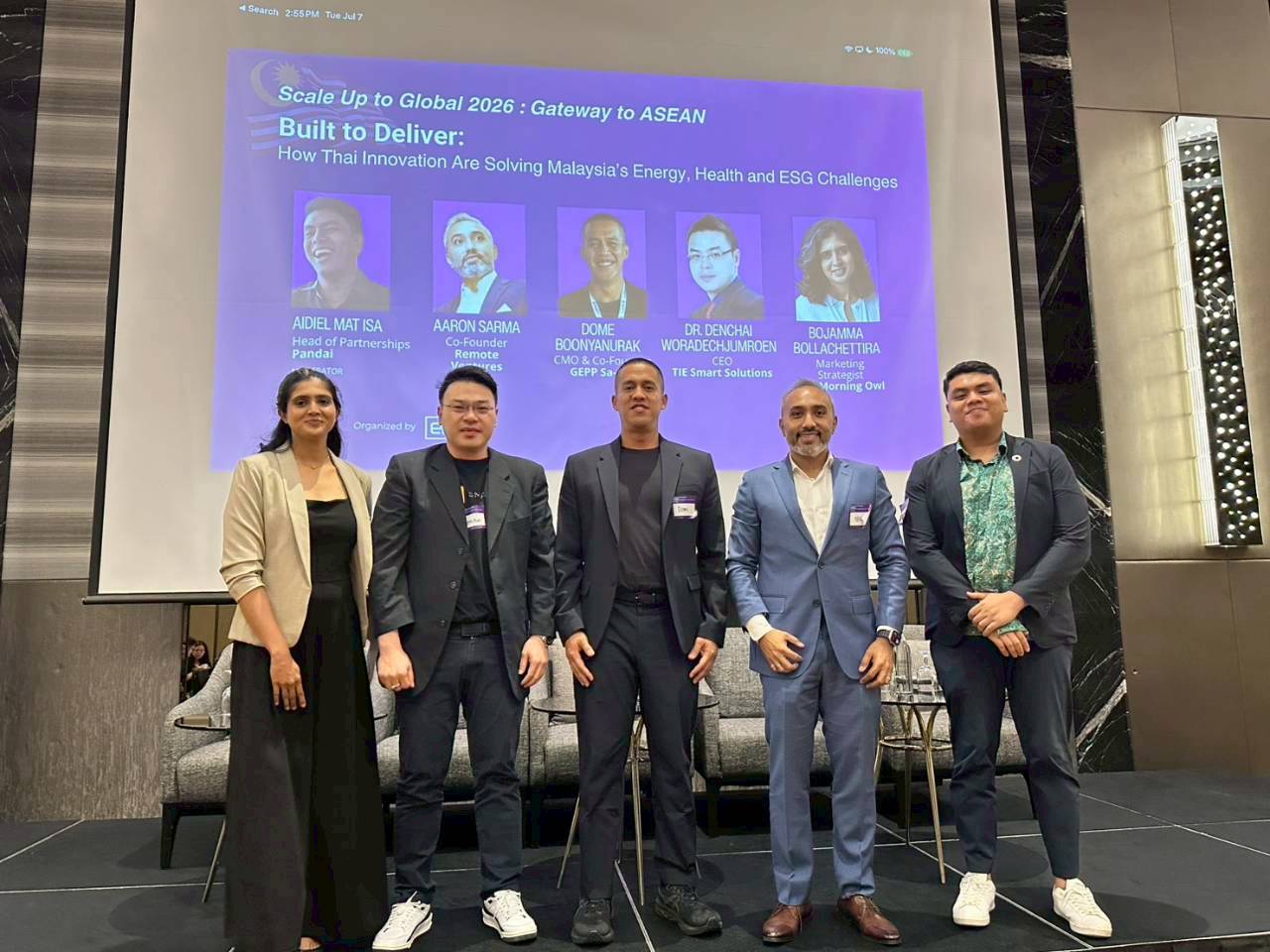
This is the context behind the journey undertaken through the Scale Up to Global 2026: Gateway to ASEAN programme, led by the National Innovation Agency (Public Organization), or NIA. The programme brings five high-potential Thai startups into the Malaysian market to connect with enterprises, investors, and business partners, while exploring opportunities to deploy and test their technologies in real-world settings.

A Market Looking for More Than Technology

The challenge of expanding into Malaysia is not simply demonstrating how advanced a startup’s technology may be. The greater task is to show customers and partners what problem the technology solves and how it can deliver tangible business results.

In the B2B market, decisions to adopt new technology often involve multiple stakeholders—from senior management and operations to IT, procurement, finance, and sustainability teams. A product demonstration alone may therefore not be enough. Enterprises want evidence that a solution can be integrated with existing systems, operates at an appropriate cost, and produces measurable outcomes.

This is why a pilot project has become one of the most important tools for startups entering a new market. It allows an organization to test a technology within a controlled scope before committing to broader commercial deployment.

For Thai startups, entering Malaysia should therefore involve more than preparing a product pitch. They must also prepare a pilot proposal that clearly answers several fundamental questions: What is the problem? What resources are required? How long will the pilot take? What results are expected? And if the pilot succeeds, how can it be scaled?

Five Thai Startups, Five Opportunities Shaped by Real Business Needs

The Malaysian market entry of these five Thai startups demonstrates that opportunities in Deep Tech are not limited to any single industry. They can address some of the most pressing challenges facing organizations today—from decarbonization and healthcare to energy management, ESG, and building efficiency.

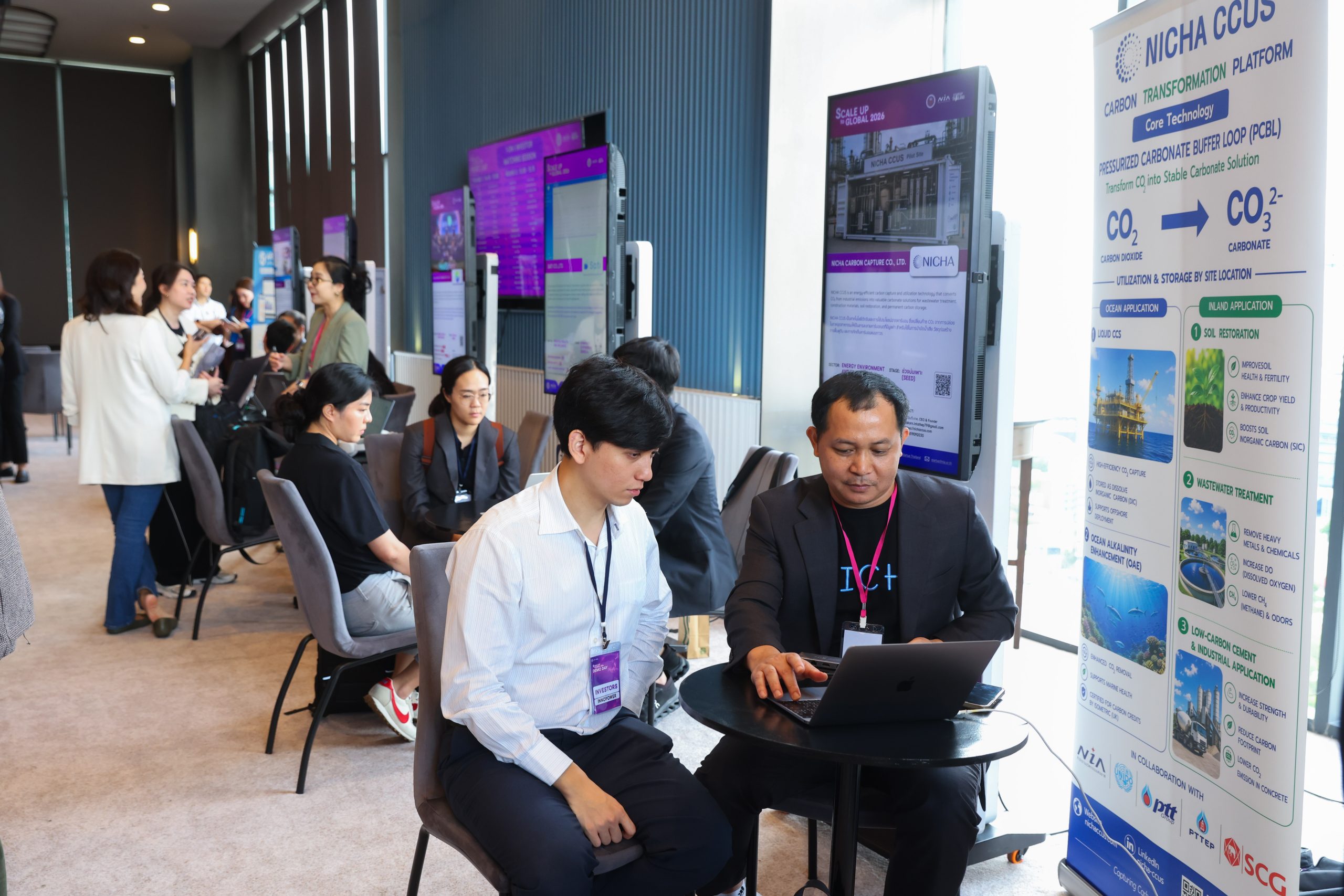
Nicha Carbon Capture: Decarbonization in Practice

Industries are under growing pressure to reduce greenhouse-gas emissions. Yet decarbonizing heavy industry remains challenging, constrained by cost, technology, and the realities of existing production processes.

Nicha Carbon Capture brings carbon-capture technology to this challenge. Its greatest opportunity lies not only in presenting the technology, but also in identifying suitable environments in which it can be tested and its ability to deliver measurable emissions reductions can be demonstrated.

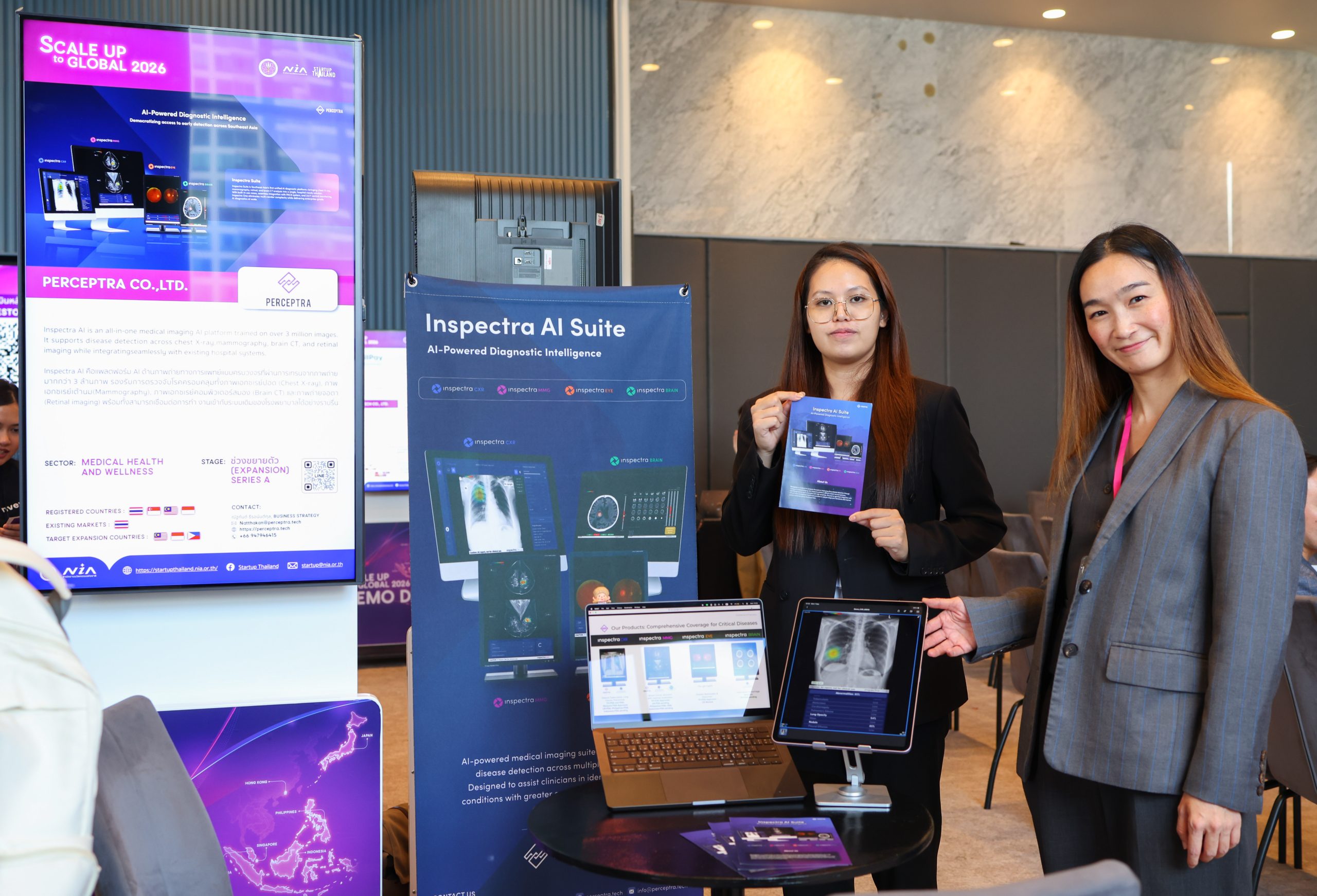
Perceptra: Using AI to Strengthen Healthcare

Healthcare systems are facing rising patient numbers, growing demand for screening, and limitations in medical personnel. Perceptra applies AI to screening and preventive health-risk assessment, helping improve operational efficiency and extend the capacity of healthcare systems.

The key to entering the market is building confidence—confidence in the solution’s accuracy, safety, compatibility with existing systems, and compliance with healthcare-sector requirements.

Energy Response: Smarter Operations

For organizations operating large buildings or industrial facilities, energy consumption and engineering-system management are significant costs that can directly affect operational performance.

Energy Response uses AI and automation to monitor, analyze, and manage energy systems. Its goal is to help organizations move beyond a reactive approach towards more predictive, responsive, and efficient operations.

GEPP Sa-Ard: Turning ESG Data into Business Value

As organizations collect ESG and sustainability data from multiple departments and locations, the challenge is no longer simply to complete the required reports. The data must also be accurate, verifiable, and useful for decision-making.

GEPP Sa-Ard addresses this need with a platform for ESG and circular-economy data management. The platform connects information on waste management and recycling with broader business processes, helping organizations turn sustainability data into a source of operational insight and value.

TIE Smart Solutions: Energy Efficiency at Scale

Buildings and factories are critical areas for reducing energy consumption, particularly through improvements to HVAC systems, which often account for a substantial share of total energy use.

TIE Smart Solutions applies AI to improve HVAC performance, helping reduce energy consumption and enhance building management. Its central challenge is to demonstrate energy savings that can be measured, verified, and translated into clear business value.

Together, these five companies share one important shift: moving from “technology-led” to “problem-led” thinking. Instead of beginning with the technology they have developed, they begin with the customer’s challenge and design a form of collaboration that can be implemented in practice.

From Startup Ecosystem to Business Opportunity

One of the most important lessons for Thai startups entering Malaysia is that the country should not be viewed as a single, uniform market.

StartupBlink’s 2026 data shows that Malaysia’s startup ecosystem has grown by 18.9%, with Kuala Lumpur remaining the country’s primary hub. Other cities, however, offer distinct strengths and opportunities.

For startups working in AI, enterprise technology, and corporate solutions, Kuala Lumpur may be the most suitable starting point for accessing large enterprises, investors, and business networks.

Penang, meanwhile, is particularly attractive for businesses connected to manufacturing, electronics, and industrial technology, supported by its strong industrial base. Johor offers opportunities in logistics, supply chains, and cross-border solutions, strengthened by its close connection to Singapore.

Selecting the right market-entry point is therefore just as important as selecting the country itself. A strong local partner with a deep understanding of the industry, customers, and decision-making processes can significantly reduce the time, cost, and risk of entering the market.

Built to Deliver: Turning Business Matching into Business Problem-Solving

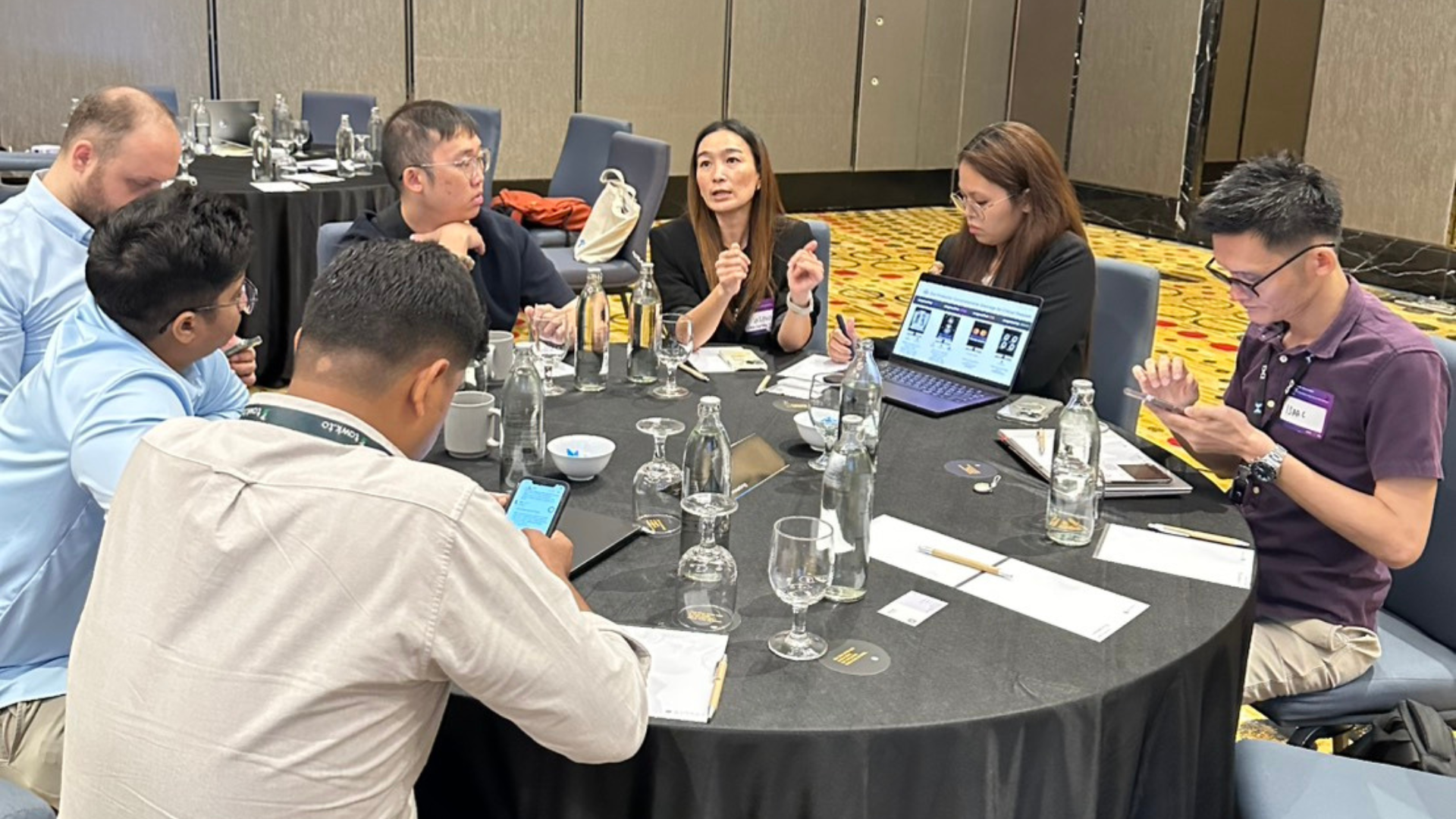
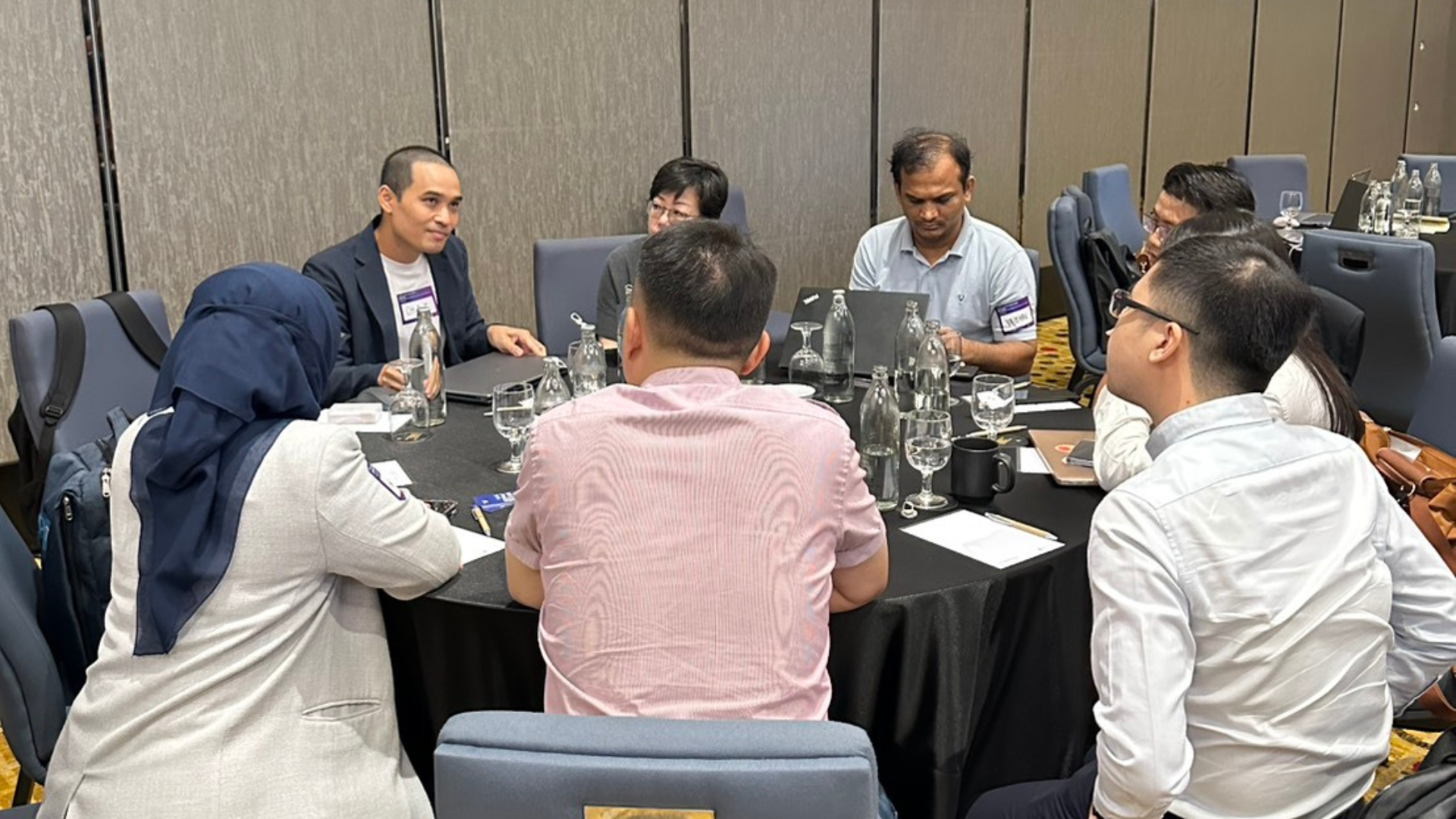
The concept of “Built to Deliver” served as the central theme of the roundtable session, “How Thai Innovation Is Solving Malaysia’s Energy, Health, and ESG Challenges.”

The discussion was not designed as a stage for startups to simply promote their products. Instead, it followed a practical progression:

Problem Current Solution Opportunity Pilot Long-Term Solution

For Nicha Carbon Capture, the key questions were: What obstacles are organizations facing in their decarbonization efforts? And what would give them the confidence to test a new technology?

For Perceptra, the discussion focused on the limitations of existing healthcare systems and what organizations need to see before adopting AI-assisted screening and diagnostic solutions.

For Energy Response and TIE Smart Solutions, the conversation centered on where energy inefficiencies occur and how organizations can measure the savings generated by new technologies.

Meanwhile, GEPP Sa-Ard invited organizations to consider whether ESG data, traditionally collected for compliance purposes, could become a tool for reducing costs, improving efficiency, and supporting better business decisions.

This approach transforms business matching from simply “getting to know one another” into “identifying problems that can be solved together.”

From Pilot to Commercialization

One of the most important lessons from entering the Malaysian market is that a pilot should not be viewed as the finish line. It should be the beginning of a commercial relationship.

A well-designed pilot should address, from the outset, what happens if the project succeeds. The next step could involve expanding the deployment area, increasing the number of users, signing a commercial agreement, or developing a long-term joint initiative.

The pathway to business expansion should therefore be:

Connection Conversation Pilot Commercialization Regional Expansion

A market-entry mission should not be measured solely by the number of meetings held. More meaningful questions are whether those meetings can lead to a pilot, partnership, investment, or commercial deal.

Malaysia: More Than a Destination Market—A Testbed for Scale

The journey of Nicha Carbon Capture, Perceptra, Energy Response, GEPP Sa-Ard, and TIE Smart Solutions demonstrates that the opportunity for Thai innovation in ASEAN lies not simply in taking products abroad, but in connecting technology with the real challenges faced by businesses.

From decarbonization and healthcare efficiency to energy management, ESG data, and building energy efficiency, all five solutions share a common challenge: proving that technology can generate measurable business results.

Once those results have been demonstrated, a single pilot can become a commercial deal with one customer, then evolve into a broader partnership and eventually open the door to other markets across the region.

For Thai startups, Malaysia may therefore be more than a market in which to begin selling products. It can be a proving ground—a place to demonstrate that Thai technology is truly “Built to Deliver” in the ASEAN market.

The National Innovation Agency (Public Organization), or NIA, continues to support the growth potential of Thai startups through the Scale Up to Global 2026: Gateway to ASEAN programme. By connecting Thai entrepreneurs with business opportunities, investor networks, and regional partners, the programme aims to transform the potential of Thai innovation into businesses capable of achieving sustainable growth in global markets.

IPT2026-002 Global Startup Hub 2026-7 สำเนา

Startup Thailand Connext: Scaling with AI

Startup Thailand Connext:

Scaling with AI

Charting Thailand’s AI Roadmap and Decoding the B2B Startup Playbook for the “Co-Pilot” Era

Artificial Intelligence (AI) is no longer a technology of tomorrow—it has become today’s indispensable co-pilot. Across industries, AI is transforming how organizations analyze data, make strategic decisions, streamline operations, and unlock entirely new business opportunities.

As this technological shift accelerates, entrepreneurs are asking increasingly important questions: How should Thai businesses adapt to the AI era? How can startups leverage AI to achieve sustainable growth? And what role does the public sector play in building an ecosystem that empowers innovation?

These questions took center stage at “Startup Thailand Connext: Scale with AI,” organized under the Global Startup Hub initiative by the National Innovation Agency (Public Organization) (NIA). Bringing together policymakers, technology experts, and successful founders, the event explored two defining themes: Thailand’s AI future and practical lessons from startups that have successfully penetrated the enterprise (B2B) market.

Thailand’s AI Forward: Building the Foundation for Tomorrow’s AI Ecosystem

The session “Thailand’s AI Forward: Opportunities for Thai Businesses in the AI Era and Government Support”brought together leading voices driving Thailand’s AI agenda:

  • Pariwat Wongsamran, Deputy Executive Director for Innovation System, National Innovation Agency (Public Organization) (NIA)
  • Chaianan Damrongrat, Researcher, AI Enhancement Research Team, Artificial Intelligence Research Group, National Electronics and Computer Technology Center (NECTEC)
  • Dr. Sithon Kulradathon, Acting Director of Policy and Strategy, Digital Economy Promotion Agency (depa)

A key discussion centered on Thailand’s strategic position within the global AI value chain.

While advanced AI chips, computing infrastructure, and frontier foundation models continue to be dominated by global technology giants, Thailand possesses a distinct competitive advantage in one critical area: applying AI to solve real-world business and industry challenges.

This opportunity lies in Thailand’s deep understanding of local contexts and industry-specific expertise—advantages that cannot easily be replicated elsewhere.

At the heart of this opportunity is localized data.

Whether in healthcare, manufacturing, agriculture, or other sectors, Thailand possesses rich domain-specific datasets that serve as valuable and defensible assets. These datasets provide the foundation for developing AI solutions tailored to local challenges—from assisting physicians with clinical diagnosis and optimizing factory production processes to enabling precision agriculture through data-driven decision-making.

Government agencies are also strengthening the ecosystem through coordinated support mechanisms that extend beyond funding.

NIA provides innovation grants while connecting startups with investors and international market opportunities.

NECTEC contributes essential AI infrastructure, including data platforms, high-performance computing resources, and open Thai-language large language models that businesses can build upon.

Meanwhile, depa accelerates AI adoption through digital transformation initiatives, tax incentives, certification frameworks, and market development programs that help Thai enterprises commercialize innovation.

Together, these complementary efforts demonstrate a shared national commitment to building an AI ecosystem that enables startups and businesses to innovate, scale, and compete globally.

B2B: How to Unlock Access to Corporate

If the first session painted the strategic landscape, the second offered something equally valuable: firsthand experiences from founders navigating the realities of selling technology to large enterprises.

The panel featured four accomplished Thai startups:

  • Vee Sirasoontorn, Co-founder & CEO, Primo
  • Choak Visavayodhin, CEO, MagicwandAI
  • Teeravee Sirinapasawasdee, CEO, Thai Cloud
  • Tavatchai Engbunmeesakul, CEO, Bot and Life

Although each company operates in different sectors, they shared a common insight.

Enterprise sales are rarely won by technology alone.

They are earned through trust, a deep understanding of customer challenges, and the ability to deliver measurable business outcomes.

Primo: Timing Can Be as Important as Innovation

Vee Sirasoontorn reflected on Primo’s journey in building its loyalty platform, emphasizing that securing its first enterprise client was not simply a matter of luck—it was about recognizing the right market timing.

Primo partnered with the 1 at a pivotal moment when the organization was seeking new collaborators to expand its loyalty ecosystem beyond its traditional business network. By offering a solution that aligned precisely with this strategic transition, Primo successfully positioned itself as the ideal partner.

Another key lesson was that in the AI era, software alone is no longer enough.

Primo has integrated AI capabilities to analyze customer behavior and automatically generate marketing insights, enabling marketers to make faster, more informed decisions.

As Veer summarized:

“Data only becomes valuable when it can be transformed into better business decisions.”

MagicwandAI: Founders Build Credibility Before Brands Do

For Choak Visavayodhin, the greatest challenge facing early-stage startups is establishing credibility before they have established customer references.

When case studies are limited, founders themselves become the strongest proof of value. Their expertise, experience, and commitment must convince customers that measurable results are achievable.

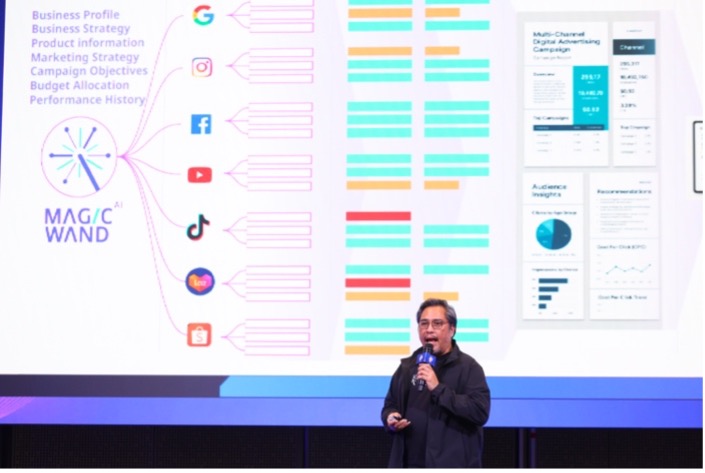
MagicwandAI strategically partnered with organizations that maintain substantial marketing budgets, demonstrating how AI could optimize media management and significantly reduce advertising costs. Once tangible business outcomes were achieved, credibility naturally followed.

Chok also highlighted another defining characteristic of today’s AI landscape: speed.

Rather than building every component from scratch, startups should leverage existing AI tools and platforms to accelerate product development and shorten time-to-market.

Thai Cloud: Sell Business Outcomes, Not Technology

Teeravee Sirinapasawasdee shared how Thai Cloud secured enterprise contracts even before the company had been formally incorporated.

Its advantage did not come from showcasing technology alone but from deeply understanding warehouse management systems and complex back-office operations.

Instead of discussing product features, Thai Cloud focused conversations on the financial consequences of inefficient inventory management, operational bottlenecks, and order processing errors.

By engaging directly with decision-makers—particularly finance and accounting executives—the company was able to clearly connect its solutions to measurable business value.

His core message was simple yet powerful:

“Don’t sell features. Sell the outcomes your customers want to achieve.”

Bot and Life: Commitment Creates Lasting Partnerships

Tavatchai Engbunmeesakul explained that building AI assistants for large enterprises often requires far more than technical excellence.

Winning long-term partnerships depends on a team’s willingness to work alongside customers, solve problems on-site, and continuously refine solutions until they deliver meaningful results.

This dedication builds trust that extends well beyond a single project and often leads to expanded collaborations.

He also stressed the importance of carefully studying competitors and identifying unresolved pain points within the market—opportunities that can become the foundation for future innovation.

Contract. Cash. Customer.

Three Essentials for Startup Resilience

Despite rapid technological change, the panel agreed that business fundamentals remain the cornerstone of sustainable growth.

Successful startups consistently excel in three areas:

Contract

Enterprise procurement processes are often slower and more complex than expected. Well-structured contracts and clear commercial agreements are essential for protecting business interests and managing operational risk.

Cash

Disciplined cash flow management remains critical. Founders must understand their financial position at all times and maintain sufficient runway to navigate uncertainty.

Customer

Ultimately, customer success is the strongest growth engine. Satisfied customers become trusted references, compelling case studies, and long-term partners who help unlock future business opportunities.

AI Is Not a Wave to Escape—It Is an Opportunity to Embrace

The defining message from Startup Thailand Connext: Scale with AI was unmistakable.

Artificial Intelligence is no longer simply another technological advancement. It is fundamentally reshaping how businesses think, operate, compete, and create value.

While government agencies continue to strengthen the infrastructure, policies, and support mechanisms that will power Thailand’s AI future, entrepreneurs must simultaneously enhance their ability to apply AI effectively, understand customer needs more deeply, and remain agile in an increasingly dynamic marketplace.

Because in the age of AI, success will not necessarily belong to those with the most advanced technology.

It will belong to those who can harness AI to solve meaningful problems, deliver measurable outcomes, and create lasting value for their customers.

IPT2026-002 Global Startup Hub 2026-8

EARLY-STAGE STARTUPS IN THAILAND: LEARNING FROM REGIONAL PATHWAYS FOR GREEN INNOVATION

EARLY-STAGE STARTUPS IN THAILAND:

LEARNING FROM REGIONAL PATHWAYS

FOR GREEN INNOVATION

How investors, policymakers, and innovation pioneers envision Thailand’s next chapter in Climate Tech and Green Innovation

As climate change reshapes industries and the global transition toward a green economy accelerates, building successful Green Innovation and Climate Tech startups requires far more than breakthrough technology. It demands an ecosystem where research, capital, commercialization, industry partnerships, and international expansion work seamlessly together.

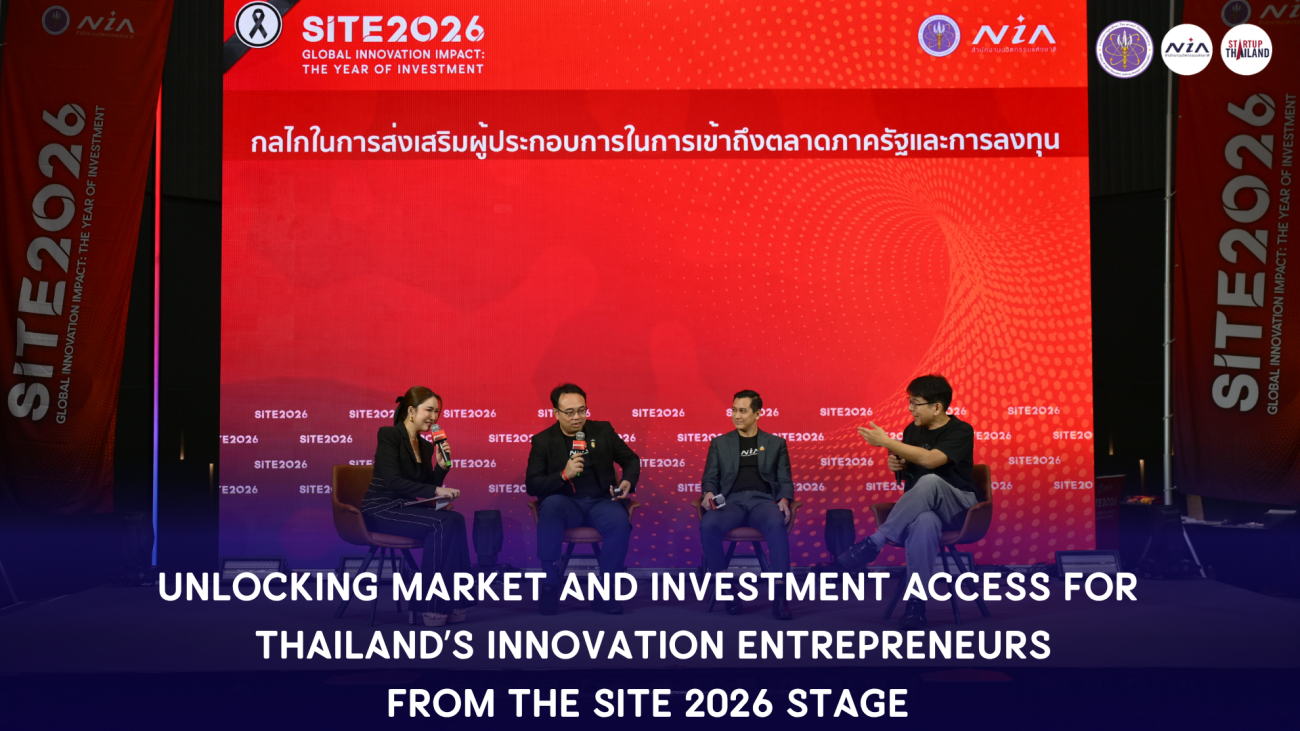
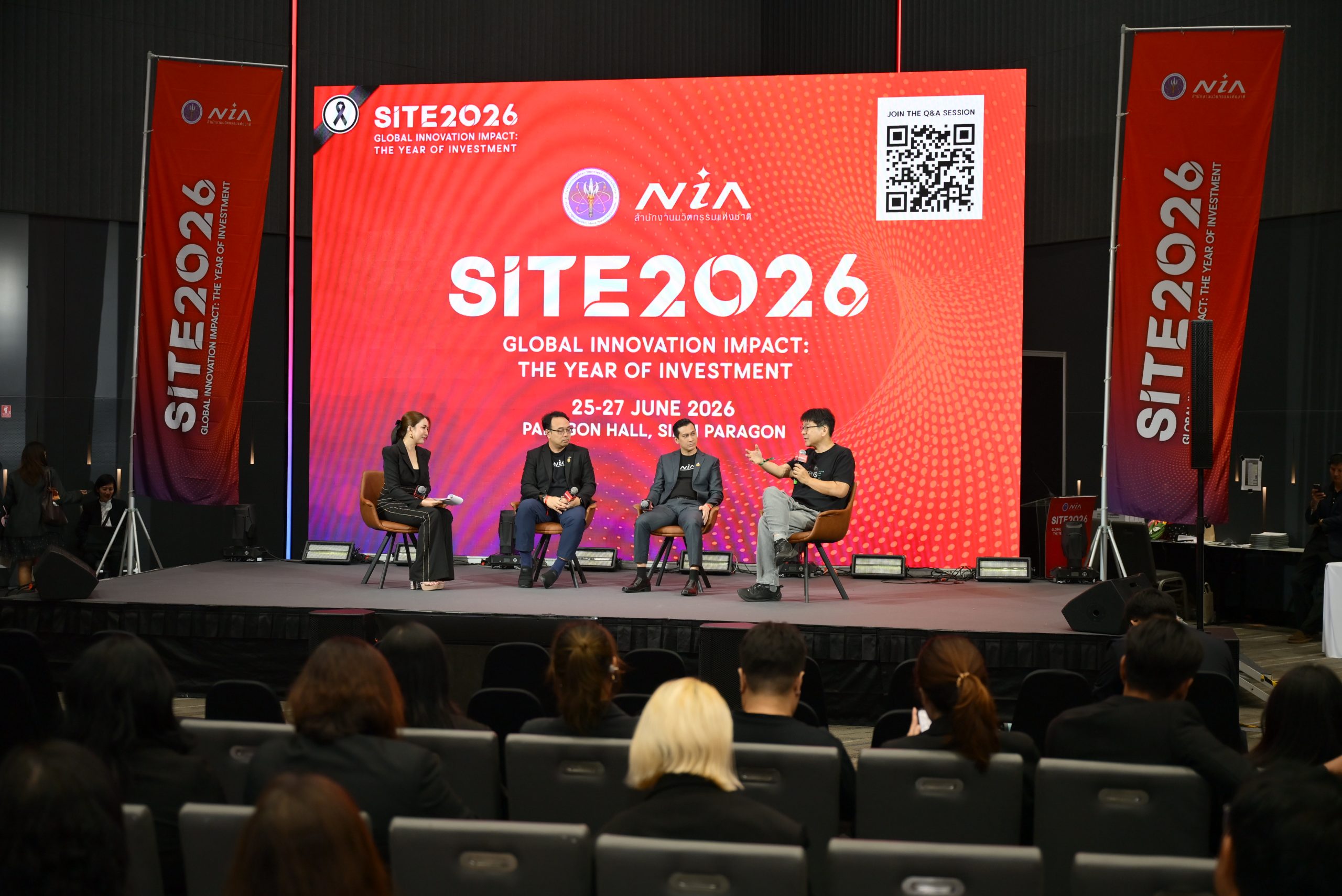
This was the central theme of “Early-Stage Startups in Thailand: Learning from Regional Pathways for Green Innovation,” one of the featured discussions at SITE 2026, where policymakers, investors, and innovation leaders gathered to examine how Thailand can cultivate a startup ecosystem capable of producing globally competitive ventures.

The panel featured Pariwat Wongsamran, Deputy Executive Director of Innovation System at the National Innovation Agency (Public Organization) (NIA); Nicha Erpaiboon, Head of Portfolio at The Radical Fund; and Dr. Keita Ono, Chief Innovation Officer at KX Knowledge Xchange. The discussion was moderated by Dr. Natcha Tulyasuwan, Country Director of New Energy Nexus Thailand.

Singapore Is Not a Blueprint—It’s a Source of Inspiration

Opening the discussion from an investor’s perspective, Nicha Erpaiboon shared insights from following Climate Tech startups across Southeast Asia. Today, more than half of The Radical Fund’s investment portfolio is based in Singapore—a reflection not only of its ecosystem, but also of the country’s market dynamics.

With a relatively small domestic market, Singaporean founders are compelled to think globally from day one. Many startups successfully expand into the United States and Europe as early as the Seed or Series A stage, embedding international scalability into their business strategy from the outset.

Equally important is Singapore’s well-connected “Lab-to-Market” ecosystem, where research institutions, funding mechanisms, testing facilities, and industry partners work together to accelerate commercialization. This integrated support system is particularly critical for Climate Tech ventures, whose technologies typically require longer development and validation cycles than conventional software startups.

Yet, the key takeaway for Thailand is not to replicate Singapore’s model. Instead, Nicha emphasized the importance of creating a uniquely Thai “playbook”—one that builds upon the country’s own strengths, industrial landscape, and economic context to transform research into commercially viable innovation.

Thailand’s Competitive Edge: A Regional Testbed for Innovation

From the public sector perspective, Pariwat Wongsamran highlighted that although Thailand may attract less venture capital than Singapore, it possesses several strategic advantages that are difficult to replicate elsewhere.

Thailand benefits from a growing network of Corporate Venture Capital (CVC) initiatives, innovation-driven corporations, and comprehensive industrial supply chains, particularly across agriculture, food, manufacturing, and biotechnology.

These strengths position Thailand as an ideal regional testbed, where emerging technologies can be validated in real-world environments before expanding into international markets.

Global sustainability regulations are further accelerating this opportunity. Mechanisms such as the Carbon Border Adjustment Mechanism (CBAM) are encouraging companies worldwide to seek cleaner technologies and low-carbon solutions, creating expanding market opportunities for Climate Tech startups.

However, Pariwat acknowledged one of Thailand’s longstanding challenges: many entrepreneurs remain focused primarily on the domestic market. While Thailand is large enough to launch a business, it is rarely large enough to sustain long-term global growth.

This is why NIA continues to champion the philosophy of “Global from Day One,” encouraging founders to build businesses with international markets in mind from the very beginning.

Bridging the Missing Link Between Research and Commercial Success

Dr. Keita Ono pointed to another critical gap within Thailand’s innovation landscape.

While the country has established numerous universities and startup incubators, it still lacks sufficient accelerators capable of systematically transforming research into internationally scalable businesses.

To address this challenge, KX developed the Tech Bite program under its Spin-in Model, enabling corporations to unlock underutilized intellectual property (IP) and research assets by partnering with external startups to create entirely new businesses.

One compelling example is KX’s collaboration with Ajinomoto, which secured more than US$10 million in investment from the parent company within just three months.

The case demonstrates how effectively connecting research, technology, corporate partners, and entrepreneurs can dramatically shorten the path from innovation to market.

NIA’s 4G Framework: Supporting Startups from Laboratory to Global Markets

During the session, Pariwat introduced NIA’s comprehensive 4G Framework, designed to support startups throughout every stage of their growth journey.

The framework begins with Groom, helping entrepreneurs strengthen technological capabilities through laboratory access, intellectual property management, and technology transfer.

It then progresses to Grant, providing funding for prototypes, Minimum Viable Products (MVPs), and Proof-of-Concept projects across strategic industries including agriculture, food, healthcare, and Climate Tech.

The third stage, Growth, accelerates startups through specialized programs such as AGROWTH, Space-F, Climate X,and Future Move, preparing ventures for commercial expansion.

Finally, Global supports international market entry, connecting Thai startups with opportunities across Singapore, Malaysia, Indonesia, Japan, South Korea, Europe, and beyond.

Pariwat also highlighted NIA’s evolving role—from a traditional grant provider to an active investment catalyst—bringing together public funding, private capital, and trust-based investment mechanisms to strengthen Thailand’s innovation ecosystem.

This strategic evolution reflects a broader commitment to providing entrepreneurs not only with financial resources but also with access to networks, strategic partnerships, and long-term growth opportunities.

The Next 6–12 Months: Turning Potential into Momentum

When asked what Thailand should prioritize over the next six to twelve months, all three panelists agreed that building a globally competitive startup ecosystem requires coordinated action across every sector.

For Pariwat, the immediate priority is “Securing the Market.” Government agencies can play a transformative role by becoming the first customers for innovative technologies through Thailand’s Innovation List procurement mechanism. Early adoption allows startups to validate their solutions, build commercial references, and gain credibility before expanding into private and international markets.

Nicha emphasized that while funding remains important, real customers matter even more. Opportunities to conduct corporate pilot projects enable startups to validate technologies under real operating conditions, generate revenue, and demonstrate commercial viability. She also encouraged greater sharing of pilot project outcomes to accelerate collective learning across the ecosystem.

Meanwhile, Dr. Ono underscored the importance of building confidence in Thai innovation itself.

He cited a recent collaboration with Thailand’s Ministry of Foreign Affairs that successfully attracted Maria 01, one of the Nordic region’s leading startup accelerators, to publicly announce investments in Thai sustainability startups.

The achievement signals growing international confidence in Thailand’s innovation capabilities. The next challenge, he noted, is ensuring that Thai businesses and institutions share that same confidence.

Building Thailand’s Own Green Innovation Playbook

The discussion concluded with a clear message: the future of Green Innovation cannot be built through investment alone.

Success depends on an ecosystem where research, funding, commercialization, market access, policy support, and global expansion are interconnected.

While Thailand may not yet match the scale of leading innovation economies, it possesses distinctive advantages—from strong industrial foundations and corporate partnerships to its unique ability to serve as Southeast Asia’s innovation testbed.

By embracing a uniquely Thai approach, fostering globally minded entrepreneurs from day one, and strengthening collaboration across the public and private sectors, Thailand is well positioned to become a leading regional hub for Green Innovation and Climate Tech.

The country’s next generation of startups will not simply respond to the global sustainability movement—they have the opportunity to help shape it.

17

Startup Thailand Deep Tech Venture 2026: From Thailand to Japan 

Startup Thailand Deep Tech

Venture 2026: From Thailand

to Japan

The Rise of Thai Deep Tech on the Global Stage

Inside the remarkable journey of Thailand’s Deep Tech startups through Japan Market Discovery 2026 under Startup Thailand Deep Tech Venture 2026

Innovation today is no longer measured solely by financial performance. The technologies that shape tomorrow are those capable of solving humanity’s most pressing challenges—from sustainability and healthcare to food security. Around the world, Deep Tech has emerged as the driving force behind this transformation.

Recognizing this global shift, Thailand’s National Innovation Agency (Public Organization), or NIA, launched Startup Thailand Deep Tech Venture 2026, an initiative designed to accelerate the international growth of Thai Deep Tech startups. As part of the program, ten carefully selected startups embarked on Japan Market Discovery 2026, with a clear objective: to validate Thai innovation in one of the world’s most sophisticated and demanding markets.

Rather than serving as a conventional overseas business mission, the program was created to build meaningful connections between Thai innovators and Japan’s innovation ecosystem—creating pathways for collaboration, technology validation, and long-term commercial partnerships.

Sustainability Technologies: Driving the Circular Economy

Sustainability represented the largest technology cluster, with five startups addressing environmental challenges that closely align with Japan’s ambitious carbon neutrality and circular economy agenda.

Nano Coating Tech Co., Ltd. introduced advanced nano-coating solutions for solar panels, textiles, and construction materials. As Japan continues expanding its solar energy infrastructure, the company’s technology enhances energy efficiency while significantly reducing maintenance costs through self-cleaning capabilities. Discussions with Japanese partners have already progressed toward Proof of Concept (PoC) collaborations.

Cleantech and Beyond Co., Ltd. showcased smart wireless temperature-monitoring labels utilizing RFID, NFC, and QR technologies. Designed for predictive maintenance and food logistics, the solution has attracted Japanese customers who are now conducting PoC projects with plans for broader regional deployment.

Meanwhile, Circularis presented an innovative recycling platform that transforms end-of-life solar panels into high-value raw materials. The technology directly addresses Japan’s growing electronic waste management challenges, with discussions underway for future PoC projects and the potential establishment of a joint venture in Japan.

GREEN PAW INNOVATIONS CO., LTD. demonstrated how graphene technology and upcycled soybean by-products can redefine pet care through its environmentally friendly “Cattery Care” cat litter. The solution aligns perfectly with Japan’s expanding green consumer market and increasing demand for sustainable lifestyle products.

Completing the sustainability portfolio was Re-bonding Co., Ltd., whose bio-based protective coating preserves paper and cultural heritage materials while providing exceptional resistance to water and humidity without harming living organisms. The technology offers promising applications for preserving Japan’s historical documents, traditional architecture, and valuable artworks. The company has already begun preparing PoC collaborations with local partners.

Health Technologies: Responding to an Aging Society

As Japan continues to navigate the challenges of becoming one of the world’s most aged societies, innovations in preventive healthcare, nutrition, and food safety have become increasingly important.

Innophytotech Co., Ltd. introduced its advanced enzyme platform that converts plant sugars and bioactive compounds into high-value functional ingredients. By reducing sugar content while generating prebiotics, the technology supports healthier food products and is currently undergoing product validation with Japanese partners.

Detectra Biotechnology presented an advanced diagnostic platform focused on healthcare and food safety. Developed in close collaboration with Japanese partners from its early development stages, the technology addresses Japan’s stringent food safety standards and is now preparing for commercial pilot testing with private-sector companies.

Innofalcon Co., Ltd. showcased its functional health innovations derived from Cordyceps, offering natural solutions that enhance immunity and overall wellness. With growing demand among Japan’s health-conscious consumers, the company is actively seeking local partners to advance product validation and commercialization.

Food Technologies: Reinventing the Future of Food

Japan’s globally respected food industry demands exceptional standards in quality, precision, and innovation—making it an ideal proving ground for breakthrough food technologies.

MUI Robotics Co., Ltd. demonstrated its proprietary “Sensory AI” platform, combining advanced sensors with artificial intelligence to replicate the human sense of smell for highly accurate odor detection and classification. The solution has applications across food manufacturing and environmental monitoring, and the company has already initiated commercial discussions with Japanese partners.

Plant Origin Food Co., Ltd. introduced an innovative process that transforms rice bran into premium plant-based protein, unlocking greater value from agricultural by-products. As demand for alternative proteins continues to accelerate globally, the company has received strong interest from Japanese partners and is preparing PoC projects aimed at product commercialization and joint product development.

Building Bridges Across Innovation Ecosystems

The mission delivered far more than market exposure. It established meaningful business relationships and demonstrated that Thai Deep Tech startups are increasingly ready to compete on the global stage.

THAI DeepTech Showcase 2026

The flagship showcase attracted 48 leading Japanese corporations, bringing together more than 70 senior decision-makers and generating 120 business matching sessions. The event was organized in collaboration with the Thai Business Association in Japan (TIB), the Tokyo Office of the Thailand Board of Investment (BOI), and Ibaraki Prefecture, creating an important platform for cross-border innovation partnerships.

Startup Japan Expo 2026 & One-on-One Corporate Meetings

Participation in Startup Japan Expo resulted in 20 additional business matching sessions with Japanese AI startups, platform companies, and ecosystem partners.

Dedicated one-on-one meetings also facilitated 14 targeted business discussions with major Japanese corporations and distributors, including companies operating in food, renewable energy, sustainability, wellness, and distribution sectors. These conversations have laid the foundation for future commercial collaborations and technology validation.

Ecosystem Immersion

To deepen their understanding of Japan’s innovation landscape, participating startups visited several of the country’s leading innovation organizations, including Leave a Nest Co., Ltd.Center of GarageTAKANAWA GATEWAY Link Scholars’ Hub (LiSH), and venture capital firm UntroD Capital Japan Inc.

Five Thai startups were also selected to pitch directly to Japanese investors, providing valuable opportunities to receive market feedback and explore future investment partnerships.

A Journey That Has Only Just Begun

While the initial outcomes—in terms of business matching activities and commitments toward Proof-of-Concept projects—have been highly encouraging, the journey is still unfolding.

The program has recently completed its second mission to Japan, held between 24–30 May 2026, and a comprehensive evaluation of long-term commercial outcomes is currently underway.

Even at this early stage, however, one conclusion is already evident: Thai Deep Tech is ready for the global stage.

By combining Thailand’s rich biodiversity, abundant agricultural resources, and scientific excellence with cutting-edge technologies, Thai startups are addressing real challenges faced by advanced industrial economies such as Japan. More importantly, they are proving that world-class innovation is not defined by geography, but by the ability to create meaningful impact.

As global industries continue to pursue sustainable growth and technological transformation, Thailand’s Deep Tech ecosystem is steadily positioning itself as a trusted innovation partner—one capable of contributing not only to regional prosperity, but also to solving challenges that matter worldwide.

21

Scaleup to Global: Thailand’s Innovation Gateway to Hong Kong, China, and the World

Scaleup to Global:

Thailand’s Innovation Gateway

to Hong Kong, China,

and the World

As the global technology race accelerates, breakthrough innovation alone is no longer enough. For startups to thrive, they must be able to scale beyond their home markets, forge strategic international partnerships, and gain meaningful access to global customers, investors, and innovation ecosystems.

Driven by this vision, the National Innovation Agency (Public Organization) (NIA) launched the Scaleup to Global 2026 initiative, leading a delegation of Thailand’s most promising startups to Hong Kong—one of Asia’s most dynamic innovation hubs. The mission centered around participation in two of the region’s premier technology events, JUMPSTARTER 2026 and InnoEX 2026, where entrepreneurs, investors, corporate leaders, and innovation policymakers from around the world converge to shape the future of technology.

More than an international showcase, the mission was designed to create tangible business opportunities. Through curated business matching sessions, investor pitching, strategic networking, and participation in the Soft-Landing Program with the Hong Kong Science and Technology Parks Corporation (HKSTP), Thai startups gained valuable insights and practical pathways for expanding into Hong Kong, Mainland China, and the wider Asian market.

Strategically positioned at the heart of the Greater Bay Area (GBA)—which connects world-class innovation centers including Shenzhen, Guangzhou, and Macau—Hong Kong serves as an ideal launchpad for startups seeking access to one of the world’s largest technology ecosystems, sophisticated investors, advanced supply chains, and hundreds of millions of consumers.

Healing the Future: Thai MedTech for an Aging World

Among the innovators, the HealthTech and MedTech sectors took center stage, addressing the universal challenges of an aging population.

HealSphere is revolutionizing mental wellness by fusing Virtual Reality (VR), EEG brainwave analysis, and AI to provide precision assessments for stress and depression. Moving beyond traditional questionnaires, their solution allows healthcare professionals to track clinical outcomes with unprecedented accuracy—a technology already making waves in both Thailand and China.

Tech Care System has reimagined the humble walking stick. Their “Smart Stick” is a sophisticated mobile health monitor equipped with vital sign sensors, GPS, and an emergency alert system that keeps seniors connected to caregivers—ensuring safety and peace of mind for those living independently.

VTK Inno Group, creators of “Haruna,” leverage gut microbiome science to develop medical foods based on natural prebiotics. Their innovation tackles chronic digestive health issues, proving that science-backed nutrition can offer scalable, sustainable solutions for all generations, Future Food from Thailand for the Next Generation of Consumers

Culinary Evolution: Future Food for the Conscious Consumer

Thai innovation is also reshaping how the world eats. Whale Rice by Neramitfoodtech offers a game-changing “alternative rice” crafted from fish protein and seaweed fiber. It delivers the comfort of a staple Asian grain with significantly lower carbohydrates and a lower glycemic index, catering to the growing market of health-conscious consumers and those managing diabetes across Asia.

The AI Engine: Thai Intelligence on the Global Stage

As Artificial Intelligence becomes the bedrock of the digital economy, Thai startups are proving they can code at the highest level.

  • Botnoi Group is building sophisticated Conversational and Voice AI, specifically tuned for Thai and Southeast Asian linguistic nuances.
  • Wang Data Market provides the essential infrastructure for AI development, specializing in high-quality data sets that capture the region’s unique cultural context.
  • AIYA.AI bridges the digital-physical divide with its Unified Commerce platform, using Generative AI to deliver hyper-personalized customer experiences that drive real-world retail growth.
  • Advanced Technologies Powered by Data

    Data is the currency of the future, and several Thai startups are turning this raw asset into strategic intelligence.

    • SABLE integrates Agentic AI with consumer behavioral science to provide deep, actionable insights for enterprise marketing.
    • PAM CDP by 3DS Interactive offers a seamless 360-degree customer view, enabling real-time personalization across all touchpoints.
    • RIFFAI is pushing the boundaries of DeepTech, utilizing satellite imagery, geospatial data, and AI to solve complex challenges in energy, urban planning, and disaster management.
  • A Global Milestone

    The mission culminated in significant milestones, with Mui Robotics and Osseolabs securing spots in the Top 30 Global Finalists at JUMPSTARTER 2026—a testament to Thai excellence on the global stage. Furthermore, the NIA’s collaboration with industry giants like HKSTP, HKAI LAB, and the Alibaba Ecosystem has laid the groundwork for a sustained international presence.

    NIA: Connecting Thailand’s Startup Ecosystem to the World

    The Scaleup to Global mission reflects NIA’s evolving role as more than a national innovation agency. It is increasingly serving as a bridge between Thailand’s entrepreneurial ecosystem and the world’s leading innovation networks.

    From strategic business mentoring and market readiness programs to investor access, international market validation, and overseas business establishment through global partnerships, NIA is helping reduce barriers while creating sustainable growth opportunities for Thai entrepreneurs.

    Hong Kong therefore represents far more than another destination on the international exhibition circuit. It marks a strategic milestone in connecting Thai innovation with global markets, unlocking new opportunities throughout the Greater Bay Area, and empowering Thai startups to grow into globally competitive ventures with confidence, resilience, and long-term sustainability.

IPT2026-002 Global Startup Hub 2026-7 สำเนา

Beyond Capital: How Corporate Venture Capital Is Redefining Innovation Investment in a Changing World

Beyond Capital:

How Corporate Venture Capital

Is Redefining Innovation 

Investment in a Changing World

Insights from SITE 2026 on the New Rules of Strategic Venture Investing

The global business landscape is entering a defining era of transformation. Climate change, the rapid acceleration of artificial intelligence, geopolitical tensions, volatile global supply chains, and shifting economic policies among major economies are reshaping industries at an unprecedented pace.

These forces are no longer merely challenges for corporations to navigate—they have become powerful catalysts driving enterprises worldwide to reinvent themselves, accelerate innovation, and seek technology partners capable of sustaining long-term competitive advantage.

Against this backdrop, Corporate Venture Capital (CVC) has emerged as one of the most influential engines of corporate innovation. Once viewed primarily as an investment arm, today’s CVC has evolved into a strategic growth partner—connecting breakthrough technologies with established businesses while creating mutual value for both corporations and startups.

This evolution was one of the central themes at SITE 2026, where executives from Thailand’s leading Corporate Venture Capital organizations—AddVentures by SCG, InnoPower, and Banpu CVC—shared a compelling message: the rules of venture investing have fundamentally changed. The future belongs to startups capable of solving tomorrow’s business challenges, not simply those with promising ideas.

From Investor to Global Gateway

According to Chatiwat Lerdvongveerachai, Senior Investment Manager at AddVentures by SCG, the firm’s mission extends far beyond generating financial returns.

Instead, AddVentures positions itself as a gateway that enables innovative startups from around the world to access SCG’s extensive business ecosystem under the philosophy:

“You Innovate, We Scale.”

For startups, the true value lies not only in investment capital but also in privileged access to customers, manufacturing facilities, industry experts, strategic partners, and global business networks—resources that can dramatically accelerate commercialization and market expansion.

Looking ahead, AddVentures is prioritizing investments in technologies that will shape the industries of tomorrow, including:

  • Clean Energy
  • Climate Tech
  • Advanced Materials
  • Data & Industrial AI
  • New Business Models and Digital Platforms

The firm primarily focuses on startups from Series A onwards—companies that have demonstrated clear problem-solution fit and are entering the scaling phase, where corporate resources can create the greatest strategic impact.

Beyond Decarbonization: Why Energy Security Is Becoming a Global Priority

Another important perspective came from Chayoot Chatunawarat, Investment Principal, Venture Capital at InnoPower, who highlighted the rapidly changing dynamics of the global energy sector.

Historically, Climate Tech investment largely centered on reducing carbon emissions. Today, however, geopolitical conflicts, energy crises, and increasing uncertainty have expanded the investment agenda.

The world is no longer focused solely on decarbonization. Increasingly, energy security has become equally critical.

Tomorrow’s energy technologies will be evaluated not only for their environmental benefits but also for their ability to deliver resilient, reliable, and secure energy systems capable of withstanding global disruption.

In response, InnoPower is actively exploring investment opportunities in technologies such as:

  • Long-Duration Energy Storage
  • Grid Resilience Technologies
  • Synthetic Fuels
  • Next-Generation Nuclear Technologies

These innovations are expected to become fundamental pillars of the global energy ecosystem over the next three to five years.

The Hidden Investment Opportunities Behind the AI Boom

While artificial intelligence is often associated with software or large language models, Corporate Venture Capital investors are increasingly looking deeper into the infrastructure enabling AI itself.

Petch Wannissorn, Head of Corporate Venture Capital at Banpu CVC, explained that AI’s explosive growth is creating unprecedented demand for data centers.

Every new data center requires enormous amounts of electricity, advanced cooling systems, and resilient energy infrastructure—creating entirely new categories of innovation.

This insight underpins Banpu’s Energy Symphonics vision, which seeks to build an integrated energy ecosystem through its 3D Investment Strategy:

  • Decentralization – Distributed energy generation
  • Digitalization – AI and software-driven optimization
  • Decarbonization – Lower carbon emissions

Consequently, Banpu is not only investing in companies developing AI itself but also in startups building the critical technologies that enable AI to scale efficiently, including:

  • Advanced Cooling Systems
  • Low-Power Semiconductors
  • Intelligent Energy Management Systems
  • Energy Management Platforms
  • Data Center Infrastructure

These sectors represent emerging markets with immense growth potential and have become increasingly attractive investment themes for Corporate Venture Capital worldwide.


The New Era of CVC: Investing for Strategic Synergy

One message resonated consistently across all three organizations.

Today’s Corporate Venture Capital funds are no longer driven solely by financial returns.

Their primary objective is strategic return.

This means startups are increasingly evaluated on how effectively they can strengthen the parent company’s core business by:

  • Improving operational efficiency
  • Reducing costs
  • Unlocking new markets
  • Creating new products and services
  • Accelerating business transformation into future industries

As a result, strategic synergy between startups and corporations has become a more important investment criterion than revenue growth alone.

For founders, this represents a fundamental shift: demonstrating how their innovation complements a corporation’s long-term strategy is now just as important as proving commercial traction.


How Thai Startups Can Capture the Next Wave of CVC Investment

Thailand has already produced promising startups across sectors such as FoodTechHealthTech, and Medical Technology.

However, the panel agreed that one critical mindset still requires greater emphasis:

Think Global from Day One.

Founders should design technologies and business models capable of international expansion from the very beginning rather than treating global growth as a future objective.

Equally important is investing in Deep Tech—highly differentiated technologies that are difficult to replicate and capable of generating sustainable competitive advantage.

For Deep Tech ventures in particular, investors also expect a clearly defined technology roadmap supported by measurable, step-by-step validation.

Because these businesses typically require longer development cycles and significant capital, demonstrating tangible progress at every stage helps reduce investment risk while strengthening investor confidence.


A Shared Future: Growing Together

The discussions at SITE 2026 made one conclusion unmistakably clear.

Corporate Venture Capital has entered a new chapter.

No longer defined simply by financial investment, CVC is becoming a strategic platform that accelerates industrial transformation through collaboration, innovation, and shared growth.

In a world shaped by economic uncertainty, climate challenges, and the rapid advancement of AI, tomorrow’s investments will increasingly focus on technologies capable of delivering both sustainability and resilience—from Climate Tech and Clean Energy to Energy Security, AI Infrastructure, and Deep Tech.

For Thai startups, the opportunity has never been greater.

Yet attracting world-class Corporate Venture Capital requires more than visionary ideas. Founders must demonstrate that their technologies solve meaningful problems, integrate effectively with corporate ecosystems, and possess the scalability to compete on a global stage from the outset.

Ultimately, in today’s innovation economy, capital alone is no longer the greatest asset.

What both startups and Corporate Venture Capital investors are seeking is something far more valuable: the right partner to grow with.

Because the leaders of tomorrow will not simply be those with the most advanced technologies—they will be those who transform innovation into real-world impact, create lasting business value, and build a more sustainable future together.

Z63_6324
15

From Thailand to Tokyo: Charting a Global Growth Journey Through Scale Up to Global: JAPAN

From Thailand to Tokyo:

Charting a Global Growth

Journey Through Scale Up to Global: JAPAN

In an era where technological competition is accelerating across the globe, Thai startups and technology SMEs are proving that they are not just riding the waves of innovation—they are creating them. From advanced healthcare solutions for aging societies to workforce upskilling, eco-friendly materials, and smart city infrastructure, Thai innovators are building tangible answers to modern societal challenges.

Recognizing this immense potential, the National Innovation Agency (Public Organization), or NIA, recently led a premier delegation of Thai startups to Tokyo, Japan. Participating in the Collaboration & Market Expansion Program at SusHi Tech Tokyo 2026—one of the world’s most prestigious innovation hubs—these entrepreneurs stepped onto the international stage, ready to turn local breakthroughs into global benchmarks.

However, this journey to SusHi Tech Tokyo 2026 is far more than a single international showcase; it is a vital milestone in a continuous growth trajectory meticulously mapped out by NIA. From rigorous market preparation and strategic matchmaking to driving commercial entry into specialized Scale Up Programs, NIA’s roadmap is designed for measurable impact—expanding markets, securing investments, generating revenue, and fueling the Thai economy. It beautifully illustrates NIA’s evolution into a Global Connector, seamlessly weaving Thai brilliance into the fabric of the international innovation ecosystem.
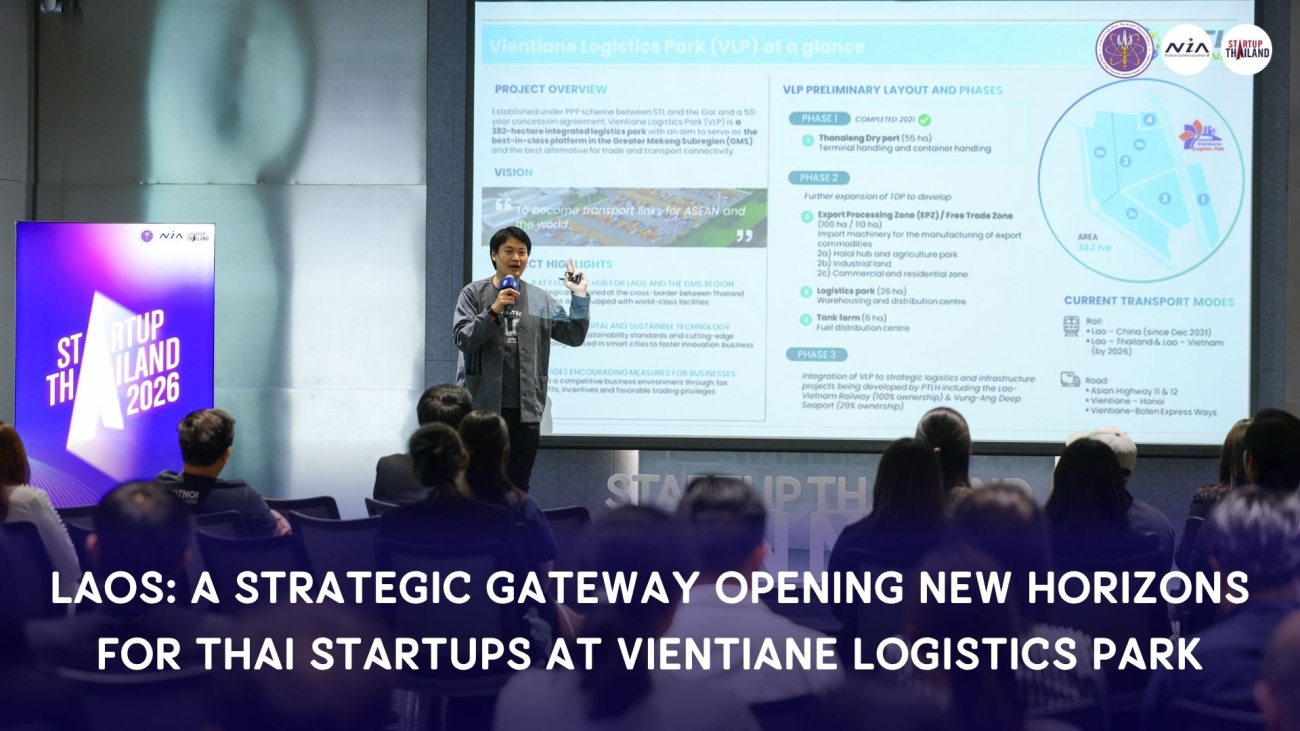
This venture is an intentional bridge into Japan’s deep-tech and business networks, backed by strategic alliances with three key powerhouses:

  • Leave a Nest: Accelerates the convergence of academic research, breakthrough technology, and corporate enterprises, offering startups direct access to deep-tech expertise.
  • TAKANAWA GATEWAY Link Scholars’ Hub (LiSH): Opens vital doorways to venture capital, real-world regulatory sandboxes, and networks of leading corporations.
  • Tokyo SME Support Center: Serves as the commercial anchor, providing essential guidance on local regulations, compliance, and localized business matchmaking.

Together, these partnerships construct a seamless launchpad spanning incubation, real-world validation, capital injection, and market entry in Japan. It underscores NIA’s pivotal role as a global conduit, proving beyond a doubt that Thai innovation possesses the vision, agility, and readiness to compete and thrive on the world stage.

From Preventive Health to a Better Quality of Life

As Japan navigates the complexities of a super-aging society, preventive healthcare technology has emerged as a high-potential frontier. Addressing this, VTK Inno Group Co., Ltd. showcases “Haruna”, a medical food innovation featuring 100% natural prebiotic vegetable powder. Specially formulated to balance gut microbiota, Haruna alleviates chronic constipation—a frequent health concern for the elderly, bedridden patients, and mobility-constrained individuals.

The true hallmark of Haruna lies in its rigorous clinical studies and scientific research. By aligning perfectly with the Japanese market’s exacting standards for safety and scientific validation, it stands as a prime example of how nutrition science can elevate life quality sustainably while generating profound economic value.

EdTech & Human Resources: Turning Knowledge into Corporate Assets

Japan’s shifting demographics also pose labor shortages and knowledge-transfer challenges, particularly in high-skill industrial and service sectors where specialized expertise is paramount. To bridge this gap, YVR Co., Ltd. introduces a cutting-edge Virtual Reality (VR) platform designed for immersive corporate training.

By simulating real-world operational scenarios, the platform digitizes and institutionalizes veteran expertise, overcoming traditional constraints of time, location, and instructional staff. This not only optimizes training costs but ensures a company’s vital institutional knowledge is preserved and seamlessly passed down, solving a critical pain point for modern Japanese enterprises.

Transforming Agricultural Waste into Materials of the Future

Embracing the circular economy, Evergen Technologies Co., Ltd. illustrates the power of converting domestic agricultural resources into premium bio-materials. Under their visionary brand “PiLeatha”, they have developed a plastic-free, chemical-safe leather alternative crafted from pineapple leaf fibers and natural rubber.

Boasting qualities that closely rival genuine leather, PiLeatha can be integrated into fashion, automotive interiors, and lifestyle products. This eco-innovation resonates deeply with the global ESG movement and Japanese corporations actively seeking sustainable materials to meet long-term carbon reduction targets.

Thai Deep Tech: Building the Cities and Industries of Tomorrow

Beyond health and sustainability, Thai startups are deploying sophisticated Deep Tech and Smart City solutions designed to build future-ready urban ecosystems.

  • The Foundation of Data: The transition to a smart city relies on precise data. Cleantech and Beyond Co., Ltd.has engineered the Digital Temperature Indicator (DTI), an intelligent thermal sensing device that allows factories and critical infrastructure to monitor equipment in hard-to-reach zones, enabling highly efficient condition-based maintenance.
  • Unifying Customer Experiences: Transforming data into commercial value, Primoworld Co., Ltd. optimizes corporate engagement with an advanced CRM and Omnichannel platform that unifies customer data streams to elevate service experiences.
  • Smart Mobility & Spaces: For urban space optimization, Infilight Co., Ltd. utilizes AI and automated systems to power smart parking management, reducing urban congestion. In step with green transitions, Nextere Co., Ltd.drives low-carbon cities through compact electric vehicles, intelligent battery management systems, and smart energy infrastructure.
  • Spatial Intelligence & Green Auditing: Precise spatial intelligence is provided by Graffity Technologies Co., Ltd., which fuses AI and Augmented Reality to create 3D maps and Digital Twins, allowing enterprises to simulate and manage large-scale spaces efficiently. Simultaneously, environmental transparency is streamlined by Vekin (Thailand) Co., Ltd. through their AI Carbon Auditor platform, automating carbon footprint tracking and ESG reporting to meet strict international compliance standards.
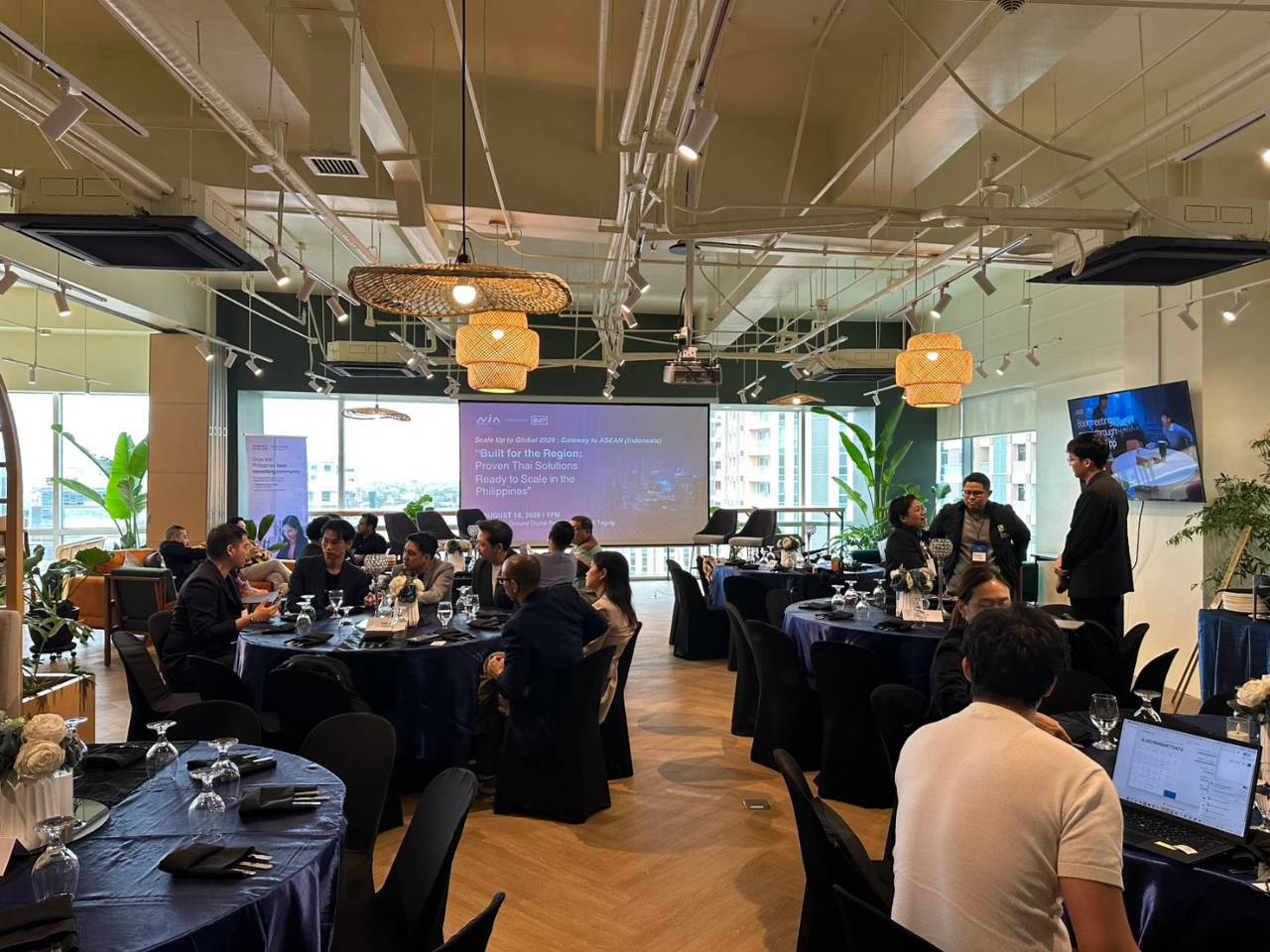
  • Smart Transit & Global Logistics: Enhancing urban mobility, VIA Group (Thailand) Co., Ltd. presents ViaBus, a widely adopted real-time transit tracking platform expanding into holistic urban mobility solutions. Finally, streamlining the global supply chain, ZPS Corporation Co., Ltd. leverages AI through its ZUPPORTS platform to automate international trade and logistics documentation, effortlessly cutting through supply chain complexities.

Collectively, these startups do not operate in silos; they are weaving an interconnected blueprint for future cities—spanning data, energy, transit, and sustainability—mirroring Japan’s ambitious push toward Society 5.0 and a carbon-neutral future.

Unlocking Business Horizons with “Scale Up to Global: JAPAN”

To fast-track this market entry and prepare Thai entrepreneurs for Japan’s highly sophisticated business ecosystem, NIA launched its flagship initiative: “Scale Up to Global: JAPAN”. The program is deliberately curated to empower high-potential Thai startups to scale locally, facilitate deep business matchmaking, refine innovations for Japanese consumers, and tap into international venture capital.

The momentum of Scale Up to Global: JAPAN is powered by strategic alliances across Japan’s premier public and private sectors:

  • Leave a Nest: Accelerating the convergence of research, tech, and corporate investment.
  • Fukuoka City: Japan’s startup capital, offering streamlined regulatory benefits and localized setup support.
  • Ibaraki Prefecture: A renowned deep-tech and R&D hub, opening doors to co-investment and infrastructure.

Representing this cohort are five stellar Thai startups proving their international mettle: TIE Smart Solutions Co., Ltd.VIA Group (Thailand) Co., Ltd.iBotnoi Co., Ltd.InnoPhytotech Co., Ltd., and AliveLoop Co., Ltd.

This initiative reflects the proactive mandate of NIA to propel Thai tech onto the global stage. By helping entrepreneurs navigate corporate cultures, clear regulatory hurdles, and convert breakthroughs into sustainable commercial success, NIA is ensuring that Thai innovation doesn’t just visit the global arena—it leaves an indelible mark.