Built to Solve: How 5 Thai Deep Tech Startups
Are Scaling Regionally via Singapore
Singapore may not be the largest market in ASEAN by population, but it is emerging as one of the region’s most important launchpads for startups seeking to validate enterprise-grade technologies and expand across Asia.
The Global Startup Ecosystem Index 2026, published by StartupBlink, reflects this momentum. Singapore has risen to fourth place globally for startup ecosystems, recording the fastest growth among the world’s top 10 ecosystems at 24.4%. Singapore City has also entered the global Top 10 for the first time, ranking 10th with an impressive growth rate of 26.7%.
This growth represents more than an increase in the number of startups. It reflects the scale of ecosystem activity, the quality of businesses and capital, and the maturity of the wider business environment—factors that have strengthened Singapore’s position as a hub for entrepreneurs, investors, technology companies and regional enterprises.
In 2026, Singapore continues to serve as a strategic base for companies managing operations across Asia. According to the Singapore Economic Development Board (EDB), the country is Asia’s leading destination for regional headquarters, supported by world-class infrastructure, skilled talent, strong connectivity and a business-friendly environment.
For Thai startups, Singapore is therefore more than a “new market”. It is a platform for validating technology, building credibility, connecting with strategic partners and expanding into other ASEAN markets.
Beyond Innovation: A Market That Demands Results
One of the biggest mindset shifts required when entering Singapore is moving beyond selling technology and toward demonstrating business outcomes.
Large enterprises are rarely persuaded by innovation alone. They invest in technology when it can clearly solve a problem, improve efficiency, reduce costs, mitigate risk, or create measurable business value.
The AI sector provides a compelling example. In 2026, Singapore’s focus has evolved from AI experimentation to enterprise-scale implementation. The government has committed SGD 1 billion over five years to support AI research, commercial deployment, and talent development. At the same time, policymakers are strengthening frameworks around Responsible AI and AI Governance to build trust in enterprise adoption.
A notable milestone is the introduction of the Model AI Governance Framework for Agentic AI, providing guidance for organizations deploying autonomous AI systems responsibly. The framework seeks to balance innovation with accountability, emphasizing risk management, transparency, and human oversight.
As a result, market entry no longer ends with a convincing product demonstration. Startups must be prepared to progress through pilots, proofs of concept, measurable validation, and eventually enterprise-wide deployment.
For Thai Deep Tech companies, this presents a unique opportunity. Singapore is increasingly rewarding technologies that are not only sophisticated but demonstrably effective.
Five Thai Startups, Five Opportunities
The journeys of Thai startups entering Singapore reveal an important common thread. Despite operating across different industries, each company is focused on connecting technology to real business challenges and creating tangible value for organizations.
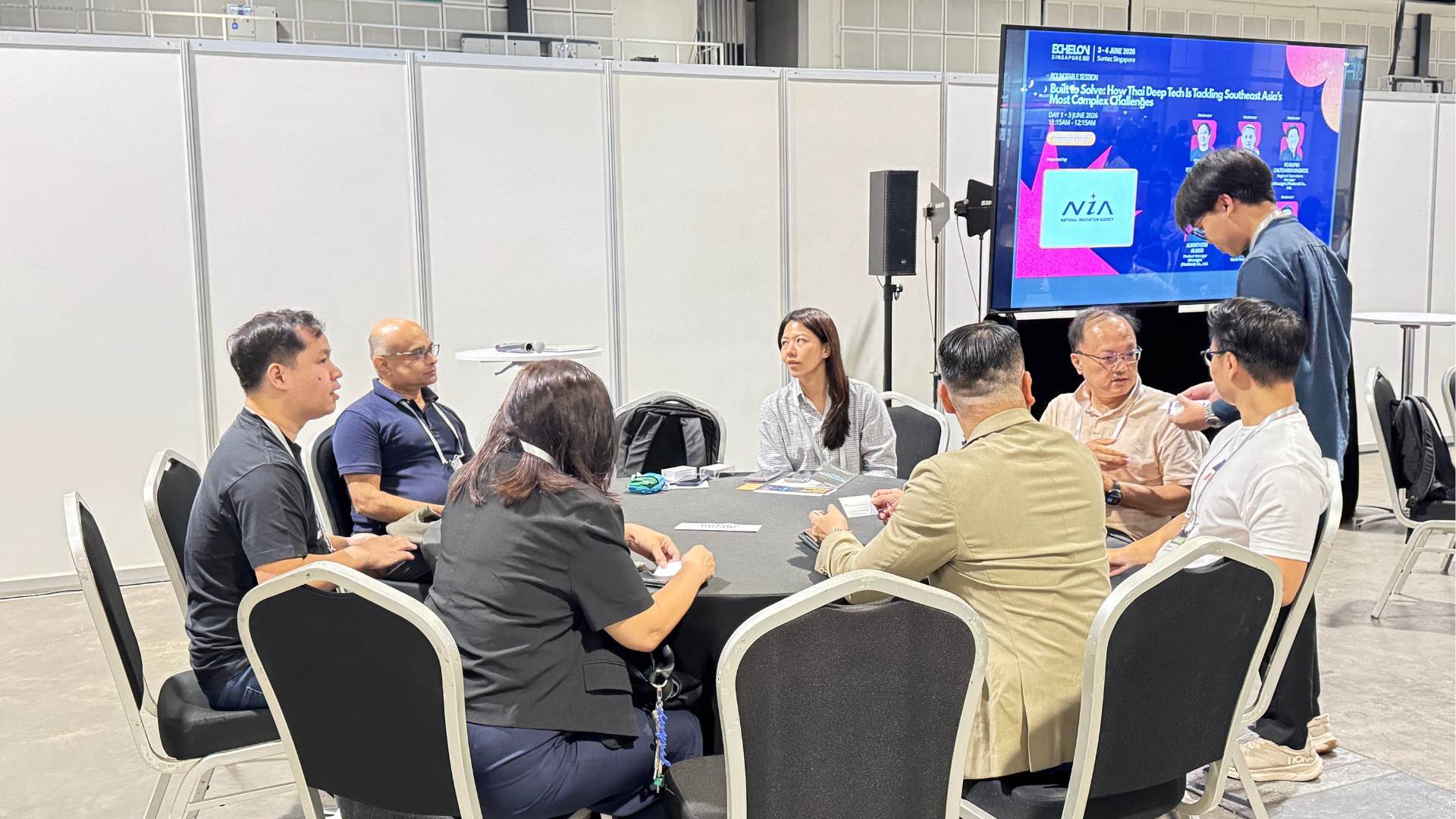
Botnoi Group: From Chatbots to Enterprise Agentic AI
As AI evolves from an experimental tool into enterprise infrastructure, the opportunity extends well beyond chatbot development.
Botnoi Group brings extensive experience working with enterprise clients in Thailand and is leveraging that foundation to position itself as a provider of Agentic AI solutions. Acting as an engineering layer above foundation models, these systems can orchestrate complex, multi-step workflows while adapting to the specific operational needs of each organization.
In this environment, success is no longer measured by whether AI can answer questions. The true benchmark is whether AI can perform meaningful work and generate measurable business outcomes.
For Botnoi, Singapore represents an ideal market in which to translate proven experience into enterprise-scale AI adoption.
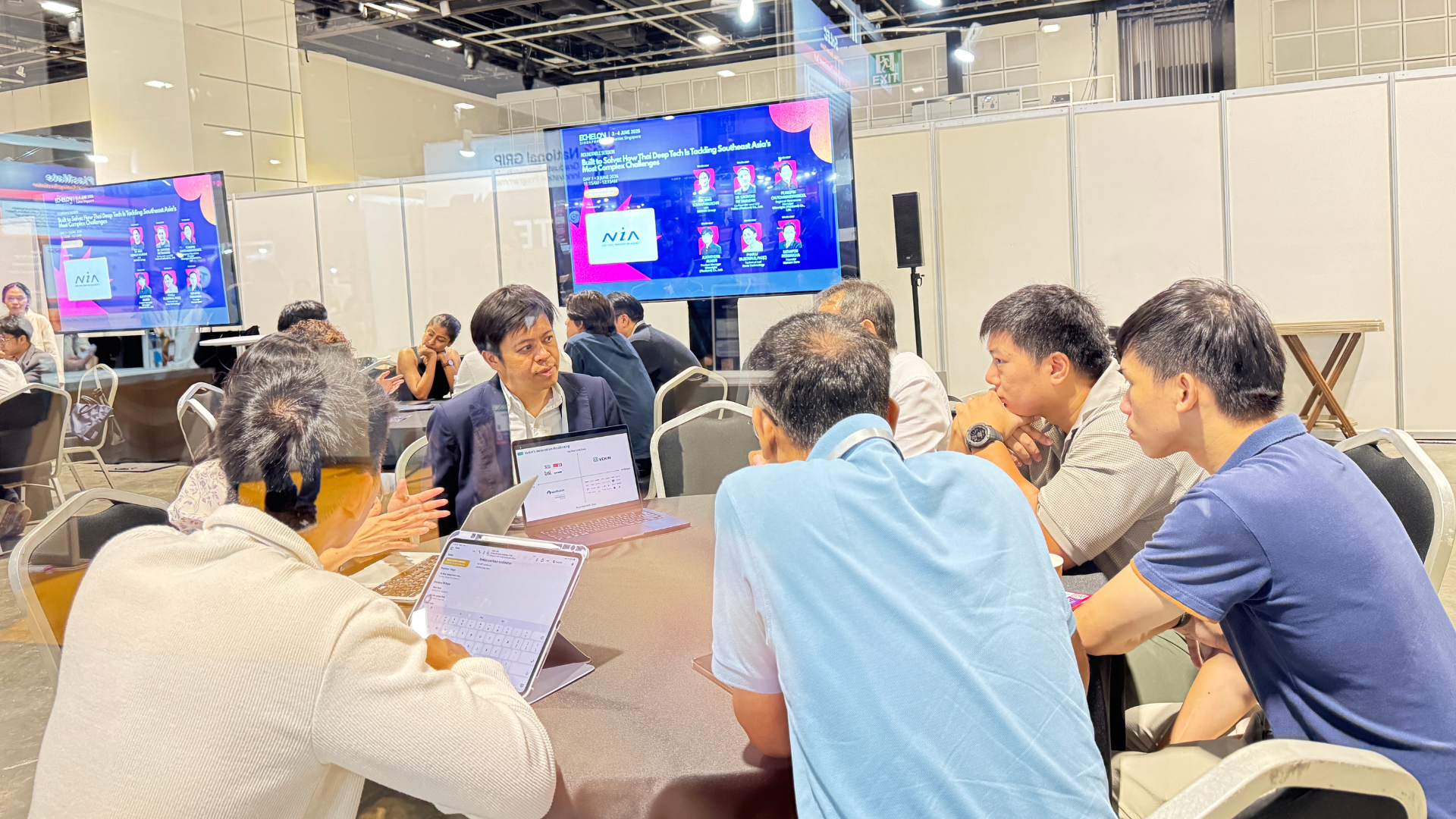
VEKIN (Thailand): When Climate Tech Becomes Business Infrastructure
Climate Tech is emerging as another major growth opportunity in Singapore. What was once viewed as a matter of corporate reputation is rapidly becoming an essential component of risk management, compliance, and business strategy.
Climate disclosure requirements continue to expand, with companies within the Straits Times Index expected to report Scope 3 greenhouse gas emissions beginning in Financial Year 2026. At the same time, the Singapore Exchange (SGX) continues aligning sustainability reporting standards with global frameworks.
Against this backdrop, VEKIN has the opportunity to move beyond the role of a conventional ESG platform and position itself as a critical data infrastructure provider.
Its technology enables organizations to systematically collect, analyze, and manage energy and carbon data, transforming fragmented information into actionable intelligence that supports reporting, auditing, compliance, and strategic decision-making.
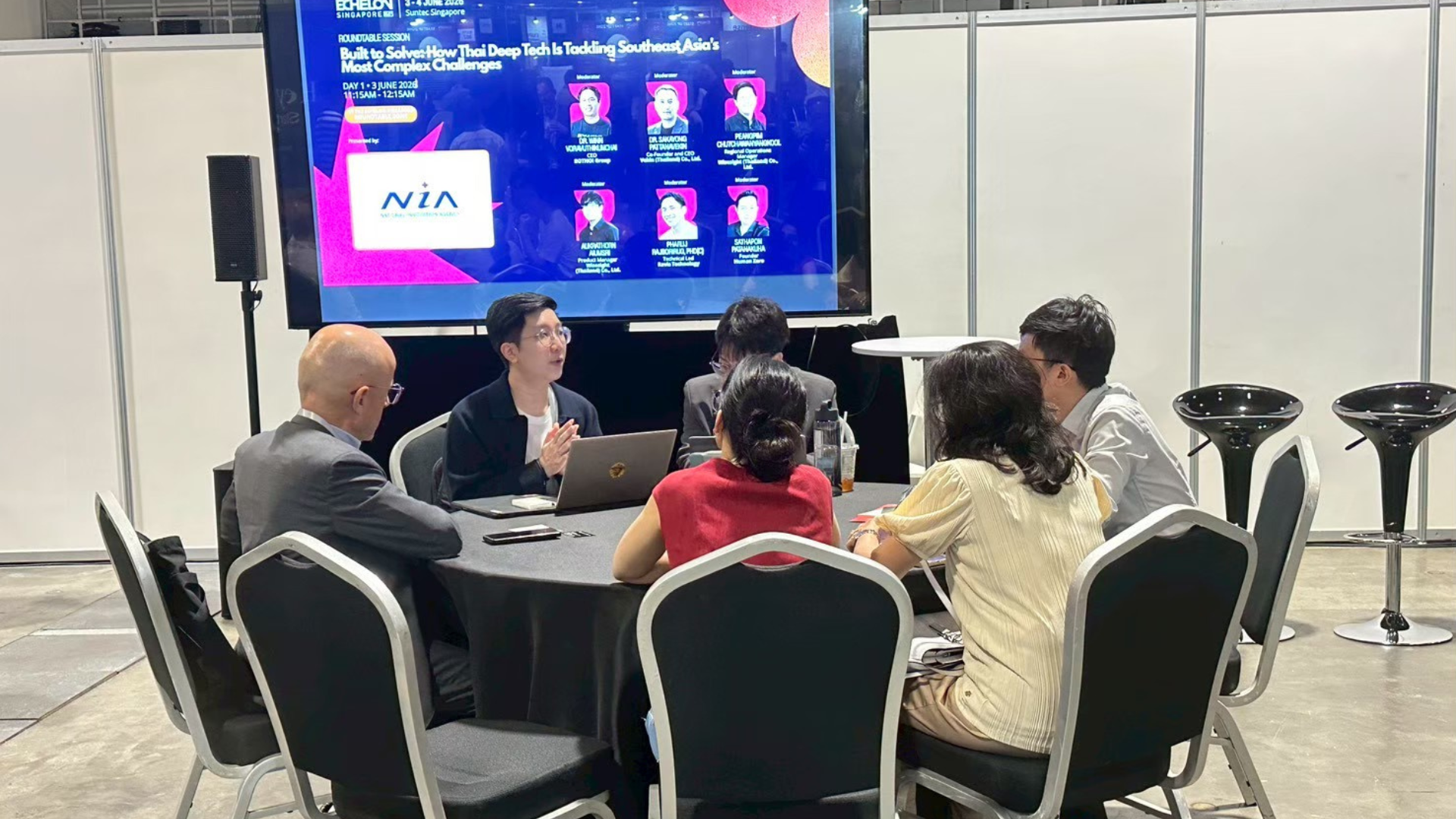
Wisesight: Transforming Social Listening into Intelligence Infrastructure
Marketing analytics may not immediately come to mind when discussing Deep Tech. Yet in an economy driven by real-time decision-making, the ability to transform massive data streams into actionable insight remains a powerful competitive advantage.
Wisesight has the opportunity to evolve beyond social listening and become an enterprise intelligence infrastructure platform.
By analyzing online conversations and digital behavior, the company can help organizations improve marketing effectiveness, strengthen brand management, understand consumer trends, and respond proactively to emerging risks.
Its competitive edge lies not in the volume of data collected, but in its ability to turn information into timely insights that support better business decisions.
This positioning is particularly relevant in Singapore, where many regional headquarters require intelligence to guide operations across multiple markets simultaneously.
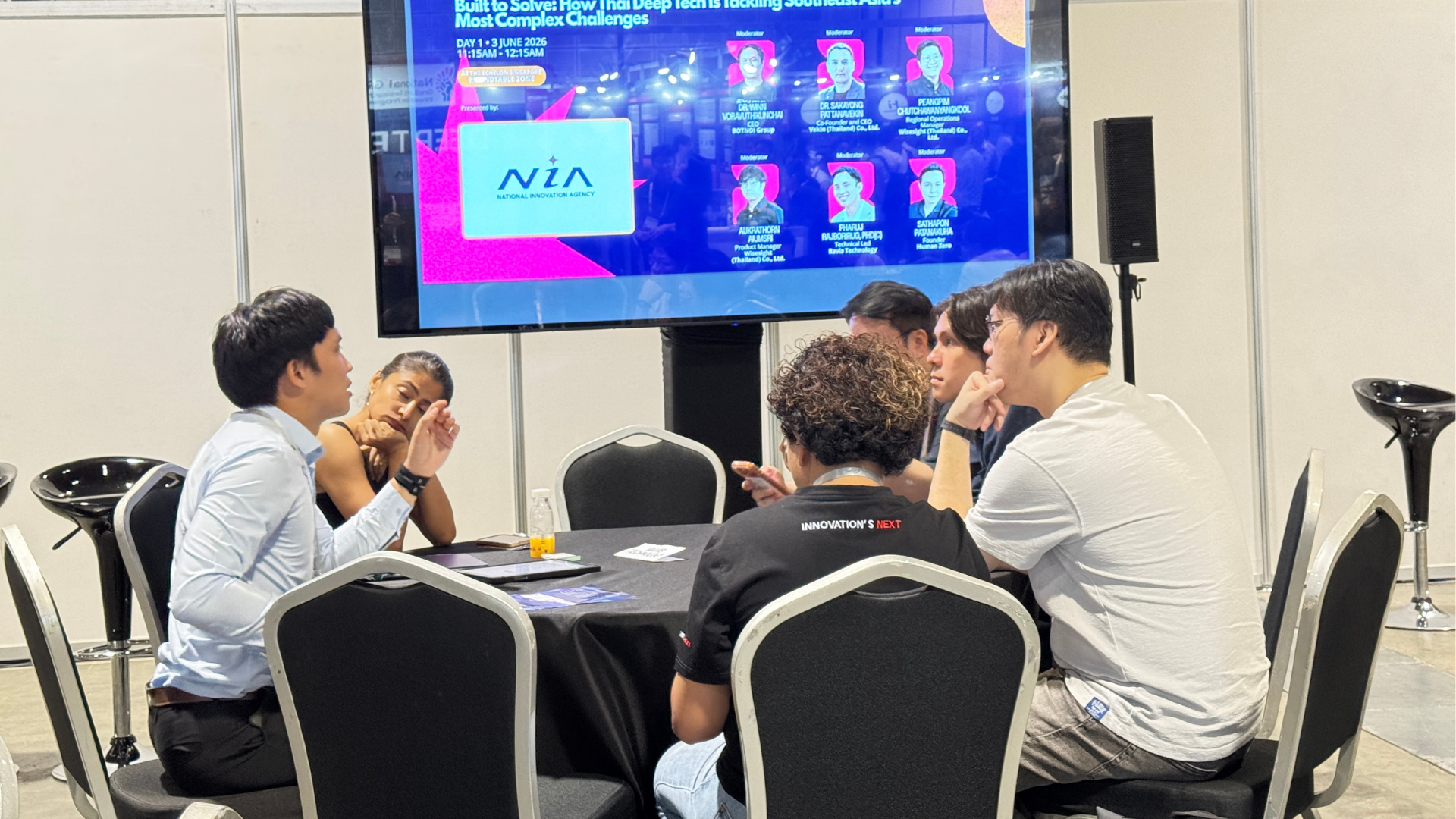
Ravis Technology: Unlocking Opportunities in HealthTech and Life Sciences
The HealthTech and Life Sciences sectors offer significant opportunities for technologies that can streamline highly regulated and document-intensive processes.
Ravis Technology develops AI-powered compliance solutions designed to reduce manual workloads and minimize the risk of errors associated with regulatory documentation and submission processes.
In Singapore, the path to growth may not begin with direct software sales. Instead, collaboration with healthcare providers, research institutions, and industry stakeholders can create opportunities for co-development and validation.
This approach allows Thai innovators to better understand market-specific requirements while building credibility through partnerships with established organizations.
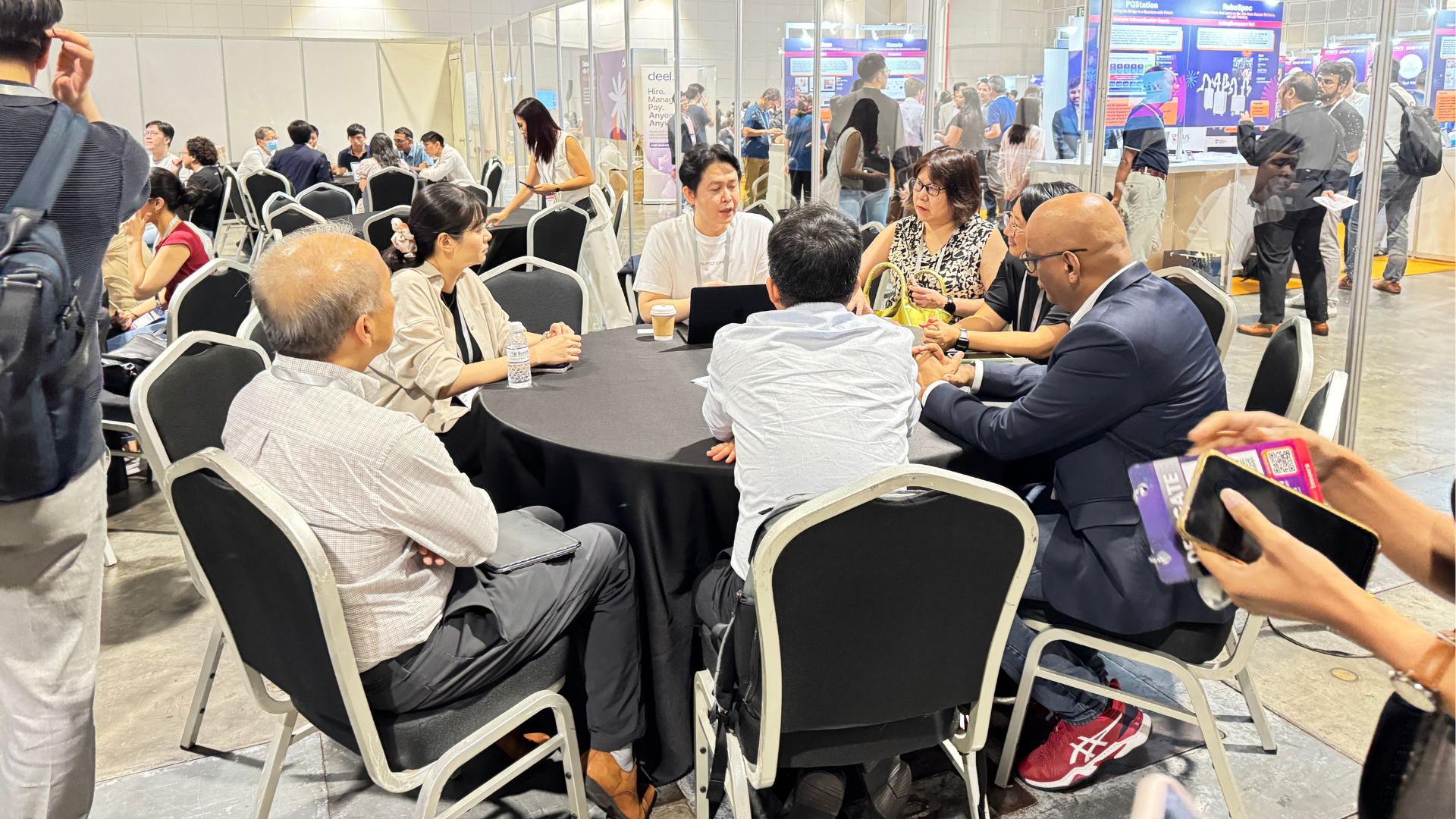
Guardian AI Lab (Human Zero): Building Trust Before Scale
For early-stage startups such as Guardian AI Lab, the initial opportunity in Singapore may not be immediate revenue generation. Instead, it lies in building trust, developing relationships, and gaining a deeper understanding of enterprise challenges.
The company combines workflow automation with cybersecurity principles to help organizations reduce repetitive tasks while strengthening operational security.
At an early stage, success depends on establishing credibility, understanding data governance requirements, and identifying the right use cases before progressing toward pilot projects.
Guardian AI Lab demonstrates that entering a sophisticated market does not always begin with selling. Sometimes it begins with listening, learning, and earning a seat at the right table.
Singapore as a Gateway to Regional Scale
The experiences of these five startups point to a broader lesson: expanding into Singapore should not be viewed merely as entering a new market. It should be viewed as preparing a company for regional competition.
Singapore remains Asia’s leading hub for regional headquarters, hosting global corporations that oversee operations across multiple countries from a single location.
For technology startups, this creates access not only to customers, but also to multinational enterprises, investors, strategic partners, and decision-makers responsible for regional growth.
At the same time, Singapore continues to strengthen its support for Deep Tech innovation. Through Budget 2026, the government allocated SGD 1 billion to support Deep Tech investment across both early and growth stages through initiatives such as Startup SG Equity.
This makes Singapore far more than a market of potential buyers. It is an ecosystem that brings together customers, investors, partners, and support structures capable of accelerating regional expansion.
From Local Success to Regional Growth
Thailand remains an excellent environment for product development and customer acquisition. However, as startups pursue venture-scale growth, domestic success alone may no longer be enough.
Accessing international markets, regional corporations, and global investors becomes an essential part of the scaling journey.
Singapore illustrates that scaling does not require relocating an entire business. Instead, it involves leveraging the strengths of different markets. Thailand can continue serving as a base for innovation and product development, while Singapore provides access to strategic partnerships, regional enterprises, and broader ASEAN opportunities.
The Real Opportunity for Thai Deep Tech
Ultimately, the future of Thai Deep Tech is not defined by who builds the most sophisticated technology. It belongs to those who solve the most meaningful problems.
Singapore is a demanding market. It seeks more than innovation for innovation’s sake. It values solutions that are practical, secure, trustworthy, and capable of delivering measurable results.
From AI and automation to Climate Tech, Data Intelligence, HealthTech, and Cybersecurity, these five Thai startups demonstrate a shared principle: real business challenges can become gateways to new markets when technology is translated into solutions that address genuine customer needs.
Perhaps that is the most important lesson of all.
Scaling into Singapore does not begin with the question, “How advanced is our technology?”
It begins with a far more important one:
“What problem can we solve, and for whom?”
When that answer is clear, Singapore becomes more than a destination. It becomes a launchpad for validation, partnership, investment, and regional growth, enabling Thai innovation to compete not only across ASEAN, but on the global stage.
Turning Opportunity into Regional Impact
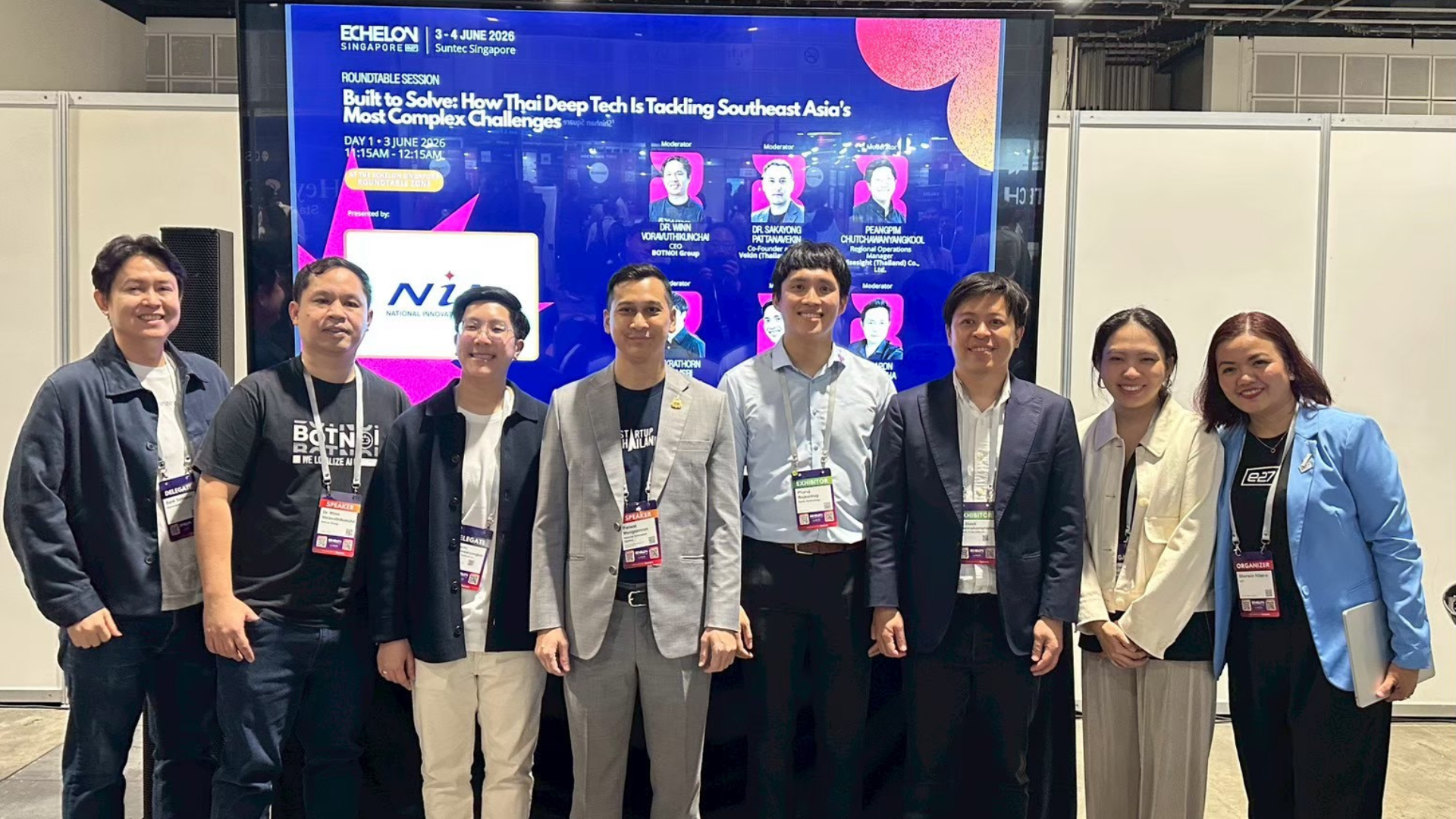
Recognizing this potential, Thailand’s National Innovation Agency (NIA) continues to support startups seeking international growth through the Scaleup to Global 2026: Gateway to ASEAN program.
The initiative is designed to connect Thai startups with business opportunities, investors, strategic partners, and innovation networks across the region. Support extends beyond market exposure to include market-entry preparation, ecosystem engagement, business matching, partnership development, and long-term growth strategies.
Because true scale is not achieved simply by having great technology. It comes from understanding which problems to solve, identifying the right customers and partners, and converting opportunity into sustainable growth.
From Singapore to the wider ASEAN market, NIA is helping Thai startups move beyond domestic boundaries, connect with regional innovation ecosystems, and transform Thailand’s technological strengths into businesses capable of scaling on the global stage.