startup-coaching-gratitude-2

Startup Coaching : สตาร์ทอัพทีม Gratitude ตอน 2

Startup Coaching : สตาร์ทอัพทีม Gratitude ตอน 2

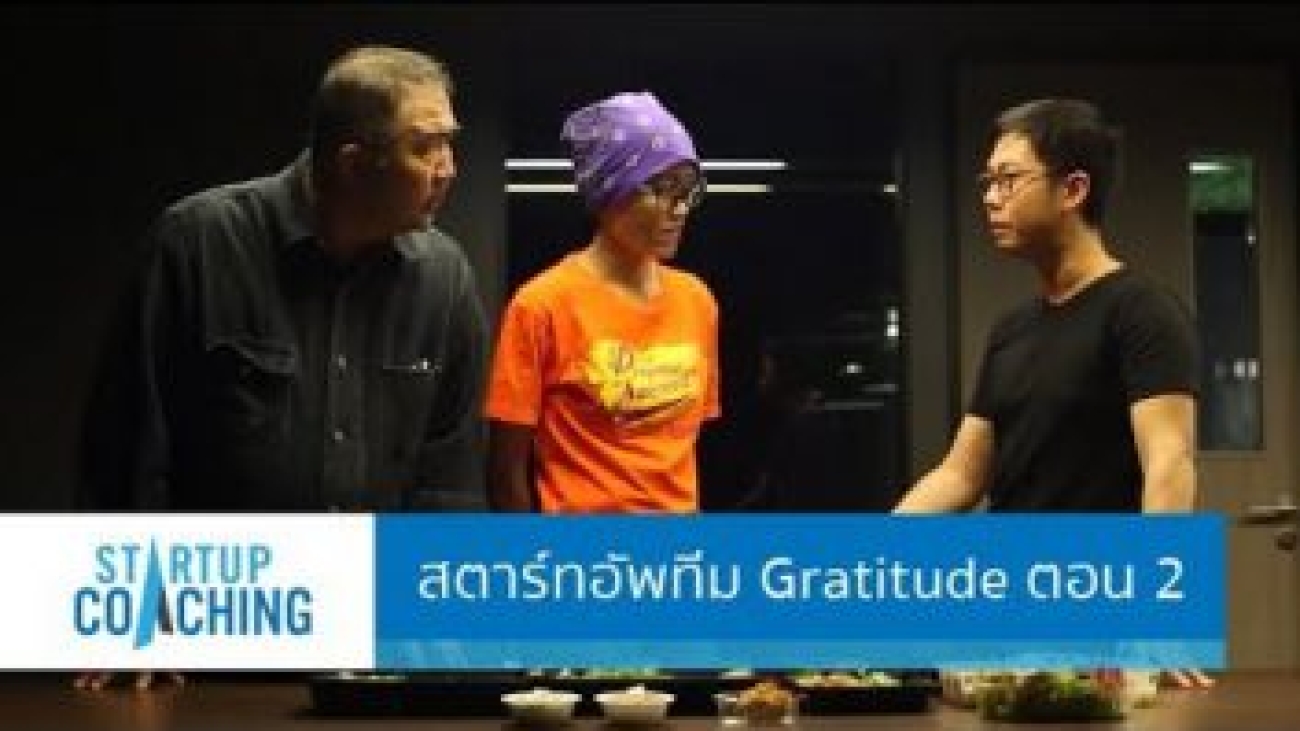
หลังจากที่ทีม Gratitude ได้ทำตามภารกิจที่โคชเจงมอบหมายให้ ก็เห็นได้ชัดว่าพวกเขามองเห็นกลุ่ม Target ของตัวเองชัดเจนยิ่งขึ้น และขั้นตอนต่อไป โคชเจงเล็งเห็นว่าทีมต้องรู้จักคู่แข่งของพวกเค้าให้มากขึ้น ซึ่งก็คือภารกิจที่ทั้งโคชและทีมต้องทำการวิเคราะห์อาหารสุขภาพที่มีอยู่ในท้องตลาดร่วมกัน และยังมีภารกิจหลักใหญ่ที่สำคัญที่ทีมจะต้องไปทดลองทำเมนูอาหารสำหรับผู้สูงอายุ ที่ต้องทั้งมีประโยชน์ และที่สำคัญต้องอร่อยด้วย สถานการณ์และบทสรุปของทีม Gratitude

 
startup-journey-takemetour-1

Startup Journey : TakeMeTour ตอน 1

Startup Journey : TakeMeTour ตอน 1

พบกับสตาร์ทอัพฝีมือคนไทยผู้ก่อตั้งเว็บไซต์ takemetour.com สตาร์ทอัพด้านการท่องเที่ยวของไทยที่กำลังมาแรงได้รับความนิยมเป็นอย่างมากในหมู่นักท่องเที่ยวชาวต่างชาติ TakeMeTour เปรียบเสมือน Marketplace หรือ ตลาดกลางสำหรับนักท่องเที่ยวต่างชาติในการหา Local Expert พาเที่ยวในมุมมองใหม่ ๆ ไม่เหมือนการท่องเที่ยวแบบเดิม ๆ ที่สำคัญเราจะได้รู้ว่าการก่อตั้งบริษัทสตาร์ทอัพพัฒนาธุรกิจอย่างไร และขยายธุรกิจในต่างประเทศหลากหลายรูปแบบ ผ่านมุมมองและประสบการณ์ตรงจาก CEO และ Co-founder นั่นก็คือคุณทาโร่และคุณนพ ทั้ง 2 คน มีวิธีคิดและลงมือสร้างธุรกิจสตาร์ทอัพอย่างไร

startup-coaching-gratitude-1

Startup Coaching : สตาร์ทอัพทีม Gratitude ตอน 1

Startup Coaching : สตาร์ทอัพทีม Gratitude ตอน 1

Gratitude ทีมผสมต่างวัย ต่างประสบการณ์ กับการเจอโคชเป็นครั้งแรก หลังจาก Hackathon แม้จะเป็นบทแรกในการโคชของทีมนี้ แต่โคชเจง ก็ได้มอบหมายให้ทีมออกสำรวจข้อมูลพฤติกรรมการบริโภคของผู้สูงอายุ ถือเป็นภารกิจแรกและภารกิจหลัก ที่ทีมจะได้เจอกับข้อมูลทั้งที่เป็นประโยชน์และประหลาดใจ ซึ่งข้อมูลเหล่านี้นี่เอง จะเป็นกุญแจดอกสำคัญที่จะพาพวกเขาสู่เส้นทางสาย Startup ที่สดใส

Startup-Journey-Computerlogy-353x199-1

Startup Journey : Computerlogy

Startup Journey : Computerlogy

ติดตามการเดินทางของสตาร์ตอัปรุ่นบุกเบิกของประเทศไทย ผู้ที่อยู่เบื้องหลังการแปลงข้อมูลบนโซเชียลมีเดีย จาก Facebook Twitter YouTube และ Blog ต่าง ๆ ที่เราเสียเวลากับมันไปมากมายให้เป็นมูลค่า กับสตาร์ทอัพที่มีชื่อว่า Computerlogy พวกเขาเป็นกลุ่มวิศวกรไทย ผู้พัฒนาเครื่องมือวิเคราะห์โซเชียลมีเดีย (Social Enable 4.0) ให้สามารถทำการตลาดบนโซเชียลมีเดียอย่างมีประสิทธิภาพ โดยมีแม่ทัพใหญ่สาย Developer คุณกั๊ก วัชระ เอมวัฒน์ CEO และ Co-founder ของ Computerlogy และยังควบอีกตำแหน่งนายกสมาคม Thailand Tech Startup มาร่วมแบ่งบันไอเดียการขยายไปต่างประเทศในอีกรูปแบบหนึ่ง นั่นก็คือการรวมกิจการเข้ากับบริษัทใหญ่ที่มีฐานอยู่ในต่างประเทศอยู่แล้ว และเหินฟ้าไปรวมกิจการที่เกาหลีใต้ เมืองที่ไม่ได้มีดีแค่ออปป้าและ K-pop แต่ผู้คนยังทันสมัยเท่าทันเทคโนโลยี เกาหลีใต้จึงเป็นอีกหนึ่งประเทศที่มีการเติบโตของสตาร์ทอัพสูง และเป็นเหตุผลที่หนุ่มสายเลือดไทยที่แม้หน้าตาไม่ออปป้า เลือกที่จะร่วมงานกับบริษัทดิจิทัลยักษ์ใหญ่ของเกาหลีอย่าง YDM ที่เป็นส่วนหนึ่งของบริษัท Yellow Mobile Group ซึ่งเป็นดำเนินธุรกิจด้านสื่อโมบายในประเทศเกาหลีใต้ที่มีบริษัทในเครือกว่า 70 บริษัทที่เชี่ยวชาญในธุรกิจหลัก 5 หมวด ได้แก่ ชอปปิง, มีเดียและคอนเทนต์, โฆษณาและการตลาดดิจิทัล, การท่องเที่ยว, และบริการแบบ O2O  ปัจจุบัน YDM มีบริษัทพันธมิตร 22 บริษัทในเอเชียตะวันออกเฉียงใต้อันประกอบไปด้วย สิงคโปร์ อินโดนีเซีย ไทย เวียดนาม และอื่น ๆ ที่กำลังจะตามมาหลังจากนี้ บริษัทมีพนักงานกว่า 1,700 คน และให้บริการกับลูกค้ากว่า 5,000 บริษัท Computerlogy จึงเลือกมองจุดแข็งของตัวเองและเลือกที่จะเป็น Hub ของนักพัฒนา (Developer) ที่พัฒนาเทคโนโลยีให้บริษัทในเครือ YDM ที่อยู่ในทั่วทั้งเอเชีย และร่วมกันพัฒนาสิ่งที่จะแก้ปัญหาคนระดับโลกได้ อะไรอยู่เบื้องหลังแนวคิดของการรวมบริษัท ทำอย่างไรนักพัฒนาโปรแกรมไทยจากศรีราชาจึงก้าวไปในระดับโลกได้

startup-coaching-chuay-kan-2

Startup Coaching : สตาร์ทอัพทีม Chuay kan (ช่วยกัน) ตอน 2

Startup Coaching : สตาร์ทอัพทีม Chuay kan (ช่วยกัน) ตอน 2

หลังจากที่ทีมช่วยกันได้จำลองเหตุการณ์เป็นผู้พิการก็ทำให้ทีมได้เรียนรู้ว่าการให้บริการผู้พิการสมควรอย่างยิ่งที่จะต้องมีทักษะการดูแลช่วยเหลือ ซึ่งพวกเขาก็ต้องไปหาคำตอบจากผู้เชี่ยวชาญเฉพาะทาง และก็มาถึงภารกิจสำคัญที่จะชี้วัดทักษะของทีมว่าจะไปรอดหรือไม่ โคชจึงมอบหมายให้ทีมช่วยกันไปทำหน้าที่ให้บริการผู้พิการรับเชิญ น้องธันย์ ณิชชารีย์ เป็นเอกชนะศักดิ์ ตลอดทั้งวันถือเป็นครั้งแรกที่พวกเขาจะได้พิสูจน์ศักยภาพของทีมอย่างแท้จริง เหตุการณ์และความตั้งใจดีของทีมช่วยกันจะบรรลุผลอย่างไร

Startup-Journey-Jitta-353x199-1

Startup Journey : Jitta

Startup Journey : Jitta

ถ้าพูดถึงเรื่อง การลงทุน การเล่นหุ้น คนส่วนใหญ่คงจะคิดถึงตารางตัวเลข ข้อมูลหุ้นมากมาย ผู้คนเคร่งเครียดอยู่ในตลาดหุ้นทั้งวันทั้งคืน ถ้าเป็นสมัยก่อนคงเป็นแบบนั้น แต่ในปัจจุบันมีเทคโนโลยีเข้ามาช่วยเหลือนักลงทุนมากขึ้น ทำให้นักลงทุนสามารถหาความรู้เพื่อใช้ประกอบการตัดสินใจในการเล่นหุ้นได้ง่ายขึ้น เพราะทุกการลงทุนมีความเสี่ยง แล้วนักลงทุนจะลดความเสี่ยงได้อย่างไร Startup Journey ตอนนี้ เราจะได้รู้จัก CEO และผู้ก่อตั้งเว็บไซต์ JITTA.COM แพลตฟอร์มการลงทุนแบบเน้นคุณค่าชื่อดังที่กำลังเป็นที่นิยมในหมู่นักลงทุนทั้งในเมืองไทยและในต่างประเทศทั่วโลก คุณเผ่า ตราวุทธิ์ เหลืองสมบูรณ์ CEO หนุ่มไฟแรงที่มีความฝันสุดท้าทายว่า “อยากทำผลิตภัณฑ์เกี่ยวกับการลงทุน การเล่นหุ้นที่ดีให้กับคนทั้งโลกใช้ด้วยฝีมือคนไทย” แต่เส้นทางธุรกิจของคุณเผ่าก็ขึ้น ๆ ลง ๆ เหมือนกับการเล่นหุ้นเหมือนกัน คุณเผ่าจะเจออุปสรรคอะไร และแก้ไขปัญหาในการก่อตั้ง JITTA อย่างไร อะไรคือเคล็ดลับในการขยายธุรกิจไปต่างประเทศของ JITTA

startup-coaching-chuay-kan-1

Startup Coaching : สตาร์ทอัพทีม Chuay kan (ช่วยกัน) ตอน 1

Startup Coaching : สตาร์ทอัพทีม Chuay kan (ช่วยกัน) ตอน 1

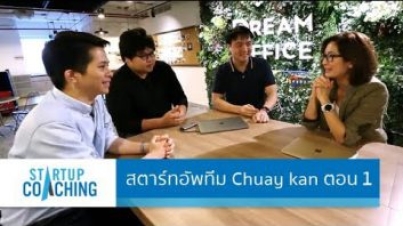
ทีมช่วยกัน Startup ที่เกิดจากความต้องการอยากเห็นสังคมมีความเท่าเทียม โดยมีไอเดียตั้งต้นจากการหารถให้ผู้พิการได้สามารถเดินทางได้อย่างสะดวกเช่นคนปกติ และก็ถึงเวลาที่ทีมช่วยกันจะได้เจอกับโคชเป็นครั้งแรก ผศ.ดร.การดี เลียวไพโรจน์ ผู้เชี่ยวชาญและมากประสบการณ์ในวงการ Startup และความเข้มข้นก็ได้เกิดขึ้น เมื่อโคชต้องการคำตอบเกี่ยวกับรายได้ รวมถึงการมอบหมายภารกิจซึ่งเป็นประสบการณ์ใหม่โดยให้ทีมไปต้องจำลองเหตุการณ์เป็นผู้พิการ เพื่อให้เข้าใจปัญหาและอุปสรรคในการเดินทางอย่างแท้จริง

startup-journey-takemetour-2

Startup Journey : TakeMeTour ตอน 2

Startup Journey : TakeMeTour ตอน 2

Startup Journey พบกับ Startup ฝีมือคนไทยผู้ก่อตั้งเว็บไซต์ takemetour.com กันต่อในตอนที่ 2  จากตอนแรก เราได้เห็นการขยายธุรกิจของ TakeMeTour ที่ขยายธุรกิจไปยังประเทศญี่ปุ่น ด้วยโมเดลธุรกิจการทำ Partnership ที่สามารถขยายธุรกิจได้อย่างรวดเร็วและต้นทุนที่ต่ำกว่า เนื่องจาก Know-How ต่าง ๆ นั้นเป็นของบริษัท Partner ต่างกับการเปิดตลาดด้วยตนเองที่จำเป็นต้องเรียนรู้และศึกษาข้อมูลต่างๆ ด้วยตนเอง ซึ่งต้องใช้เวลาและมีต้นทุนสูง และในตอนนี้เราจะได้เห็นการขยายธุรกิจไปยังประเทศกัมพูชาที่ TakeMeTour ได้ขยายตลาดไปต่างประเทศไปด้วยตนเอง ผ่านการสนับสนุนจาก Asian Development Bank ที่ให้การช่วยเหลือในการในการขยายตลาดสู่ประเทศกัมพูชา จากการที่ TakeMeTour ได้รับคัดเลือกเข้าโครงการฯ เพื่อพัฒนาเศรษฐกิจของประเทศในกลุ่มลุ่มแม่น้ำโขงผ่านการท่องเที่ยว การขยายธุรกิจด้วยตนเองของ TakeMeTour ที่ประเทศกัมพูชา

S__617480202_0

GreenTech and Energy Tech: New Opportunities for Thai Startups in the Net Zero Era

GreenTech and Energy Tech:

New Opportunities for Thai Startups

in the Net Zero Era

In a time when environmental issues and climate change are major global challenges, Thailand cannot stand idly by. The national agenda to achieve Net Zero Future by 2065, or net-zero greenhouse gas emissions, requires the cooperation of all sectors. A key driving force in this transition is GreenTech and Energy Tech, technologies poised to bring significant change to both the environment and the economy. 

The Startup Connext: GreenTech–Energy Tech event, organized by the National Innovation Agency (NIA), served as an important platform connecting energy and environmental startups with investors, government agencies, and businesses. The goal was to collectively develop capabilities, facilitate business matching, build networks, and empower Thai startups to compete on a global scale. 

Accelerating Energy Innovation to Drive the Net Zero Goal 

During a panel discussion on “Building Thailand’s Net Zero Future with Innovation,” experts from the GreenTech and EnergyTech sectors shared insightful visions and strategies for moving the country toward its Net Zero target. 

Mr. Pariwat Wongsamran, NIA’s Vice President for Innovation Systems, stated that Thailand needs a structural transition and can no longer rely on traditional methods. Private companies, industrial sectors, and exporters must prioritize developing and integrating solutions and innovations in CleanTech, Climate Tech, Energy Tech, and GreenTech into their business models. 

The NIA’s role is to create an innovation ecosystem that fosters the growth of these startups. The agency provides support through funding for technology development, accelerator programs, market consultation, and investor connections. It’s expected that over the next 2–3 years, startups in this group that demonstrate their ability to scale up will receive increasing support from both domestic and international sources. 

Ms. Thada Varoonchotikul, Manager of the Low Carbon Business Certification Office at the Thailand Greenhouse Gas Management Organization (Public Organization – TGO), provided an overview of Thailand’s greenhouse gas emissions. She noted that the energy sector remains the primary source, accounting for 70% of total emissions, particularly from three key areas: electricity generation, industry, and transportation. It’s crucial for businesses to recognize Thailand’s 2030 emissions reduction target of 30–40% from the projected maximum level, which means a reduction of approximately 100–150 million tons of CO2 equivalent. By 2065, this must be reduced to no more than 120 million tons of CO2 equivalent, in line with the carbon absorption capacity of green spaces. Looking ahead to 2035, the goal is to increase the proportion of new electric vehicle registrations to 69%. This will lead to measures like the expansion of battery swapping and EV fast-charging stations, as well as a target to increase forest area from 80 million rai to 120 million rai to absorb up to 120 million tons of carbon by 2037. 

Furthermore, the draft Climate Change Act, currently under review, is expected to be a key turning point. It will create a mandatory mechanism for the private sector to systematically report and manage carbon, pushing businesses to adapt more quickly to avoid risks from environmentally related trade barriers. This law is anticipated to take effect by the end of 2025. 

In the environmental startup space, Mr. Suphapong Kittiwattanasak, Co-Founder of MuvMi, discussed his vision for the company. MuvMi is more than just a ride-hailing app; it’s an alternative public transport system designed to reduce urban pollution. It focuses on using domestically produced electric tuk-tuks, emphasizing clean energy and designing routes that align with the needs of local communities and users. 

A key challenge for this type of startup is simultaneously managing technology, investment, and market acceptance. Startups need a commercially scalable business model and must forge partnerships with government agencies, the private sector, and communities to bring their projects to life and scale them up. Additionally, startups must effectively educate investors, as GreenTech and Energy Tech businesses require time to prove their results and need sustained support to create widespread change. 

Opportunities for Startups 

Environmental issues are a global agenda, and while many countries are making progress with systematic startup scaling, Thailand is still in its early stages, especially with new regulations taking effect. However, Thailand has significant growth opportunities through Green Transformation. 

There is a high potential for Thailand to create at least one “Unicorn” if it can seriously and continuously support startups in this ecosystem. 

Currently, companies seeking to be listed on the stock exchange are required to prepare a greenhouse gas emissions report and set clear Net Zero targets. This presents a “gap” that startups can fill. 

Startups and SMEs can develop technologies to reduce greenhouse gas emissions, not just by cutting energy consumption but also by developing alternative energy sources, providing carbon measurement and tracking services, and offering comprehensive offset or carbon management solutions. With their technological diversity and flexibility, startups play a crucial role in driving Thailand toward a sustainable low-carbon economy. 


Investors Emphasize the Synergy of Technology and Business 

In the panel discussion, “Funding the Next Wave of Climate Solutions,” leading investors shared their views on opportunities and investment trends in GreenTech and Energy Tech startups. 

Mr. Worapot Kingkaewkanthong, Head of Investment at Beacon Venture Capital, stated that an investable startup must have the potential to create value, both technologically and commercially. The startup and its team must demonstrate a clear path to generating revenue and expanding into the market. He stressed that sustainable GreenTech development is not just about creating good technology; it must also address clear societal and environmental problems while generating sustainable returns for investors. 

Mr. Chayut Jatunvarat, Investment Principal at Innopower, commented that attractive startups should be bold enough to present new, effective solutions to “big and complex” problems like climate change. They also need the potential to scale to an “industrial level” to create a broad positive impact. Investors also place great importance on the “team,” especially founders with deep technological knowledge, a solid understanding of the market, and the ability to adapt quickly to change. 

From the perspective of a Corporate Venture Capital (CVC) investor, Mr. Phet Wannisorn, Investment Director at Banpu PCL, explained that CVCs like Banpu focus on investing in startups that can develop technology to extend or enhance the core business of the parent company. He noted that startups should be self-reliant and have enough “resilience” to withstand economic and technological changes. If a startup can integrate AI into its product to make it a core value of the business, it will be a major strength in the eyes of investors, as it increases the product’s potential for future use and growth. 

GreenTech and Energy Tech are not merely new opportunities for Thai startups; they are a necessity for tangibly driving the country toward the Net Zero Future by 2065. This transition cannot be achieved by any single entity; it requires collaboration from all sectors—government, private companies, investors, and, most importantly, the courage of Thai entrepreneurs to rise and create clean energy innovations. 

Investing in GreenTech and Energy Tech is not just about finance; it’s an investment in the future of the world, and of Thailand. 

NPR55869

Growth & Exit Strategy ถอดรหัสความสำเร็จจากศูนย์สู่พันล้านกับ SHIPPOP

Growth & Exit Strategy:

Cracking the Code to Billion-

Dollar Success with SHIPPOP 

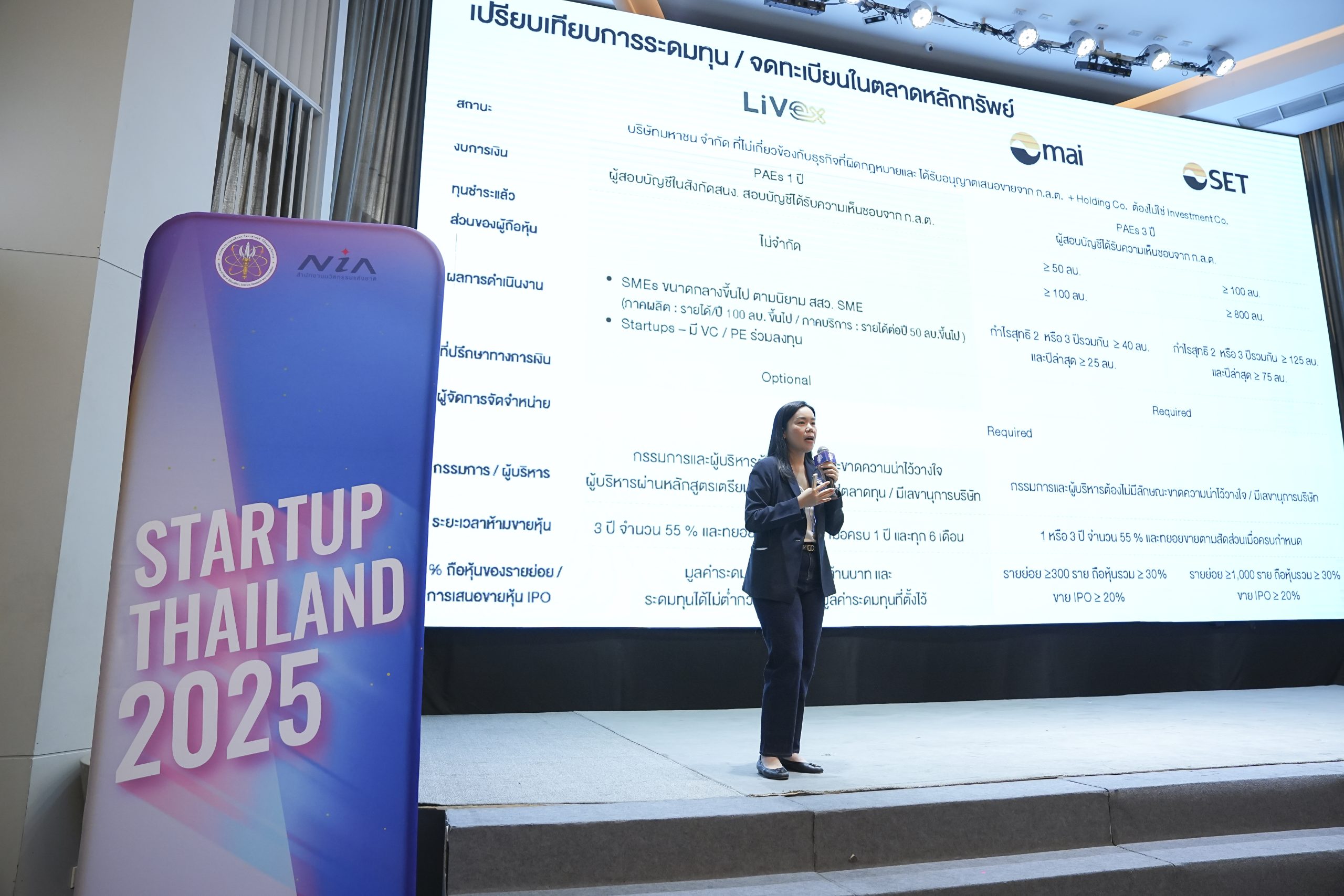
In the startup world, growth isn’t just a goal, it’s a way of life. This was the central theme at the Global Stage within the SITE 2025 event, where one of the main highlights was the “Growth & Exit Strategy” session. The featured speaker was Suttikiat Chanchairoat, also known as Mochi, the founder of SHIPPOP, a company that once reached a valuation of 1.2 billion baht. Drawing from his direct experience building three successful businesses, he shared powerful lessons on both failure and rapid recovery. 
From a Small Town to a Billion-Baht Company 

Mochi began by sharing his journey, starting as a young man from a provincial town who moved to Bangkok with nothing more than a computer and a motorcycle. He started as a programmer and eventually attended a Webmaster Camp, which ignited his dream of becoming a startup founder. At this crucial turning point, he chose to leave nothing behind, working his day job while building his business on the side and constantly practicing his pitch. “Become a great pitcher, a great speaker, and do a lot of research,” he emphasized as the first steps to success. He relied on the “Build-Measure-Learn” formula, which allowed him to test ideas quickly, fail fast, and learn even faster. 

Lean Canvas: Know Your Customers Before You Act 

Mochi explained that before starting any business, you should begin with the Lean Canvas, focusing specifically on the Customer Segment. Consumer behavior varies greatly based on income, age, and lifestyle. For example, a person earning 9,000 baht a month will eat at a different kind of Japanese restaurant than someone earning 200,000 baht. This, he noted, is the true definition of understanding your customers. 

To Grow Fast, You Need a New S-Curve 

The reason for SHIPPOP’s continuous growth is that the company never stopped creating new S-Curves. They started with API (Application Programming Interface), added credit services, and launched a COD (Cash on Delivery) website before developing new services. Mochi’s strategy was to test the market by running Facebook ads before building the actual system. He taught a crucial lesson: “You don’t need to make a heavy investment from the start.” Instead, you must Sell before you Build, then Measure the results, and learn immediately before adjusting your strategy. 

The Secret Formula for Unicorn Growth & Exit 

What made Mochi so successful wasn’t just knowing how to make money but knowing how to plan for growth and having a clear Growth Strategy. He advised that if you want to grow to a unicorn level, you need to know about global funding sources and attend world-class camps or accelerators like Y Combinator, Sequoia, Softbank, or Alibaba eFounders. 

A good investor should be a Strategic Investor, not just a source of money. Most importantly, you must be able to answer the question, “If you have the money, what will you do with it?” instantly. This includes having a clear business plan for the short term (1 year), mid-term (3 years), and long-term (5 years), as well as setting both growth and exit goals. 

SHIPPOP itself has completed a merger and has a clear exit plan. The company is also preparing to use the Capital Gains Tax benefits provided by DEPA and NIA to reduce future financial burdens. (In the future, if SHIPPOP has a clear plan for an IPO, using these tax benefits will also be part of the preparation for becoming a public company). 


Key Takeaways Every Startup Must Know 

-Understand your Product Life Cycle—whether your business is in the introduction, growth, maturity, or decline phase. 

-Don’t get trapped by immediate success. You must always seek a new Goal. 

-Constantly look for a New S-Curve. 

-Build a strong Marketing and Sales system. It’s not enough to just be good at your product. 

-Know your company’s Top 20 customers. Visit them often, understand them, and prioritize them. 

-Prepare all 12 points on your Due Diligence checklist to be ready for any opportunity or challenge. 

-The CEO’s role must evolve from doing everything to building a team. If you have 10-100 people, you need to create a Culture. If you have 100-1,000 people, you need to establish Vision with clear company goals. 

A Final Thought from Mochi 

“Don’t be afraid to fail. Failing fast is the best lesson that will help us get to the next S-Curve before anyone else.” 


Follow good articles and the latest news from Startup Thailand 2025 on all channels: Facebook | Website | LinkedIn | X (Twitter) 

To never miss an important opportunity or update for startups.