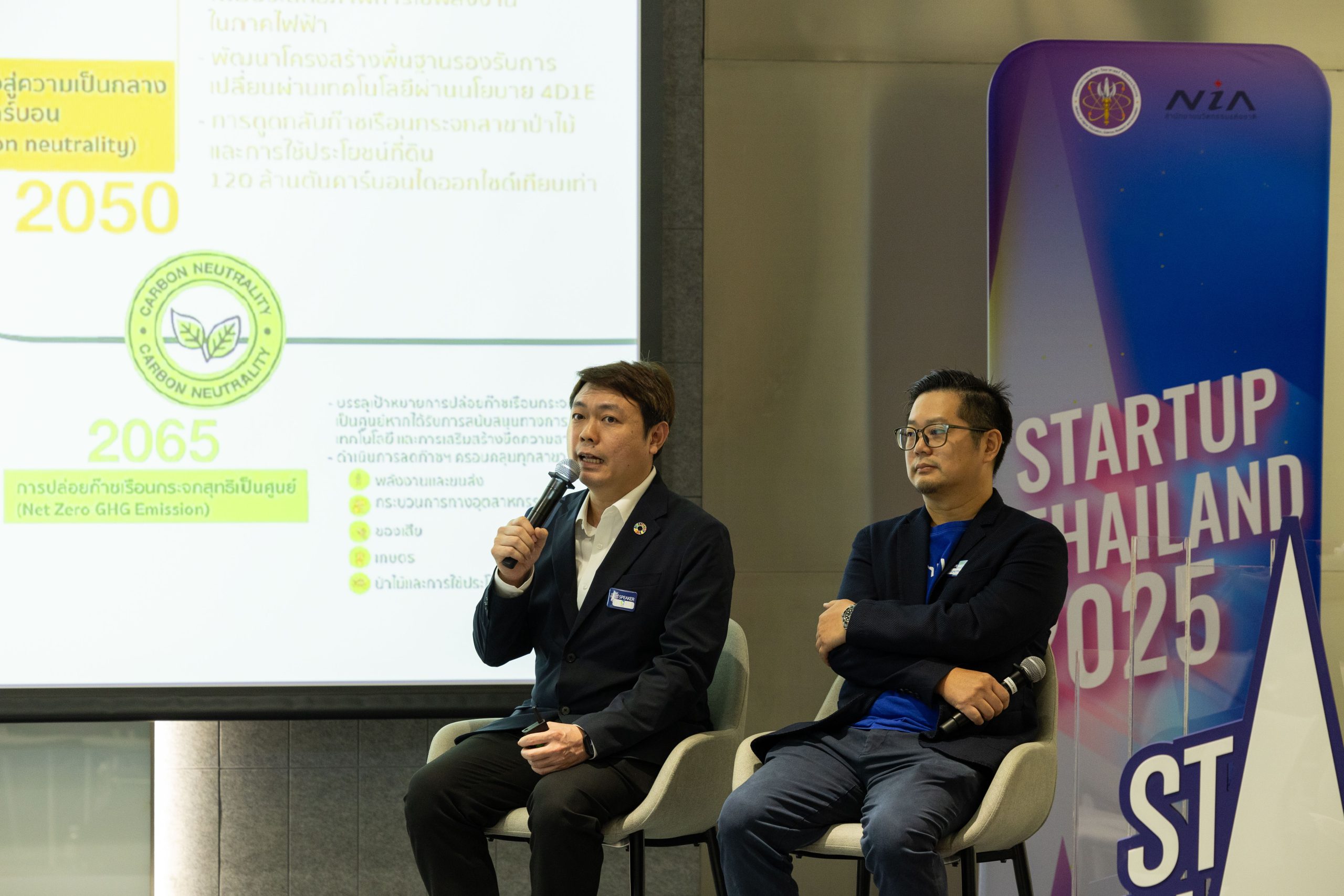
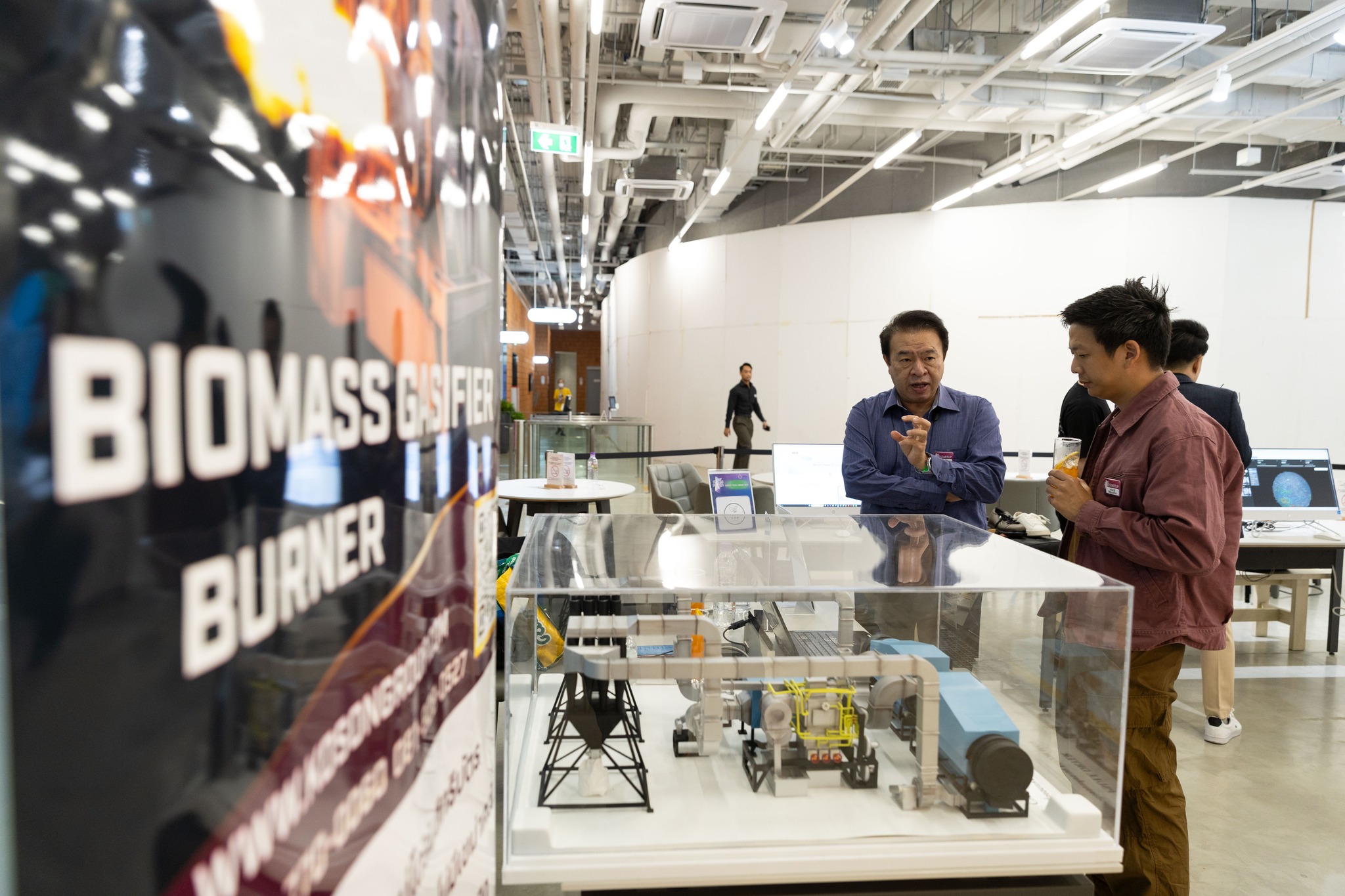
Banner Startup Thailand-03_0

From Lab to Global Market: The Transformative Power of Deep Tech

From Lab to Global Market :

The Transformative Power of Deep Tech 

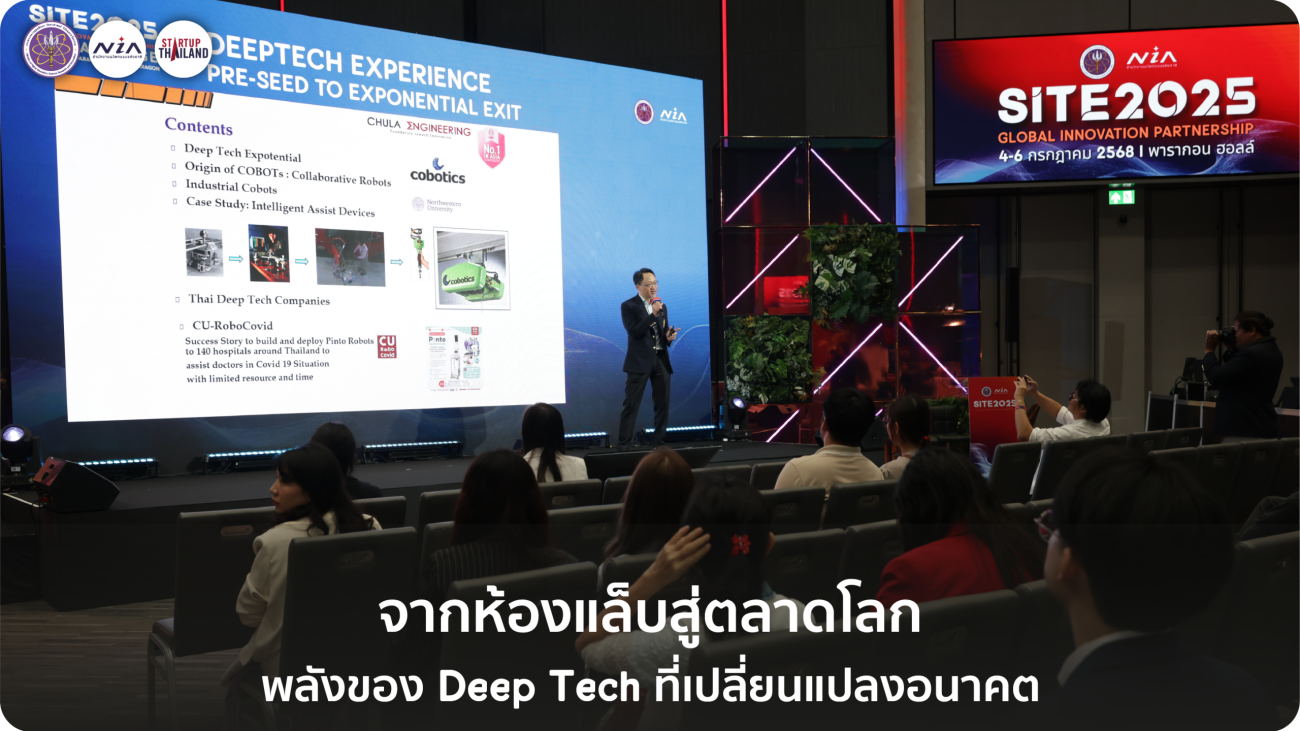
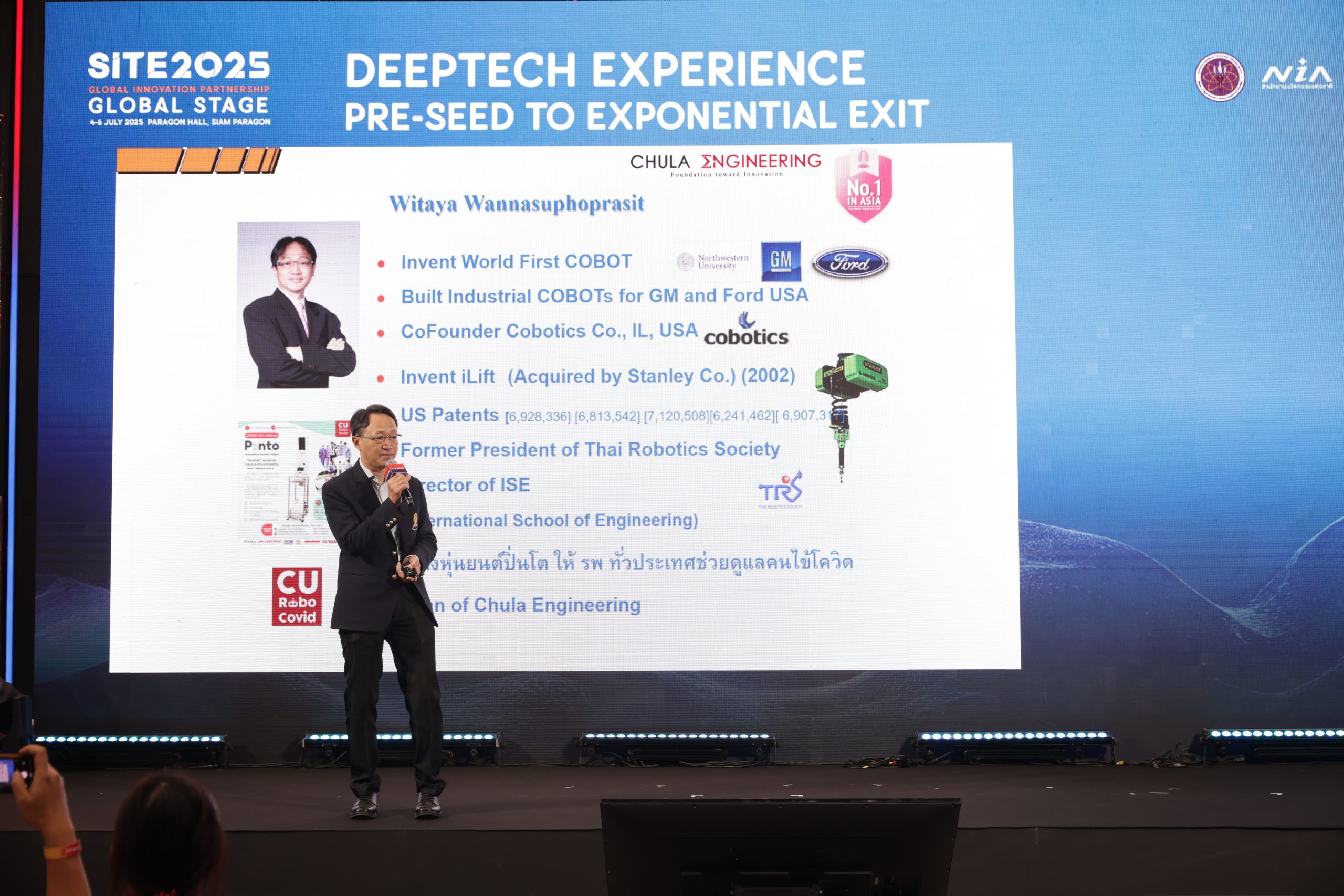
In his lecture on “DeepTech Experience: Pre-Seed to Exponential Exit” at SITE 2025, Assoc. Prof. Dr. Wittaya Wannasuphoprasit, Dean of the Faculty of Engineering at Chulalongkorn University, shared his invaluable journey in robotics and deep tech. He demonstrated that innovation is not merely a theoretical concept confined to the classroom but a powerful force capable of changing lives worldwide. 

The Genesis of Change 

Dr. Wittaya began by recounting the development of the “Cobot”, a collaborative robot designed to work safely alongside humans. This innovation revolutionized the manufacturing industry. His work started in the United States, in collaboration with General Motors and Ford, to develop robots that could assist humans in assembling car parts. 

Despite earning international recognition, including the “Best Paper” award at the International Conference on Robotics and Automation, academic success did not guarantee business triumph. A harsh lesson came with the company’s initial sales of just two units, proving that even brilliant innovation fails without a deep understanding of the market. 

From Labor Pain to Business Opportunity 

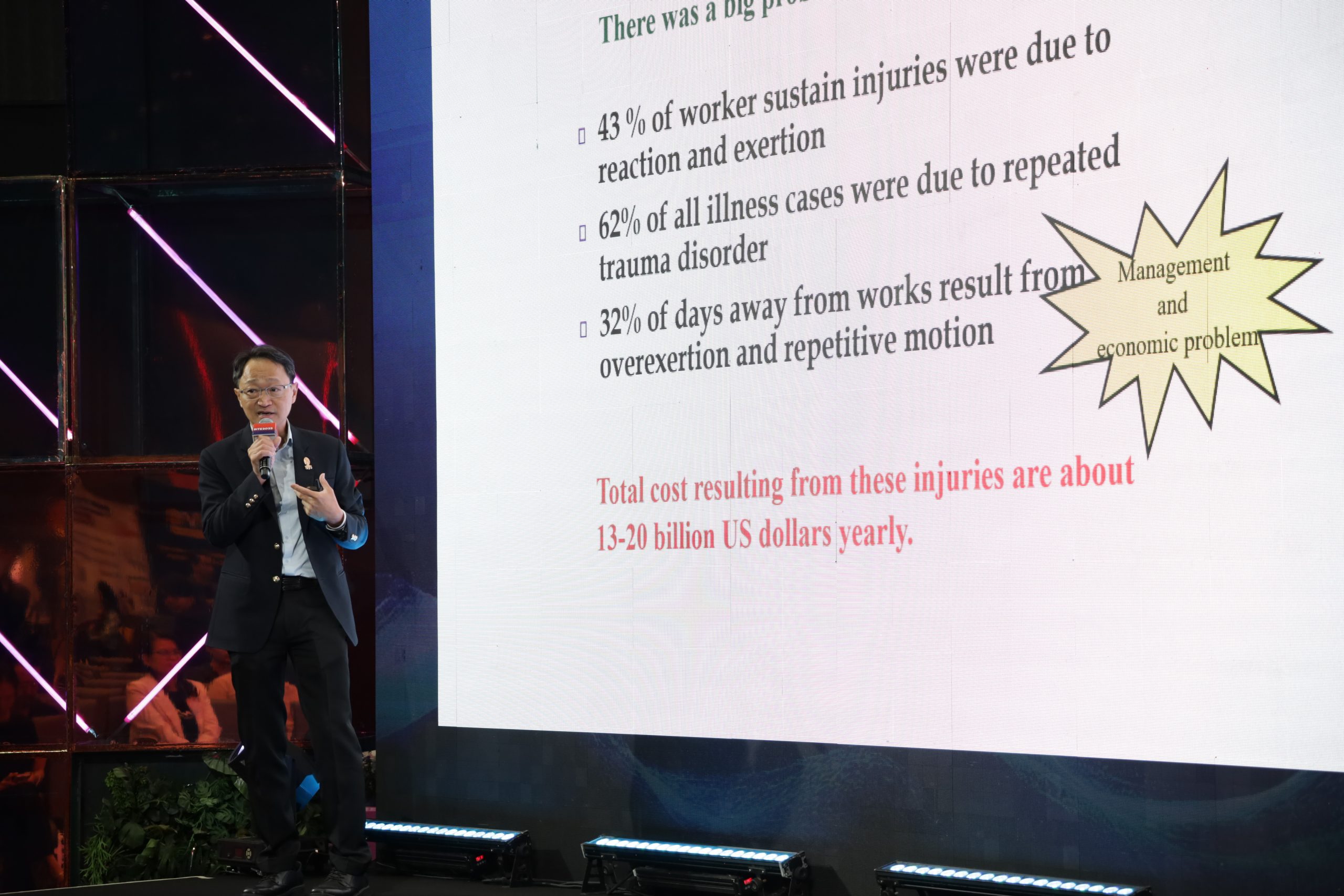
The turning point for the cobot came from a profound understanding of the user’s real-world problems. Dr. Wittaya spent three months immersed in the production lines at General Motors, observing the behaviors and needs of the workers. He discovered that the true pain point was the physical strain and injuries caused by repetitive heavy lifting. 

This insight led to the development of a robotic assistance device for free lifting, which significantly reduced the workers’ burden. These robots were successfully implemented in factories for companies like Coke and others globally. The technology was patented and designed with an aesthetic appeal that met customer needs. Ultimately, Cobotics, the company he co-founded, was acquired by Stanley Black & Decker, and its technology became an industry standard. 


From Thai Research to the International Stage 

Dr. Wittaya also highlighted several promising Thai deep tech startups from Chulalongkorn University: 

  • – Meticuly: This company develops patient-specific titanium bone implants using 3D printing technology. Innovation not only creates customized artificial bones but also produces surgical guides that reduce operation time and enhance treatment efficiency. This improves patients’ quality of life and access to medical care, with patents pending in multiple countries. 
  • – Mutha: This startup produces the “sPace” prosthetic foot made from carbon fiber, designed specifically for Thai users. It is engineered to perform well on a variety of surfaces and at different speeds—from rugged terrain to sloping and uneven surfaces—giving it significant market potential in Thailand and the ASEAN region. 
  • – EngineLife: This company uses protein from silkworm cocoons to precisely and sustainably control the release of medication, making it suitable for a wide range of medical applications. 
  • – CrystalLyte: This startup has developed an environmentally friendly innovation for industrial-scale production of carbon quantum dots (CQDs) from carbon waste. This technology addresses environmental issues and has applications in the cement and jewelry industries. 

All these cases prove that profound research is not meant to be confined to the lab but can be leveraged to create tangible benefits in people’s lives. 

The Heart of Deep Tech Development: Key Principles for Success 

Dr. Wittaya concluded by outlining the core principles for developing deep tech that can successfully reach the market and create a real impact: 

  • – Start with Real, Sizable Demands (with value): Your technology, no matter how advanced, must solve a genuine problem for your target customers. Its value and potential must be quantifiable in terms of numbers and money. 
  • – Aim to Solve, Rather Than Reduce, Problems: Identify the root cause of a problem to develop a solution that is both effective and sustainable. 
  • – Deep Technology as a Core Platform: Create a fundamental technology that can be adapted for multiple uses across different systems or products, not just a one-off solution. 
  • – Start with the Simplest Solution to Solve Problems: Startups should begin by solving problems in the simplest and fastest way possible. This allows for rapid learning and improvement. 
  • – Evaluation in Real Industries: It is crucial to test your technology in a real-world environment, such as a factory or an operational setting, not just in a lab. This ensures its durability and practicality. 

To Do Deep Tech, You Must Dare to Think Big 

The stories of Dr. Wittaya and the Thai researchers who pushed their innovations onto the global stage confirm that deep tech is not a distant concept meant only for research labs. It is a powerful tool that can change mindsets, lives, and the world. 

Being a deep tech entrepreneur requires courage to think differently, a deep understanding of market needs, and the determination to scale a small idea into a global impact. 

cover

NIA Leads Thai Health Tech to the Global Stage: Lessons from ASGH 2025 in Hong Kong

NIA Leads Thai Health Tech to

the Global Stage:Lessons from ASGH 2025

in Hong Kong  

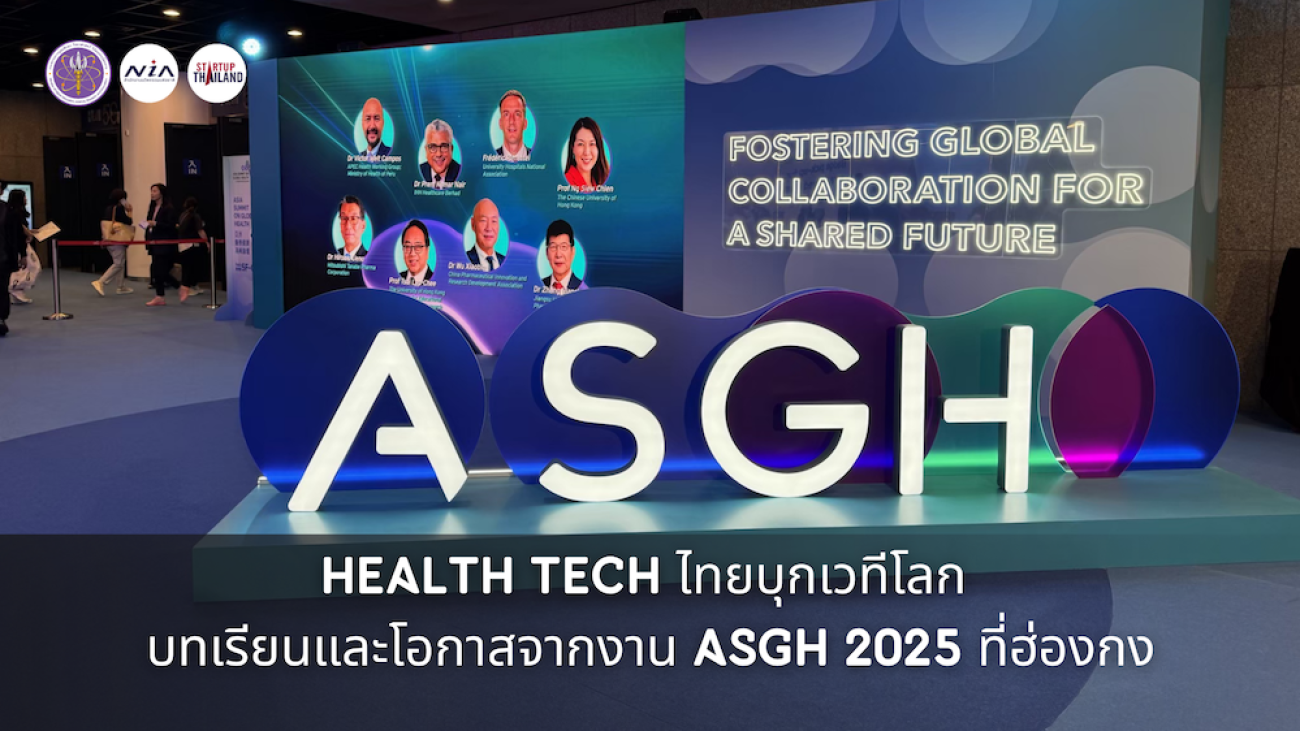
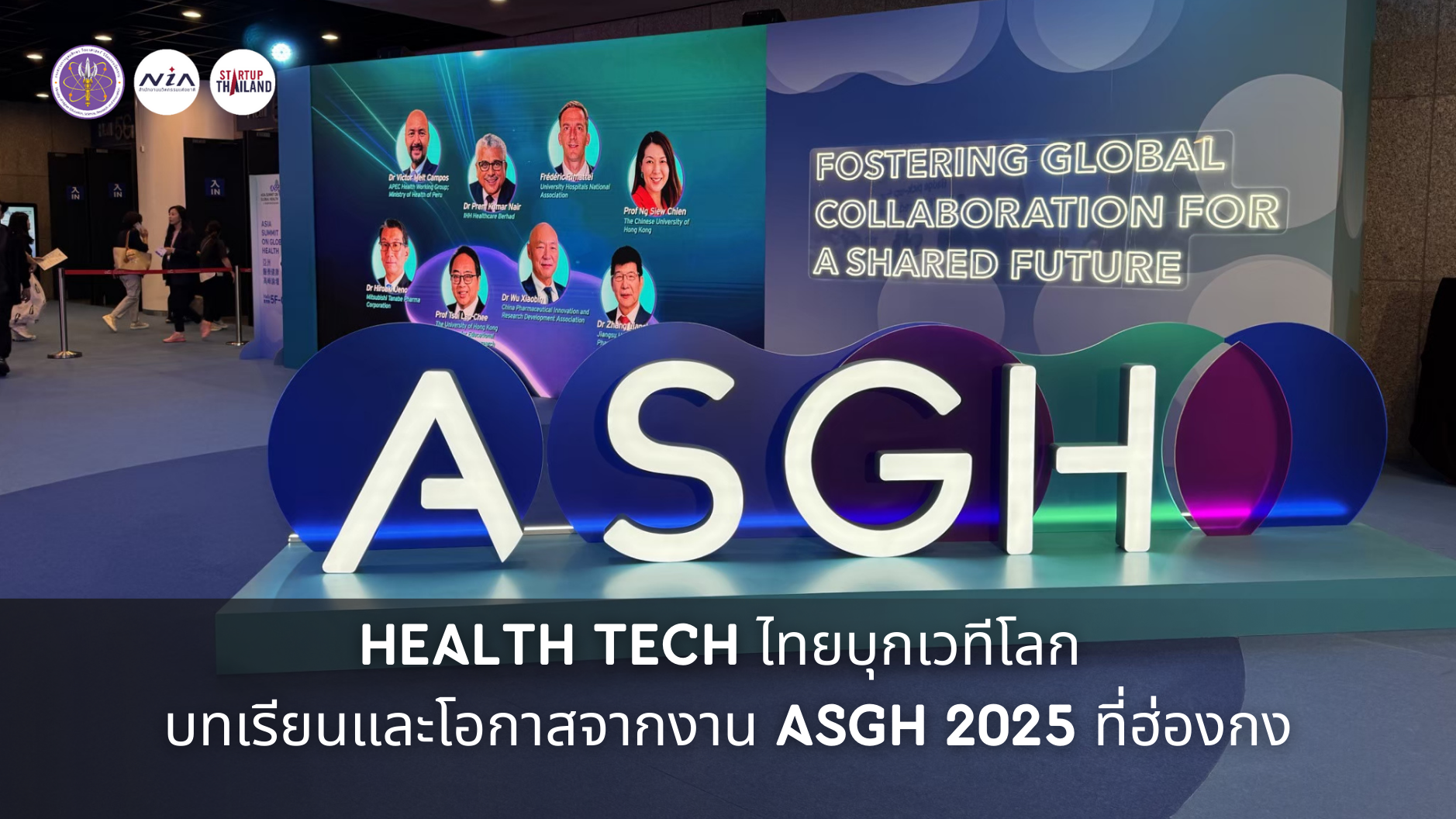
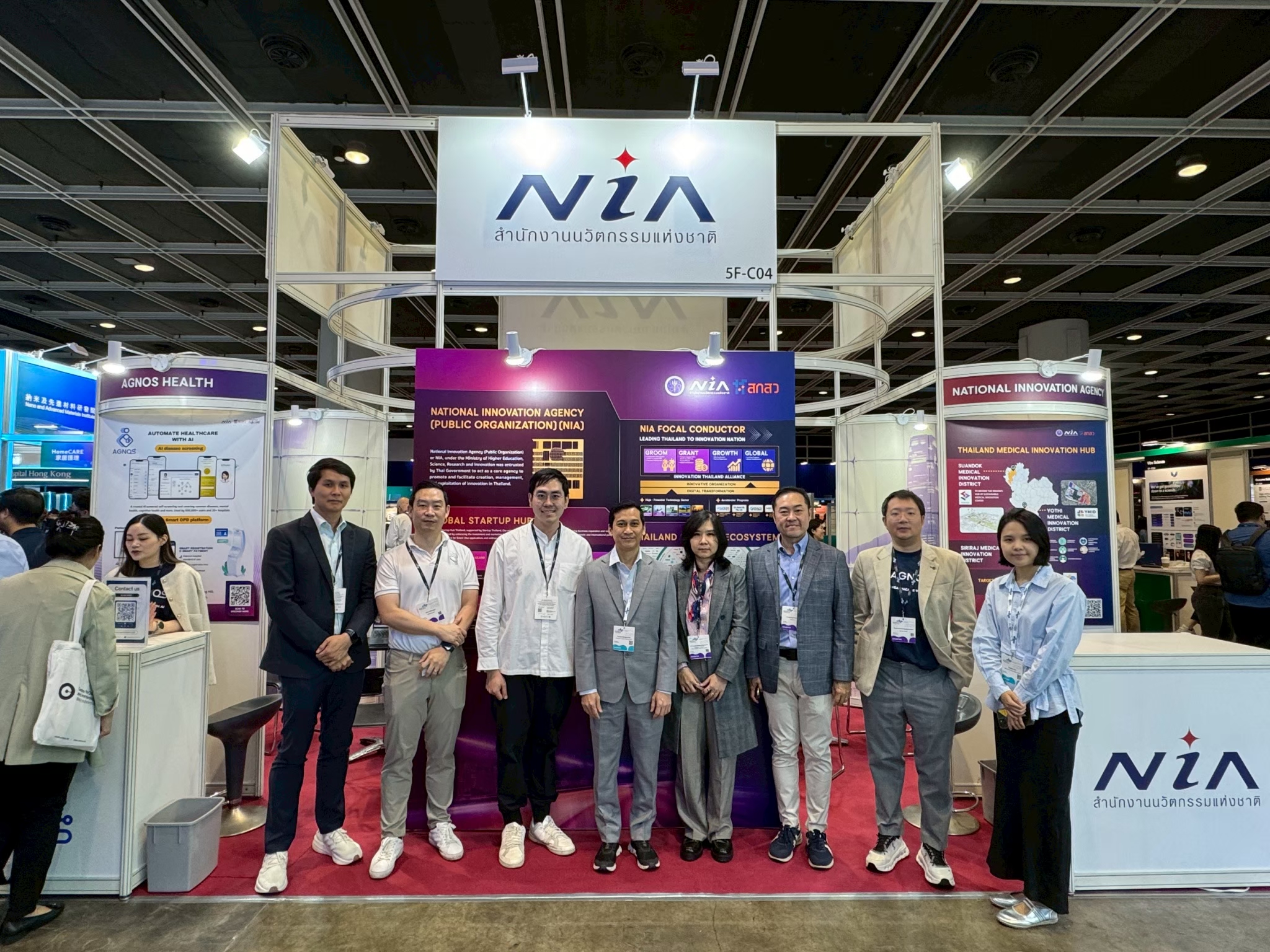
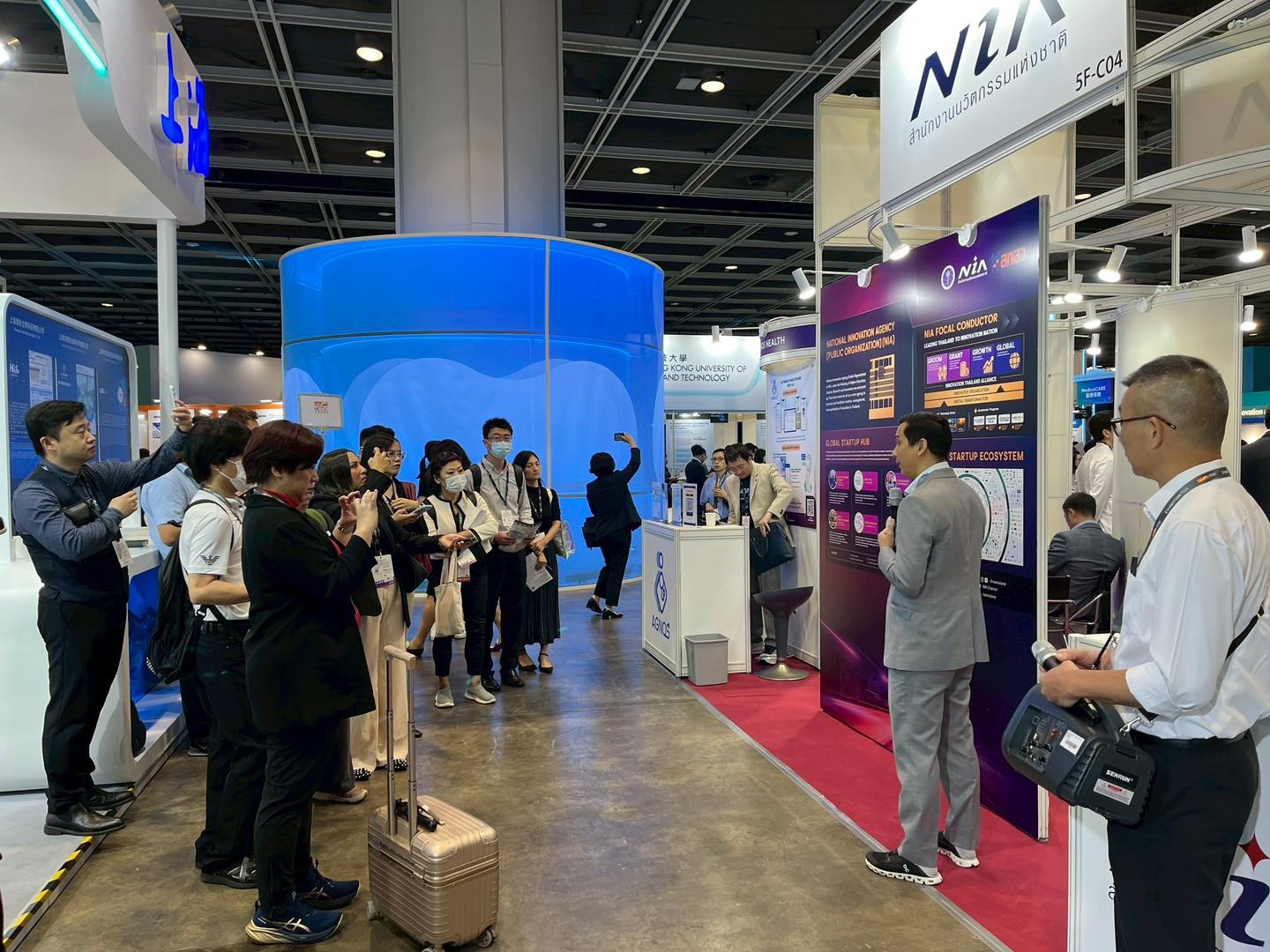
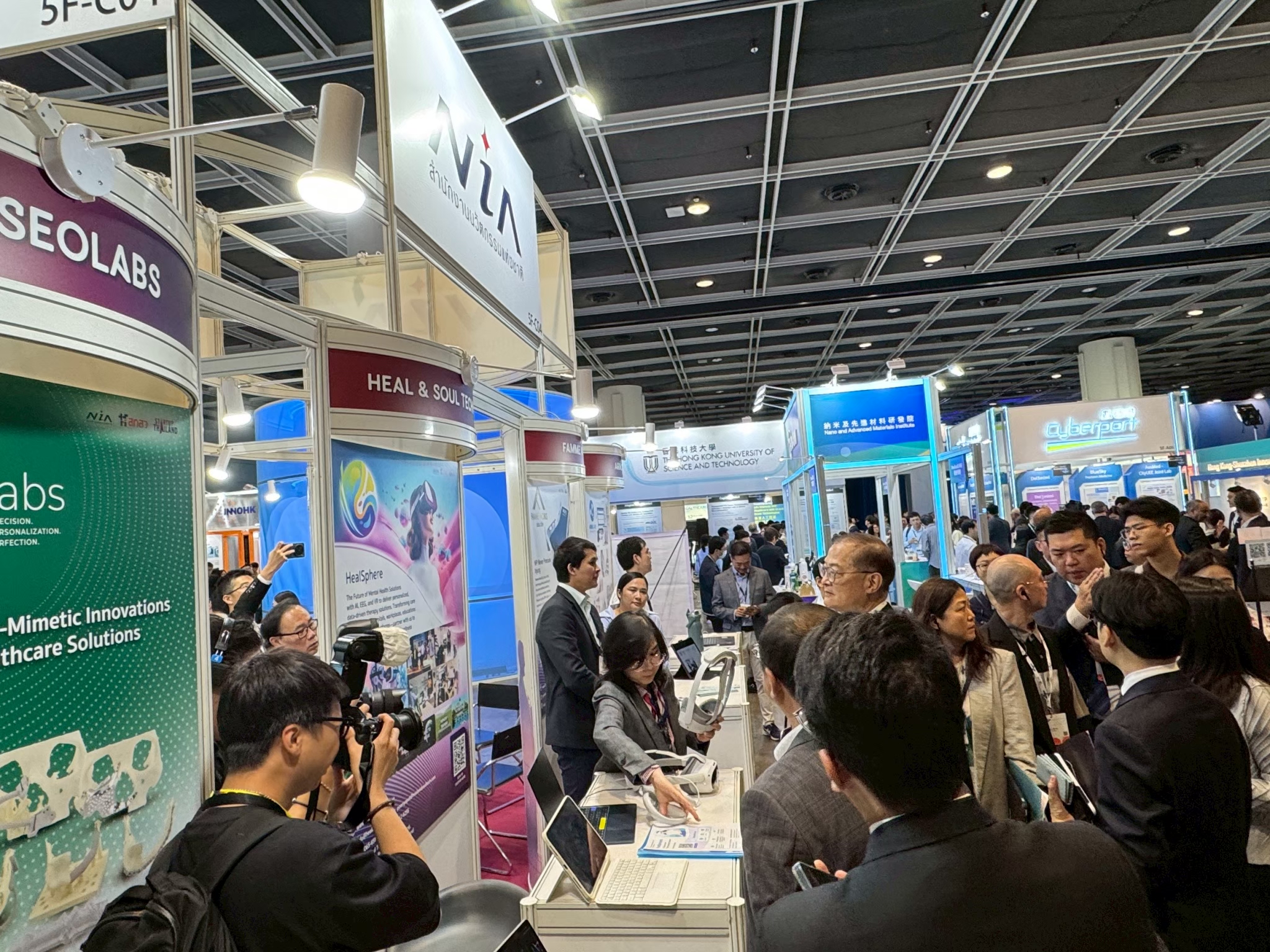
The National Innovation Agency (NIA) continues to solidify its role as a leader in pushing Thai health and medical tech startups onto the global stage. By leading a delegation of Thai startups to the Asia Summit on Global Health (ASGH) 2025 and the Medical and Healthcare Fair in Hong Kong, held from May 26–27, 2025, NIA has not only opened doors to business and investment opportunities but also provided a crucial platform for these startups to learn and adapt to the challenges of international market expansion. 

ASGH 2025: A Gateway to Global Health Tech 

Organized for the fifth time in collaboration with the Hong Kong Special Administrative Region Government and the Hong Kong Trade Development Council (HKTDC), ASGH is a premier platform that brings together key players in the global healthcare industry. This includes academic leaders, investors, technology firms, startups, R&D institutions, and government agencies. This year’s ASGH featured in-depth seminars covering critical topics such as biotech, digital health, and geriatric care, along with valuable opportunities for startups to participate in Project Pitching and one-on-one Deal-making Sessions. 

Running concurrently, the Medical and Healthcare Fair 2025 showcased a comprehensive range of medical innovations and solutions—from biotechnology and hospital equipment to rehabilitation and fitness technologies. The fair provided a chance for businesses to present their latest products and services and stay updated on global health market trends. 

NIA’s Role: Elevating Thai Health Tech 

NIA recognized the significance of both events as a global stage to enhance the potential of Thai health tech innovations. Their main goals were to promote market expansion into Hong Kong and China, connect with global investors, build partnerships with leading companies, elevate the capabilities of startups to keep pace with global trends, and showcase Thailand’s potential as an innovation hub. 

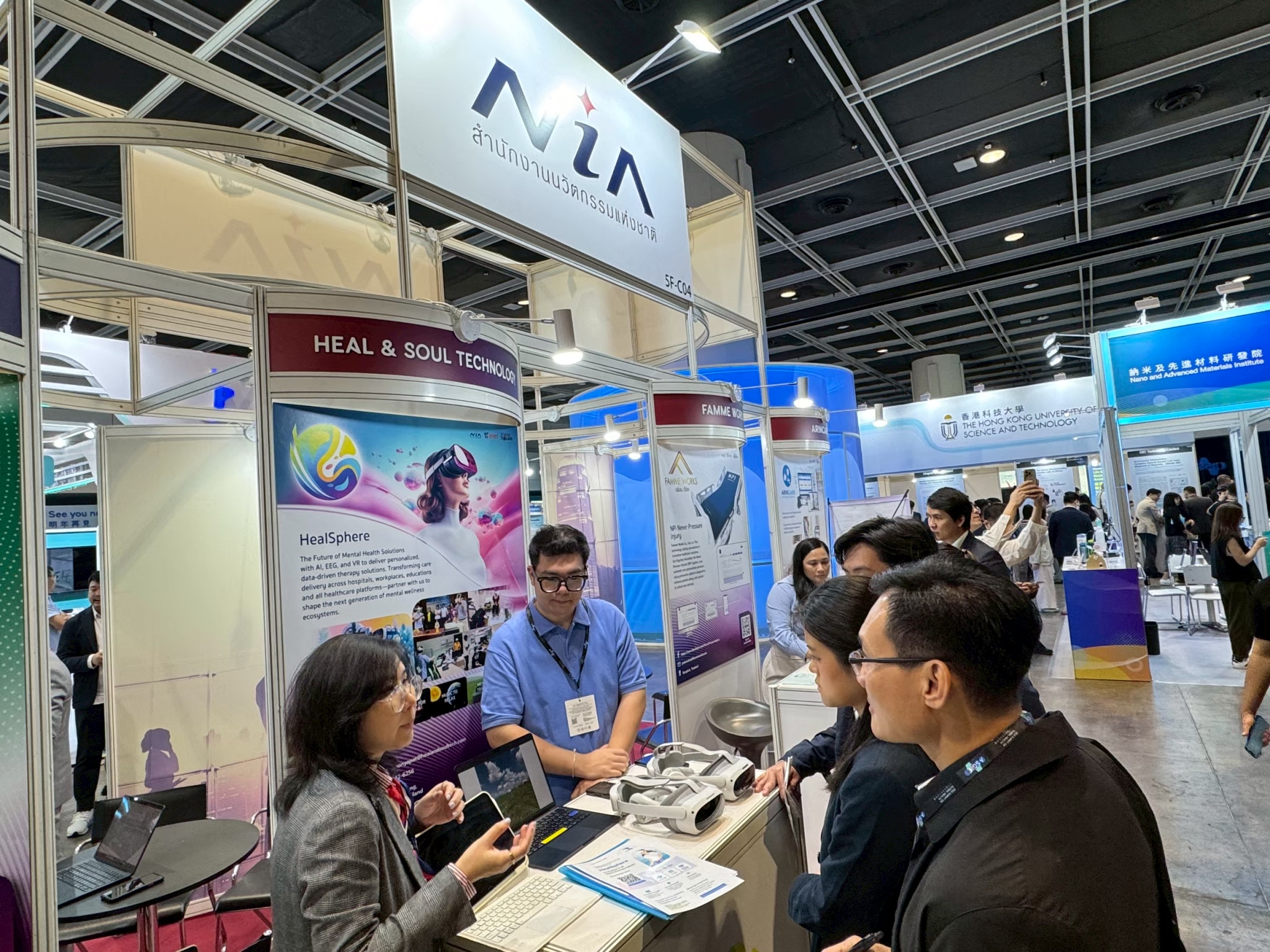
Under the “Scale Up to Global” project, NIA brought five Thai startups—Arincare, Osseolabs, Agnos Health, Heal & Soul Technology, and FAMME WORKS—to participate in exhibitions and business matching activities. This resulted in more than 30 business matches and garnered significant interest from businesses, hospitals, investors, and leading accelerators from various countries. 

The delegation also included a Media Tour, where leading media outlets from South Korea, Japan, Taiwan, and Singapore interviewed the Thai entrepreneurs. Startups like Arincare and Osseolabs were even selected to pitch in front of global VCs, creating positive international brand awareness for both the startups and Thailand’s innovation ecosystem. 

Insights from Thai Startups on the Global Stage 

We had the opportunity to speak with Teera Kanokkanjanarat, CEO & Co-founder of Arincare, and Punyapat Sophaamphornchat, CEO & Co-founder of Heal & Soul Technology, to hear about their direct experiences, challenges, and key takeaways from entering the international market. 

Arincare, a comprehensive pharmacy management platform, secured a crucial opportunity to pitch to global VCs. 

“Pitching on a major stage with global investors was an invaluable experience,” said Teera from Arincare. “We learned how to make concise and direct presentations to capture the attention of foreign investors, who have very different perspectives and evaluation criteria compared to those at home.” 

“The challenge was understanding the diverse needs of the Hong Kong and broader Asian markets and adapting our business model to cope with high competition and regulations,” Teera added. “But what we gained was a clearer global healthcare market overview and the chance to network with potential partners.” 

Heal & Soul Technology, a developer of holistic health technology, also participated with an exhibition booth and networking. 

“Exhibiting at the Medical and Healthcare Fair allowed us to meet a variety of people, including hospitals, distributors, and even direct users. This showed us the potential of our product to expand into new markets,” said Punyapat from Heal & Soul Technology. “The challenge was communicating our innovation’s unique features to target audiences with different cultures and needs. Furthermore, understanding the business ecosystem and legal frameworks abroad was something we had to prepare for intensely. But what we took away was invaluable feedback from experts and the confidence that Thai innovation can truly compete internationally.” 

Both startups emphasized the importance of preparing local market data and regulations and adapting products and services to meet the needs of the target market. These are key factors in overcoming the challenges of entering new countries. 

Opportunities for Expansion into Hong Kong and China 

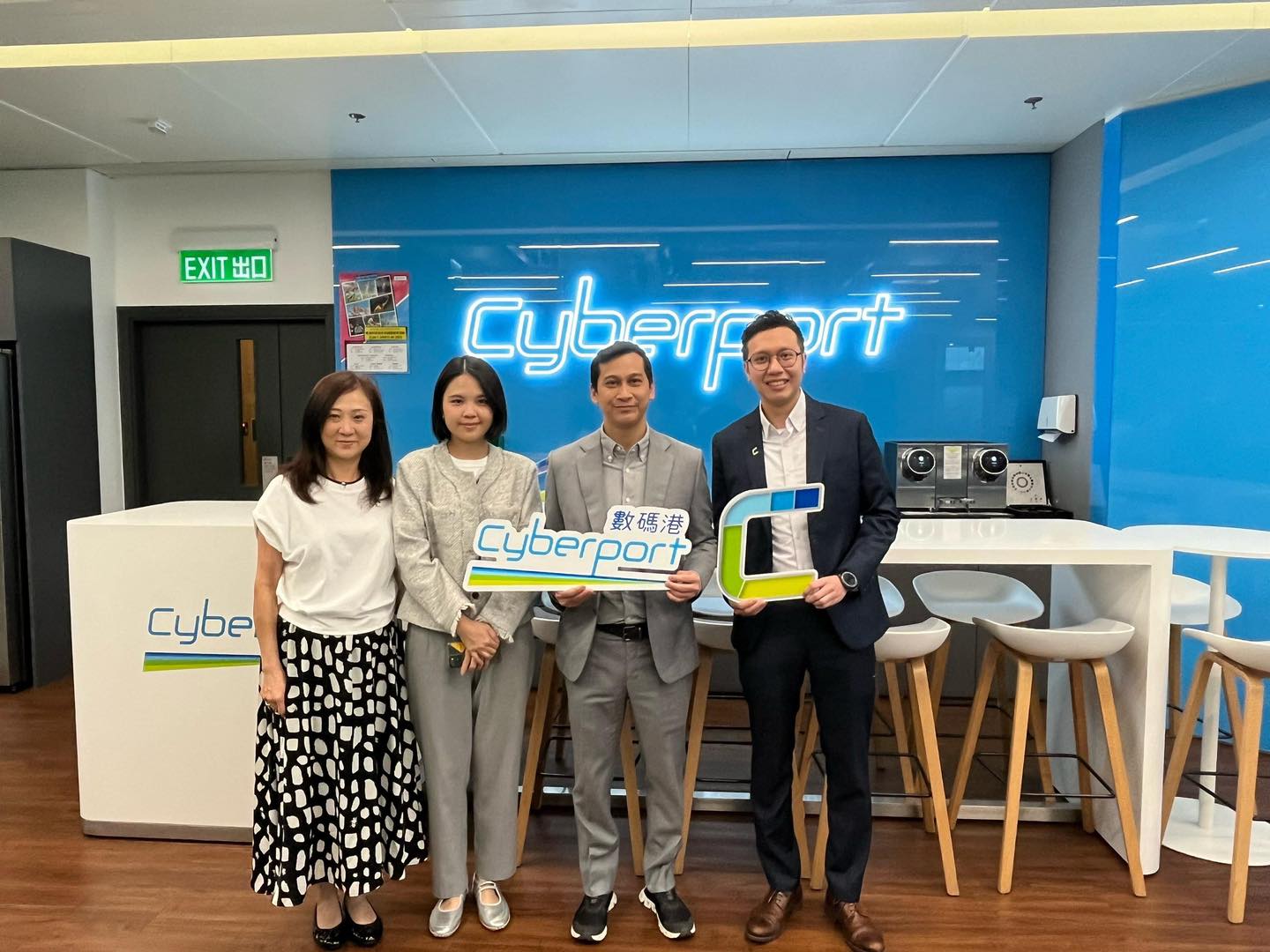
NIA also used this opportunity to arrange meetings for the startups with key partner organizations, such as the Hong Kong Science and Technology Parks (HKSTP), to prepare them for the Soft-Landing program, which assists companies looking to expand into Hong Kong and mainland China. 

Another interesting partner is Cyberport, Hong Kong’s digital technology hub, which plays a crucial role in incubating digital and AI startups. Cyberport has the potential to support startups with funding of up to HK$1.1 million, free office space, and a robust business ecosystem of over 2,000 companies, including a collective fund for investing in innovation. This presents a golden opportunity for Thai digital platform startups aiming to expand into the Greater China market. 

Participating in ASGH 2025 and the Medical and Healthcare Fair is a strategic move for NIA to propel Thai health tech innovations onto the global stage. It creates opportunities to access funding, expand markets, and build collaborative networks that will lead to the sustainable growth of Thailand’s health and innovation industry. 

For Thai entrepreneurs and startups interested in participating in similar events, you can stay updated and prepare for future opportunities by following Startup Thailand and NIA. Together, we can lead Thai innovation to the world! 

Add Your Heading Text Here

3

AI x Sustainability: A New Opportunity for Thai Startups on the Global Stage

AI x Sustainability: A New Opportunity for Thai Startups on the Global Stage 

“AI and Sustainability are global trends that every one of us needs to understand and embrace.” That’s how Dr. Krithpaka Boonfueng, Executive Director of the National Innovation Agency (NIA), kicked off a recent forum. The event, “AI and Sustainability on a Global Stage: Trends, Impacts and Opportunities,” was a powerful wake-up call for Thai startups, urging them to recognize a monumental opportunity in a world where technology and the environment are taking center stage.

Dr. Krithpaka emphasized that AI and Sustainability are the hottest topics in the global innovation landscape, set to define The Next Era of Innovation. Thai SMEs and industries must pivot to this new reality. “We have to find a way to use these two forces to drive our businesses, meet the demands of a rapidly changing world, and protect our planet while competing sustainably on the global stage.” 

AI: From Smart Tool to Smart Business 

Parivat Wongsamran, NIA’s Deputy Executive Director of Innovation Systems, made it clear: AI is no longer a distant sci-fi concept. It’s becoming an essential tool for unlocking new business potential across sectors from healthcare and agriculture to finance and manufacturing. 

The game has changed. Where business competition used to be about who had the fastest tech, it’s now about who can use AI most effectively. This means leveraging AI to uncover insights from data, deeply understanding consumer behavior, develop hyper-targeted products, and supercharge production processes. 

Even though Thailand has only a few hundred startups developing AI solutions, the market is bursting with untapped potential. New businesses like virtual banks, which rely on AI for credit analysis and customer service, or industries hungry for efficiency gains, can use AI to create instant value and gain a competitive edge. 

Sustainability: Beyond a Buzzword, It’s a Business Imperative 

The business world’s perspective on sustainability is shifting from a mere social responsibility to a core strategic necessity. For Thai businesses looking to export to Europe or join global supply chains, they’ll soon have to play by new rules. They’ll need to disclose their environmental data and have a plan to reduce carbon emissions, thanks to regulations like the Carbon Border Adjustment Mechanism (CBAM). 

This makes it crystal clear: sustainability isn’t an option; it’s a prerequisite. Businesses that can weave sustainability into their operations and strategy will not only lessen their environmental footprint but also dramatically boost their competitive power on the global stage. 

AI + Creativity: Igniting Thai Brands on the Global Stage 

Dr. Chanwit Boonchuay, President of the Artificial Intelligence Entrepreneur Association of Thailand (AIEAT), sees a massive opportunity for Thailand to become an AI developer, not just a user. We must focus on creating high-impact use cases and innovations. 

Modern AI doesn’t just crunch numbers, it’s a creative powerhouse that can slash workloads, cut costs, and save time. It lets businesses build on existing solutions or create entirely new products without reinventing the wheel. The real genius lies in using AI to amplify the strengths you already have, paving the way for sustainable growth. 

Act Fast… But Think Smart 

AI and Sustainability are no longer trends to be ignored. They represent a strategic opportunity and a challenge that Thai entrepreneurs must tackle head-on. 

If Thai businesses think big, act decisively, and truly integrate AI with sustainability, we won’t just follow the world—we can become a nation of innovators that the world pays attention to. 

The time is now for Thai businesses, especially our startups, to be bold. We need to think big, move forward, and act courageously with smart AI and sustainable goals, creating a better future for our economy and our environment, not just at home, but on the world stage. 

Add Your Heading Text Here

Banner Startup Thailand-02_1

BUZZEBEES: The Engine Revolutionizing Thailand’s Loyalty and CRM Landscape—A Platform You Use Without Realizing

BUZZEBEES: The Engine Revolutionizing

Thailand’s Loyalty and

CRM Landscape—A Platform

You Use Without Realizing  

In the past, the concept of a serious engagement platform for customer relationship management (CRM) was largely nonexistent in Thailand’s digital world. Yet, this very gap became the starting point for BUZZEBEES, a Thai tech startup. It was born from a simple vision: “If the way people communicate has changed, why should brands continue to communicate with customers in the old way?” 

Today, BUZZEBEES has grown to become the No. 1 CRM and Loyalty Platform leader in Thailand, operating behind the scenes for countless brands you interact with daily. You might not even realize you’re using their system when you redeem Krungsri credit card points through Your Choice campaigns on LINE or access special promotions at a supermarket. 

During a talk at the SITE 2025 conference on the topic “Understand your customers and how to be the leader in CRM,” Mr. Nuttanan Chantapariyavat, Chief of Strategy and Sales (CSO), shared a fascinating insight with the audience: “In the 24 hours of a single Thai person, no one’s hands don’t pass through BUZZEBEES. We may not know it, but we truly use their system every day.” 

We Don’t Just Sell Technology… We Sell an Understanding of Customers 

BUZZEBEES doesn’t have its own app; instead, it provides a white-label backend engine for various brands. Its services are divided into three main parts: 

  • – CRM and Loyalty Platform: This system is designed to build and maintain strong relationships between businesses and their customers. It includes features like membership systems, point collection, reward redemption, and various marketing activities. BUZZEBEES’ services span across diverse industries, from banking, insurance, and bottled water to fertilizers and construction materials, covering B2C, B2B, and even internal employee loyalty programs. 
  • – E-commerce Enabler: This service provides comprehensive support for online businesses, helping brands manage sales across major platforms like Shopee, Lazada, and TikTok. 
  • – Media Conversion Platform: BUZZEBEES also builds and manages affiliated pages, such as “Tid Pro,” to boost conversion rates and help clients’ pages gain followers. This creates tangible marketing results by operating as a SaaS (Software-as-a-Service) model, which requires continuous client usage. A key challenge is ensuring long-term client retention, not just a one-time sale. 

The Secret to Success: “Making Customers Lazy” 

One of BUZZEBEES’ most compelling business philosophies is to “make customers lazy.” This means creating a system that is so easy to use, intuitive, and valuable that customers don’t want to do it themselves. If they see that the platform offers worthwhile data, tools, and support, they’ll be willing to pay to continue using it. 

Recognizing the small and limited nature of the Thai market, BUZZEBEES laid the groundwork for international expansion from day one. They chose to collaborate with local partners rather than going alone, deeply understanding the nuances of each market, from UX and data privacy (PDPA) to local user behavior flows. 


It’s Not Just About a Talented Team… They Must Be Resilient, Too 

A major challenge for any fast-growing startup is not just finding talented people but finding the right people for the company’s specific stage. Some talented individuals may lack the resilience or adaptability needed, while others who were a perfect fit in the early stages might not be able to grow with the company. 

Mr. Nuttanan candidly shared that the BUZZEBEES team had to transform from a small, hands-on group to one with specialized experts. This was the most difficult part, because the people who grow with the company form the essential foundation of a SaaS business, which must serve clients for the long haul. 


A Thai Startup Needs More Than Cool Tech… It Needs to Survive 

Mr. Nuttanan concluded with advice that resonates with many entrepreneurs: “It doesn’t matter how cool the AI or tech is. If the business model isn’t clear, you don’t have the right people, or you can’t manage your finances, you won’t make it.” He emphasized that it’s not enough to simply believe something is possible; you must also think about the “End Game” what you ultimately want to achieve. 

BUZZEBEES has a clear goal: to take Thai solutions global. They are already on their journey to becoming a regional leader. BUZZEBEES is not just a company that writes code; it is writing about the future of communication between brands and customers in the digital age. In a world where people are connected 24/7, communication isn’t just happening between people anymore, it’s also happening between brands and consumers. BUZZEBEES is serving as the bridge to make that communication seamless and to create sustainable business opportunities. 

Startup Thailand League 2025 สานต่อไอเดีย.สู่ธุรกิจจริง ผลั

The Middle East: A New Opportunity for Thai Startups

The Middle East: A New Opportunity for Thai Startups

At the Global Market Forum during SITE 2025, one of the most compelling sessions for both entrepreneurs and investors was the dedicated platform for Middle Eastern countries to share economic data and trends. The spotlight was on Saudi Arabia, hailed as the region’s rising star. 

This presentation underscored that the Middle East is no longer solely a market for oil. It’s rapidly transitioning into a hub of innovation, technology, and diverse investment. Saudi Arabia is at the forefront of this transformation, driven by clear government policies and massive economic development projects. 

Vision 2030: A National Roadmap 

One of the key factors attracting global investors is Vision 2030, Saudi Arabia’s national strategy to wean its economy off of a dependency on oil revenue. Its main goals include: 

  • Economic Diversification – Creating new industries in technology, tourism, and services to establish new revenue streams. 
  • World-Class Infrastructure – Investing in mega-projects like the smart city NEOM, which utilizes technology and clean energy. 
  • Improving the Quality of Life – Modernizing education, healthcare, and employment to meet international standards. 

Vision 2030 is more than a policy document; it’s a systematic and serious national push. It actively encourages foreigners to play a role in all facets of development, sending a clear positive signal to global investors seeking long-term opportunities in this fast-growing market. 

Microband: A Gateway to the Saudi Arabian Market 

Microband is a key player, acting as a “bridge” between foreign investors and the Saudi market. The company’s strength lies in its deep understanding of the local culture, regulations, and consumer behavior. Microband’s services cover several key areas: 

  • Market Research and Analysis to identify business gaps and opportunities. 
  • Localized Marketing Strategies, including the use of appropriate language and communication through popular Saudi Arabian media. 
  • Technological Support with CRM, ERP, AI platforms, booking systems, and queue management systems to help foreign businesses enter the market efficiently. 
  • Partnership Networking through events, business matching sessions, and pop-up booths to connect investors with local entrepreneurs. 

A prime example of Microband’s success is its role in helping a Thai food company conduct business negotiations with Saudi Arabian partners, which led to real commercial relationships and export expansion opportunities. Saudi Arabia is now opening up many opportunities for investors and entrepreneurs, especially in key industries like Industrial Development, Healthcare, Food Industry, renewable energy, technology, and AI. Microband is eager to welcome businesses from these sectors to help drive sustainable growth in the region. 

A Market Primed for Growth: Key Indicators 

Several factors highlight the market’s appeal: 

  1. A Young, Tech-Savvy Population 

Saudi Arabia has a young average age, making its society dynamic, open to innovation, and quick to adopt new technology. 

  1. Investment-Friendly Regulations 

The government allows 100% foreign ownership in many sectors, reduces capital requirements, and streamlines company registration. A business license (CR) can be obtained in as little as 180 seconds. 

  1. Modern Digital Infrastructure 

Online transactions are commonplace in Saudi Arabia, which reduces time costs and makes it easy to start a business. 

  1. A Strong Global Economy 

As a G20 country, Saudi Arabia has the capital and resources to support large-scale investments. It also boasts political stability and clear pro-business policies. 


Opportunities for Thai Startups 

Three main sectors offer significant opportunities for Thai startups: 

  • AI (Artificial Intelligence) – This is a top priority for Saudi Arabia, with widespread applications in commerce, services, and infrastructure. 
  • Sustainability – The government is pushing for clean energy and efficient resource management, creating opportunities for solutions that minimize environmental impact. 
  • Deep Tech – Advanced technology in engineering, biology, and material science is in high demand for mega-projects like smart cities and Industry 4.0. 

Microband’s executives also emphasize that any startup, whether in its early or growth stage, can enter the Saudi market with the right partners and a willingness to adapt to the local culture. 

Keys to Success in the Saudi Market 

To succeed when entering the Middle Eastern market, here are the keys to success in Saudi Arabia: 

1.Adapt Your Strategy to the Culture: A deep understanding of values, religion, and consumer behavior is essential. 

2.Partner with Local Allies: This helps reduce the learning curve and build credibility. 

3.Use Technology as an Accelerator: Utilize digital systems to analyze the market and continuously refine your strategy. 

4.Act Quickly: Business opportunities are time sensitive. Those who move first have the advantage. 

Saudi Arabia is transforming into a Middle Eastern economic and innovation hub with massive investments in technology, infrastructure, and clean energy. For Thai startups and investors, this represents a crucial opportunity to expand into a market with real potential and significant government support. Saudi Arabia is ready to open its doors to the world. 

Add Your Heading Text Here

TripNiceDay

Tripniceday แพลตฟอร์มจัดทริปเที่ยวด้วยตัวเอง เพื่อนักเดินทางตัวจริง

Tripniceday แพลตฟอร์มจัดทริปเที่ยวด้วยตัวเอง เพื่อนักเดินทางตัวจริง

ย้อนไปช่วงเกิดสถานการณ์การแพร่ระบาดของเชื้อโควิด-19 ใหม่ๆ เมื่อประมาณ 3 ปีก่อน หนึ่งในธุรกิจที่ได้รับผลกระทบมากเป็นอันดับต้นๆ สำหรับประเทศไทยก็คือ การท่องเที่ยว แต่ท่ามกลางมรสุมก็เสมือนดาบสองคม มองในมุมกลับก็เป็นช่องว่างให้เกิดแพลตฟอร์มใหม่ๆ เพื่อเป็นทางออกให้กับปัญหาที่เกิดขึ้น หนึ่งในนั้นคือ ทริปไนซ์เดย์ (Tripniceday) แพลตฟอร์มจัดทริปเที่ยวด้วยตัวเองที่สร้างขึ้นโดยฝีมือคนไทย จิรายุ ลิมจินดา อดีตโปรแกรมเมอร์ที่ริเริ่มแพลตฟอร์มจากการนำเอาวิทยานิพนธ์สมัยเรียนปริญญาโทคณะบริหารธุรกิจมาต่อยอด

“ถ้าเป็นช่วงก่อนโควิด-19 ผู้ประกอบการการเดินทางแบบกรุ๊ปทัวร์ไม่เคยสนใจต้องพาตัวเองขึ้นมาขายแพ็คเกจทัวร์บนแพลตฟอร์มออนไลน์ เพราะขายได้อยู่แล้ว แต่พอช่วงโควิด-19 ตลาดและพฤติกรรมการท่องเที่ยวเปลี่ยน ผู้คนไม่อยากเที่ยวเป็นกลุ่ม ไม่อยากไปเจอประสบการณ์เดิมๆ และพร้อมที่จะใช้เงินมากขึ้นเพื่อไปเจอประสบการณ์แปลกใหม่ เจอสถานที่ใหม่ๆ” จิรายุเกริ่นถึงจุดเปลี่ยนเล็กๆ ที่ทำให้กลุ่มนักท่องเที่ยวหันมาจัดทริปการเดินทางท่องเที่ยวด้วยตัวเองกันมากขึ้น และกลายเป็นโอกาสแจ้งเกิดของ ‘ทริปไนซ์เดย์’

ก้าวแรกของธุรกิจ ท่ามกลางแรงต้านรอบด้าน จากไอเดียเริ่มต้น ด้วยการนำเสนอ Business Model นี้ต่ออาจารย์ที่ปรึกษา เพียงแค่รู้สึกว่าเป็นโมเดลที่ทุกคนเข้าถึงได้-เข้าใจง่าย เป็นการเปิดประสบการณ์ใหม่ของนักท่องเที่ยวให้ได้รู้จักสถานที่ท่องเที่ยวหลากหลายมากขึ้น ในทางกลับกันเป็นการเปิดโอกาสให้ผู้ประกอบการในอุตสาหกรรมการท่องเที่ยวรายย่อยได้เข้าถึงกลุ่มนักท่องเที่ยวผ่านเทคโนโลยีสมัยใหม่ โดยเอาประสบการณ์ของผู้ใช้เป็นศูนย์กลาง

“ทริปไนซ์เดย์ช่วยให้ผู้ประกอบการรายย่อย ชุมชน หรือคนตัวเล็กๆ ตามต่างจังหวัดสามารถมีตัวตนบนแพลตฟอร์มออนไลน์ โดยไม่ต้องใช้เงินทุนมากมาย เพราะเราไม่ได้เก็บค่าธรรมเนียมการใช้บริการแพลตฟอร์ม ไม่ว่าจากฝั่งนักท่องเที่ยวหรือฝั่งผู้ประกอบการ-คู่ค้า”

“ทริปไนซ์เดย์จึงเป็นเหมือนกระบอกเสียงให้กลุ่มคนเหล่านี้ได้ประชาสัมพันธ์ตัวเองบนโลกออนไลน์ได้อย่างเท่าเทียม เปิดโอกาสสร้างรายได้จากการที่นักท่องเที่ยวเลือกสถานที่ของพวกเขาเข้าไปในทริปการเดินทางและเดินทางไปที่นั่น”

จากไอเดียในกระดาษส่งอาจารย์ จิรายุเริ่มปั้นทริปไนซ์เดย์ให้กลายเป็นธุรกิจ ท่ามกลางก้าวแรกที่เต็มไปด้วยแรงต้านและการถูกปฏิเสธ ตั้งแต่การหาพันธมิตรทางธุรกิจไปจนถึงการเข้าถึงหน่วยงานต่างๆ เพื่อหาทุน หลายคนมองว่าตลาดการจัดทริปเองไม่น่าโตได้จริง

“ยิ่งใครบอกว่าแพลตฟอร์มนี้ไม่น่าจะเวิร์ค ผมยิ่งอยากพิสูจน์ให้เห็นว่าสิ่งนี้อาจจะเวิร์คก็ได้ ก็เลยกัดฟันทำมาโดยตลอด ปรับเปลี่ยนโมเดลไปเรื่อยๆ ช่วงแรกท้อเหมือนกัน จะไปหาค่าความร่วมมือจากหน่วยงานรัฐก็ไม่มีใครเปิดใจเลย สิ่งที่เราทำได้ คือ ทำให้ดีที่สุดในแต่ละวัน จนเริ่มมีค่าความร่วมมือ มีคนเข้ามาใช้แพลตฟอร์มจริงๆ”

จากความพยายามสู่การยกระดับแพลตฟอร์ม จากการลองผิดลองถูก ทริปไนซ์เดย์ค่อยๆ พัฒนาตัวเองจนแบ่ง Business Model ออกเป็น 2 ฝั่ง สำหรับนักท่องเที่ยว เปิดให้ใช้ทริปไนซ์เดย์จัดทริปการเดินทาง

ฝั่งที่ 1 เมื่อนักเดินทางเลือกสถานที่ต้นทางและปลายทาง ระบบจะนำเสนอสถานที่ท่องเที่ยวที่น่าสนใจให้คุณเลือก ช่วยให้การวางแผนการเดินทางสะดวกขึ้น ง่ายขึ้น โดยรวมข้อมูลที่อัปเดตแล้วมาไว้ในที่เดียว

“การที่นักท่องเที่ยวสักคนเลือกไปเที่ยวเชียงใหม่ จะเสียเวลาหาข้อมูลตามหน้าเว็บไซต์ จะพักที่ไหน เดินทางอย่างไร แต่ละสถานที่เสียค่าเข้าเท่าไร เปิด-ปิดกี่โมง ควรเดินทางไปสถานที่ไหนก่อน ตัวทริปไนซ์เดย์จะเข้ามาทำหน้าที่เสมือนเป็นตัวกลางตัวหนึ่งรวบรวมข้อมูลเหล่านี้เอาไว้ในที่เดียว”

ฝั่งที่ 2 สำหรับผู้ประกอบการ ชุมชน ผู้ให้บริการเกี่ยวกับการท่องเที่ยวต่างๆ ซึ่งเป็นฝั่งที่สร้างรายได้ให้กับแพลตฟอร์ม จากการช่วยผู้ประกอบการและคู่ค้าเหล่านี้ขายแพ็คเกจท่องเที่ยวของเขาผ่านบนแพลตฟอร์มทริปไนซ์เดย์ ซึ่งโมเดลนี้เป็นส่วนที่มาภายหลังเมื่อปลายปี 2565

“ช่วงโควิด-19 มีนักท่องเที่ยวจำนวนไม่น้อยที่เข้าใจผิดคิดว่าเราเป็นทัวร์จัดทริป คิดว่าเราขายทัวร์ โทรมาซื้อตั๋วทัวร์กับเรา ซึ่งส่วนใหญ่ผมจะตอบไปว่าถ้าคุณอยากเที่ยวคุณสามารถจัดทริปได้ด้วยตัวเองผ่านแพลตฟอร์มทริปไนซ์เดย์ แต่พอมีคนต้องการให้ทริปไนซ์เดย์จัดแพ็คเกจทัวร์มาขายมากๆ เข้า จึงเป็นที่มาของการก่อเกิดโมเดลที่ 2”

“ทริปไนซ์เดย์ยังคงทำหน้าที่เป็นตัวกลางระหว่างนักท่องเที่ยวและผู้ประกอบการ ชุมชน สถานที่ท่องเที่ยว ด้วยการพากลุ่มคนเหล่านี้มาขายแพ็คเกจบนแพลตฟอร์มของเรา เพื่อให้นักท่องเที่ยวเข้าถึงผู้ให้บริการเพื่อการท่องเที่ยวกลุ่มนี้ได้ง่ายขึ้น”

จิรายุเล่าถึงความบังเอิญที่กลายมาเป็นการแตกไลน์ธุรกิจของทริปไนซ์เดย์ ปัจจุบันทริปไนซ์เดย์มีผู้ใช้งานมากกว่า 5 หมื่นคนต่อเดือน เฉลี่ยวันละประมาณ 1,500 ราย จัดทริปมาแล้วมากกว่า 7,000 ทริป ส่วนใหญ่นักท่องเที่ยวที่เคยใช้แพลตฟอร์มมาก่อนจะเกิดการใช้ซ้ำ โดยจิรายุพลิกแพลงทุกกลยุทธ์การตลาดเท่าที่จะนึกได้มากกว่า 30-40 โมเดล เพื่อให้ผ่านช่วงวิกฤติโควิด-19 ตั้งแต่ออกบูธ ใช้อินฟลูเอนเซอร์ การทำแคมเปญกับภาครัฐ รวมถึงการได้รับทุนจาก NIA ต่อเนื่อง 3 ปี ติดต่อ และการได้รับการสนับสนุนจากนักลงทุน เพื่อให้แพลตฟอร์มเกิดเงินทุนหมุนเวียน

“ถึงวันนี้ผมยังไม่คิดว่าทริปไนซ์เดย์ประสบความสำเร็จ ยังต้องมีการปรับตัวให้ดีขึ้นอย่างต่อเนื่อง แต่ถ้าถามว่าทำไมถึงเริ่มเวิร์ค หลักๆ ผมว่าน่าจะมาจากการมียอดผู้ใช้งานจริงมากขึ้นเรื่อยๆ จากการลองใช้จริงและเริ่มรู้สึกว่าแพลตฟอร์มของเราทำอะไรได้มากกว่าที่คิด”

ผลการตอบรับที่ดีจากเฟสแรก กลายเป็น Key Learning ให้จิรายุนำไปสู่การยกระดับบริการในเฟสที่สองที่จะเปิดขึ้นในปลายปี 2566 ที่จะเป็นผู้ช่วยจัดทริปการเดินทางอัจฉริยะที่ฉลาดขึ้นกว่าเดิม โดยระบบจะนำเสนอข้อมูลการเดินทางได้ละเอียดขึ้นไปอีกขั้น เช่น แนะนำสถานที่พักรถ, แนะนำเส้นทางที่เดินทางเร็วสุด ง่ายสุด, แนะนำสถานที่ที่คนนิยมไป ไปจนถึงนำเสนอสถานที่ท่องเที่ยวที่คาดว่าคุณจะชอบ จากการวิเคราะห์พฤติกรรมและอายุของผู้เดินทาง และยกระดับไปไกลถึงขนาดนำเสนอบริการท้องถิ่นที่จะทำให้การท่องเที่ยวสะดวกขึ้น เช่น บริการของฝากถึงที่พักโดยที่คุณไม่ต้องไปซื้อเองให้เหนื่อย, แนะนำบริการรถเช่า, แนะนำบริการทัวร์ท่องเที่ยวท้องถิ่น เป็นต้น

ถ้าแพลตฟอร์มให้ประโยชน์กับผู้คน ก็สามารถไปต่อได้ ถือว่าทริปไนซ์เดย์มาไกลมากจากก้าวแรกที่ไม่มีใครมองเห็นโอกาส กว่าจะมาถึงจุดนี้ จิรายุต้องยึดมั่นในความเชื่ออย่างแรงกล้า อย่างที่เขาบอกว่า “เพราะผมเชื่อว่าเรามีความสามารถมากพอในการช่วยเหลือชุมชน ช่วยเหลือคนให้สามารถใช้ประโยชน์จากแพลตฟอร์มที่เราสร้างขึ้นได้ การทำทริปไนซ์เดย์เป็นงานที่ทำให้ชีวิตมีคุณค่า มีความหมาย นั่นทำให้ผมยังคงทำทริปไนซ์เดย์จนถึงวันนี้”

ก่อนทิ้งท้ายบทเรียนให้กับสตาร์ทอัพรุ่นใหม่ว่า “อย่าท้อ อย่าล้มเลิก คนทุกคนมีความฝัน แต่จะมีสักกี่คนที่ยอมทำทุกอย่างเพื่อรักษาความฝัน ผมเชื่อว่าถ้าแพลตฟอร์มให้ประโยชน์กับผู้คน ก็สามารถไปต่อได้”

ดูรายละเอียดของ Tripniceday เพิ่มเติมได้ที่ https://www.tripniceday.com/ และ https://www.facebook.com/tripniceday

บทความนี้เป็นส่วนหนึ่งในโครงการ Startup Thailand Marketplace ของ สำนักงานนวัตกรรมแห่งชาติ (องค์การมหาชน)

Caption Facebook

จากไอเดียในรายงานธีสิส สมัยเรียนปริญญาโท กลายมาเป็นธุรกิจแพลตฟอร์มใหม่ นี่คือจุดเริ่มต้นของ ทริปไนซ์เดย์ (Tripniceday) แพลตฟอร์มจัดทริปเที่ยวด้วยตัวเองที่สร้างขึ้นโดยฝีมือคนไทย จิรายุ ลิ่มจินดา อดีตโปรแกรมเมอร์ที่เริ่มต้นปั้นสตาร์ทอัพท่องเที่ยวที่มีจุดพลิกจากพฤติกรรมนักท่องเที่ยวที่เปลี่ยนแปลงไปจากเดิมเพราะสถานการณ์โควิด-19 ทริปไนซ์เดย์ ไม่เพียงช่วยให้การวางแผนการเดินทางง่ายขึ้น แต่ยังหวังเป็นกระบอกเสียงให้ผู้ประกอบการรายย่อย ชุมชน หรือคนตัวเล็กๆ ได้ประชาสัมพันธ์ตัวเองบนโลกออนไลน์ได้อย่างเท่าเทียม #GMLive #StartupFounder #Tripniceday #ทริปไนซ์เดย์ #จัดทริปเที่ยวด้วยตัวเอง #จิรายุลิ่มจินดา #NIA #StartupThailand

Fill_In (Sati)

Fill’In ปลดล็อกงานเวชทะเบียนทีแสนยุ่งยาก ให้เป็นเรื่องง่ายๆ

Fill’In ปลดล็อกงานเวชทะเบียนทีแสนยุ่งยาก ให้เป็นเรื่องง่ายๆ

เพราะหน้าที่ของ “หมอ” ในการช่วยชีวิตคนไข้ ไม่ได้หยุดอยู่เพียงแค่การรักษา แต่ “หมอ” ยังสามารถช่วยชีวิตคนไข้ได้ด้วยการพัฒนาโครงสร้างพื้นฐานระบบทางการแพทย์ที่ดี เพื่อแบ่งเบาภาระของบุคลากรทางการแพทย์ให้สามารถทำงานได้อย่างมีความสุข ซึ่งนั่นจะทำให้ดูแลผู้ป่วยได้ดีขึ้น

จากแรงบันดาลใจนี้เอง จุดประกายให้ นายแพทย์รพีพัฒน์ ศรีจันทร์ แพทย์ใช้ทุนชั้นปีที่ 4 ภาควิชาออร์โทปิดิกส์ คณะแพทยศาสตร์ มหาวิทยาลัยเชียงใหม่ มุ่งมั่นกับการพัฒนานวัตกรรมที่จะมาช่วยแก้ปัญหาการทำงานของบุคลากรทางการแพทย์

นพ.รพีพัฒน์ เริ่มเข้าสู่วงการสตาร์ทอัพตั้งแต่ยังเป็นนักศึกษาแพทย์ ประสบการณ์จากการได้ลงสนามไปทำงานจริงในโรงพยาบาล ทำให้เขาเห็นถึงหลายปัญหาที่ยังไม่ได้รับการแก้ไข บวกกับเมื่อเห็นกระแสสตาร์ทอัพในเชียงใหม่เริ่มบูม จึงอยากนำมานวัตกรรมเข้ามาแก้ปัญหาต่างๆ และตัดสินใจเข้าร่วมการประกวดสตาร์ทอัพรายการหนึ่ง

“ไอเดียแรกที่ส่งเข้าประกวด คือ ระบบประเมินความเสียงและความเร่งด่วนของคนไข้ที่ต้องมาใช้บริการห้องฉุกเฉิน เพราะหนึ่งใน Pain Point ของแผนกฉุกเฉินที่ผมเจอ คือ คนไข้บางครั้งไม่รู้ว่าอาการของตัวเองอยู่ในเกณฑ์ฉุกเฉินหรือไม่ แต่ด้วยประสบการณ์ที่ยังน้อย บวกกับมองปัญหาผ่านมุมมองของแพทย์เป็นหลัก แต่ไม่ได้คำนึงถึงการพัฒนาโซลูชันและการหาโมเดลธุรกิจมารองรับ ทำให้ไอเดียนี้ไปไม่ถึงฝัน แต่อย่างน้อยการเริ่มต้นก็ทำให้ได้เรียนรู้วิธีคิดแบบสตาร์ทอัพ เพื่อต่อยอดไอเดียใหม่ๆ”

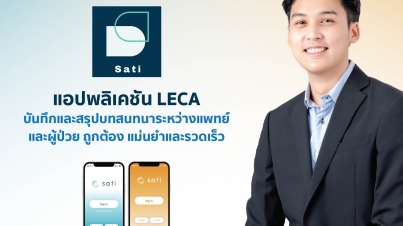
แม้ไอเดียแรกจะล้มเหลว แต่กลับจุดสัญชาตญาณความเป็นสตาร์ทอัพในตัวของนพ.รพีพัฒน์ เขารวมกลุ่มกับทีมงานเพื่อพัฒนาโปรแกรม LECA สำหรับแปลงบทสนทนาระหว่างแพทย์และคนไข้ เพื่อลดภาระในการบันทึกเวชระเบียนหรือประวัติการรักษาคนไข้ให้กับแพทย์ เพื่อให้แพทย์มีเวลาไปรักษาคนไข้มากขึ้น

แต่ทำไปทำมา ด้วยข้อจำกัดของเทคโนโลยีแปลงเสียงที่อาจจะยังไม่แม่นยำ 100% บวกกับพระราชบัญญัติคุ้มครองข้อมูลส่วนบุคคล พ.ศ. 2562 (PDPA) ทำให้สุดท้ายนพ.รพีพัฒน์ตัดสินใจพักโปรเจกต์นี้เพื่อไปพัฒนาอีกโซลูชันที่ใกล้เคียงกัน ซึ่งได้ไปพบ Pain Point ขณะเริ่มนำโปรแกรม LECA ไปทดสอบไอเดียกับโรงพยาบาลต่างๆ

ต่อยอด Pain Point สู่ Health Tech
ปัญหาที่ว่า คือ การที่โรงพยาบาลต่างๆ ต้องสูญเสียรายได้จำนวนมหาศาลในแต่ละปีจากการกรอกข้อมูลเวชระเบียนที่ไม่ตรงตามเกณฑ์การเบิกจ่าย

“เวลาที่ผู้ป่วยใช้สิทธิในการรักษาต่างๆ ปกติทางโรงพยาบาลจะเป็นผู้สารองค่ารักษาไปก่อน แล้วจึงนำข้อมูลการรักษาไปยื่นเบิกจ่าย โดยผู้ที่ทำหน้าที่แปลงประวัติการรักษาต่างๆ ให้เป็นประวัติมาตรฐาน (ICD) เพื่อนำไปเบิกจ่ายตามสิทธิต่างๆ เรียกว่า ผู้ลงรหัส (Medical Coder) แต่ด้วยความที่ปริมาณคนไข้ในแต่ละโรงพยาบาลมีจำนวนมากกว่าแพทย์ ทำให้แพทย์อาจไม่มีเวลาบันทึกเวชระเบียนได้ครบถ้วน ส่งผลให้ผู้ลงรหัสซึ่งมีอยู่น้อยนั้นไม่เพียงแค่ต้องรับภาระที่มากขึ้น แต่หากบันทึกข้อมูลผิดพลาดก็อาจจะทำให้โรงพยาบาลสูญเสียรายได้จากการเบิกจ่าย”

จาก Pain Point ดังกล่าว จึงเป็นที่มาของการพัฒนาโปรแกรม Fill’In เพื่อช่วยแบ่งเบาภาระแพทย์ในการบันทึกข้อมูลให้แม่นยำมากขึ้น ขณะเดียวกันยังช่วยแปลงและตรวจสอบข้อมูลในการลงรหัสให้ครบถ้วนตามเกณฑ์และรวดเร็วมากขึ้น เพื่อนำไปสู่การเบิกจ่ายที่มีประสิทธิภาพสูงสุด และในอนาคตยังสามารถนำข้อมูลไปใช้วิเคราะห์เพื่อพัฒนาคุณภาพการรักษาพยาบาลอีกด้วย

“หลังจากเริ่มพัฒนาโปรแกรมเมื่อปีที่แล้ว ตอนนี้อยู่ในช่วงนำโปรแกรม Fill’In ไปปลั๊กอินกับโรงพยาบาลต่างๆ ที่สนใจ โดยวางแผนว่าจะขยายผลที่โรงพยาบาลในเชียงใหม่และภาคเหนือก่อนจะขยายไปยังภูมิภาคอื่นๆ เพราะฉะนั้น มาถึงวันนี้คงเร็วไปถ้าจะประเมินว่าธุรกิจมาถึงจุดที่ประสบความสำเร็จหรือยัง เพราะภาพความสำเร็จที่วาดไว้ คือ ต้องเห็นประสิทธิภาพของระบบว่าเข้าไปช่วยลดภาระบุคลากรทางการแพทย์ได้จริง และมีรายได้หล่อเลี้ยงธุรกิจได้โดยไม่ต้องอาศัยเงินทุนสนับสนุน”

มี passion ใจสู้ ลงมือทำ
ถ้าถามว่า อะไรคือแรงบันดาลใจที่ทำให้ นพ.รพีพัฒน์มุ่งมั่นและไม่ล้มเลิกระหว่างทาง คำตอบคือมี passion ในสิ่งที่ทำและการมีทีมที่ดี

“กำลังใจของเรา มาจากการเสพติดความสำเร็จเล็กๆ ที่เกิดขึ้นระหว่างทาง เวลาเราเห็นว่าโซลูชันของเรามีส่วนช่วยแก้ปัญหาได้จริง ทำให้รู้สึกว่ามาถูกทาง บวกกับการมีทีมที่ดี ทำให้มีพลังที่จะเดินไปข้างหน้า”

สิ่งที่อยากบอกสตาร์ทอัพคนอื่นๆ คือ ไอเดียจะดีแค่ไหนก็ไม่สามารถสร้างการเปลี่ยนแปลงได้ถ้าไม่เริ่มต้นลงมือทำ ซึ่งเป็นก้าวที่ยากที่สุด ที่สำคัญลงมือทำแล้ว ต้องไม่เชื่อมั่นในตัวเองสูงเกินไป ต้องเผื่อใจให้กับความล้มเหลว พยายามฟังให้เยอะ และทดสอบไอเดียตลอดเวลา เพราะบนเส้นทางของสตาร์ทอัพ ความล้มเหลวเกิดขึ้นได้ตลอด อยู่ที่ว่าจะก้าวออกมาจากความล้มเหลวนั้นได้เร็วแค่ไหน

“แม้การลงมือทำยากที่สุด แต่ไม่ต้องกลัวว่าลงมือทำแล้วจะไม่มีคนมาช่วยหรือขาดเงินทุน เพราะคนไทยที่มีศักยภาพมีอยู่เยอะ หรืออย่างเรื่องเงินทุน ก็มีหลายหน่วยงานที่พร้อมสนับสนุน อย่างสำนักงานนวัตกรรมแห่งชาติ (องค์การมหาชน) หรือ NIA ก็เป็นหนึ่งในผู้สนับสนุนที่ให้โอกาสเราและให้ความช่วยเหลือในหลายเรื่อง ทั้งเงินทุน คอนเนกชัน และช่วยสร้างแบรนด์ดิ้ง สร้างชื่อเสียงให้กับเรามาตลอด จนทำให้มาถึงจุดนี้ได้” นพ.รพีพัฒน์กล่าวทิ้งท้าย

ดูรายละเอียดเพิ่มเติมได้ที่: https://sati.co.th/

บทความนี้เป็นส่วนหนึ่งในโครงการ Startup Thailand Marketplace ของสำนักงานนวัตกรรมแห่งชาติ (องค์การมหาชน)

Facebook Caption
รู้จัก Fill’In Health Tech ฝีมือคนไทย ที่ช่วยยกระดับโครงสร้างพื้นฐานทางการแพทย์ ด้วยระบบบันทึกเวชระเบียนที่มีประสิทธิภาพ ช่วยแบ่งเบาภาระบุคลากรทางการแพทย์ และทำให้โรงพยาบาลไม่ต้องเสียเงินมหาศาลจากการเบิกจ่ายไม่ตรงตามเกณฑ์

MANAWORK

MANAWORK ระบบบริหารทีม ที่ช่วยให้โลกการทำงานไร้พรมแดน

MANAWORK ระบบบริหารทีม ที่ช่วยให้โลกการทำงานไร้พรมแดน

วิกฤติการแพร่ระบาดโควิด-19 เป็นหนึ่งในตัวเร่งที่ทำให้ “การทำงานแบบไฮบริด” หรือการทำงานที่ไม่ต้องเข้าออฟฟิศทุกวัน แต่สามารถทำงานจากที่ไหนก็ได้ กลายเป็นมาตรฐานใหม่แห่งโลกของการทำงาน แต่หนึ่งในปัญหาที่ทำให้หลายองค์กรยังกังวล คือ จะทำอย่างไรให้การทำงานแบบไฮบริดมีประสิทธิภาพสูงสุด

จากคำถามนี้เอง จึงกลายเป็นที่มาของการพัฒนาระบบช่วยบริหารจัดการทีมให้สามารถทำงานร่วมกันได้อย่างไร้อุปสรรค เสมือนนั่งทำงานอยู่ในออฟฟิศเดียวกัน

แน่นอนว่า ถ้านึกถึงระบบจัดการงาน หลายคนอาจจะมีคำตอบในใจต่างกัน แต่ถ้าพูดถึงระบบจัดการงานที่พัฒนโดยสตาร์ทอัพคนไทย ต้องมีชื่อของ MANAWORK ซึ่งเริ่มต้นจากการพัฒนาเพื่อใช้ภายในบริษัทก่อนจะขยายไปสู่ลูกค้าของบริษัท และเปิดกว้างให้ผู้ประกอบการที่สนใจ

กว่าจะเป็น MANAWORK
แบงค์-ธนกฤษ ทาโน กรรมการผู้จัดการ บริษัท แอลเอฟฟินเทค จำกัด ผู้อยู่เบื้องหลังการพัฒนาระบบ MANAWORK เล่าถึงที่มาของการพัฒนาระบบว่า แอลฟินเทค เป็นบริษัทที่ให้บริการสำหรับผู้ที่ต้องการจะปรับเปลี่ยนองค์กรสู Digital Transformation อยู่แล้ว โดยโปรดักท์แรกที่ทำ คือ แพลตฟอร์มที่เป็นตัวกลางในการจับคู่แหล่งเงินทุนต่างๆ ทั้งจากรัฐบาลและธนาคารให้กับผู้ประกอบการ SMEs

นอกจากนี้ ยังพัฒนาซอฟต์แวร์ต่างๆ ตามโจทย์ของลูกค้า ทำให้บริษัทต้องบริหารงานหลายโปรเจกต์ในเวลาเดียวกัน ดังนั้นเพื่อความคล่องตัวในการทำงาน จึงได้พัฒนา MANAWORK เพื่อเป็นระบบบริหารจัดการงานภายในองค์กร ตั้งแต่การตั้งเป้าหมาย วางแผนการทำงาน และติดตามการทำงาน ต่อมาก็เริ่มขยายไปใช้กับลูกค้าของบริษัท

“ตอนแรกเรายังไม่ได้คิดไปไกลถึงขั้นว่าจะมาต่อยอดเป็นธุรกิจที่สร้างรายได้ แต่หลังจากทดลองใช้ระบบไปได้แค่ 3 เดือน ก็เกิดวิกฤติโควิด-19 เลยตัดสินใจนำระบบ MANAWORK ซึ่งได้ฟีดแบ็กกลับมาค่อนข้างดี มาเปิดให้ผู้ประกอบการ SMEs ที่ไม่ได้เป็นลูกค้าของเราได้ลองใช้ฟรี ซึ่งเหมือนเป็นการประชาสัมพันธ์ตัวระบบไปในตัวด้วย”

คัดเลือกฟีเจอร์ให้ตอบโจทย์การใช้งานง่าย ไม่ซับซ้อน
ธนกฤษ บอกว่า แม้ซอฟต์แวร์ที่ช่วยจัดการงานต่างๆ จะมีตัวเลือกมากมาย แต่ถ้าอยากได้ซอฟต์แวร์ของคนไทยที่ให้บริการด้วยภาษาไทย มีฟีเจอร์ที่คัดสรรมาแล้วว่าจำเป็น กลับมีแค่ MANAWORK

“Pain Point ของการใช้ซอฟต์แวร์ต่างประเทศที่เราพบ คือ มีฟีเจอร์เยอะมาก จนทำให้ต้องเสียเวลาเรียนรู้เพื่อใช้งาน และส่วนใหญ่ยังเป็นภาษาอังกฤษ ซึ่งอาจจะไม่ตอบโจทย์ผู้ประกอบการ SMEs ไทยที่อาจจะไม่ได้มีความรู้ด้านไอทีมากนัก ดังนั้นโจทย์ในการพัฒนาซอฟต์แวร์ของเราคือ ตั้งใจออกแบบเป็นภาษาไทย พร้อมคัดเฉพาะฟีเจอร์ที่จำเป็น เน้นใช้งานง่าย โดยหลังจากที่เริ่มเปิดให้ทดลองใช้ เราก็คอยเก็บฟีดแบ็กเพื่อนำมาต่อยอด อย่างตอนแรกเราทำเป็นเทมเพลตเดียวใช้ทุกแผนก ตอนหลังก็แยกเป็นแต่ละฝ่าย เช่น ฝ่ายบัญชี ฝ่ายบุคคล ฝ่ายการตลาด และฝ่ายขาย เพื่อให้ตอบโจทย์การทำงานของแต่ละแผนกมากขึ้น”

โควิด-19 เป็นเหมือนเหรียญสองด้าน
“โควิด-19 เป็นทั้งความท้าทายและโอกาส ในแง่ความท้าทาย ด้วยความที่บริษัทเราอยู่ที่จังหวัดเชียงใหม่ เพราะฉะนั้น พอเกิดวิกฤติโรคระบาด ทำให้ไม่สามารถเดินทางไปเจอลูกค้าได้ แต่ในแง่ของโอกาส ต้องถือว่าสถานการณ์โควิด-19 เป็นเหมือนสปริงบอร์ดที่ทำให้ผู้ประกอบการ SMEs เห็นความสำคัญของการมีระบบที่เข้ามาช่วยในการดำเนินธุรกิจ จนทำให้ตัวเลขผู้ใช้งานของเราเติบโตอย่างก้าวกระโดด”

ทั้งนี้ ธนกฤติ ยอมรับว่า ช่วงแรกก็กังวลว่า ถ้าวิกฤติคลี่คลาย ระบบการจัดการงานจะยังจำเป็นอยู่ไหม แต่มาถึงตอนนี้ ก็พิสูจน์แล้วว่า ต่อให้วิกฤติจะคลี่คลาย แต่การทำงานแบบไฮบริดก็ยังคงอยู่ และ MANAWORK ก็เป็นหนึ่งในตัวช่วยที่ทำให้ทั้งผู้ประกอบการและพนักงานทำงานได้อย่างราบรื่นและมีประสิทธิภาพ เพราะอย่าลืมว่าธุรกิจยุคนี้เติบโตเร็วมาก ยกตัวอย่างธุรกิจขายออนไลน์ เพียง 1 ปี ยอดขายอาจจะเติบโตจาก 1 ล้าน เป็น 100 ล้าน ดังนั้นการมีระบบ MANAWORK เข้ามาช่วย ทำให้ธุรกิจคล่องตัวและบริหารงานได้อย่างมีประสิทธิภาพมากขึ้น

เป้าหมายในอนาคต
สำหรับเป้าหมายในอนาคต ธนกฤษหวังว่า ภายใน 2 ปีจากนี้ จะสามารถขยายบริการของ MANAWORK ไปในภูมิภาคเอเชียตะวันออกเฉียงใต้ อาทิ เวียดนาม มาเลเซีย อินโดนีเซีย และฟิลิปปินส์ โดยตอนนี้อยู่ระหว่างการศึกษาความเป็นไปได้เพื่อหา Strategic Partner และพัฒนาระบบให้เป็นภาษาอังกฤษ

“จุดเด่นที่ทำให้เรามั่นใจว่า ถ้าโกอินเตอร์แล้วจะสามารถแข่งขันกับซอฟต์แวร์อื่นๆ ที่มีในตลาดได้ คือ ฟีเจอร์เป้าหมาย (Goal) ที่ให้องค์กรตั้งเป้าหมายใหญ่ไว้ โดยระบบจะคอยอัพเดตความคืบหน้าให้แบบอัตโนมัติ แทนที่จะต้องให้แต่ละแผนกมา Input ข้อมูลเข้าไป”

แพชชัน คือ พลังที่ทำให้ไม่ท้อ
“ถ้าเปรียบเทียบการทำธุรกิจเหมือนการปีนเขา ผมมองว่าตอนนี้ผมยังไม่ได้เริ่มปีนเลยด้วยซ้ำ เพราะเป้าหมายของผมยังอีกไกล ผมเริ่มต้นธุรกิจนี้ด้วยแพชชันที่อยากจะช่วยเหลือผู้ประกอบการไทย และเปิดโอกาสให้มนุษย์เงินเดือนได้มีทางเลือกในการทำงานที่ชอบจากที่ไหนก็ได้ ผมเองเป็นคนเชียงใหม่ ที่ต้องจากบ้านไปทำงานที่กรุงเทพฯ ซึ่งมีโอกาสในด้านอาชีพการงานมากกว่า ผมเลยอยากพัฒนาระบบนี้ ให้ทุกคนสามารถทำงานจากที่ไหนก็ได้ เพื่อช่วยกระจายคนออกจากเมืองหลวง และทำให้หลายๆ คนได้ทำงานที่รัก โดยได้ใช้ชีวิตในบ้านเกิด”

จากแพชชันที่แน่วแน่ดังกล่าว แม้ว่าบนเส้นทางธุรกิจที่เต็มไปด้วยความท้าทายและอุปสรรค แต่ธนกฤษไม่เคยท้อหรือคิดจะเลิกล้ม

“ผมอาจจะโชคดีที่ค้นหาตัวเองเจอ และได้ทำในสิ่งที่ชอบ เวลาเกิดปัญหา ผมจะพยายามหาแก่นของปัญหา แล้วดูว่าใครจะช่วยแก้ปัญหาได้บ้าง เพราะผมเชื่อว่าเราไม่ใช่คนแรกที่เจอปัญหาเหล่านี้ ดังนั้นเราอาจจะต้องอาศัยคนที่มีประสบการณ์มากกว่า ยกตัวอย่างอย่างการที่สำนักงานนวัตกรรมแห่งชาติ (NIA) มาสนับสนุน นอกจากจะช่วยในแง่เงินทุน ยังช่วยสร้าง Ecosystem สร้างเครือข่ายสตาร์ทอัพในแต่ละจังหวัด ทำให้เรามี Mentor ที่ปรึกษาที่เชี่ยวชาญและมีประสบการณ์มาช่วยให้คำแนะนำ ส่งผลให้ธุรกิจเราเติบโตอีกด้วย”

ดูรายละเอียดของ Manawork เพิ่มเติมได้ที่ manawork.com และ Facebook: Manawork

บทความนี้เป็นส่วนหนึ่งในโครงการ Startup Thailand Marketplace ของสำนักงานนวัตกรรมแห่งชาติ (องค์การมหาชน)

EasyKids Robotics

สร้างเยาวชนไทยเก่งกาจด้านโปรแกรมมิง กับคอร์สหุ่นยนต์เสริมทักษะของ ‘Easykids Robotics’

สร้างเยาวชนไทยเก่งกาจด้านโปรแกรมมิง กับคอร์สหุ่นยนต์เสริมทักษะของ ‘Easykids Robotics’

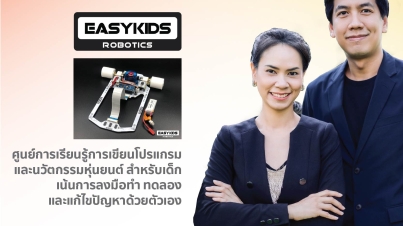
ในโลกยุคสมัยใหม่ นอกเหนือจากการเรียนวิชาพื้นฐานแล้ว ความรู้ในด้านการเขียนโปรแกรมหรือการคิดอย่างเป็นตรรกะก็มีความสำคัญไม่ยิ่งหย่อนไปกว่ากัน ซึ่งสิ่งเหล่านี้ได้รับการพิสูจน์แล้วว่าสามารถนำพาประเทศหนึ่งให้ขึ้นมาทัดเทียมกับระดับสากลได้ และยังสามารถปลูกฝังได้ตั้งแต่ระดับประถมวัย ทั้งหมดนี้เป็นหัวใจหลักที่ทำให้คุณขจรศักดิ์ จันทร์แจ่ม และคุณศศิวิมล ใจศิลป์ ได้ก่อตั้งสถาบัน ‘Easykids Robotics’ ที่ผสมผสานหลักสูตรการเขียนโปรแกรมและการสร้าง ‘หุ่นยนต์’ เข้าไว้ด้วยกัน ที่จะช่วยให้น้องๆ ในแต่ละวัยได้สัมผัสกับประสบการณ์การเขียนโปรแกรมจริง ที่สามารถนำไปต่อยอดเป็นผลงานในภายภาคหน้าได้ เพราะหัวใจของการเขียนโปรแกรมคือความเรียบง่าย

เมื่อพูดถึงการเขียนโปรแกรม ภาพที่มักจะนึกไว้ในหัวก็จะเป็นบรรทัดของภาษาโปรแกรมที่ซับซ้อน ยุ่งยาก มีหลักการที่เป็นเฉพาะตัว ไม่ใช่ทุกคนที่จะทำความเข้าใจได้โดยง่าย แต่สำหรับสถาบัน Easykids Robotics นั้น ทุกสิ่งดำเนินไปในฐานของความ ‘เรียบง่าย’ เป็นหลัก ‘ภาษาที่เราใช้สอนในหลักสูตรจะมีอยู่สามตัวหลักด้วยกันคือ Box-Based สำหรับประถมวัย, Python และ C# โดยทั้งหมดจะอิงกับการเขียนโปรแกรมให้หุ่นยนต์ทำงานเป็นหลัก’ คุณศศิวิมล ใจศิลป์ หนึ่งในผู้ร่วมก่อตั้ง Easykids Robotics กล่าวอธิบาย

‘เราเริ่มต้นจากการสอนเด็ก พอเด็กเพิ่มมากขึ้น ก็ขยายกิจการออกมา จากการสอนหลักสูตรเด็กมาเป็นการขายอุปกรณ์ ซึ่งก็คือชุดหุ่นยนต์ การเขียนโปรแกรมเฉยๆ นั้นไม่สนุกสำหรับเด็กเล็ก แต่เราพยายามที่จะทำให้สิ่งเหล่านี้เป็นเรื่องที่ง่ายและสนุกสำหรับเด็ก จึงดีไซน์อุปกรณ์ออกมามากมาย ซึ่งถือเป็นจุดเด่นด้วยความหลากหลาย สามารถเรียนรู้ได้อย่างต่อเนื่อง’ แน่นอนว่าเมื่อเบนธุรกิจมาเป็นการขายชุดหุ่นยนต์เพื่อประกอบการเรียนรู้ การพัฒนาชุดหุ่นยนต์เพื่อให้เกิดความคุ้มค่าก็ตามมา จนกลายเป็นชุด 3 In 1 Easykids Robot Kit ที่สามารถรองรับได้ทั้งสามภาษา

‘Business Model หลักในตอนนี้ของเรา หนึ่งคือการขายคอร์สหลักสูตร สะสมประสบการณ์ ซึ่งส่วนมากก็จะอยู่เรียนกันไม่ต่ำกว่าสามปี จากนักเรียนกว่าสี่ร้อยคน ส่วนที่สองคือการขายอุปกรณ์หุ่นยนต์ในรูปแบบต่างๆ เช่น ถ้าเป็นประถมต้นก็จะง่ายไม่ซับซ้อน และเพิ่มความละเอียดขึ้นไปตามอายุและหลักสูตร ซึ่งในปีนี้เราได้เข้าร่วมกับโครงการนิลมังกรที่ใช้อุปกรณ์ 3 in 1 Easykid Robot Kit อุปกรณ์การเรียนรู้สำหรับเด็ก ซึ่งความเป็นนวัตกรรมของสิ่งนี้อยู่ที่การรองรับภาษาโปรแกรมได้หลากหลาย สามารถใช้เรียนได้อย่างต่อเนื่อง มีฟังก์ชันหลากหลาย และคุ้มค่ากับการลงทุนสำหรับผู้ปกครอง’

นอกจากนี้ ทาง Easykids Robotics ยังรับจัดเวิร์กช็อปสำหรับหน่วยงานและองค์กรต่างๆ ที่สนใจในการเขียนโปรแกรมเพื่อนำไปใช้งาน ไปจนถึงภาคการศึกษา ที่จะมีการจัดนิทรรศการสำหรับสถาบันนั้นๆ ซึ่งทำให้อดถามไปไม่ได้ว่าทาง Easykids Robotics มีความพยายามที่จะร่วมกับกระทรวงศึกษาในการนำหลักสูตรเข้าไว้ในภาคบังคับหรือไม่

‘ตอนนี้เราอยู่ในช่วงของการเตรียมตัวครับ’ คุณขจรศักดิ์ จันทร์แจ่ม หนึ่งผู้ร่วมก่อตั้ง Easykids Robotics กล่าว ‘เพราะหุ่นยนต์ของเรากำลังรอในส่วนของผลิตภัณฑ์มาตรฐานสากล รวมถึงหลักสูตรที่เราอยากจะให้มีการรับรองจากกระทรวง ศึกษาในตอนนี้อยู่ในระหว่างการดำเนินงานและรอเวลาที่จะเกิดขึ้น’

การขยายตัวและการฝ่าฟันจากสภาวะการแพร่ระบาด COVID-19 ในด้านการเติบโต Easykids Robotics เป็นอีกหนึ่งธุรกิจที่มีแนวโน้มที่ดี มีอัตราการขยายตัวที่สูงมากในรอบระยะเวลา 7-8 ปีของการก่อตั้ง และกำลังมองในภาพกว้างของการขยายตัวในรูปแบบแฟรนไชส์ที่จะกระจายออกไปทั่วประเทศ

‘ขยายตัวขึ้นมาเกือบ 20 เท่าแล้ว ซึ่งเป้าหมายในการขยายตัวของเราในตอนนี้ คือการขยายในส่วนของ Robot Kit ก่อน และมีแพลนที่จะเปิดแฟรนไชส์ในปีหน้า ซึ่งถือเป็นเป้าหมายหลัก เพราะเป็นจุดที่สามารถเติบโตได้ดีและมีส่วนเสริมให้กับการเติบโตในส่วนอื่นๆ ด้วย’ คุณศศิวิมลกล่าว

แต่เมื่อถามถึงแนวทางที่ Easykids Robotics ได้ฝ่าฟันในช่วงกระแสการแพร่ระบาด COVID-19 นั้น ก็พบกับคำตอบที่น่าสนใจ เพราะเป็นการประกอบของทั้งโอกาสที่เหมาะสมและการปรับเปลี่ยนเพื่อกระโดดไปสู่รูปแบบธุรกิจที่ตั้งใจไว้

‘อาจจะเป็นความโชคดีที่ผู้ปกครองเห็นว่าพัฒนาการของเด็กนั้นไม่สามารถปล่อยให้หยุดนิ่งได้ เราจึงได้รับโอกาสสอนออนไลน์ เป็นการเปิดตลาดใหม่ และได้กลุ่มลูกค้าใหม่เพิ่มมากขึ้น ซึ่งก็จะเข้ากับ Business Model ที่กล่าวไปข้างต้น ตั้งแต่ส่งชุดหุ่นยนต์ไปที่บ้าน สอนออนไลน์ หรือสอนออนไซต์ถ้าเป็นที่เชียงใหม่ ต้องถือว่าวิกฤติเป็นโอกาส ทำให้เราสามารถเติบโตและเรียนรู้ในการทำธุรกิจแบบออนไลน์ไปในตัวด้วย รวมถึงเป็นจุดเริ่มต้นที่ทำให้เกิดโปรเจ็กต์ 3 in 1 Easykids Robot Kit ด้วย’ คุณศศิวิมลกล่าวให้ความเห็น

ก้าวต่อไปของ Easykids Robotics เพื่อโลกแห่งการเขียนโปรแกรม ในวันนี้ นอกเหนือจากการเติบโตที่มีการสอนออนไลน์ทั่วประเทศและสอนแบบ On-Site ที่จังหวัดเชียงใหม่ และการพัฒนาชุดหุ่นยนต์ 3 In 1 Easykids Robot Kit ซึ่งไปได้สวยแล้วนั้น เป้าหมายของการไปสู่แฟรนไชส์ยังเป็นเพียงก้าวเล็กๆ สำหรับภาพใหญ่ที่ผู้ก่อตั้งได้มองเอาไว้

‘เราอยากสเกลธุรกิจในส่วนฮาร์ดแวร์ให้สามารถทัดเทียมกับต่างประเทศได้เลย ถ้าพูดให้เห็นภาพง่ายๆ ก็เหมือนตัวต่อเลโก้ ซึ่งอุปกรณ์ของเรามีความเปิดกว้าง ให้น้องๆ ที่ได้เรียนกับเราสามารถนำชุดอุปกรณ์ไปสานต่อเป็นโปรเจ็กต์งานได้ทันที’ คุณศศิวิมลกล่าวถึงแนวทางในอนาคตข้างหน้า

และเมื่อถามว่าในภายภาคหน้า เยาวชนไทยจะมีความเป็น Programming-Oriented มากน้อยกว่าเดิมเพียงใด และสิ่งที่ทาง Easykids Robotics ต้องการไปให้ถึงในแง่หลักสูตรคือสิ่งใด คุณขจรศักดิ์ก็ให้คำตอบที่น่าสนใจอย่างยิ่ง

‘จริงๆ ความตั้งใจของทาง Easykids Robotics นั้น ต้องการให้ความรู้ที่เรามีออกไปสู่ทั่วประเทศในรูปแบบการสเกลธุรกิจแบบแฟรนไชส์ ส่วนเรื่องเทคโนโลยีหุ่นยนต์ หรือ AI ก็เป็นสิ่งซึ่งจะล้ำหน้าเข้ามาเรื่อยๆ ผมมองว่าในอีกห้าปีอยากจะทำเวทีการแข่งขันให้กับเด็กๆ ได้นำความรู้มาแข่งขันและกระตุ้นให้เกิดการเรียนรู้มากขึ้น’

รายละเอียดเพิ่มเติม : https://www.facebook.com/Easykidsrobotics/
บทความนี้เป็นส่วนหนึ่งในโครงการ Startup Thailand Marketplace ของ สํานักงานนวัตกรรมแห่งชาติ
(องค์การมหาชน)

Caption Facebook
เสริมสร้างพื้นฐานด้านการเขียนโปรแกรมไปกับหลักสูตรและชุดประกอบหุ่นยนต์แสนสนุก ที่จะเพิ่มพูนทักษะ
และแนวคิดเชิงตรรกะให้ลํ้าหน้า ไปกับสตาร์ทอัพสายเทค Easykids Robotics

messageImage_1756892595601

Startup Thailand League 2025: From Idea to Reality, Cultivating University Seeds into Professional Startups

Startup Thailand League 2025 

From Idea to Reality, Cultivating University Seeds

into Professional Startups  

Driven by the government’s policy to restructure the national economy and develop startups as “new economic warriors,” the Startup Thailand League project was launched in 2016. The Ministry of Higher Education, Science, Research and Innovation (MHESI), through the National Innovation Agency (NIA), was designated as the primary body responsible for fostering startups. The program aims to strengthen collaboration among the public, private, and academic sectors, raise awareness of the entrepreneurial spirit, and facilitate a process of incubation, business development, and acceleration into the global market.

The Startup Thailand League serves as a platform for students with innovative ideas and creativity to develop new businesses that address societal needs. It encourages startups to build systematic, innovative-driven businesses that leverage technology for rapid growth. The initiative prepares a new generation of startups for the business world, enabling them to become key players who can support and elevate various industries, drive the growth of core national industries, or become high-quality employees in the private sector.
Participating in the Startup Thailand League provides young entrepreneurs with valuable knowledge from expert judges. They gain insights into business plan writing, business scaling, and organizational management. They also get the chance to meet real target customers and are given opportunities to enter incubation programs from both public and private sectors. Furthermore, they can receive support such as funding from public and private funds and, most importantly, have the chance to introduce their startup to investors and the public.
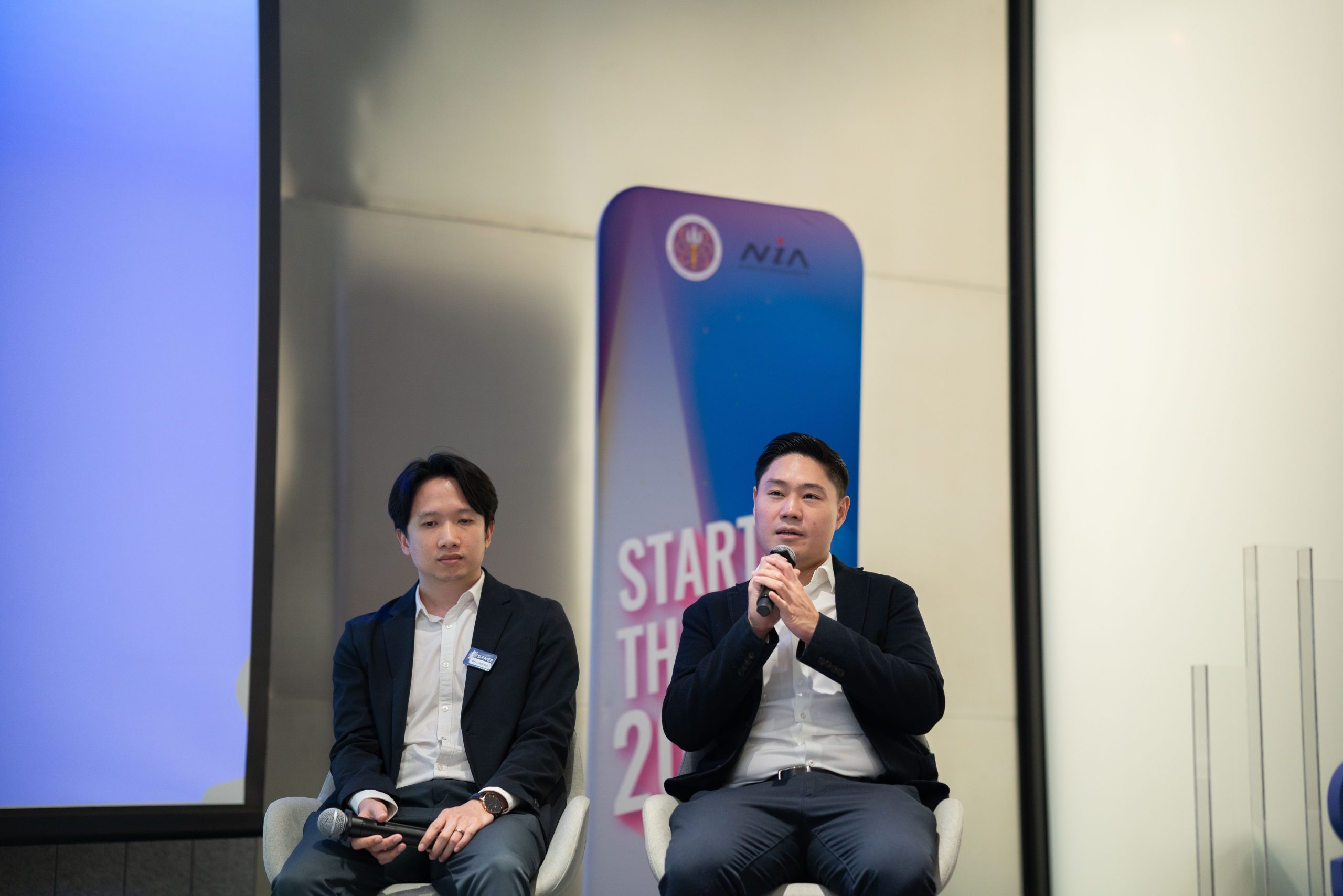
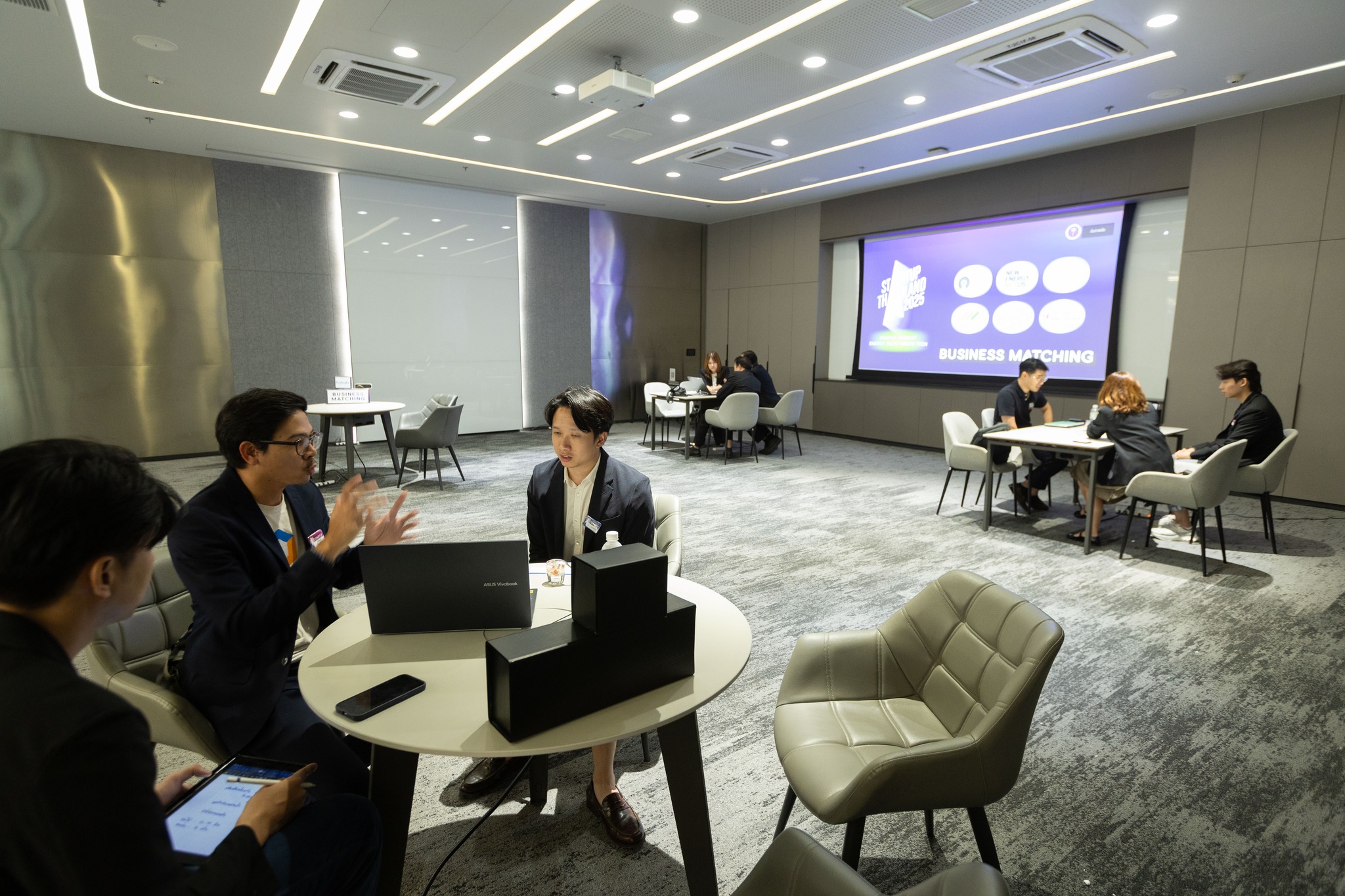
Over the past nine years, the Startup Thailand League project has engaged over 73,000 students from 50 public and private educational institutions nationwide. More than 90 of these projects have successfully been established as companies, generating a total annual income of over 100 million baht. This has also contributed to the geographical distribution of startups across the country, spreading income and creating more employment opportunities and community stability.

The program develops students’ entrepreneurial skills through two main stages:   

1) Business Model Coaching Camp: A training camp led by successful startup entrepreneurs who share their knowledge and establish a standard for starting a business. This stage helps students refine their ideas, concepts, and business plans before entering the main competition.   

2) Regional Pitching Competition: A nationwide competition held across four regions: North, Northeast, South, and Central & East. The top teams from the regional rounds advance to the national final. Here, they must pitch their products or services to a panel of esteemed judges, including investors, successful senior startups, and supporting public and private agencies. 

     Startup Thailand League 2025 Finalists and Winners 
This year, 14 teams were selected from 250 teams from four regions to compete in the national finals of Startup Thailand League 2025. Here is a summary of the standout projects by category: 


Medical and Health Business Group

        POTENT (University of Phayao): A sparkling effervescent tablet to help with methamphetamine addiction. This product uses three Thai herbs—Thao Wan Priang, kratom leaf, and cannabis leaf—that can balance dopamine in the brain. The formula is developed using freeze-drying technology to extract key compounds. Just 30 days of continuous use can help patients quit the substance without side effects. This team won First Runner-Up.

  •         CareWalk (Kasem Bundit University): An automatic walking aid for the elderly and post-surgery rehabilitation patients. It features a three-level safety system: a button-activated motor for the wheels, a sensor to detect distances within 50 cm, and an emergency button to immediately stop the device.  
  •         OrganoTopia (Mahidol University): A liver organoid (simulated liver tissue) used for drug toxicity testing. This technology efficiently reduces the risk of releasing harmful drugs to patients. It is available in both frozen tubes that can be cultured and ready-to-use plated versions, generating income from both organoid sales and liver toxicity testing services. 
  •         Thames and his sugar babies (Chulalongkorn University): An innovative device that makes IV drip or vitamin drips easy, affordable, and painless. This device allows for absorption through the lungs directly into the body, enabling anyone to have a vitamin drip without visiting a clinic. The initial model will target the anti-aging market before expanding to other groups.  
  •         MedTBac (Chiang Mai University): An immunochromatographic test kit for both tuberculosis and atypical tuberculosis. It can detect and differentiate between the two infections simultaneously, solving the problem of slow and inaccurate traditional diagnosis. This allows doctors to diagnose and begin treatment more quickly and accurately. 
  •  

Human and Animal Food Business Group

  •         Vet egg stearine innovation (Rajamangala University of Technology Srivijaya): An egg yolk color supplement for animal feed, developed from “stearine,” a waste product from red palm oil extraction. Processed into a powder for mixing with chicken feed, it not only brightens the egg yolks but also adds nutritional value with omega-3, vitamin E, and DHA, while simultaneously generating income for the agricultural sector.  
  •         Dog Cookies (Nakhon Ratchasima Rajabhat University): Barkies Cookies Licorice is a special dog treat that helps reduce fecal odor. It contains Thai licorice, which research shows can effectively absorb hydrogen sulfide gas, the source of the odor. The product is also organic, safe for the dog’s liver and kidneys, and can be consumed daily for continuous odor reduction.
  •         Powerpuff VET (Rajamangala University of Technology Srivijaya): A product to prevent and treat the hooves of fighting bulls, made from palm kernel shells. It reduces inflammation and prevents infections, serving as a safe alternative to using formalin, which can irritate the bull’s skin. The product also contains keratin extract for nourishment, providing both preventative and curative care. Future plans include expanding to other animal markets.  
     

Entertainment and Lifestyle Business Group 

       SATI: An aromatic balm made from royally-granted vetiver grass that helps alleviate ADHD symptoms. Based on the principles of “Aromachology,” the scent’s essential oils stimulate the release of GABA, which reduces stress and balances brain function and emotions. It can also be used by working adults and students to improve focus and concentration. 

  •         KIIPU (Khon Kaen University): An online claw machine platform that is easy to play via mobile phone. It’s a community for claw machine enthusiasts, featuring live-streamed competitions with friends and sticker sharing. Its key features are convenience for players and the assurance of authentic, licensed products. The platform plans to expand to other types of arcade games to provide fun anytime, anywhere. 
  •         Waan Jai Thai Sato (Ubon Ratchathani University): A ready-to-use brewing kit for Thai Sato, a traditional Northeastern Thai drink. It uses an innovative enzyme that digests raw starch without heat, reducing steps and saving energy. This kit preserves the drink’s traditional charm, making it accessible to a new generation and foreign tourists who want to experience Thai culture.  


Economic Business Group  

  •         SC2451 (Thaksin University): Cricktone, a peptone from crickets developed for use in culturing microorganisms for various industries like food, beverages, and medicine. Since Thailand currently imports all of its peptone, domestic production can significantly reduce costs for many industries. This project won Second Runner-Up. 
  •         RIFFAI-LRAS (King Mongkut’s University of Technology Thonburi): A satellite-based technology for monitoring global changes. It integrates satellite imagery with weather forecasts and uses AI to analyze the Earth’s surface in real-time. This helps various industries, especially the energy sector, manage risks by planning and adapting to climate and environmental changes promptly. 
  • KLORA (Mae Fah Luang University): An effervescent tablet for restoring flowers. This innovation extends the life and freshness of flowers for up to 14 days. It utilizes zinc oxide nanotechnology to reduce microbial growth, a technology to efficiently deliver nutrients, and a pH control technology to maintain the flowers’ natural color. With these unique features, KLORA elevates the Thai ornamental flower industry, making it more competitive and sustainable. This team impressed the judges and successfully won First Place this year! 
Startup Thailand League 2025 National Competition Results 

The winners of the Startup Thailand League 2025 are: 

  • First Place: Team KLORA from Mae Fah Luang University, receiving a trophy and a prize of 50,000 baht. 

  • First Runner-Up: Team POTENT from the University of Phayao, receiving a trophy and a prize of 30,000 baht. 

  • Second Runner-Up: Team SC2451 (Cricktone) from Thaksin University, receiving a trophy and a prize of 20,000 baht. 

Additionally, the “University of The Year” award for the university that most supported and propelled its student team to victory went to Mae Fah Luang University. 

The Startup Thailand League 2025 is more than just an idea competition; it’s a “real-world training ground.” It helps students from universities take their first steps into the business world, develop their products, and receive advice from experts in marketing, production, and business modeling. This platform will return next year on an even grander scale to provide new opportunities for the next generation of innovators to showcase their entrepreneurial potential in Startup Thailand League 2026. 

Add Your Heading Text Here