IPT2026-002 Global Startup Hub 2026 สำเนา

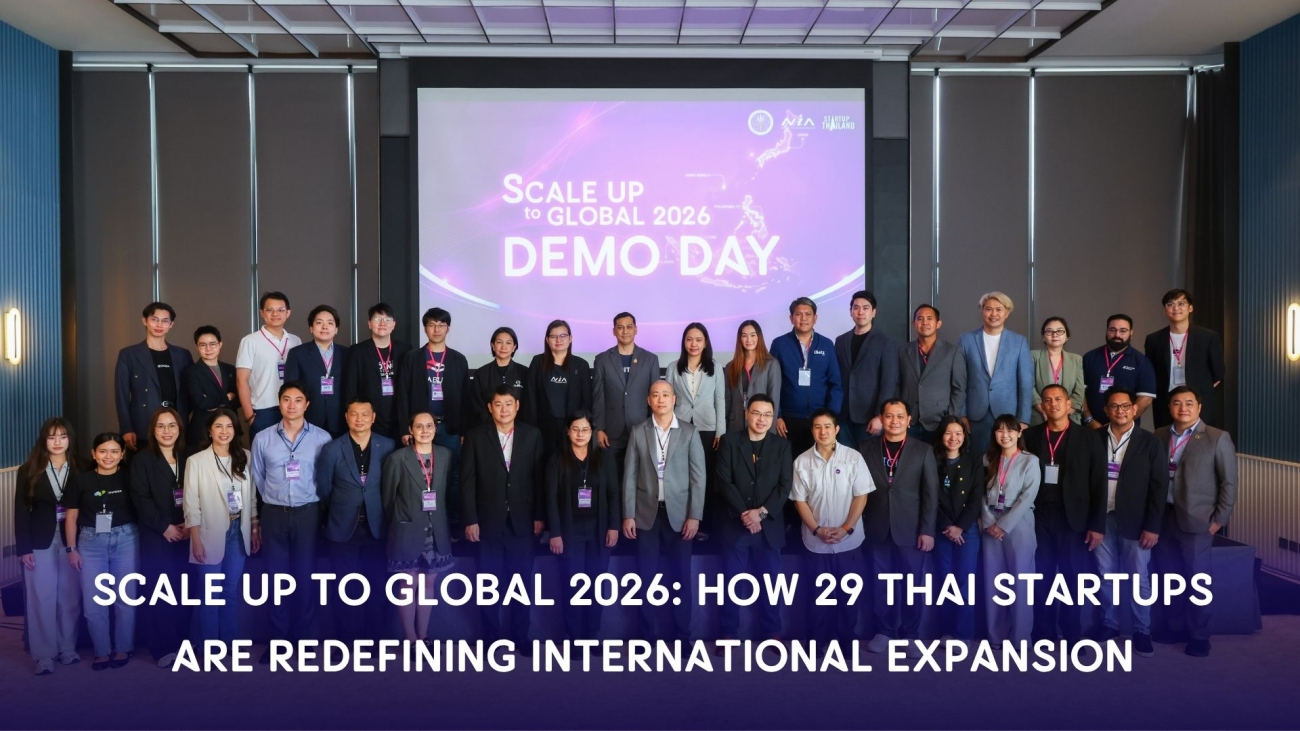
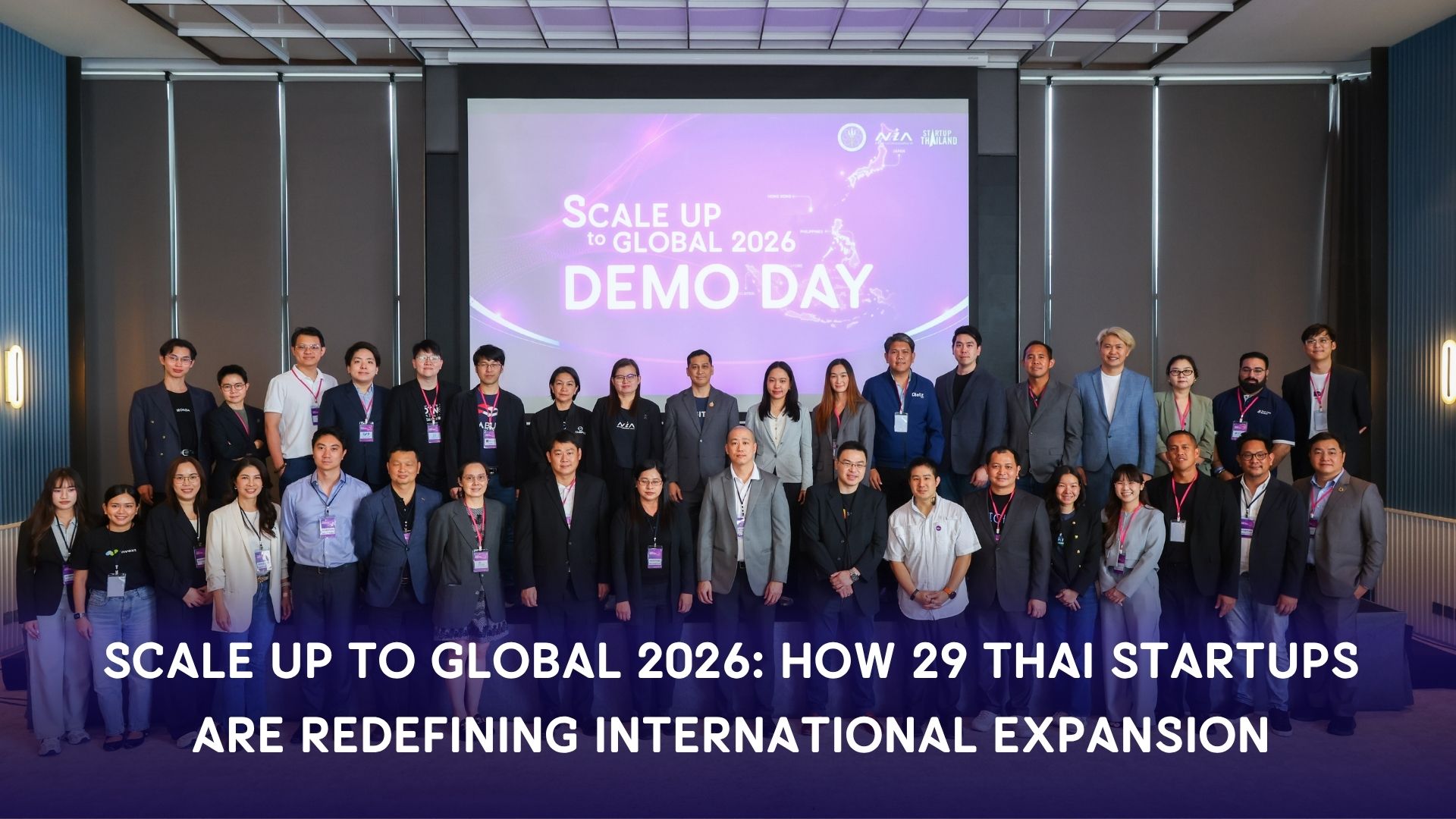
Scale Up to Global 2026: How 29 Thai Startups Are Redefining International Expansion

Scale Up to Global 2026: How 29 Thai Startups Are Redefining International Expansion

Building a high-potential startup in Thailand is a commendable milestone. Yet, the definitive challenge lies beyond domestic borders: How can these ventures scale, compete, generate sustainable revenue, and secure a lasting foothold in the global marketplace?

This question serves as the core mission for the National Innovation Agency (Public Organization), or NIA, in driving the Scale Up to Global 2026 program. NIA’s approach moves far beyond traditional roadshows and surface-level networking. Instead, it offers a structured framework designed to cultivate international readiness—ranging from market intelligence and partner matching to tech validation, joint pilot projects, cross-border investment, and commercial deployment.

Throughout the program, 29 high-growth Thai startups underwent intensive development to prepare their businesses for global expansion. Their innovations span AI, Enterprise Digital Solutions, HealthTech, Climate & Energy Solutions, DeepTech, and FoodTech. While their core technologies and business models differ, they share a singular vision: turning Thai-engineered solutions into answer keys for global industry challenges.
AI & Digital Infrastructure: From Tools to Enterprise Foundations

The digital and AI sector represents one of the most agile verticals for international scaling, primarily because software solutions can often be integrated into enterprise environments worldwide without building new infrastructure from scratch.

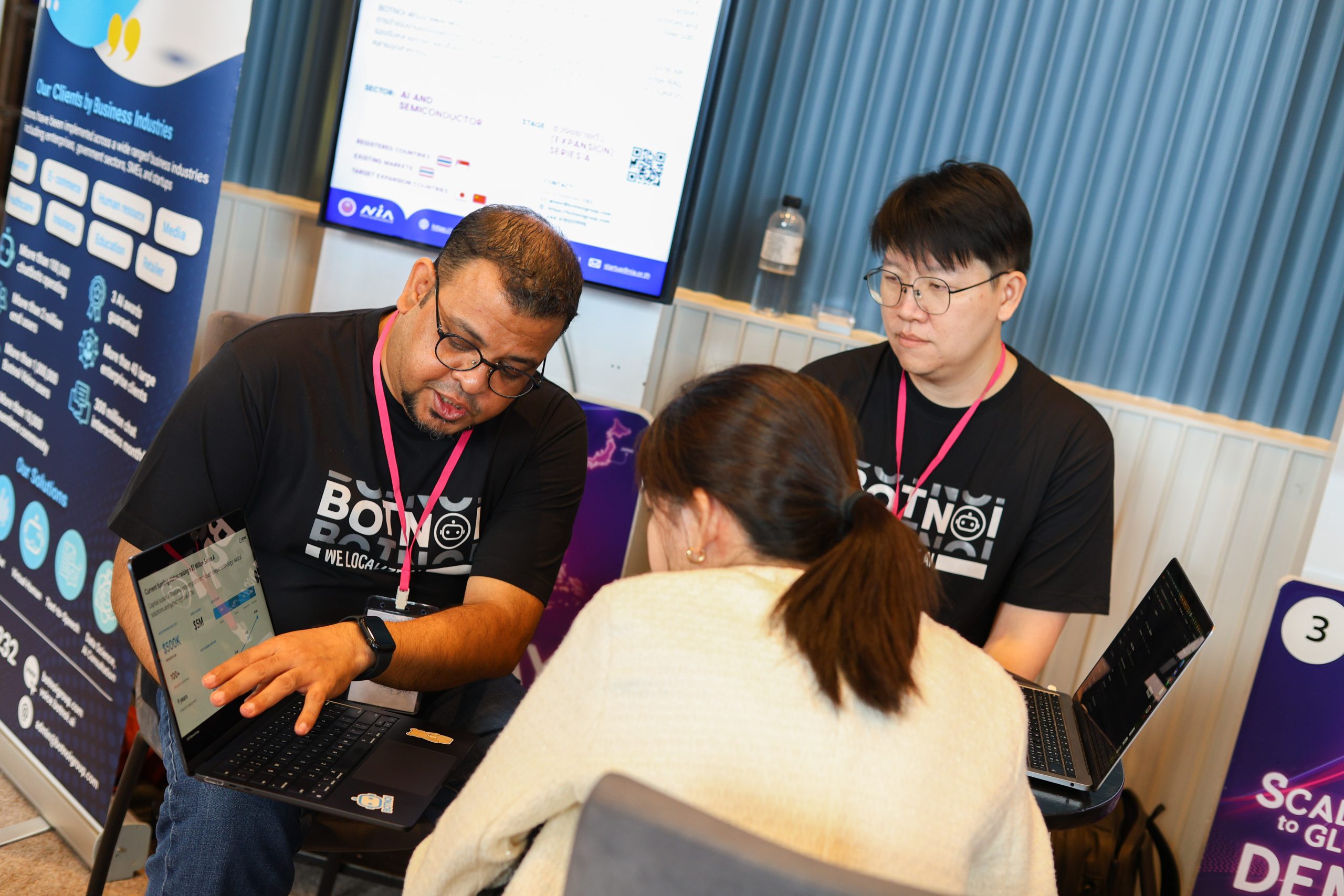
 -BOTNOI: Powers customer service, sales, and operational efficiency through its enterprise-grade AI agent platform, integrating Voicebots, Chatbots, Digital Humans, and RAG-based knowledge systems across multiple languages.

 -Guardian AI: Delivers autonomous AI CoWorkers capable of multi-step task execution across sales, accounting, marketing, and operations.

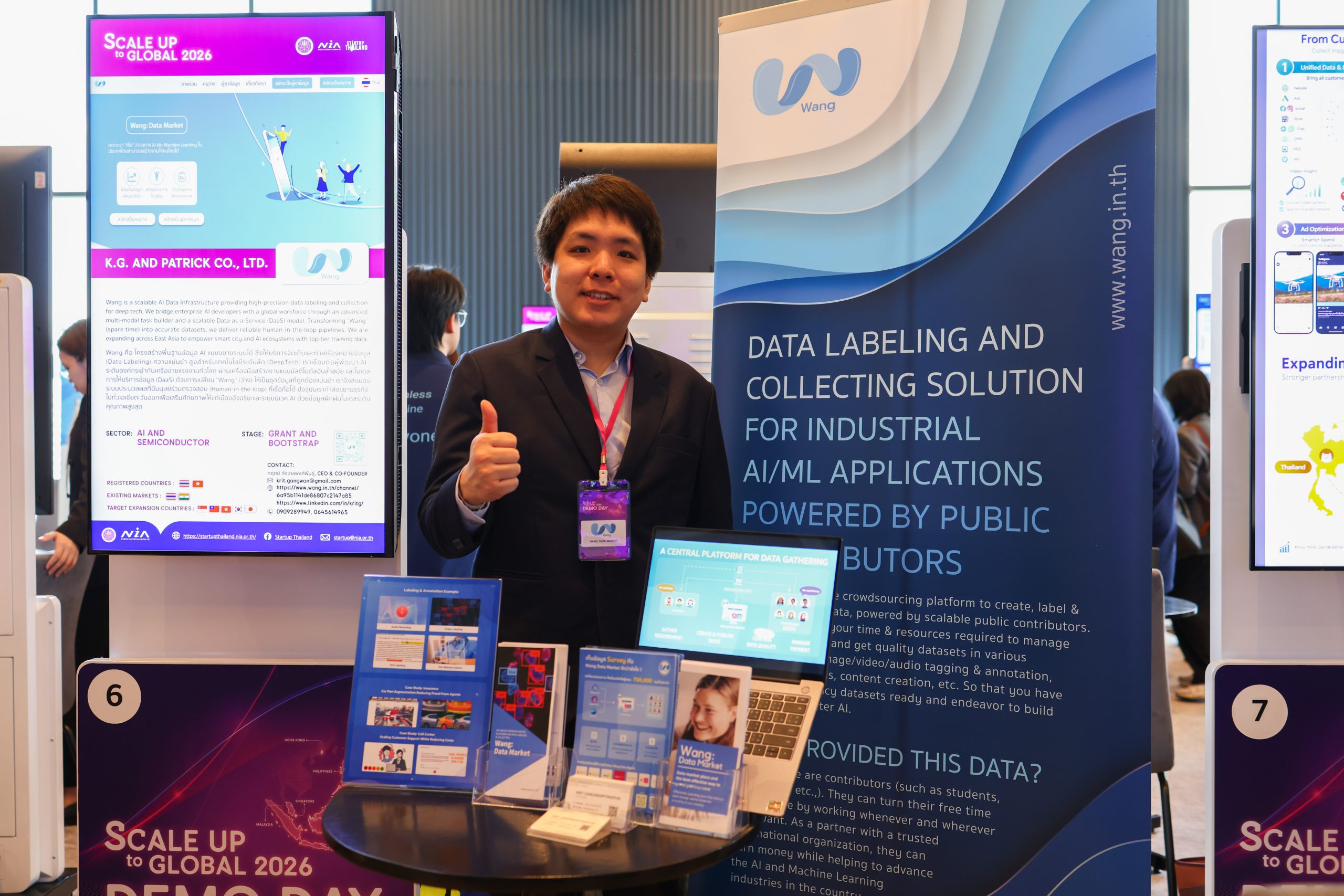
 -Wang Data Market: Operates a specialized data labeling platform for deeptech and provides Data-as-a-Service models to accelerate AI models and smart city infrastructure, targeting East Asian markets.

 -Wisesight: Converts social media intelligence into actionable business insight, enabling enterprises to refine market expansion strategies.

 -PRIMO: Offers an AI-powered Loyalty CRM and marketing technology suite that allows brands to unify customer data and orchestrate hyper-personalized experiences.

 -SABLE: Operates an Agentic AI Marketing Cloud and CDP that synthesizes omnichannel data for real-time behavioral analytics and automated engagement.

 -PAM Real CDP: Consolidates touchpoints into a unified customer profile to drive precision segmentation, automated customer journeys, and omnichannel engagement.

 -AIYA: Blends retail spatial location tracking with AI to connect foot-traffic data directly to promotions, point-of-sale systems, and CRM for measurable revenue generation.

 -VIA GROUP (ViaBus): Operates a real-time transit intelligence platform serving over 10 million users across four countries, backed by fleet management systems and enterprise mobility displays.

 -HORGA (Horganice): Simplifies commercial real estate and rental management through a automated property management platform handling lease monitoring, billing, and accounting.

 -PRAIN FINTECH (ChillPay): Provides Bank of Thailand-licensed digital payment gateway solutions built to support cross-border commerce across emerging digital economies.

Collectively, these innovators demonstrate how Thai software is transitioning from localized point-solutions into core operational infrastructure for global enterprises.
HealthTech: Transitioning from Local Care to Borderless Medicine

Healthcare systems globally face shared pressures: aging demographics, clinical labor shortages, rising chronic illnesses, and mounting fiscal strain. Thai HealthTech startups are meeting these challenges head-on:

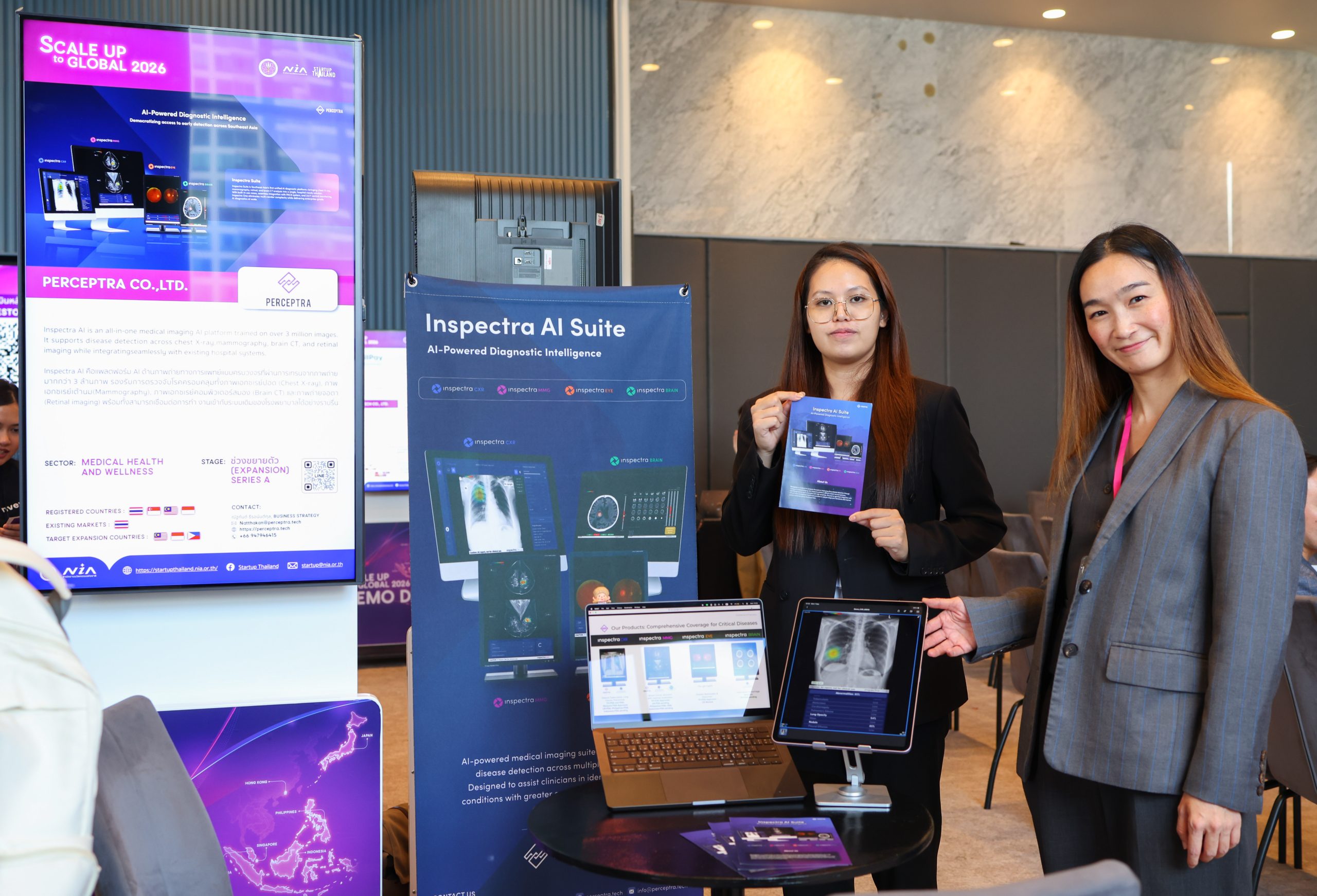
 -PERCEPTRA: FeaturesInspectra AI, a medical imaging platform trained on over 3 million scans (chest X-rays, mammograms, brain CTs, and fundus images) that seamlessly integrates into existing hospital PACS.

 -PRECISION DIETZ (Dietz.asia): Provides an AI-powered telemedicine and remote patient monitoring system designed to bridge hospitals, care teams, and patients across ASEAN markets.

 -TECH CARE SYSTEM: Designs and manufactures smart medical walking canes featuring vitals monitoring, fall detection, emergency SOS alerts, and integrated GPS/GSM connectivity.

 -SATI: Leverages medical AI to summarize clinical records, automate ICD coding, and audit billing accuracy, drastically reducing administrative burden for healthcare providers.

 -RAVIS TECHNOLOGY: Simplifies compliance for medical device, cosmetic, food, and pharmaceutical manufacturers via an integrated quality document management platform.

 -HEAL AND SOUL TECHNOLOGY: Combines real-time EEG brainwave analytics with VR immersive environments to deliver measurable mental health and neurological interventions across hospitals and wellness resorts.

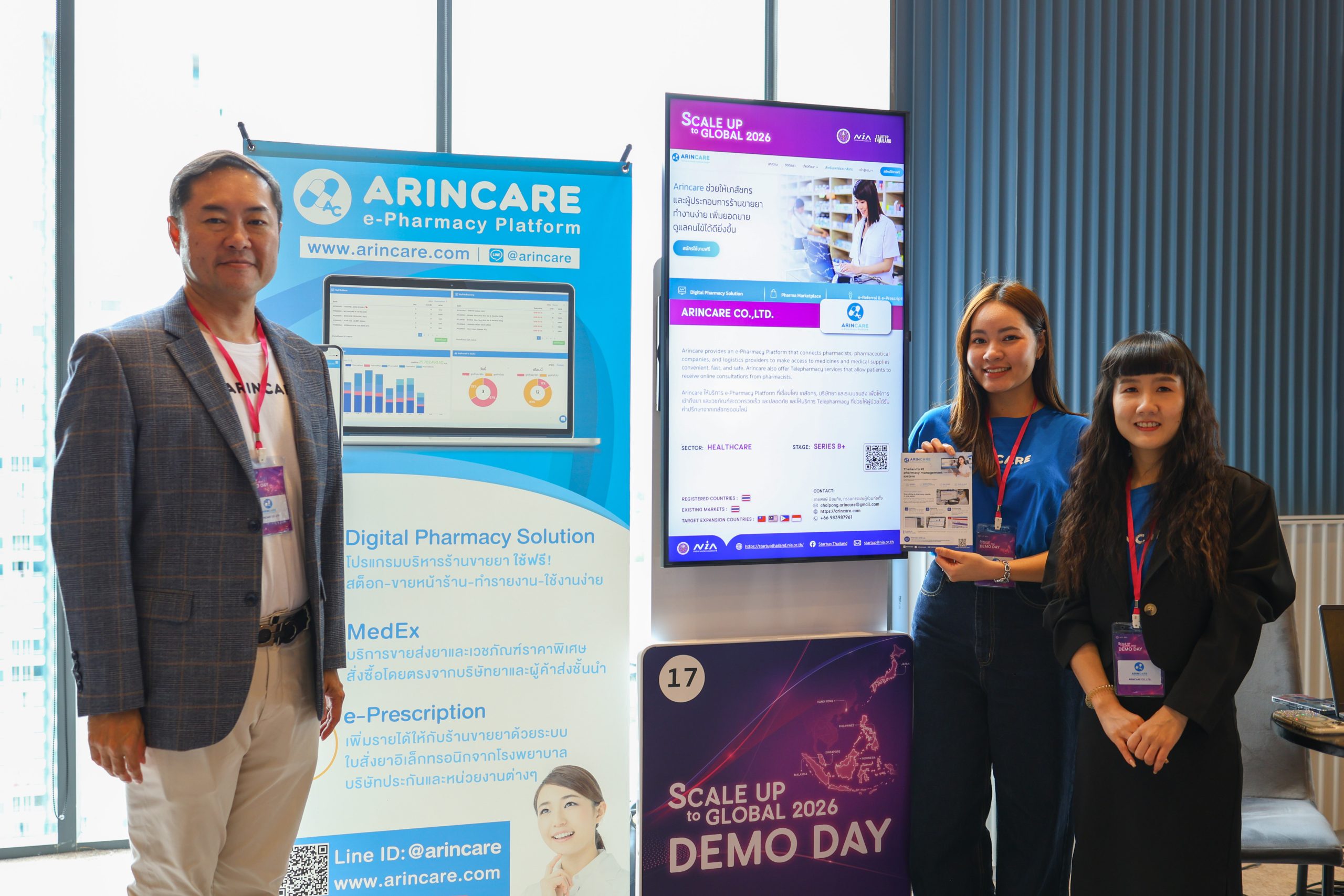
 -ARINCARE: Scales healthcare access through an end-to-end e-pharmacy platform connecting pharmacists, manufacturers, and logistics networks with integrated tele pharmacy services.
ClimateTech & EnergyTech: Solving Universal Sustainability Imperatives

As global commitments to net-zero intensify, technologies engineered to reduce energy costs, minimize industrial waste, and track carbon metrics are finding immediate global demand:

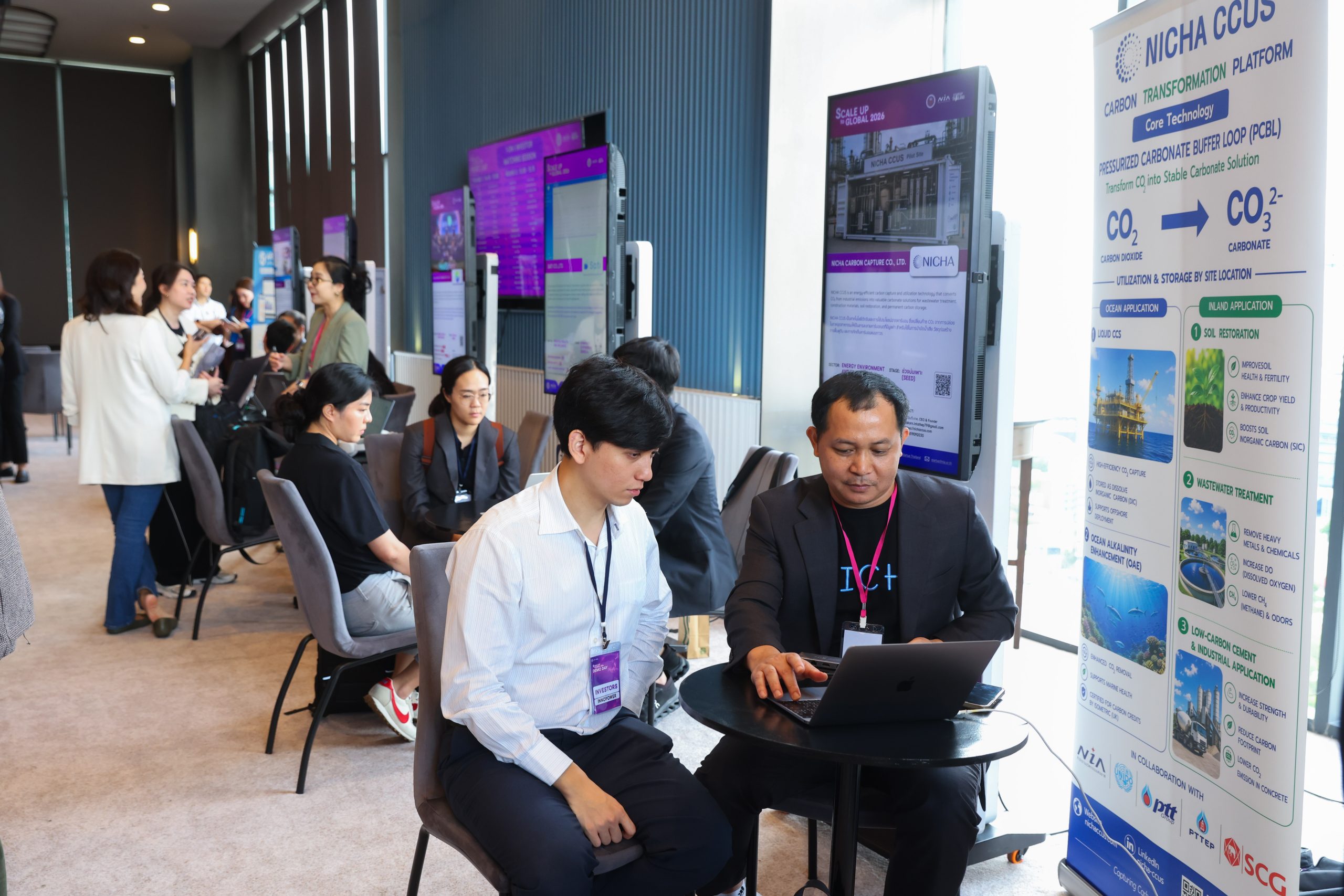
 -NICHA CARBON CAPTURE: Captures industrial emissions and transforms them into commercial carbonate solutions for wastewater treatment, building materials, and permanent carbon sequestration.

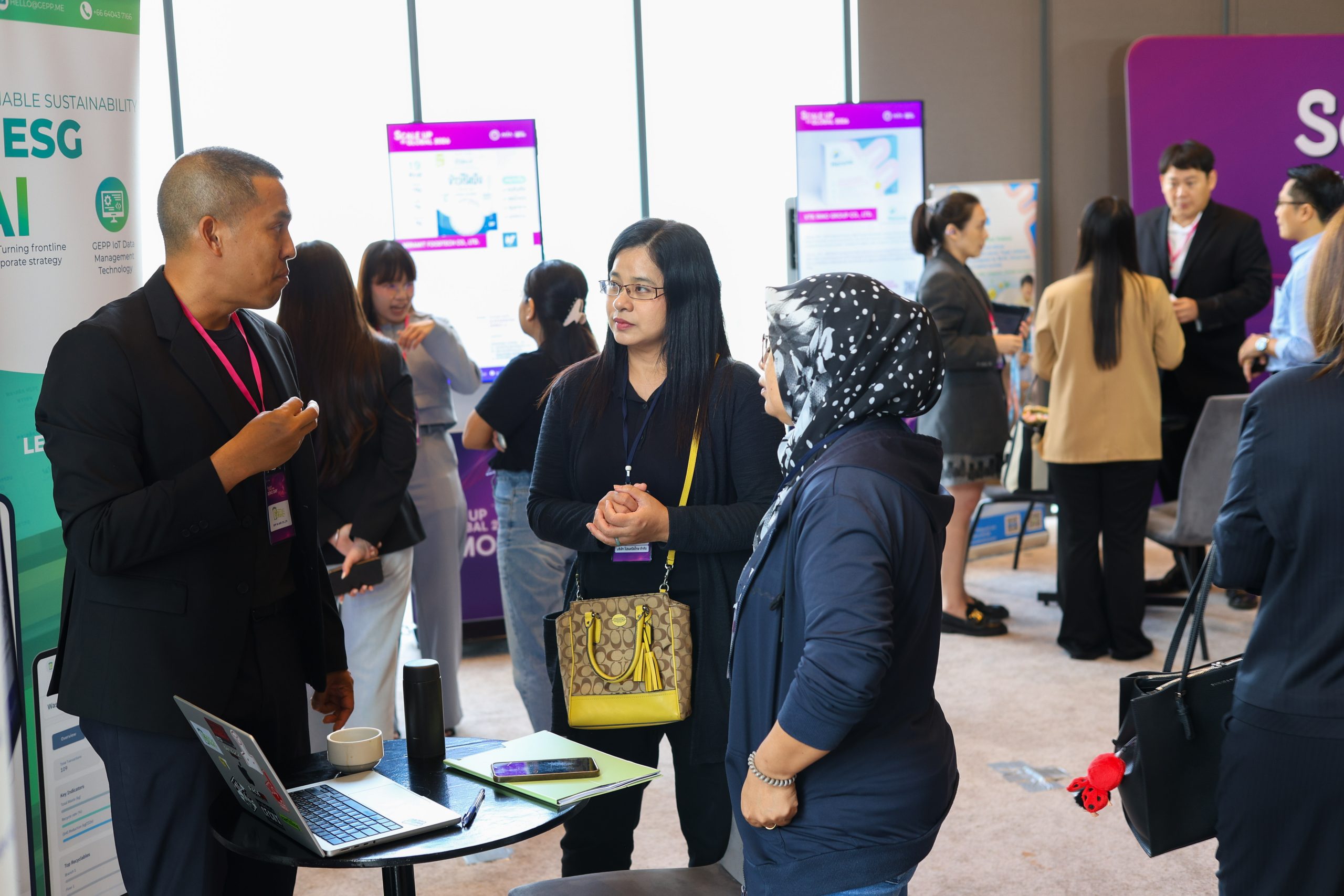
 -GEPP SA-ARD: Deploys smart weighing devices and IoT hardware to automate recycling data collection, linking with platform analytics to generate audit-ready ESG and EPR reports.

 -TIE SMART SOLUTIONS: DeploysT-CON, an AIoT platform engineered to optimize HVAC, chilled-water, and power systems across commercial properties and power plants.

 -ENERGY RESPONSE: Operates theBODA Platform, converting fragmented building management data into predictive maintenance workflows to maximize energy efficiency.

 -VEKIN: Utilizes AI and blockchain architecture to convert enterprise carbon footprint metrics into verified, actionable reduction strategies.

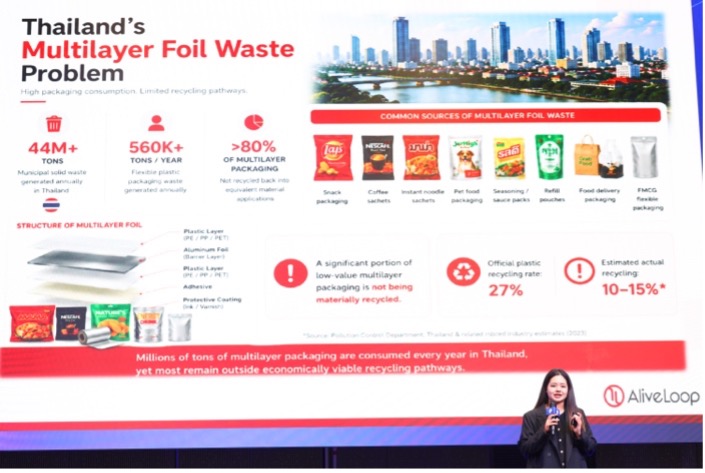
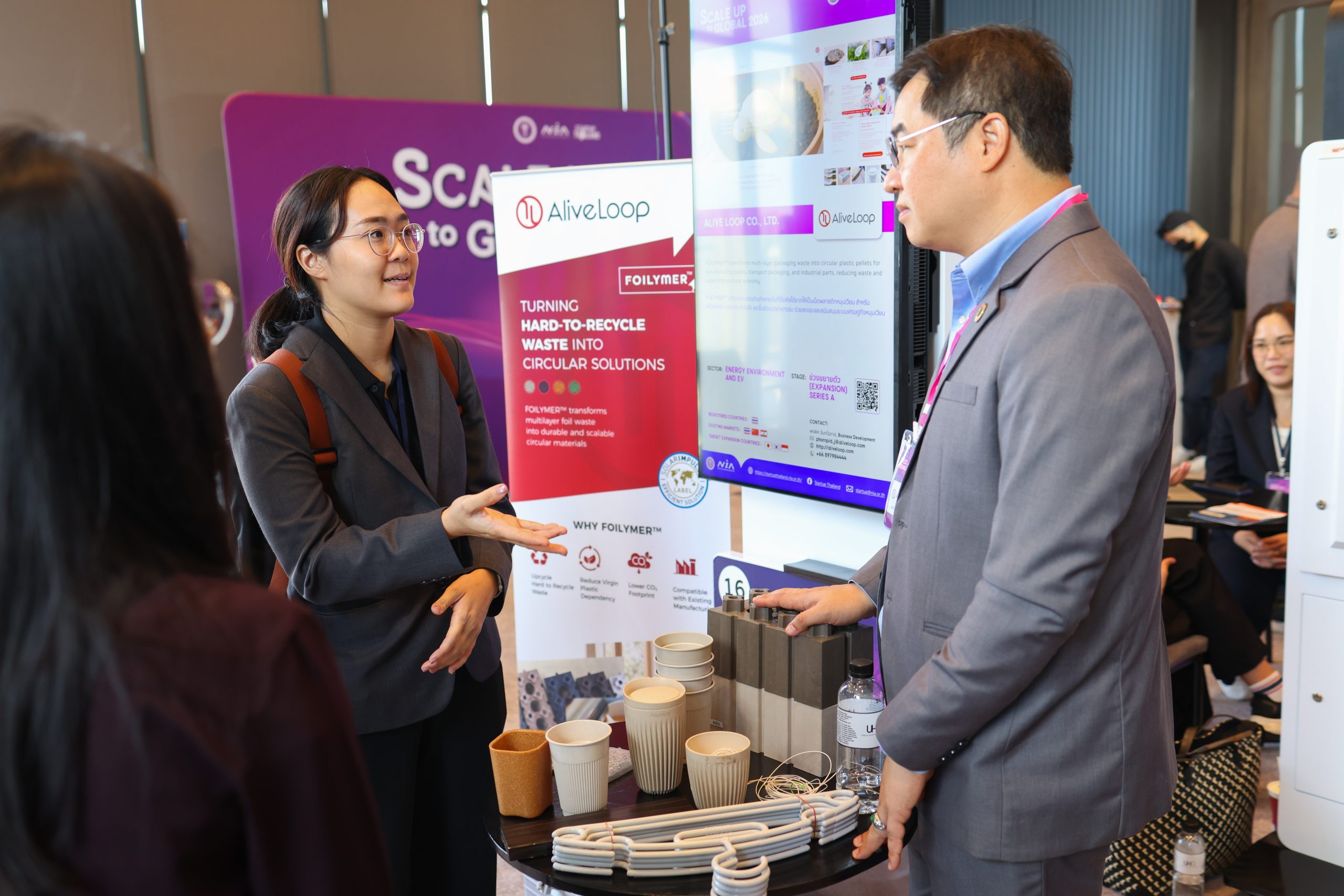
 -ALIVE LOOP: DevelopedFOILYMER™, a circular technology that converts hard-to-recycle multi-layer packaging waste into high-grade plastic pellets for industrial applications.

 -RIFFAI: Integrates satellite imaging with AI to monitor environmental changes and critical infrastructure in real time.
DeepTech & FoodTech: Specialized Tech and Functional Nutrition

 -MUI ROBOTICS: Fuses chemical sensors with AI hardware to digitize taste and smell, giving industrial machinery real-time sensory evaluation capabilities across food, environmental, and clinical sectors.

 -INNOPHYTOTECH (Sweet Revolution): Applies enzymatic technology to upcycle natural sugars into prebiotic fructooligosaccharides (FOS), reducing sugar content while preserving original taste and texture.

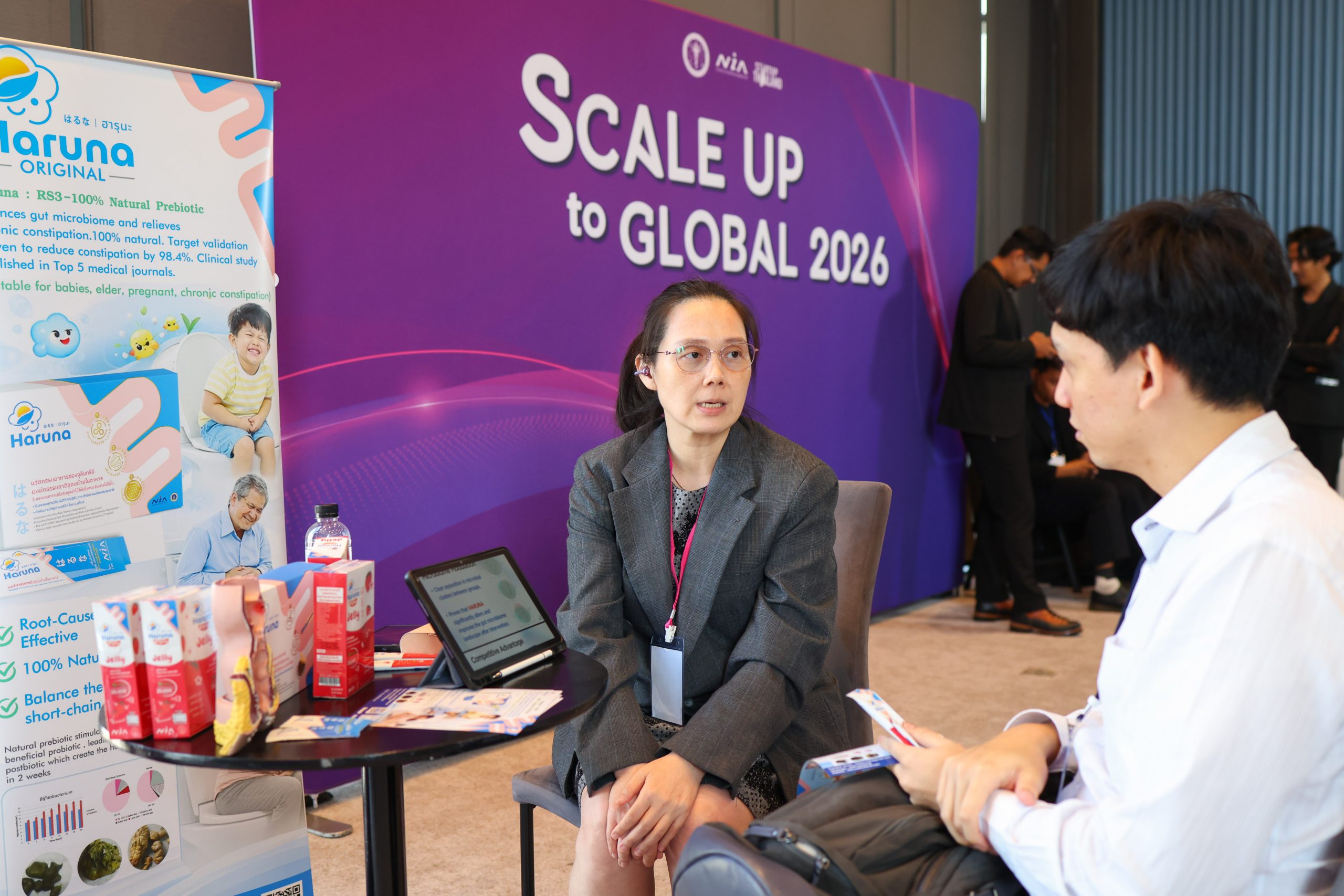
 -VTK INNO GROUP (Haruna): Manufactures clinical-grade natural RS3 resistant starch prebiotics engineered to improve gut microbiome health.

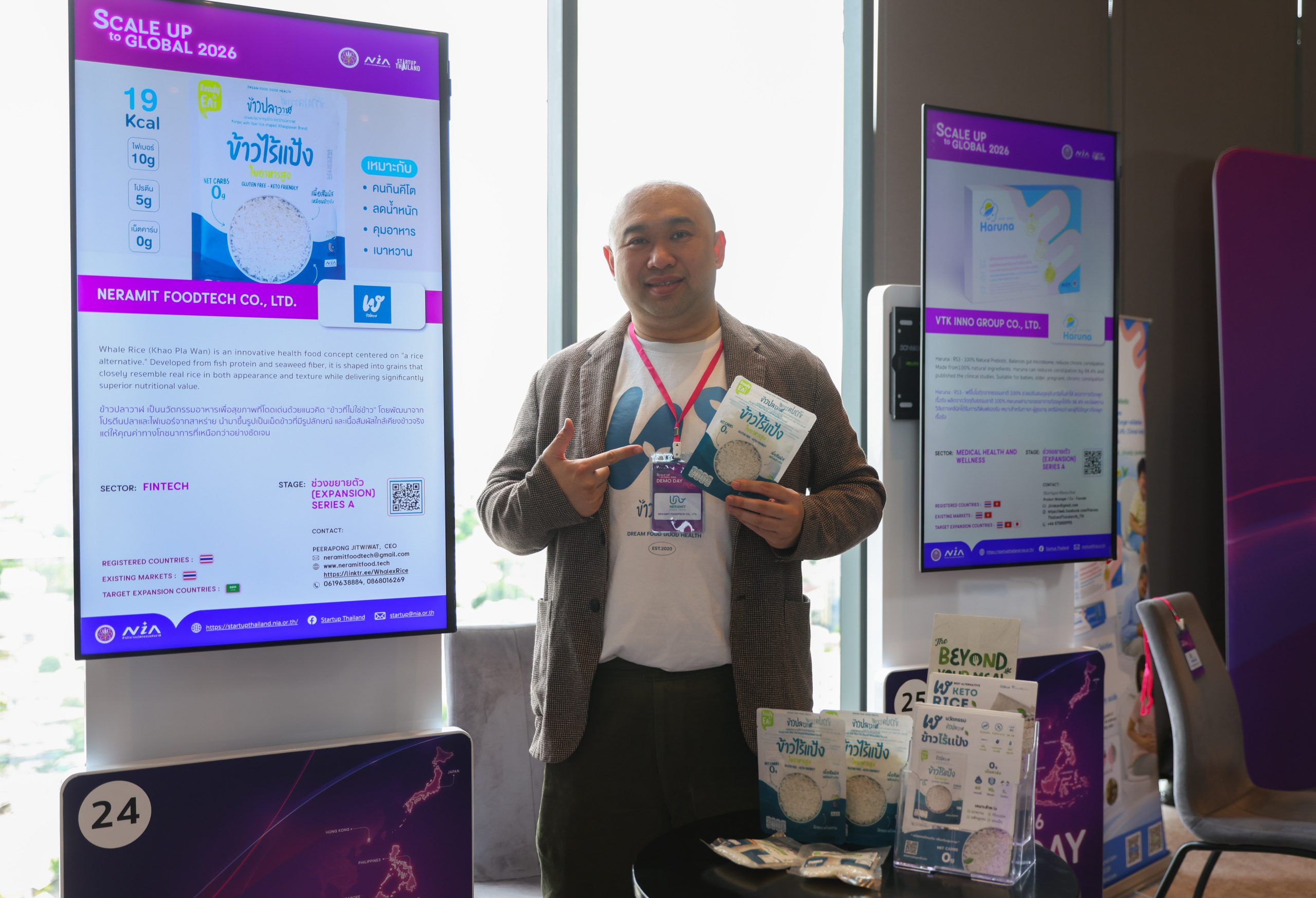
 -NERAMIT FOODTECH (Whale Rice): Formulates grain-free “rice” derived from fish protein and seaweed fiber, matching traditional textures while delivering high-protein nutrition.
Diverse Pathways to Global Scale

The 29 participating companies highlight that international expansion is not a one-size-fits-all journey:

 -Software & Platform Scale: Ventures likeBOTNOI, Guardian AI, PRIMO, SABLE, PAM, Wisesight, AIYA, Horganice, and ChillPay scale rapidly through cloud deployment, provided they adapt to local regulatory and user-behavior landscapes.

 -Ecosystem & Regulatory Integration: HealthTech and mobility providers (ViaBus, PERCEPTRA, Dietz.asia, SATI,and ARINCARE) rely heavily on local strategic partnerships with hospitals, transit authorities, and government bodies.

 -Industrial Infrastructure Validation: Sustainability innovators (NICHA, VEKIN, TIE SMART, ENERGY RESPONSE, GEPP,and ALIVE LOOP) must validate technical efficiency and ROI against local industrial standards.

 -Deep Science & Specialized Manufacturing:MUI Robotics, Sweet Revolution, Haruna, and Whale Rice require robust IP protection, clinical validation, and targeted industrial co-development agreements.
From Connections to Real-World Impact

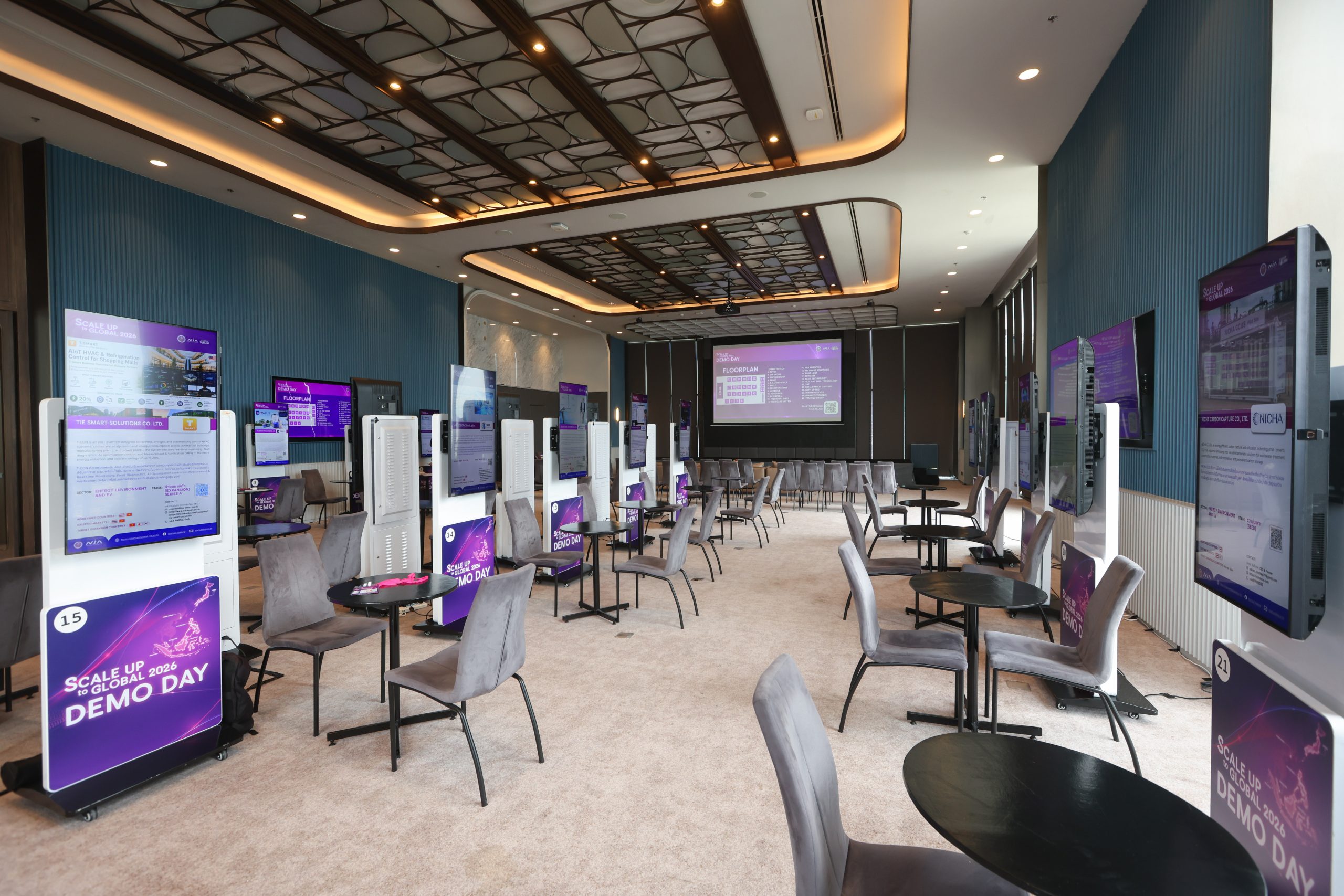
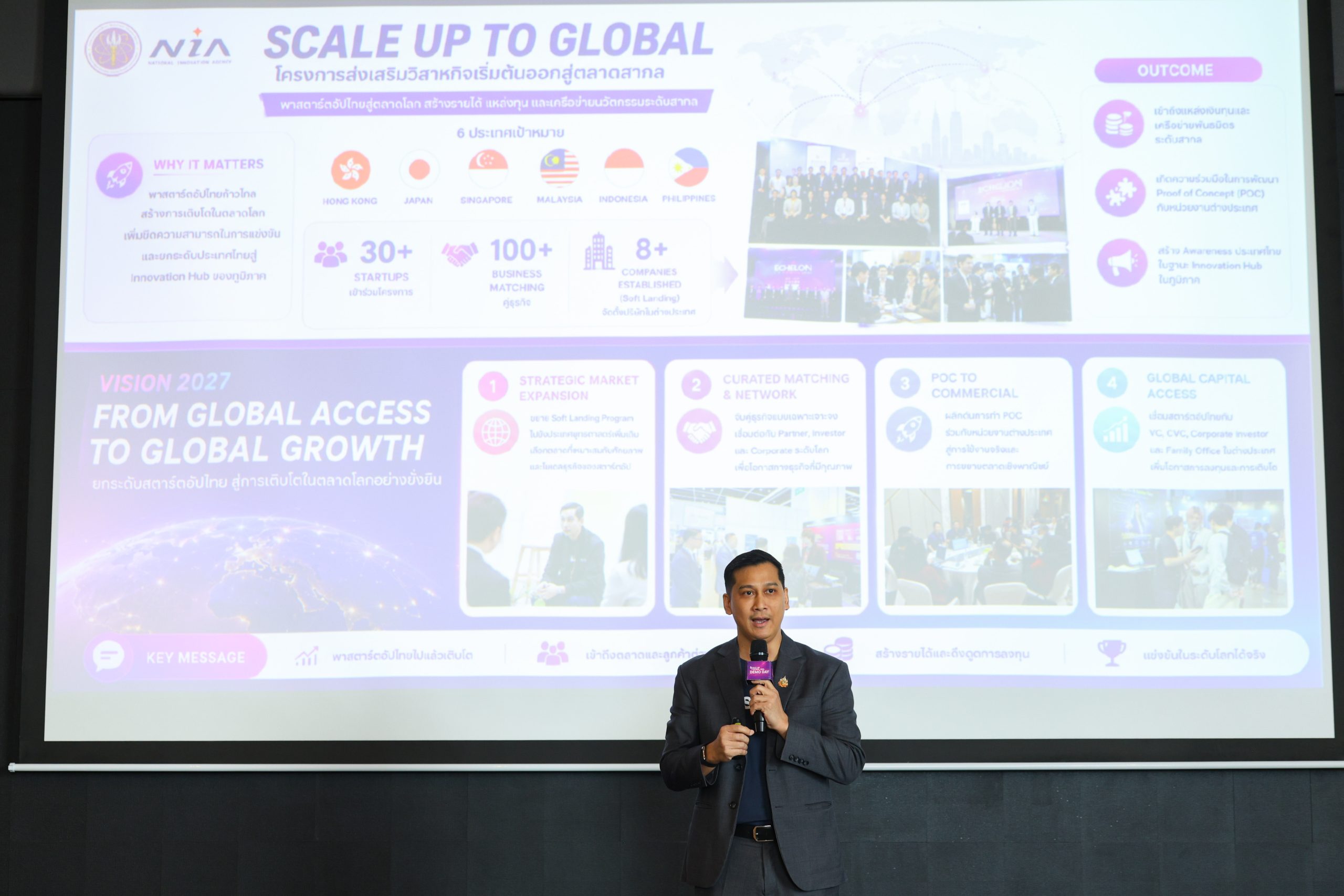
Through Scale Up to Global 2026, NIA established global landing pads across six key markets: Hong Kong, Japan, Singapore, Malaysia, Indonesia, and the Philippines. Key ecosystem partners include HKSTP, Cyberport, InvestHK, HKTDC, JETRO, Startup City Fukuoka, Leave a Nest, Ibaraki Prefecture, and e27, supported by Thai embassies and diplomatic trade missions.

The program’s ultimate success is measured by concrete economic outcomes rather than mere participation numbers:

  30+ Startupsgained direct cross-border market entry opportunities.

 100+ Commercial Business Matchings

 8+ Startupsinitiated formal corporate entity incorporation in international target markets.

Incorporating local entities overseas signals a definitive commitment—allocating capital, deploying localized teams, and establishing operational bases for long-term growth.

Ultimately, global expansion isn’t complete when founders fly back to Bangkok. True victory occurs when a startup operates autonomously in international markets—sustaining its own pipeline, generating foreign revenue, and funneling value back to enrich the broader Thai economy.
46_0

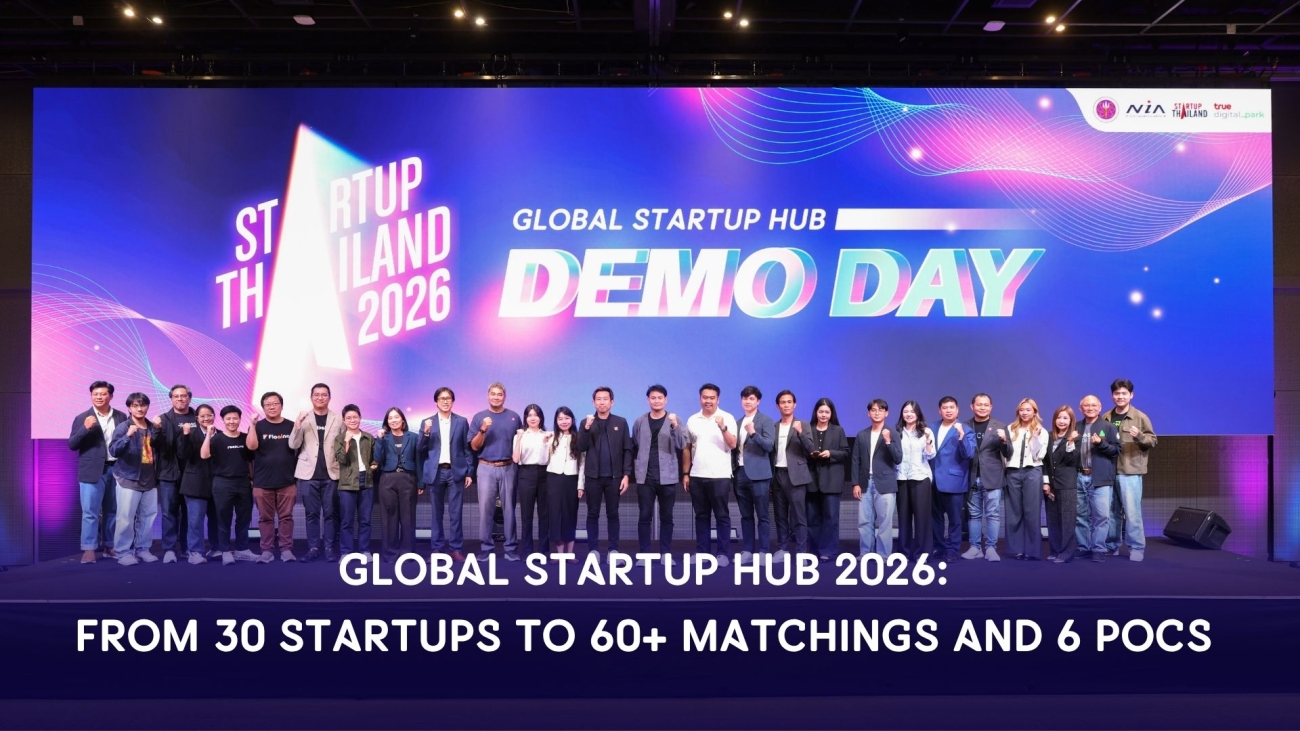
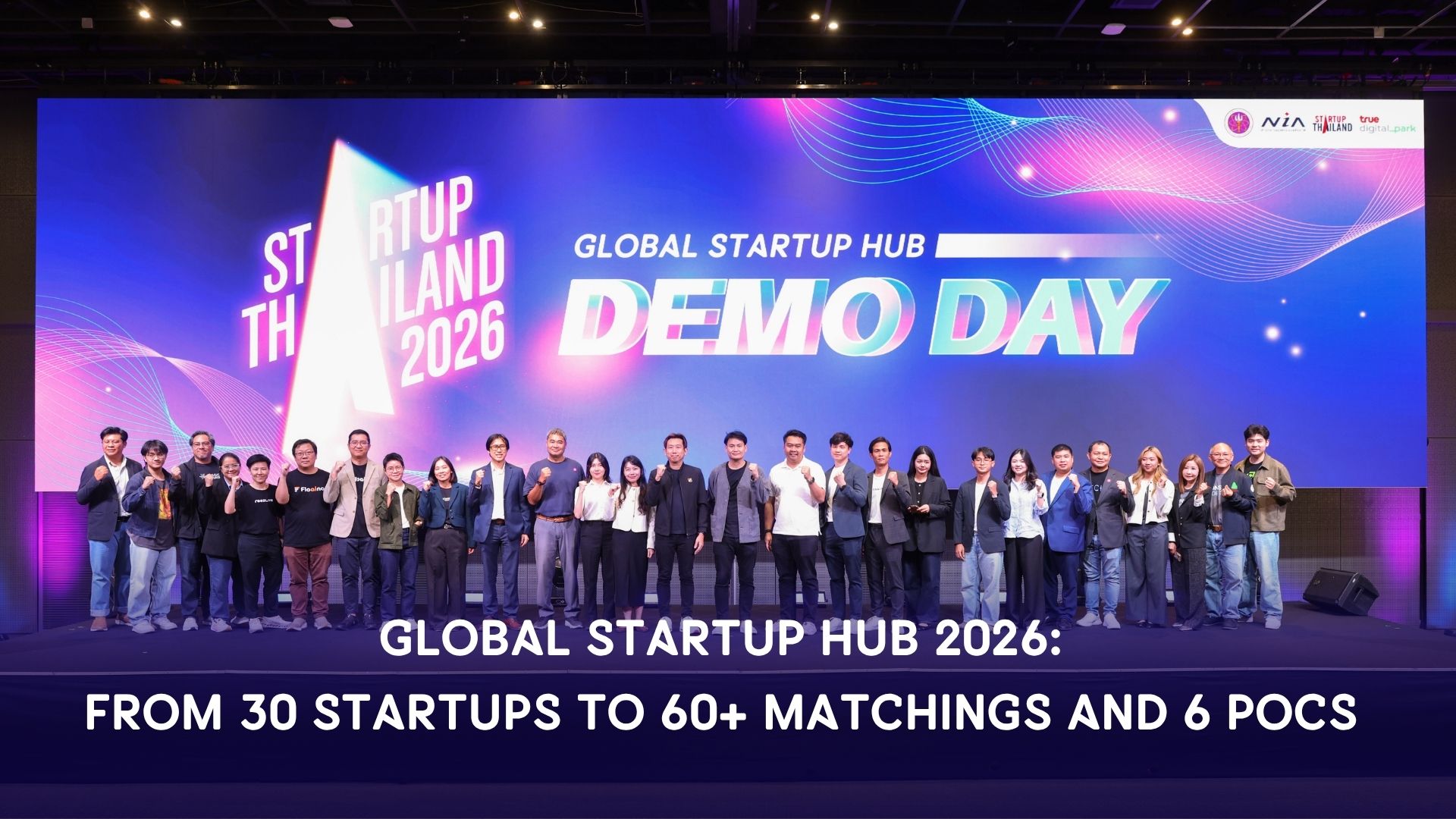
Global Startup Hub 2026: From 30 Startups to 60+ Matchings and 6 PoCs—Where Growth Meets Real-Market Validation

Global Startup Hub 2026: From 30 Startups to 60+ Matchings and 6 PoCs—Where Growth Meets Real-Market Validation

For any tech startup, groundbreaking innovation is only the beginning. True growth requires solving an even bigger puzzle: Who is the customer? What specific pain point are you resolving? And is the market truly ready to adopt your solution?

This market-first reality sits at the heart of Startup Thailand 2026: Global Startup Hub, an initiative driven by the National Innovation Agency (Public Organization), or NIA. By bringing 30 multi-industry startups into a rigorous development ecosystem, the program looks far beyond raw technology, zeroing in on strategic growth targets, market access, and real-world commercial viability.

Starting with OKRs: Turning Activities into Purposeful Growth

Before stepping into a boardroom with prospective clients or corporate partners, startups must define their destination.

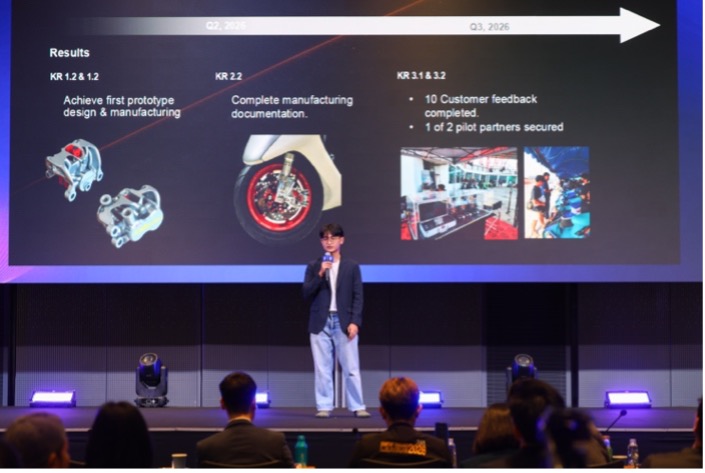
The Global Startup Hub embeds Objectives and Key Results (OKRs) early in the program through dedicated OKR Workshops. This framework equips startups to establish measurable targets and track progress systematically. Beyond setting target metrics, the OKR framework clarifies next steps, ensuring every milestone advances a core business objective.

Growth priorities naturally vary across the cohort

  • Corporate Pilots: Securing a first enterprise client
  • Market Expansion: Entering new verticals or geographic markets
  • Co-Development: Finding strategic partners to build a Proof of Concept (PoC)
  • Scaling: Partnering with investors or commercial allies for rapid growth

By grounding each startup’s unique needs in clear objectives, Business Matching moves away from sheer volume to focus on high-precision matchmaking. This shared foundation aligns subsequent mentoring, corporate sessions, and PoC trials toward actionable outcomes.

30 Startups: Bringing Frontier Tech into Real-World Operations

Across the 30 selected startups, a clear pattern emerges: technology is moving out of the lab and straight into core business operations, transforming manufacturing, retail, construction, facility management, energy, waste, and consumer services.

AI & IoT: From Experimental Tools to Vertical Solutions

  • Dynamic Intelligence Asia (DIA): Offers DUSCAP, enabling non-coders to build specialized applications for manufacturing and retail workflows.
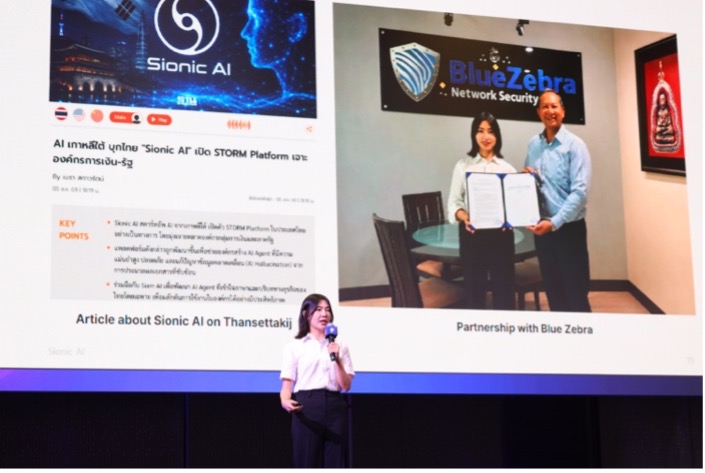
  • SIONIC AI: Powers the STORM Platform, allowing enterprises to build and manage custom Generative AI Agents using internal data securely.
  • PIASPACE: Deploys Vision-Language Models over CCTV networks for real-time anomaly detection.
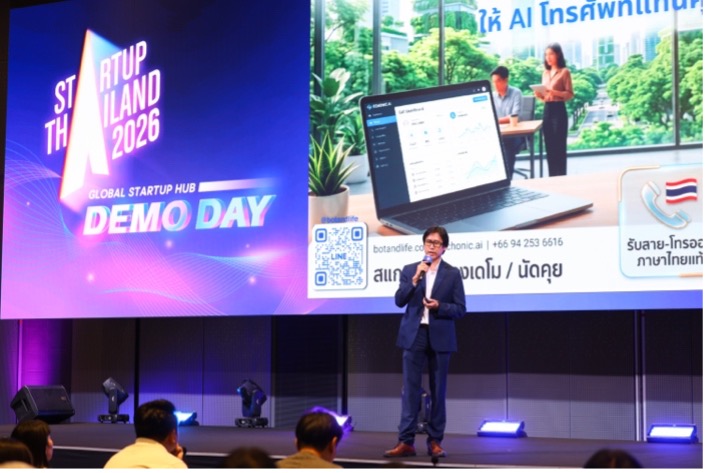
  • BOT AND LIFE: Uses AI to generate digital avatars and synthetic voices for corporate communications.
  • THAICLOUD PAC (Packiko): Applies AI automation to streamline order management and fulfillment.
  • FLO AINO: Integrates AIoT and physical AI into interactive learning platforms.
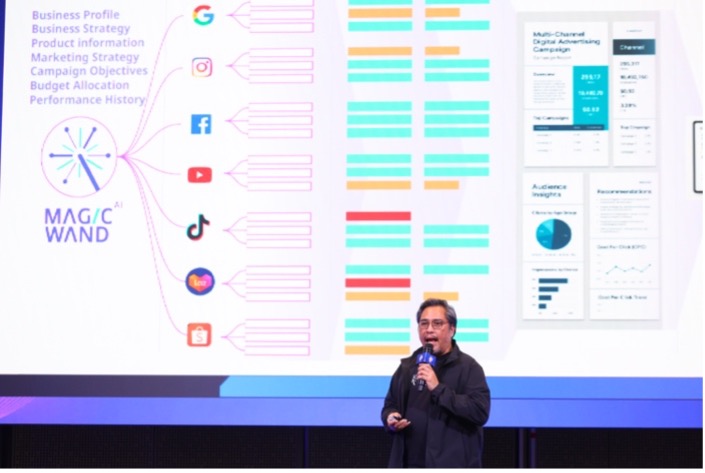
  • The MagicWand AI: Optimizes digital advertising campaigns end-to-end, from planning through performance tracking.
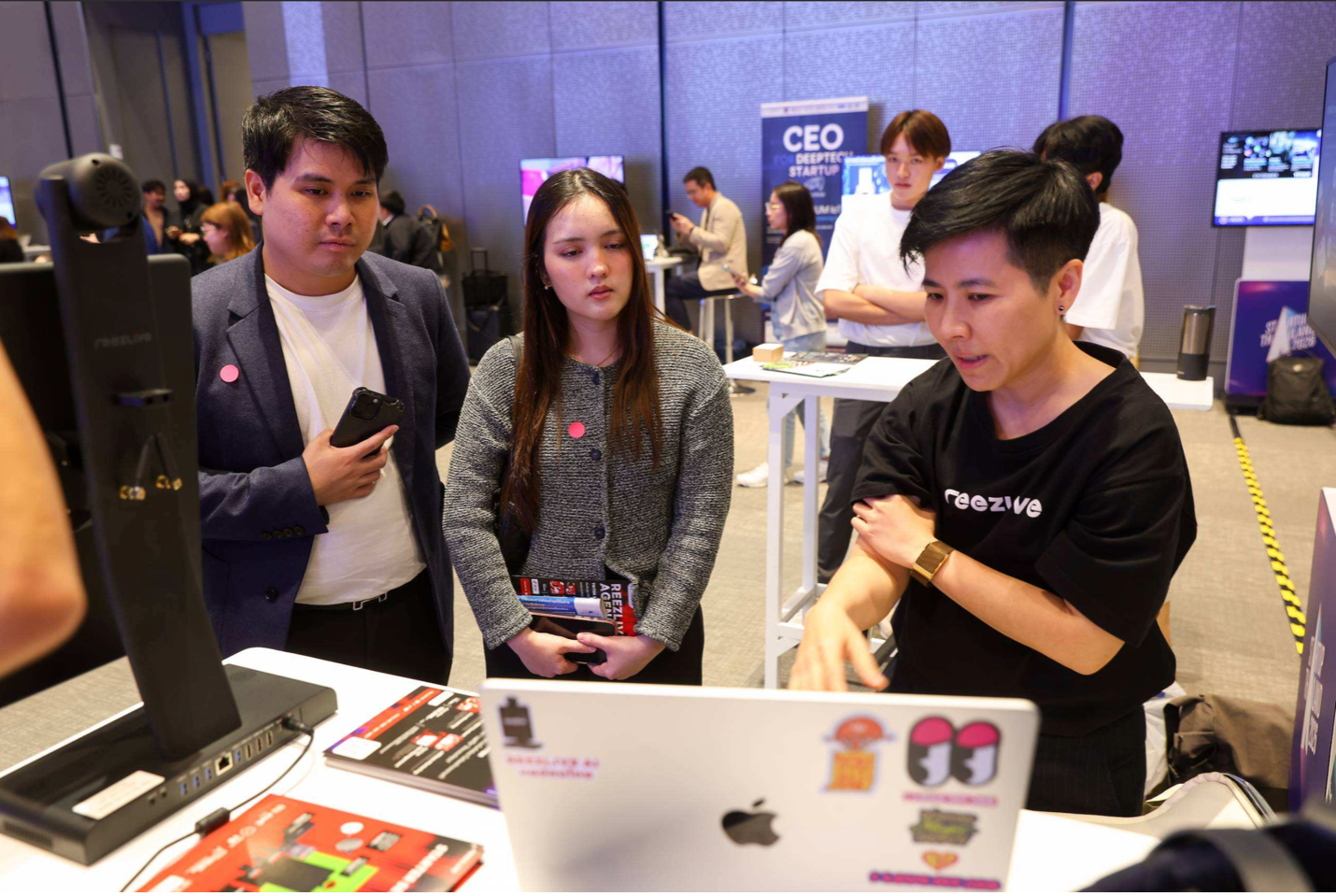
  • REEZLIVE: Enhances live-streaming ecosystems with real-time AI beauty rendering.
  • PRIMO WORLD: Deploys AI assistants to power CRM and marketing automation.
  • DAY ONE TECH (Scamtify): Uses data intelligence to combat fraud in CrimeTech.
  • UPSIGHT: Connects BIM models with multimodal AI to analyze construction site visuals.

The underlying shift is clear: enterprise AI is no longer about generic capabilities, but tailored tools engineered for specialized industry challenges.

IoT innovations follow a similar path, turning operational data into actionable intelligence:

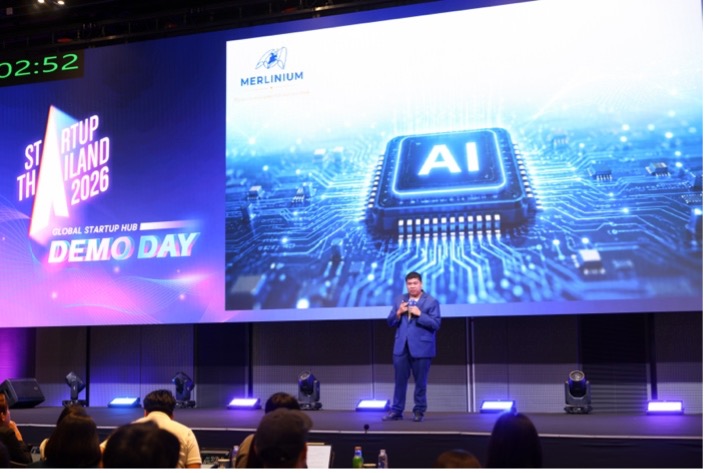
MERLINIUM: Combines sensors and AI predictive maintenance to detect equipment anomalies in factories and commercial buildings before downtime occurs.

YINGYONG SMART BIZ (Tiger Cashbox): Connects Smart Deposit Machines with SaaS management tools to streamline cash handling.

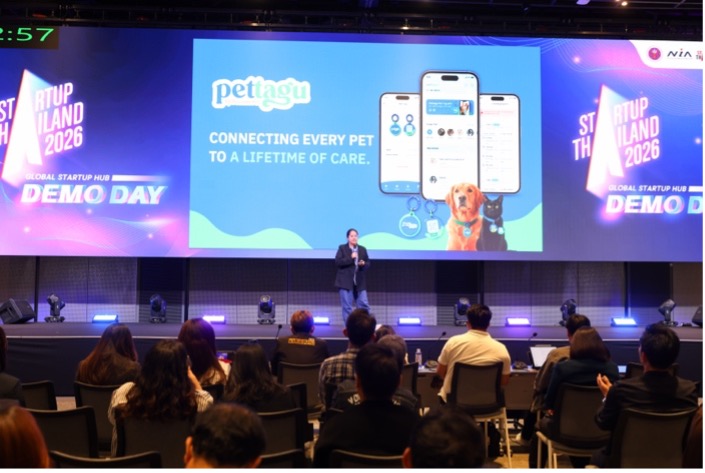
DEEMMI PET (Pettagu): Advances PetTech through NFC/QR smart tags, offering digital pet ID management alongside AI-driven initial symptom assessments.

Climate Tech: Shifting from “Impact” to “Efficiency and Cost Savings”

Sustainability solutions are increasingly evaluated through an economic lens—focusing on operational efficiency, resource management, and cost reduction.

  • P&P Partners (VIDENVAREN+): Engineers advanced thermal insulation materials to reduce HVAC energy consumption.
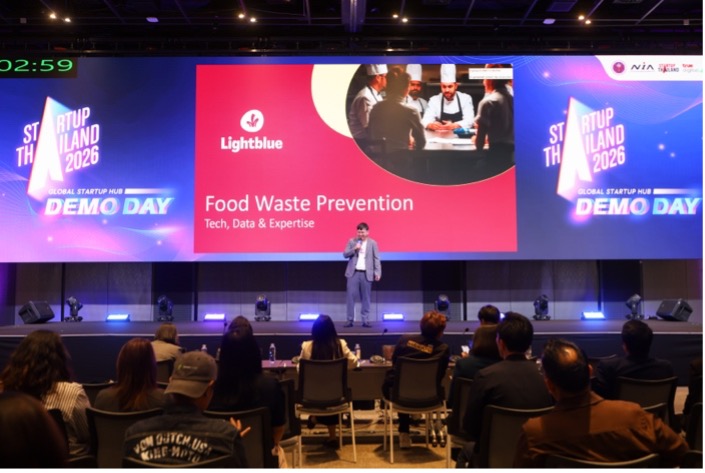
  • LightBlue Environmental Consulting: Uses FIT Tech to audit food waste in hospitality, helping commercial kitchens cut operational costs.
  • GEPP SA-ARD: Employs IoT systems for waste management tracking, Scope 3 emissions reporting, and ESG compliance.
  • CHALUPAS & CO.: Transforms agricultural waste into high-value alternative materials.
  • ALIVE LOOP: Upcycles hard-to-recycle multi-layer plastics into sustainable packaging and industrial materials.
  • ALTOTECH GLOBAL: Optimizes building ventilation and water management systems using data analytics to minimize energy consumption.
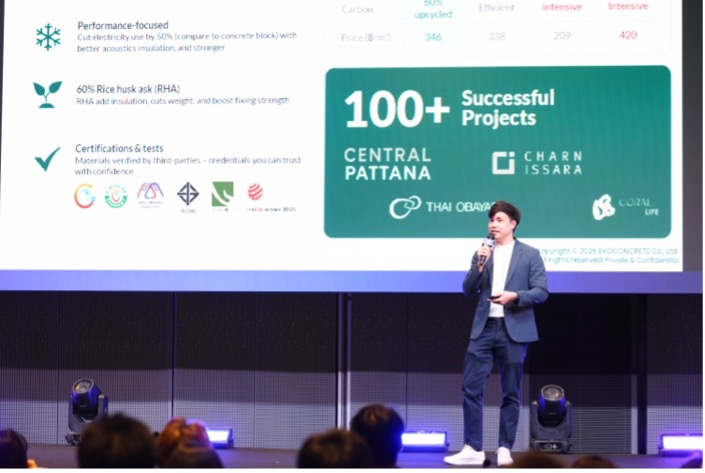
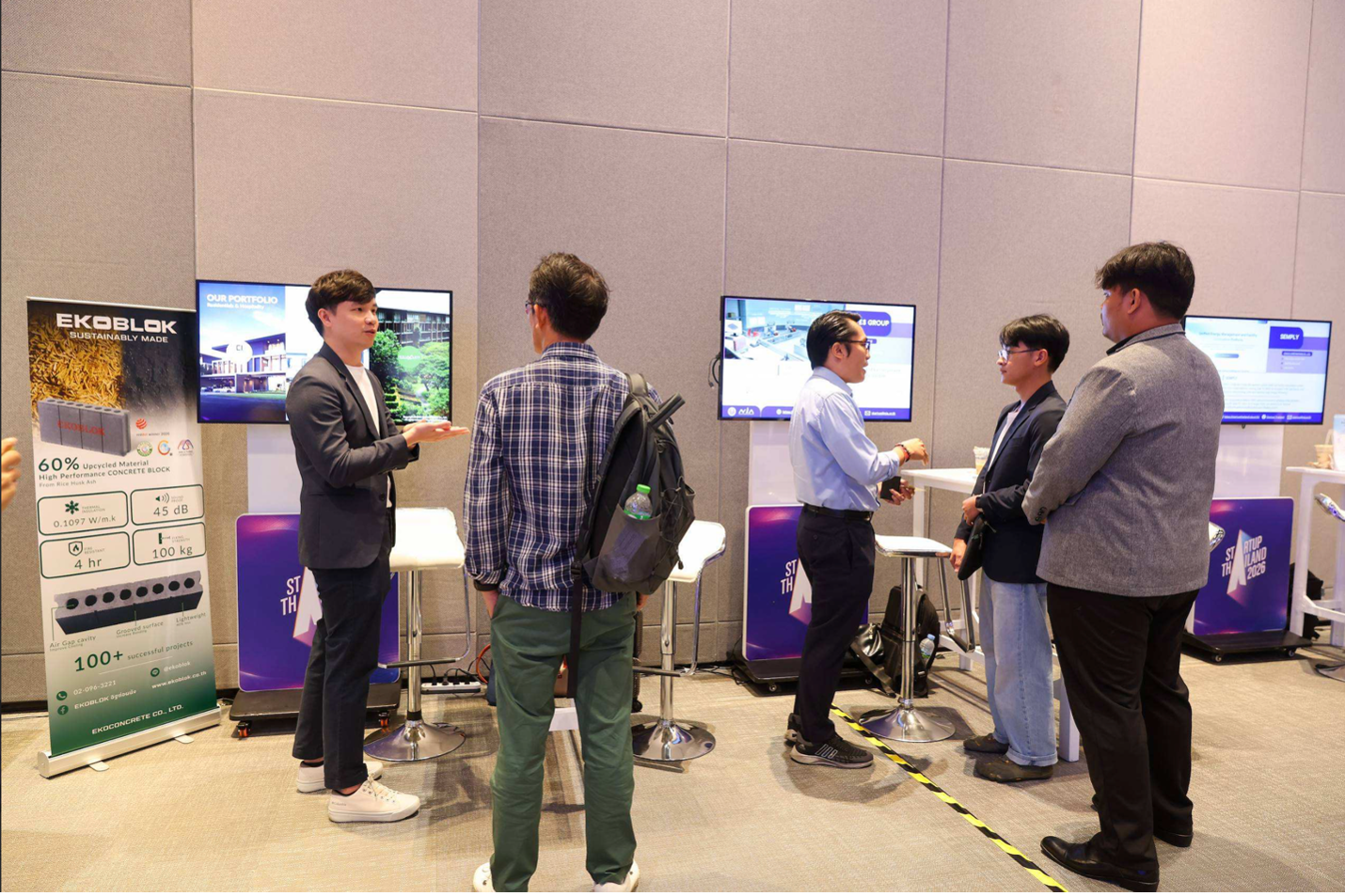
  • EKOBLOK: Produces upcycled rice husk construction blocks featuring enhanced thermal and acoustic insulation.
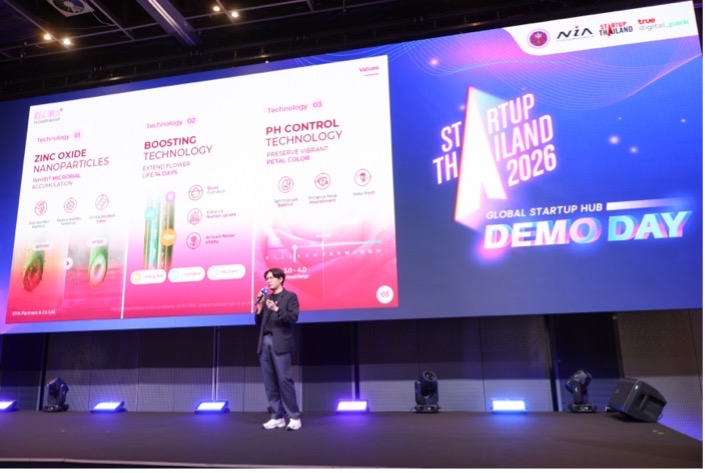
  • KYN PARTNERS: Formulates specialized solutions that extend flower freshness across supply chains.
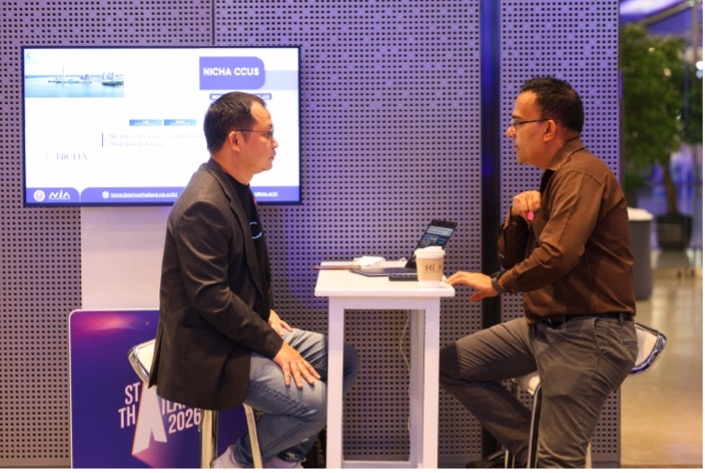
  • NICHA CCUS: Develops point-source carbon capture technologies tailored for heavy industries.
  • TONSON MORTAR: Repurposes industrial waste into self-leveling mortar formulations.
  • LOCOL: Converts cocoa husk extracts into functional feed additives designed to reduce livestock methane emissions while improving animal health.
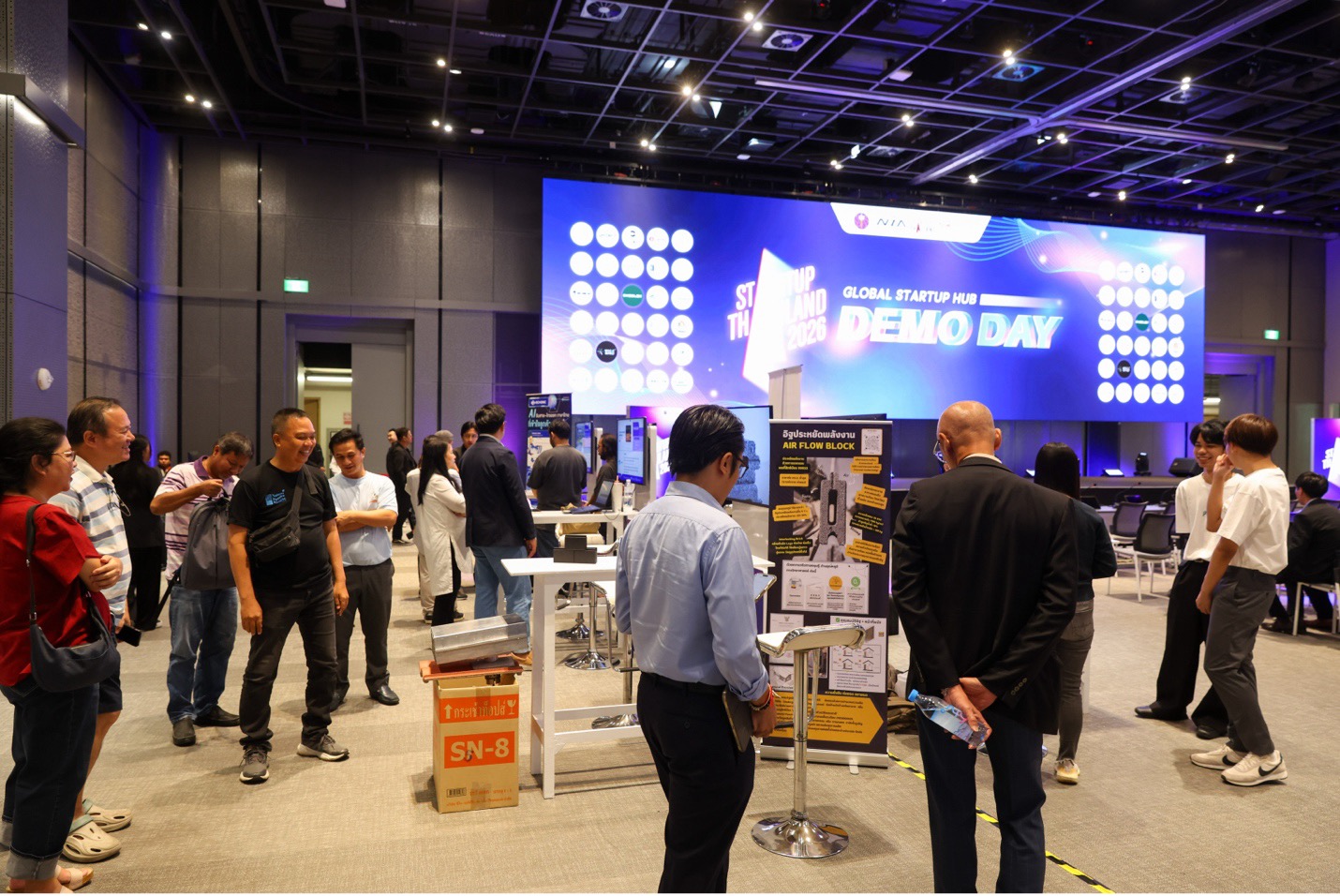
  • SIAM INNOVATE SOLUTIONS: Designs convection-based Air Flow Blocks that reduce thermal build-up and lower cooling demands in modern structures.
  • By embedding sustainability directly into supply chains and cost structures, these innovations align environmental responsibility with core business decisions.

Energy and Mobility: Engineering Next-Generation Systems

Energy and mobility solutions are reimagining how industrial ecosystems generate, store, and manage infrastructure.

  • COSMOS LAB: Develops aqueous zinc-metal batteries designed for scalable energy storage systems (ESS).
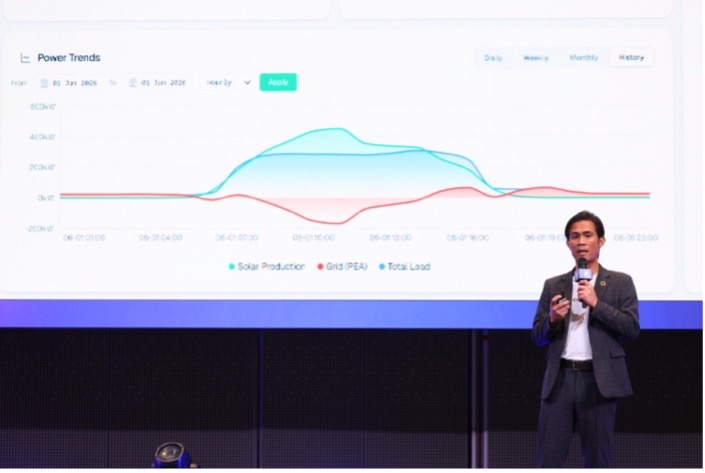
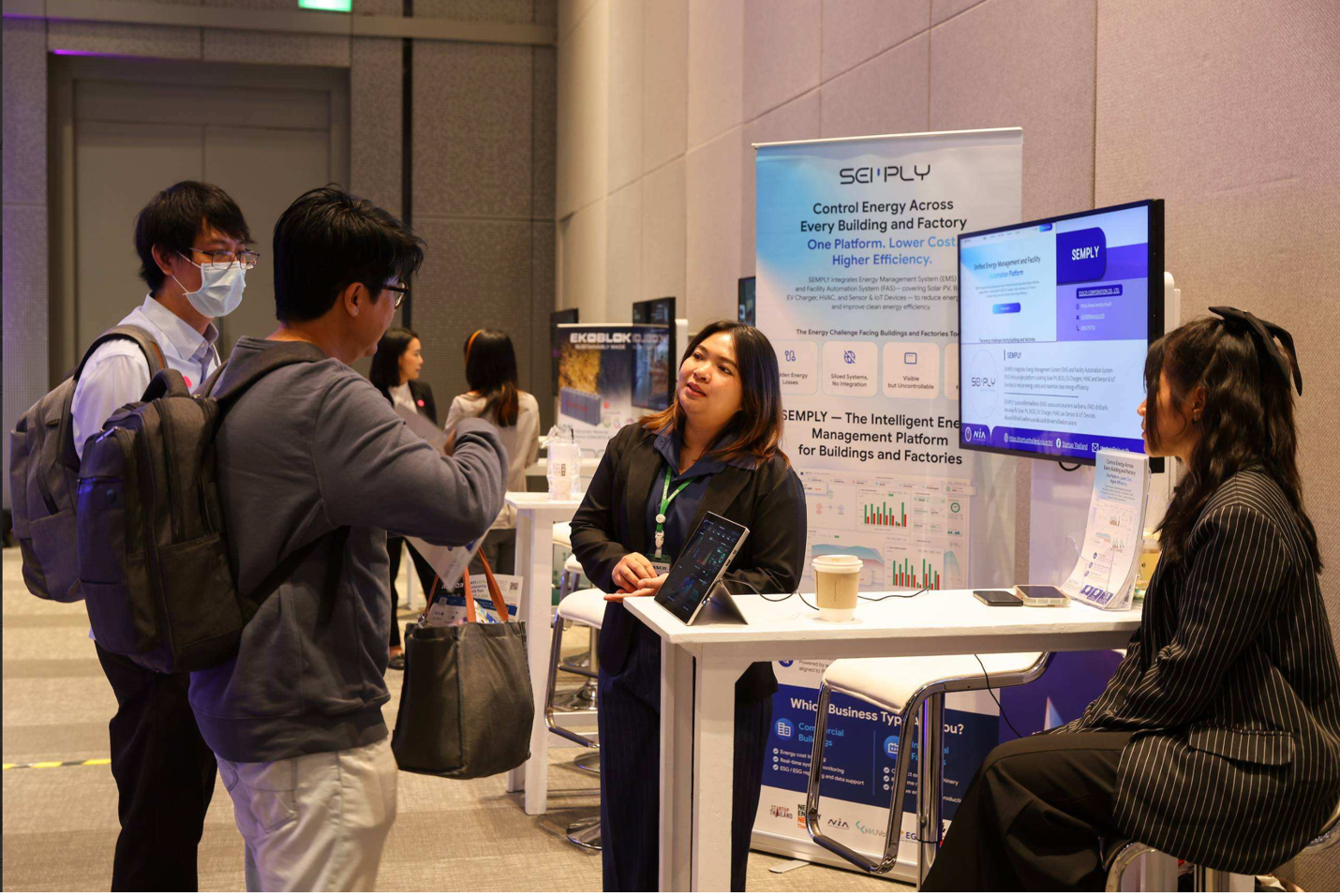
  • ESSCO CORPORATION: Offers the SEMPLY Platform, integrating enterprise energy management with real-time controls across Solar PV, BESS, EV charging, and HVAC infrastructure.
  • Qres Group: Delivers Engineering-as-a-Service and customized R&D for EV components, industrial robotics, and hardware applications.
  • Venture Lab (ThaiGo): Operates a Day Pass Platform designed for urban mobility and transit services.

Together, these companies highlight how mobility and energy platforms are expanding beyond hardware alone into unified engineering systems and digital service platforms.

Validating Innovation in the Real Market

With clear OKR targets and functional technology in place, real-world execution becomes the ultimate test.

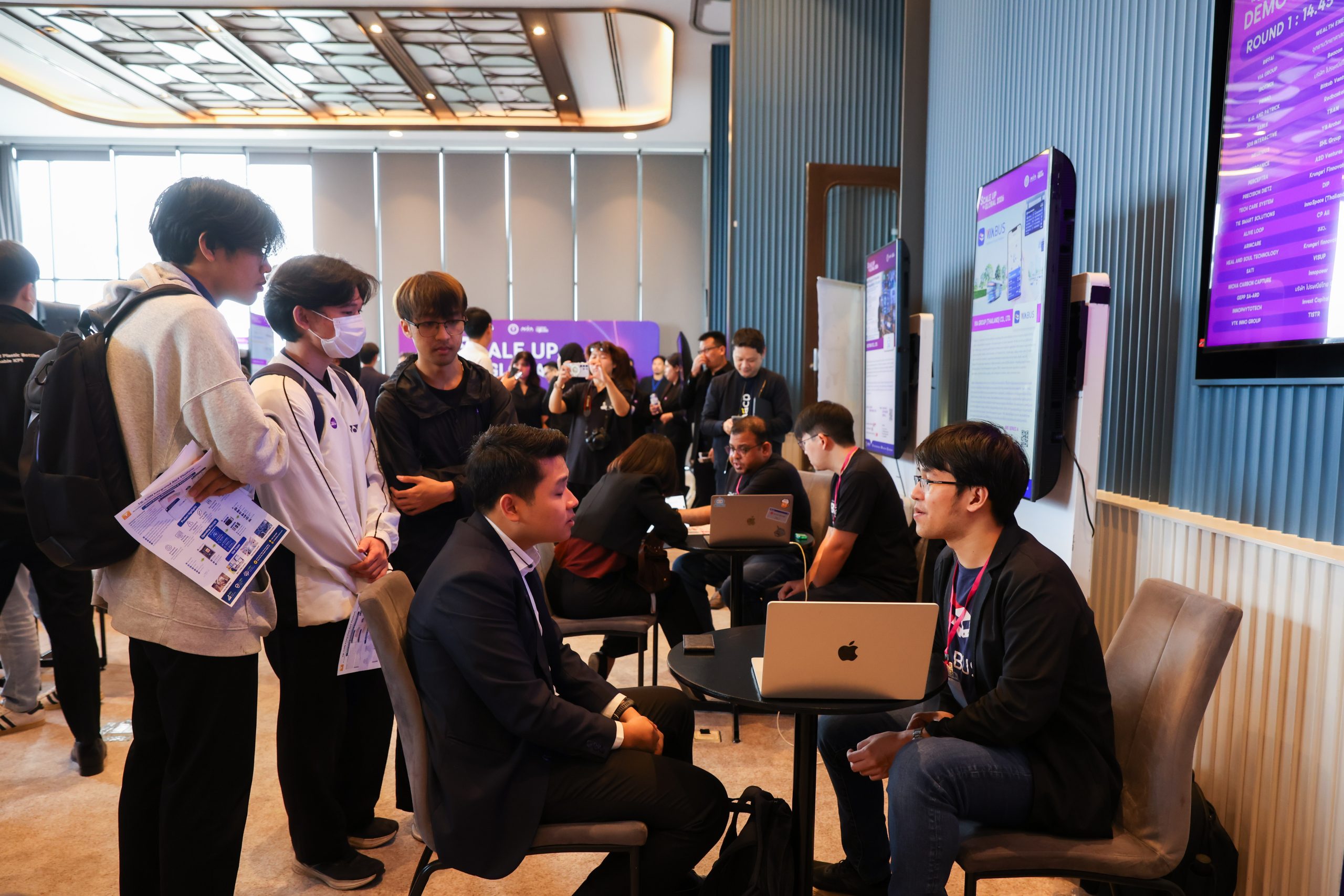
Through carefully curated business matching, Global Startup Hub 2026 connected startups with leading corporates and industry partners—generating over 60 high-value matchings with organizations such as Thailand Post, TPG (Tripetch), Central Retail, PTT, Saha Pathanabul, PTG Energy, MAX Venture, Thai Oil, Kubota, and AIS.

These meetings provided crucial opportunities to test tech stacks against real corporate constraints, integration demands, and operational environments.

More than mere introductions, the program yielded 6 corporate Proof of Concept (PoC) trials. These pilots allow corporate teams to test solutions within live systems, establishing the groundwork for future commercial contracts, joint developments, and broader enterprise deployment.

At its core, Global Startup Hub 2026 bridges the gap between technological capability and real market demand. By pairing precise OKR planning with targeted business matching and live PoC validation, the program helps startups translate technical milestones into long-term commercial success—where matching sparks opportunity, PoC proves viability, and commercialization drives sustainable growth.

IPT2026-002 Global Startup Hub 2026-3

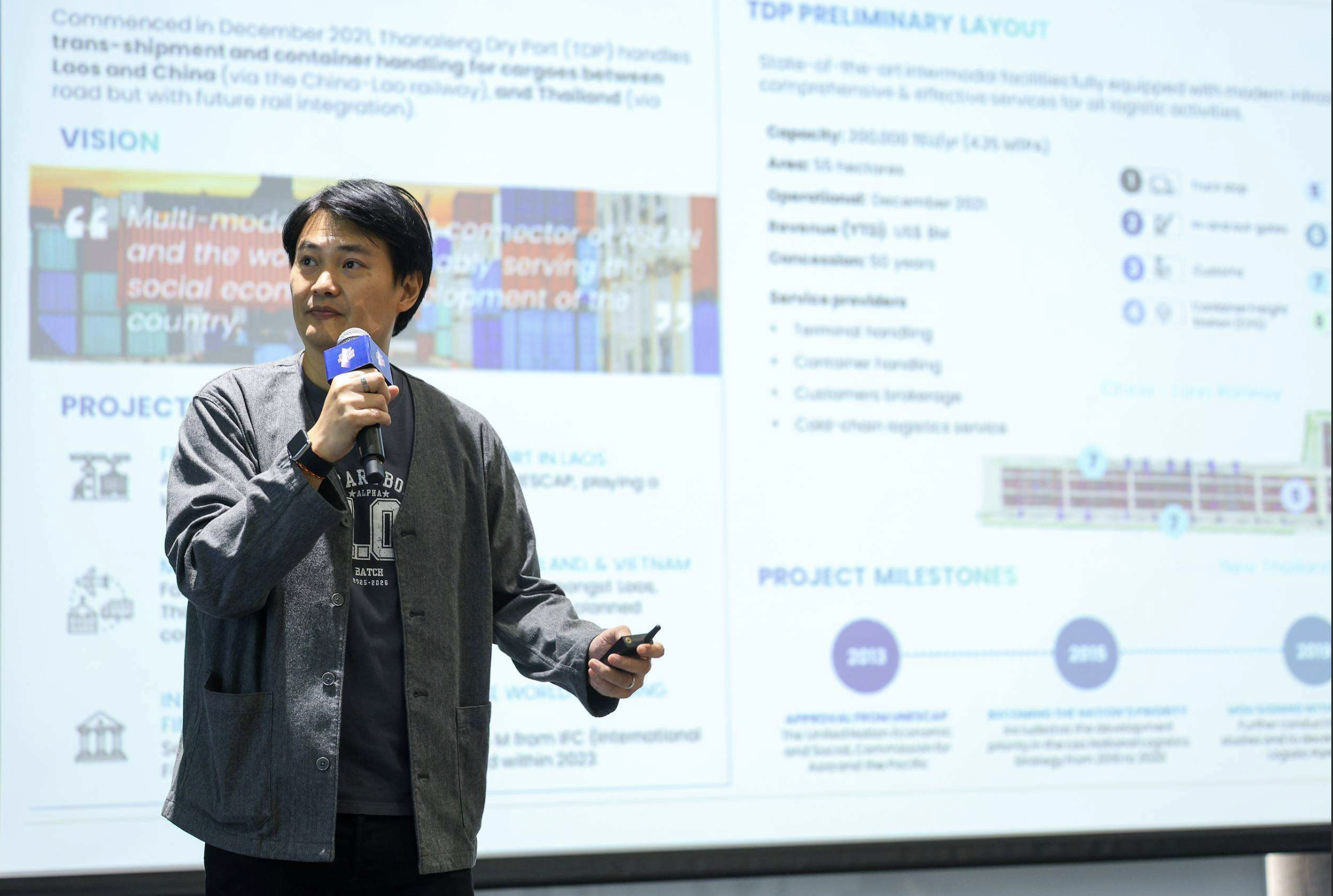
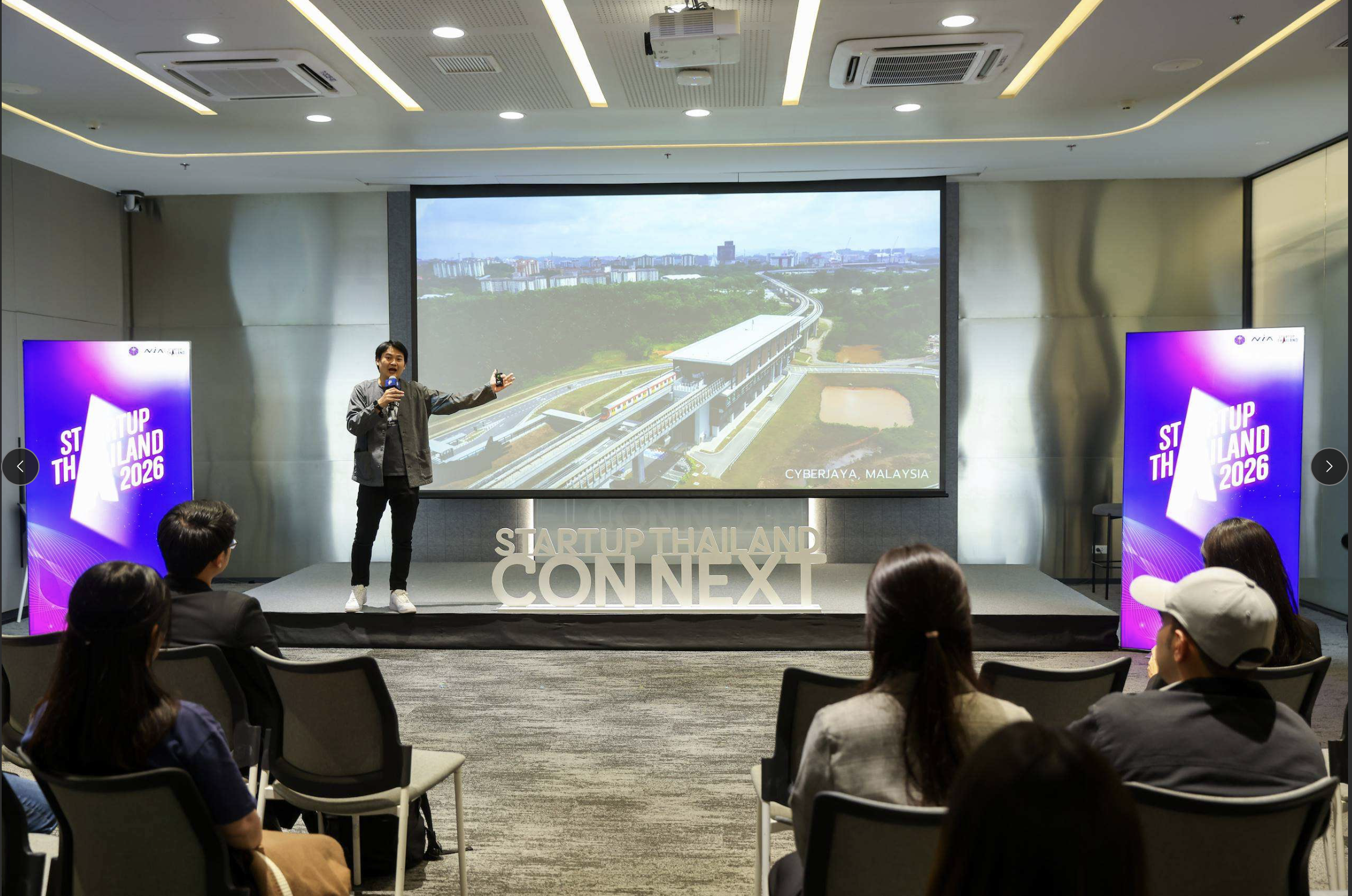
Laos: A Strategic Gateway Opening New Horizons for Thai Startups at Vientiane Logistics Park

Laos: A Strategic Gateway Opening New Horizons for Thai Startups at Vientiane Logistics Park

In today’s hyper-competitive landscape, market size alone no longer guarantees success. True competitive advantage stems from seamless market accessibility, supply chain integration, and regional scalability. As a result, “connectivity” has evolved from a mere physical transportation asset into a vital catalyst for enterprise growth within regional trade networks.

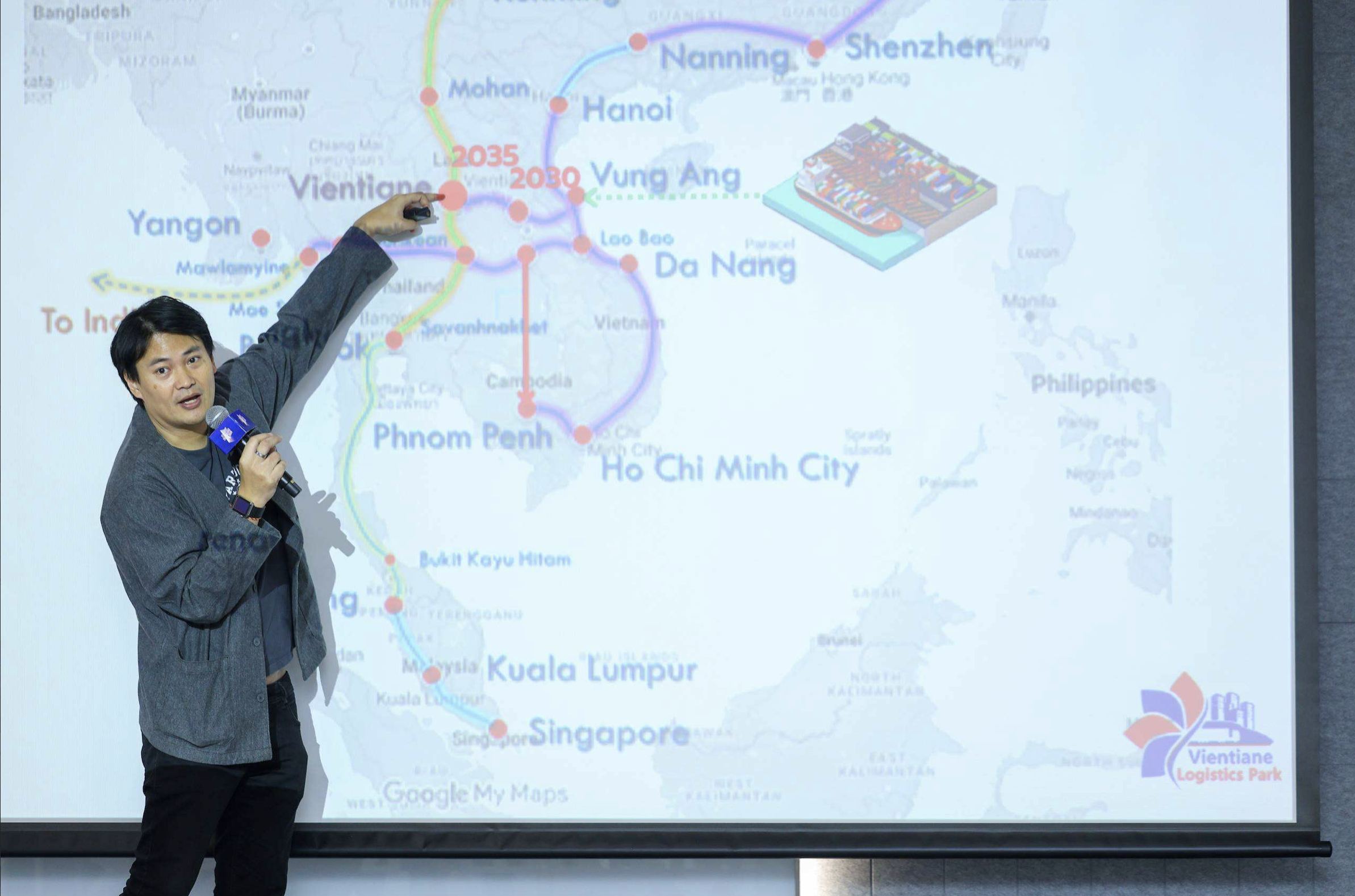
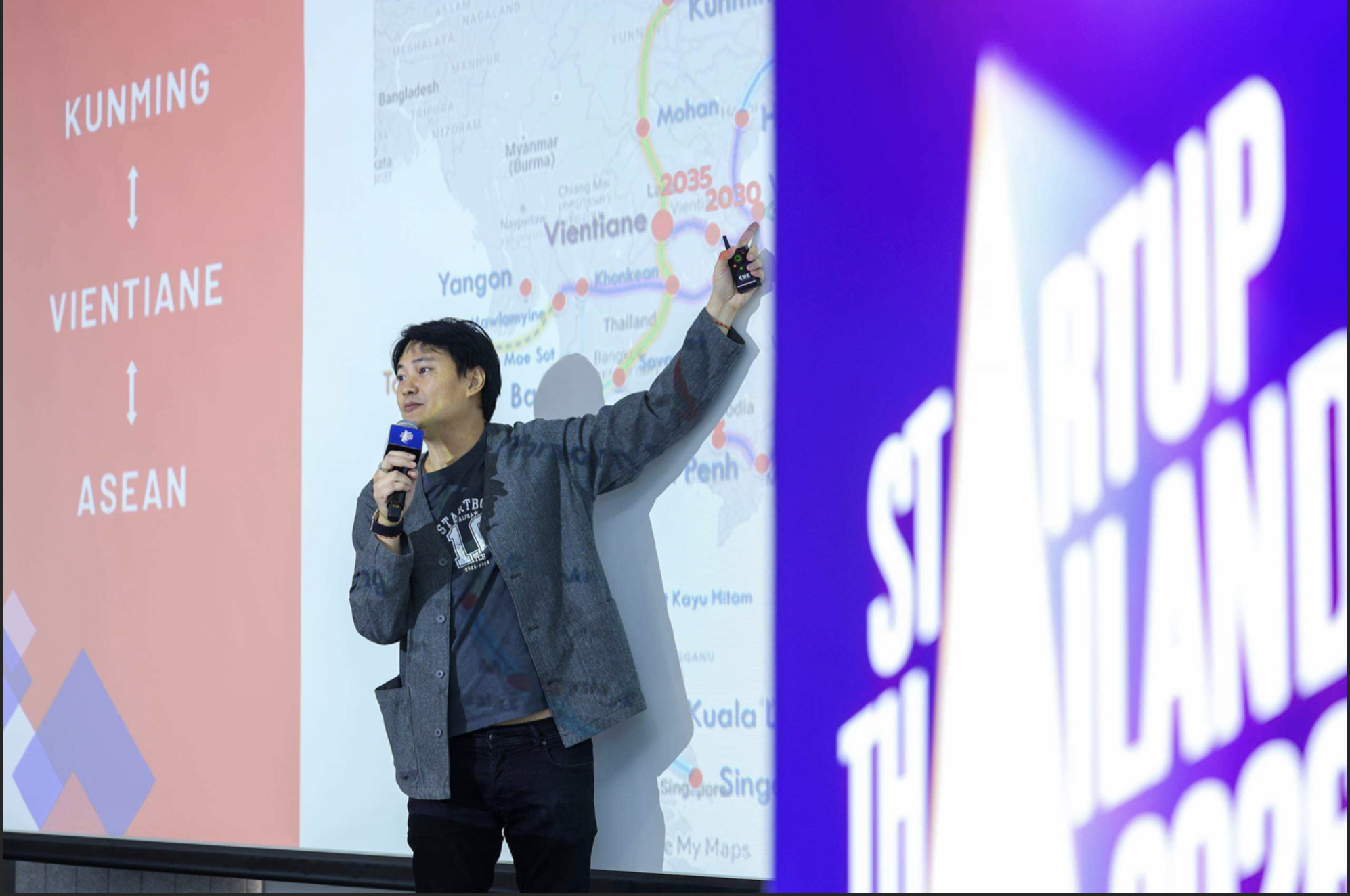
This shift places the Lao People’s Democratic Republic (Lao PDR) in a compelling new light. Long viewed as a land-locked nation, Laos is actively transforming into a dynamic “land-linked” hub—leveraging its geography to bridge China, Thailand, Vietnam, and broader ASEAN markets.

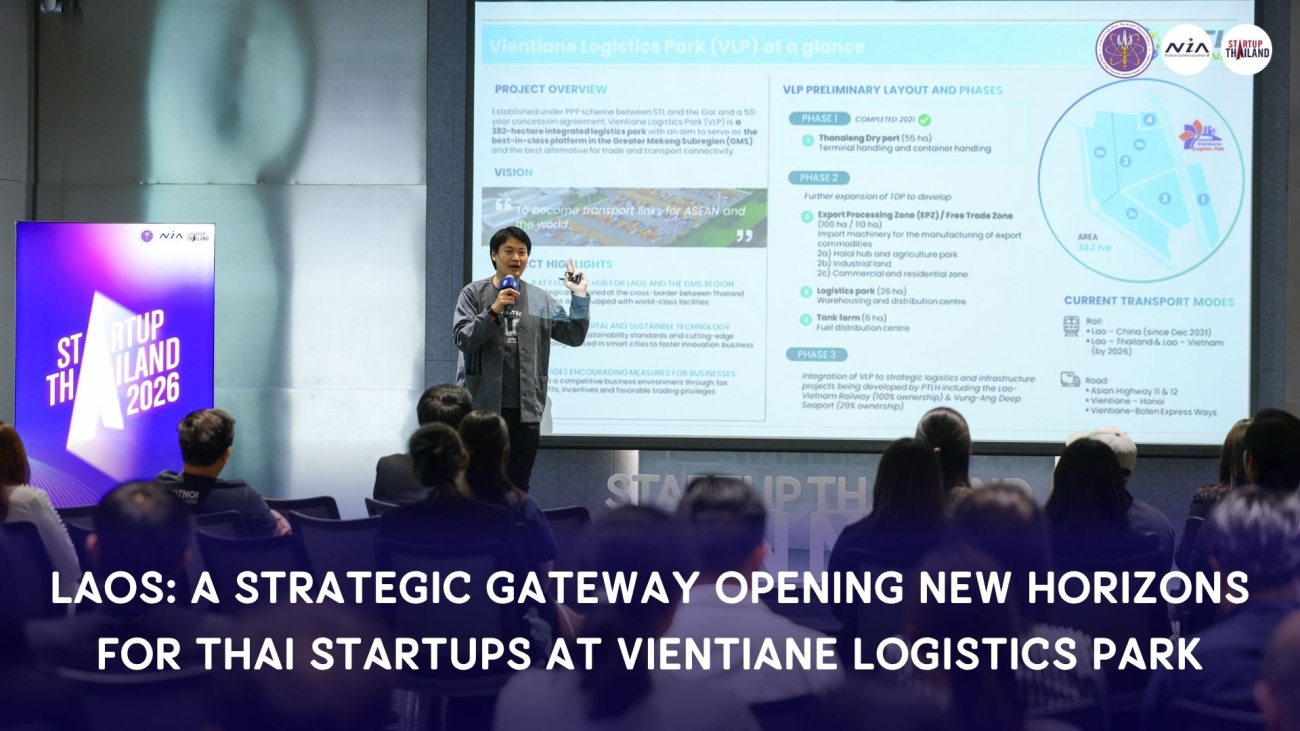
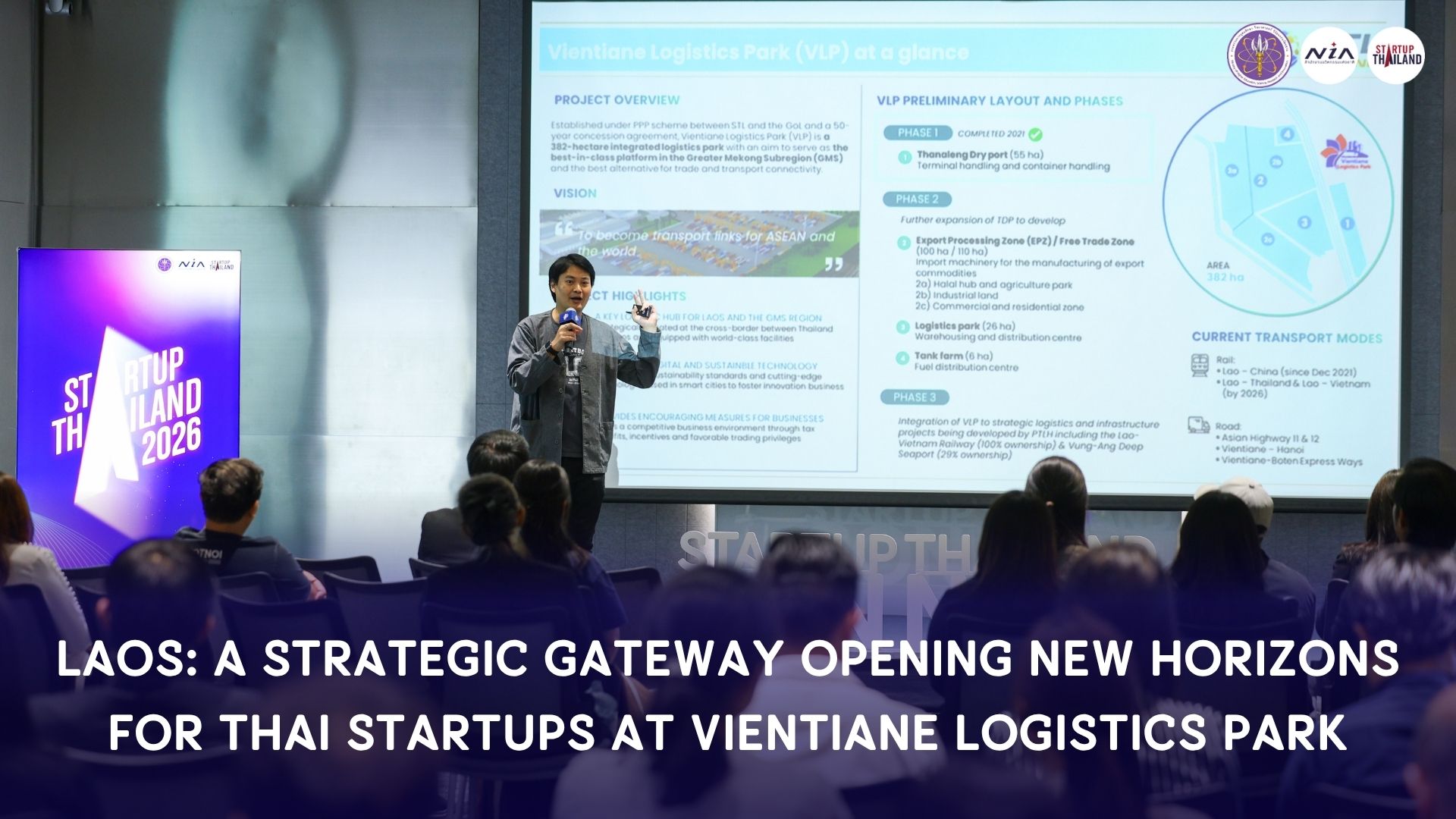
At the forefront of this transformation are the Vientiane Logistics Park (VLP) and Thanaleng Dry Port (TDP). Far beyond cargo handling sites, these facilities serve as active engines for cross-border logistics and trade connectivity. For Thai startups, the opportunity extends well past selling products into the domestic Lao market: it lies in tapping into a connected ecosystem to access broader regional supply chains.

Vientiane’s New Identity on the Regional Economic Map

Geographic constraints historically presented severe challenges for Laos, as the lack of sea access translated into high transit costs and operational friction. Yet, its location at the crossroads of the Greater Mekong Subregion places it squarely between major consumer markets.

Strategic investments in road, rail, and logistics infrastructure are turning geographic barriers into a structural connectivity advantage. The integration of the Laos–China Railway with Thailand’s transport network positions Laos as a prime transit and distribution node between China and Southeast Asia. Positioned near the 1st Thai–Lao Friendship Bridge, the Thanaleng Dry Port serves as a critical rail-road intermodal linkage.

Evaluating Laos today requires looking beyond its domestic population. Its principal strength lies in its role as a regional gateway.

Vientiane Logistics Park: Transforming Infrastructure into Innovation Hubs

Vientiane Logistics Park (VLP) serves as a cornerstone of the Lao national logistics strategy under a 50-year Public-Private Partnership (PPP) concession. Designed as a comprehensive, integrated logistics ecosystem, VLP incorporates:

  • Logistics Park & Free Trade Zone
  • Export Processing Zone
  • Plant & Animal Quarantine Facilities
  • Tank Farm
  • Dedicated Technology & Halal Hubs

By covering end-to-end supply chain processes—importation, inspection, warehousing, processing, and re-export—VLP presents operational pain points at every step. Each node offers a clear entry point for technological optimization. For tech ventures, VLP provides a live, real-world testing ground to demonstrate practical solution viability.

Thanaleng Dry Port: Connectivity in Action

If VLP represents the macro-ecosystem, Thanaleng Dry Port (TDP) functions as the operational engine executing cross-border transit. Classified as a UNESCAP Class 1 Dry Port, TDP facilitates import, export, and transit trade via integrated rail-road links.

Equipped with container yards, rail sidings, warehouse space, Terminal Operating Systems (TOS), and on-site regulatory services (Customs, Quarantine, Fumigation, and Certification), TDP unifies fragmented operational workflows. This centralized environment allows digital solutions to drive tangible improvements in speed, accuracy, safety, and data governance.


From Logistics Facilities to Innovation Testbeds

For technology companies, VLP and TDP offer ideal environments for real-world deployment across several high-impact domains:

  • AI & Predictive Analytics: Demand forecasting and route optimization.
  • IoT & Cold Chain Sensors: Environmental and real-time cargo monitoring.
  • Digital Traceability: End-to-end provenance and supply chain visibility.
  • Smart Warehousing: Inventory management and space optimization.
  • Trade Facilitation: Digital customs, carbon tracking, and ESG compliance platforms.

Startups do not need full-scale deployment from day one. Developing targeted Proofs of Concept (PoCs) allows teams to measure business impact—reducing operational costs, boosting throughput, and mitigating risks—before scaling commercially.

NIA x Startbox – Laos: Bridging Ecosystems to Real Demand

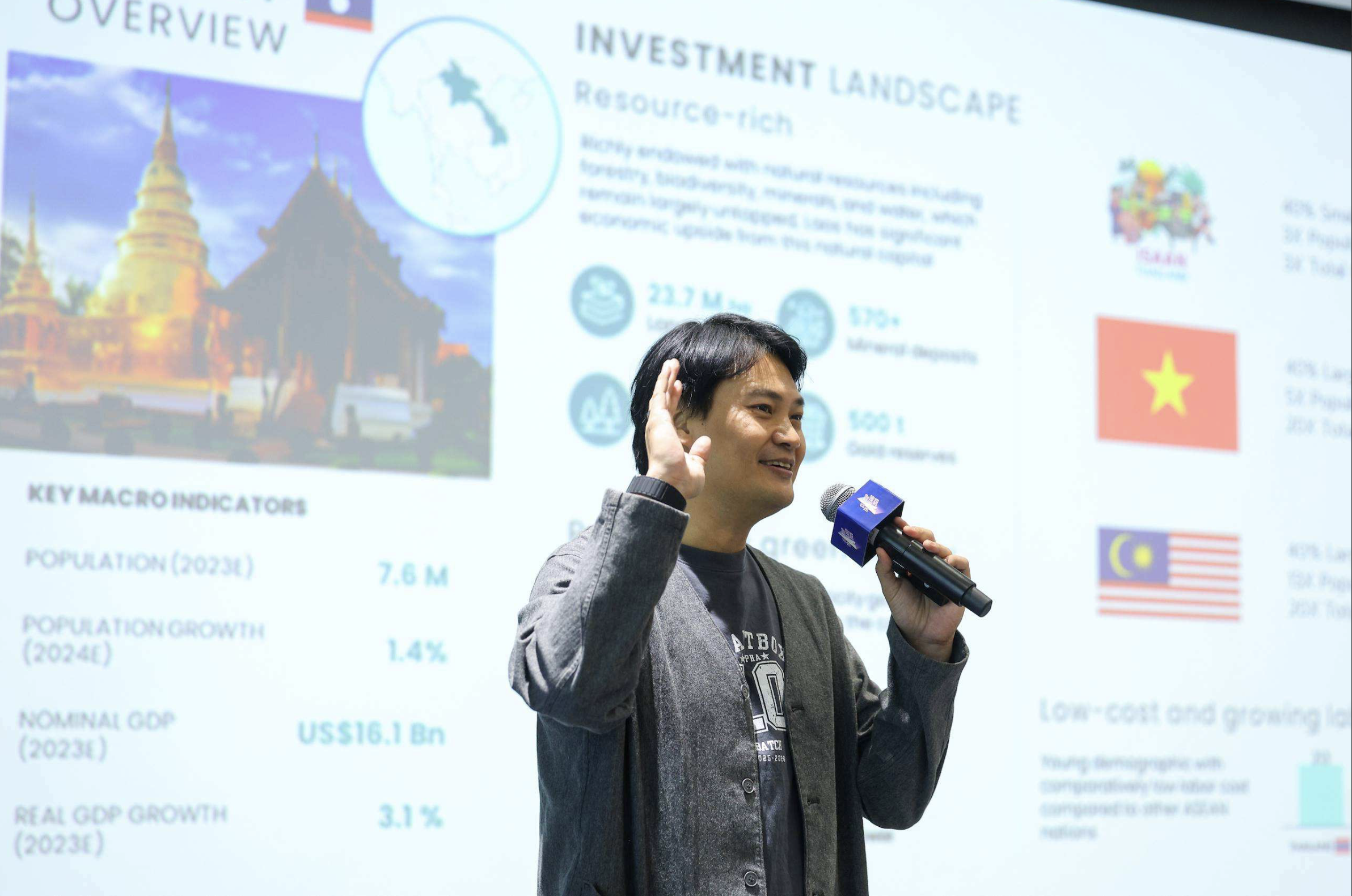
Announced at SITE 2026, the partnership between Thailand’s National Innovation Agency (NIA) and Startbox – Laos, led by CEO Rungsun Promprasith, underscores a deliberate strategy to link Thai innovation with actionable regional demand.

Global expansion efforts must move past casual business matching toward deep ecosystem engagement. Within this partnership model:

  • NIA & Ecosystem Partners open doors and clear market access pathways.
  • VLP provides the physical testbed and operational use cases.
  • Corporate Partners absorb validated PoCs for enterprise-wide implementation.

This framework shifts internationalization from mere market entry to a structured journey: Explore, Connect, Pilot, Prove, and Scale.

Supply Chain Integrity: Insights from Thai Agricultural Exports

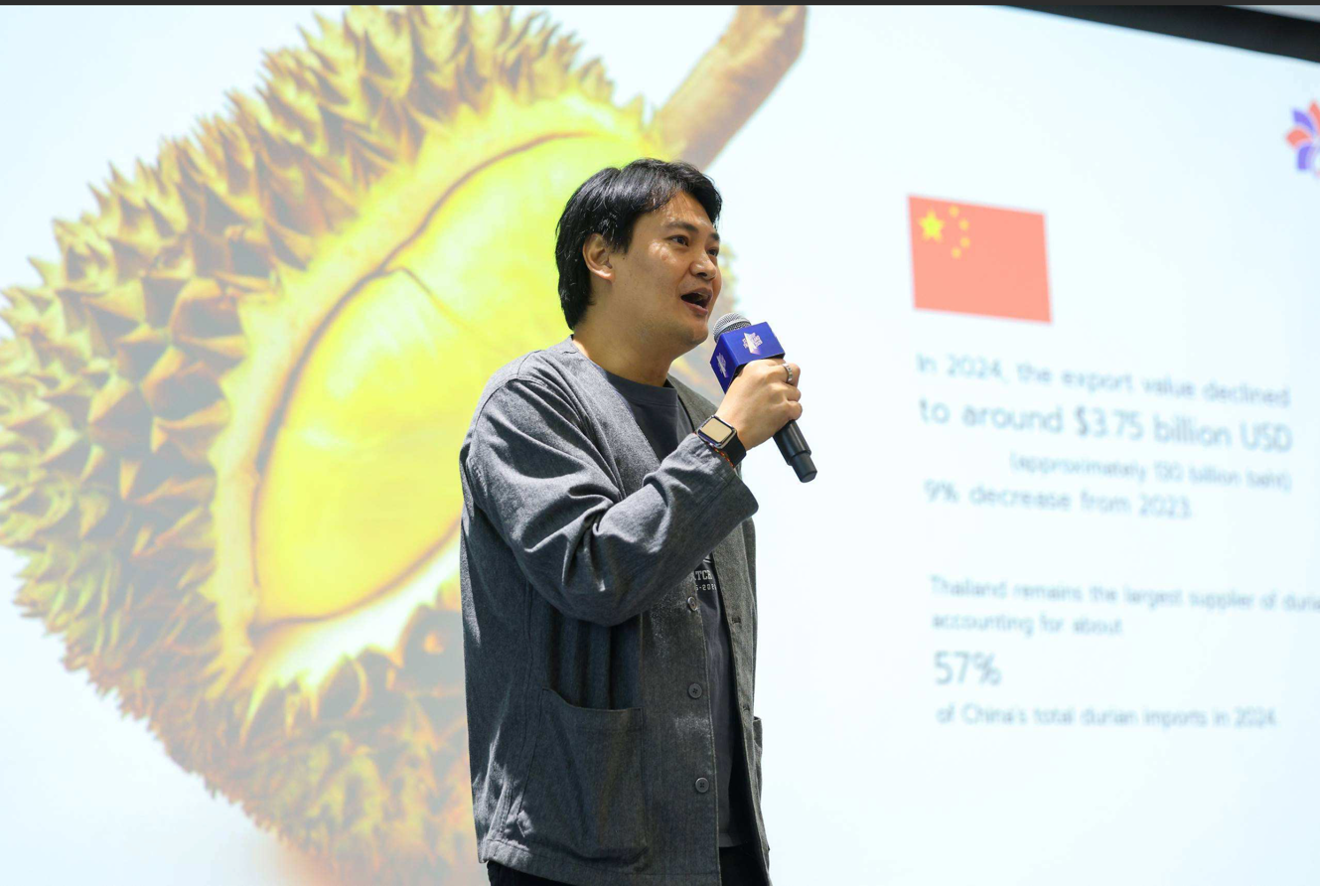
Agricultural export logistics highlights the critical role of end-to-end quality assurance. While Thailand produces high volumes of agricultural goods, market competitiveness hinges heavily on supply chain management. Issues like contamination or regulatory delays—as seen in past durian export challenges—can impact full shipments and disrupt market trust.

Addressing these bottlenecks requires continuous, verifiable data across the entire transit lifecycle. Technologies that provide transparent, tamper-proof tracking turn routine transit into trusted trade.

AgriTech and FoodTech Potential in Trade Quarantine

VLP’s Plant and Animal Quarantine Zone, alongside TDP’s One-Stop Certification service, offers specialized opportunities for targeted technologies:

  • AgriTech: Automated quality inspection and rapid testing tools.
  • FoodTech: Compliance platforms and processing quality control.
  • Cold Chain Tech: Real-time thermal tracking for perishable goods.
  • Traceability Platforms: Secure digital logging from source to buyer.

These specialized facilities allow tech providers to inject long-term value directly into regional agricultural supply chains.

Unlocking Broader Markets Through Strategic Connectivity

Direct integration with the Laos–China and Laos–Thailand railway lines positions TDP as a vital trade gateway linking East Asia with Southeast Asia. Streamlined Sanitary and Phytosanitary (SPS) processing further simplifies cross-border agricultural trade.

For tech ventures, Laos offers a low-friction entry point to build, test, and refine operational business models before expanding into larger, more complex markets like China and Vietnam.

Pragmatic Expansion: Scaling Responsibly

Entering new regions does not require immediate, capital-intensive infrastructure or entity setups. Teams should prioritize identifying specific operational pain points, securing local partners, and running lean pilot programs. Validating ROI on a modest scale lowers initial exposure and builds a clear path toward commercial expansion.

Incentives Support Growth, but Fit Drives Success

Investments in VLP benefit from fiscal incentives under Lao Prime Minister’s Decree 188, including corporate tax holidays ranging from 8 to 16 years, reduced long-term tax rates (6.5%), and selective VAT exemptions on capital equipment.

While favorable policies reduce financial risk, true long-term enterprise value rests on strong Product-Market Fit. Robust infrastructure creates the stage, but solving acute enterprise pain points determines commercial longevity.

A Proving Ground Before Regional Scale

Laos may not be the primary target for every business model. However, for companies operating in Logistics, Supply Chain, AgriTech, FoodTech, Climate Tech, AI, IoT, and Enterprise SaaS, the country offers an active operational arena.

Vientiane Logistics Park is rapidly evolving beyond a traditional transport hub into a regional innovation testbed. For Thai tech ventures, the broader GO ASEAN vision is not simply about exporting products—it is about connecting, testing, proving value, and scaling alongside an expanding trade network. As Laos transitions from land-locked to land-linked, Vientiane stands ready as a vital launchpad for long-term regional growth.

IPT2026-002 Global Startup Hub 2026-4 สำเนา

Beyond a Big Market: Decoding Lessons from 5 Thai Startups Scaling into the Philippines and ASEAN

Beyond a Big Market: Decoding Lessons from 5 Thai Startups Scaling into the Philippines and ASEAN

Understand the Market, Build Local Alliances, Validate Early, and Scale Strategically.

Taking a startup beyond its home market is about far more than introducing a product or technology to a new country. The real test is whether a business model that succeeds in one market can still solve real problems, fit customer behavior, and create sustainable value in another.

This is particularly true in ASEAN. Despite their geographic proximity, the region’s markets differ considerably in economic structure, consumer behavior, regulation, business practices, and culture. Understanding the local context is therefore one of the most important factors determining whether a startup can simply enter a market—or truly grow within it.

Among ASEAN’s emerging opportunities, the Philippines stands out as a market worth watching. Its large population, consumption- and service-driven economy, widespread use of English, expanding digital economy, and steadily developing startup ecosystem make it an attractive destination for companies looking to scale regionally.

The StartupBlink Global Startup Ecosystem Index 2026 also reflects the country’s growing potential, with the Philippines continuing to strengthen its position within the global startup landscape. Metro Manila, meanwhile, remains the country’s leading center for startup activity, investment, business, and economic development.

Yet population size and ecosystem rankings tell only part of the story.

Look more closely, and the Philippines reveals a market rich in both opportunity and complexity—one that startups must understand before committing significant capital, talent, or resources.

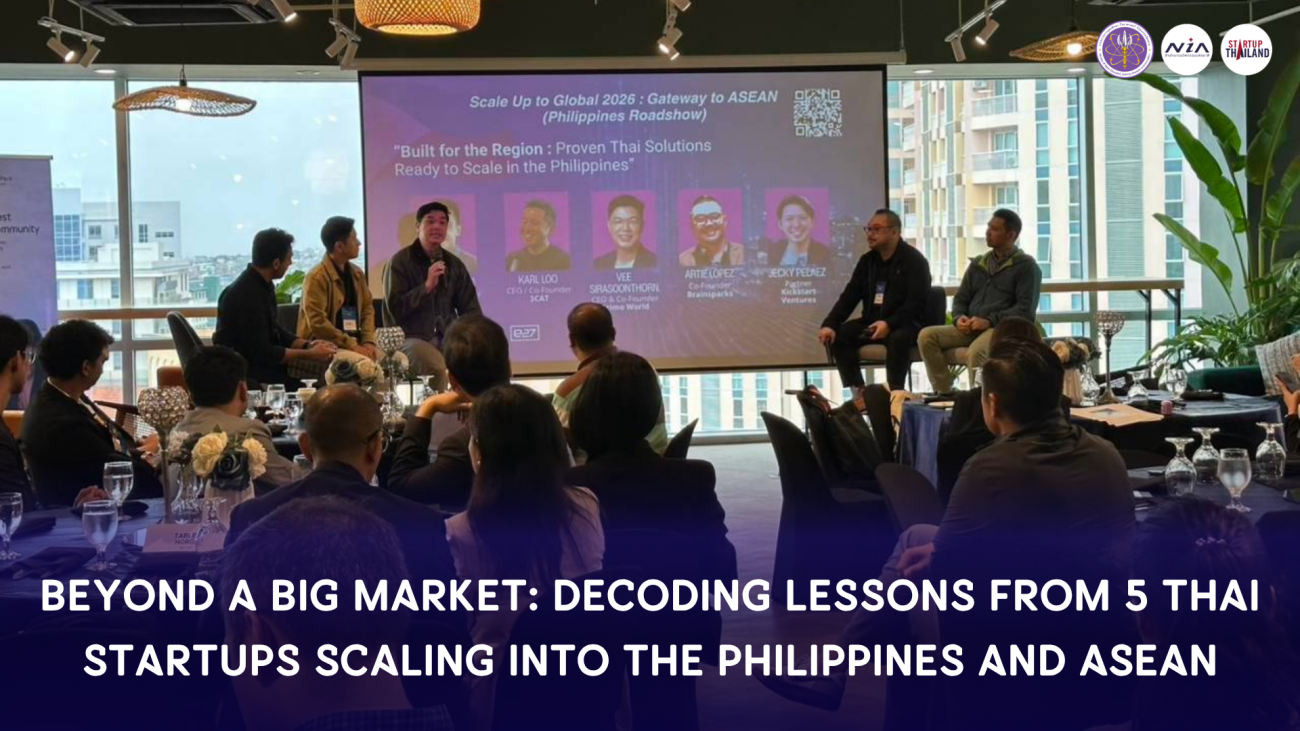
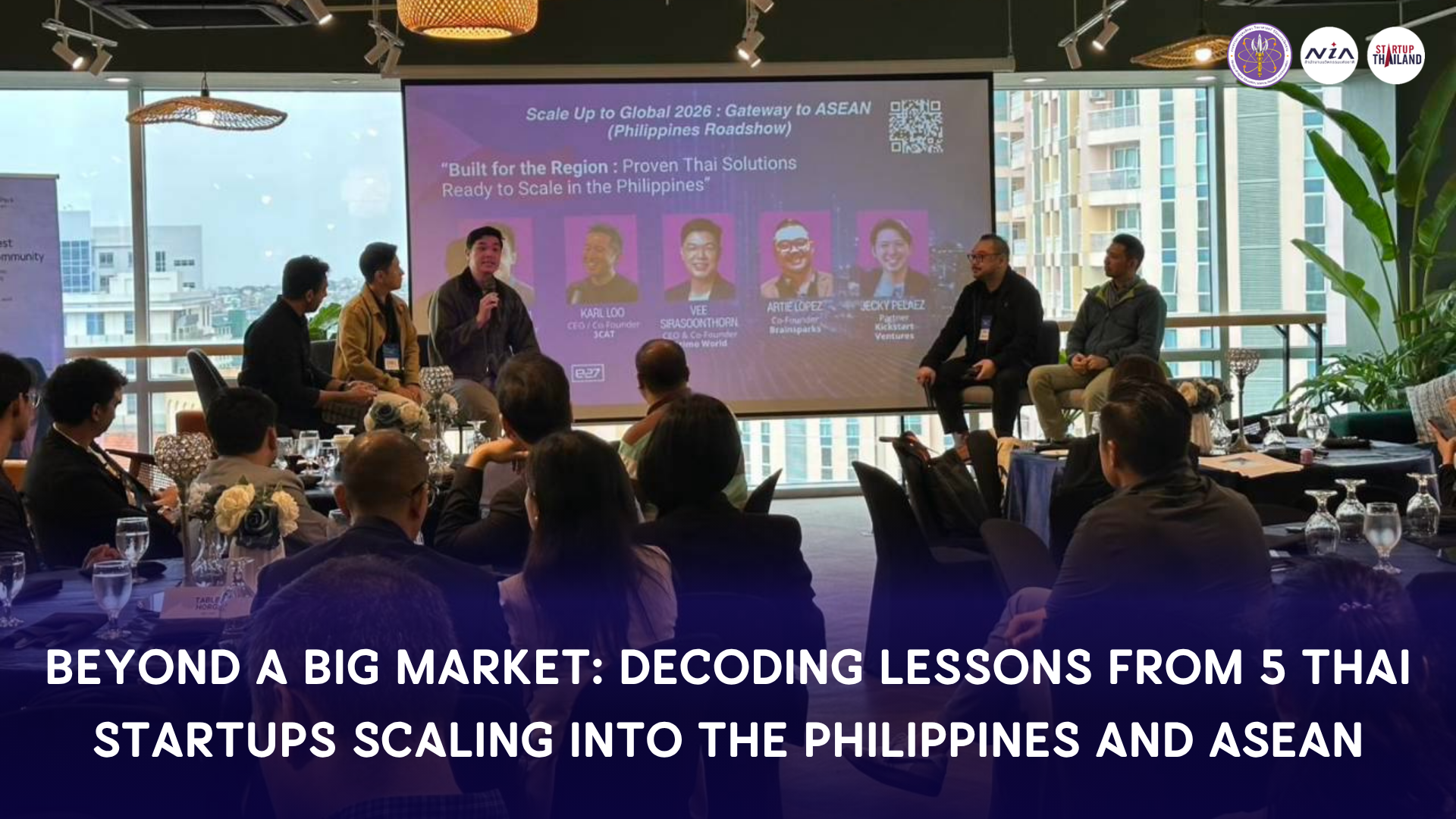
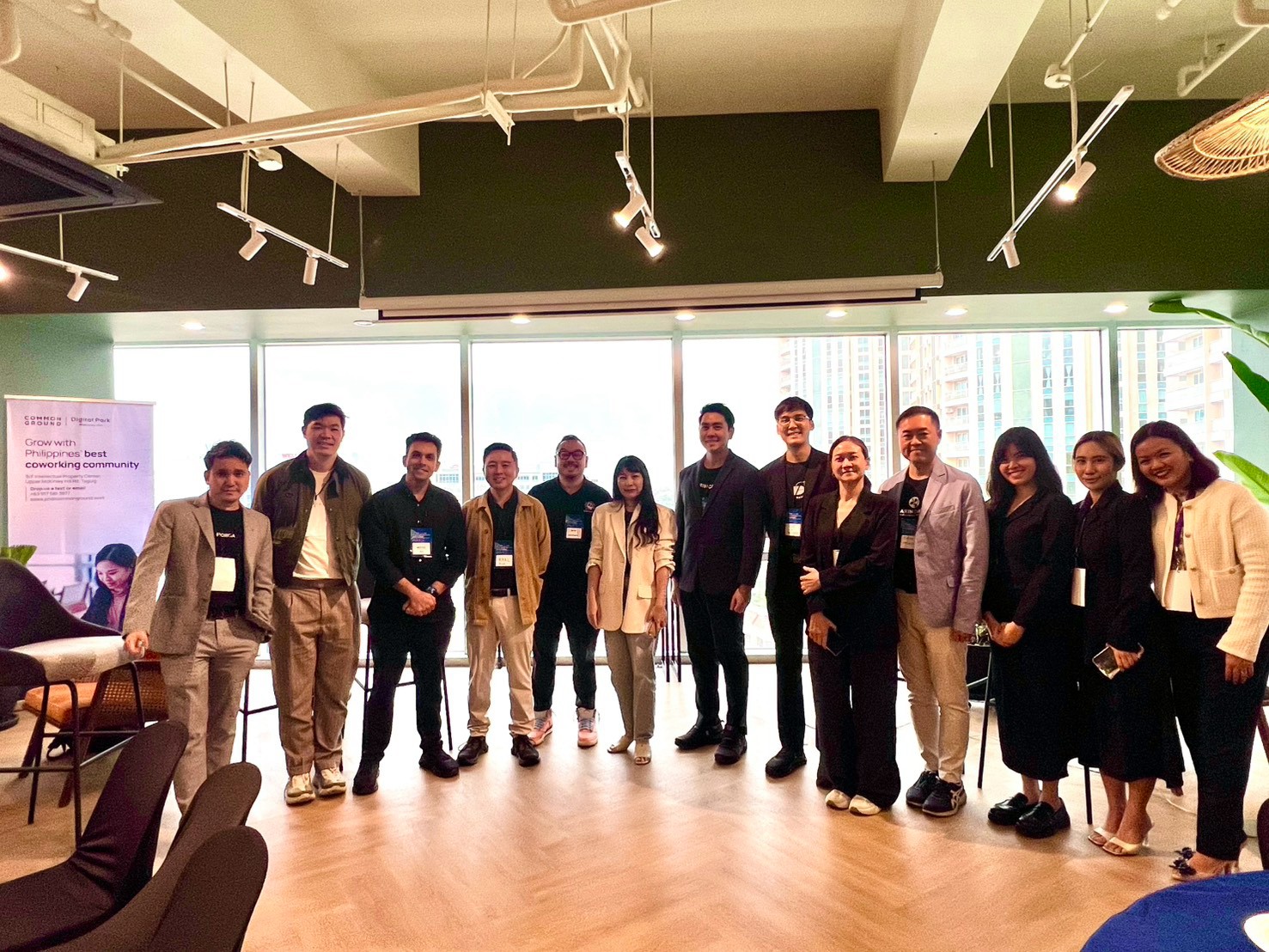
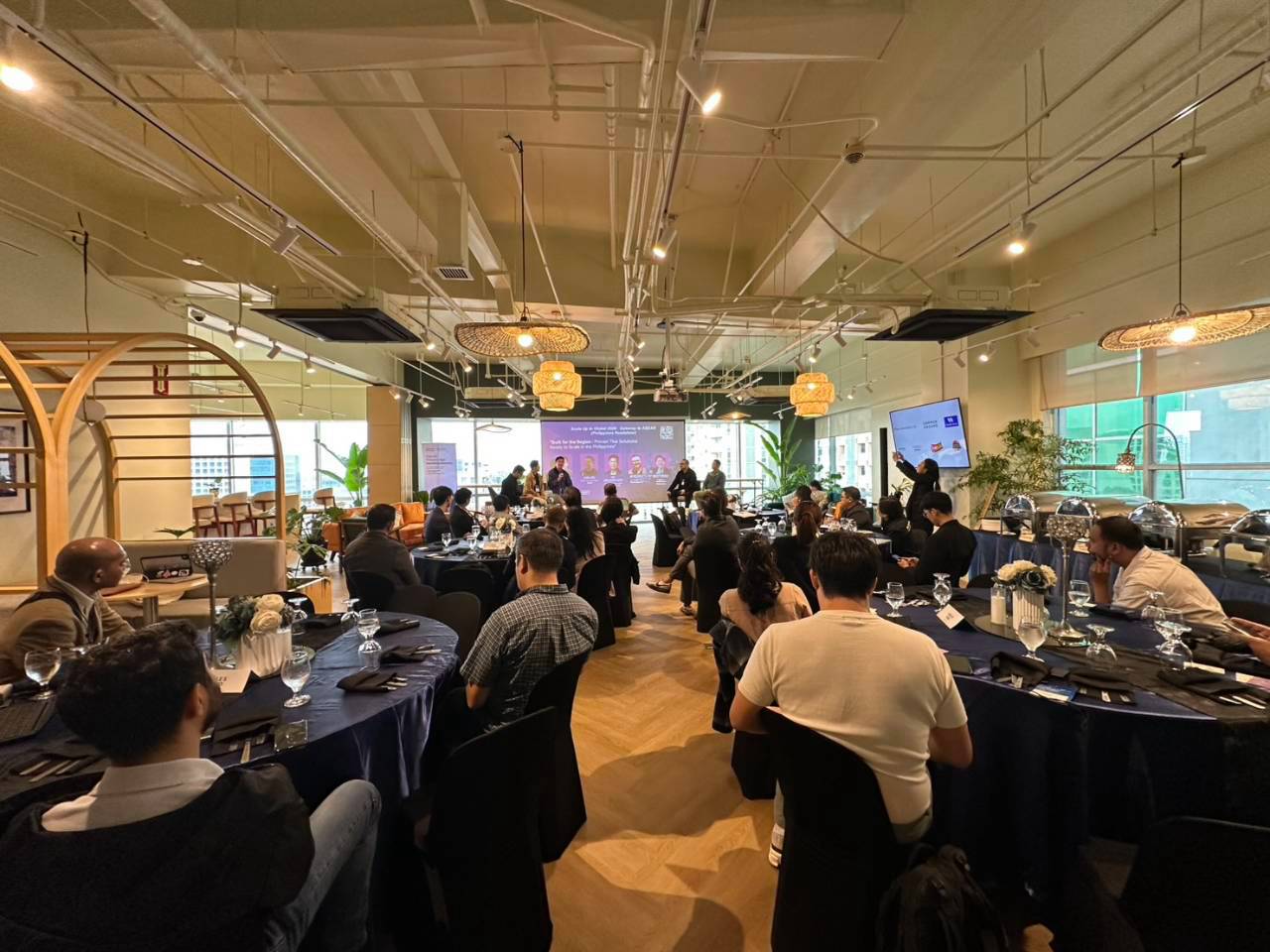
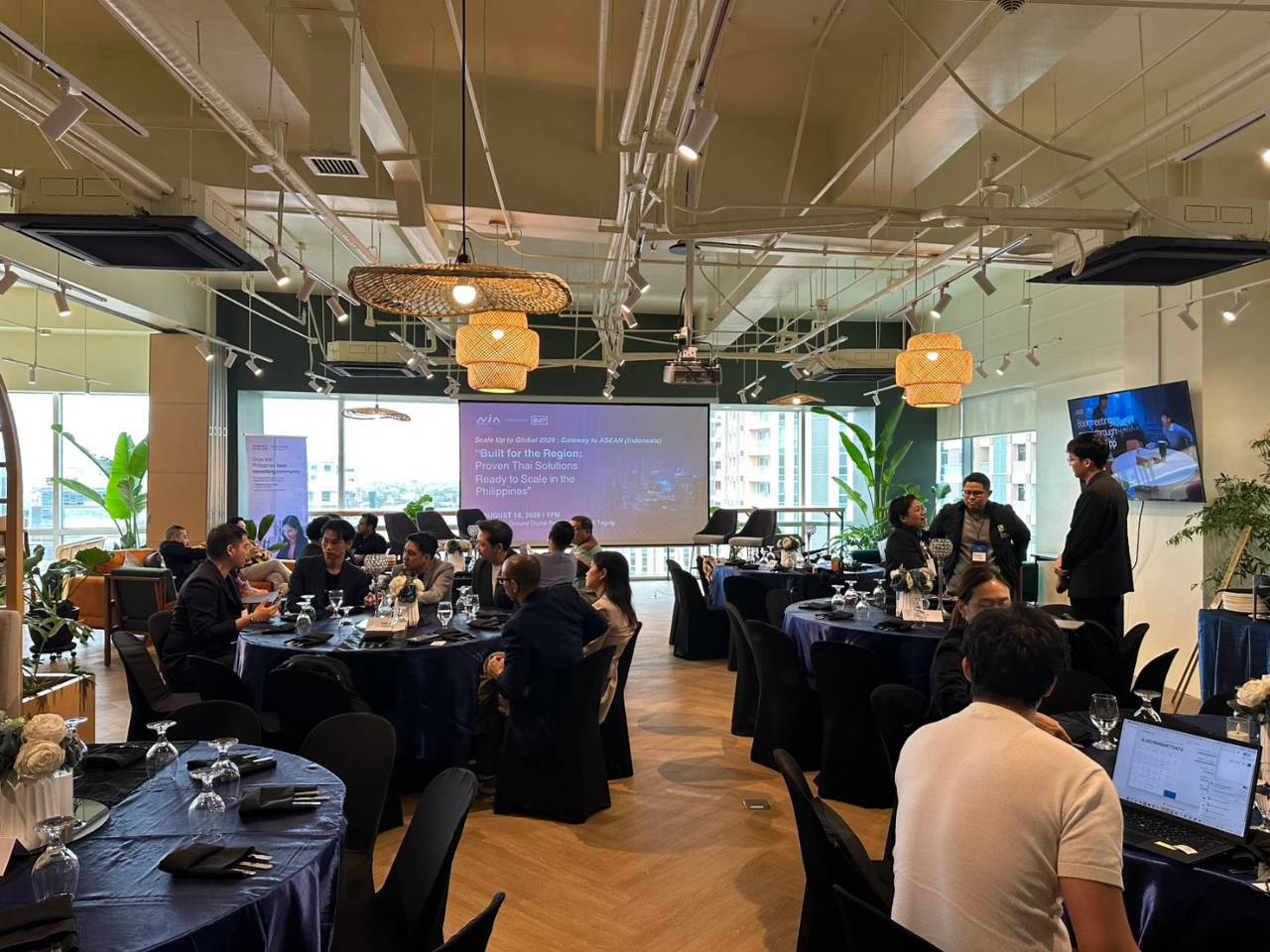
That is precisely what five Thai startups Arincare, PRIMO World, HORGA, Sati, and PAM REAL CDP—set out to explore through Scaleup to Global 2026: Gateway to ASEAN, an initiative by Thailand’s National Innovation Agency (Public Organization), or NIA.

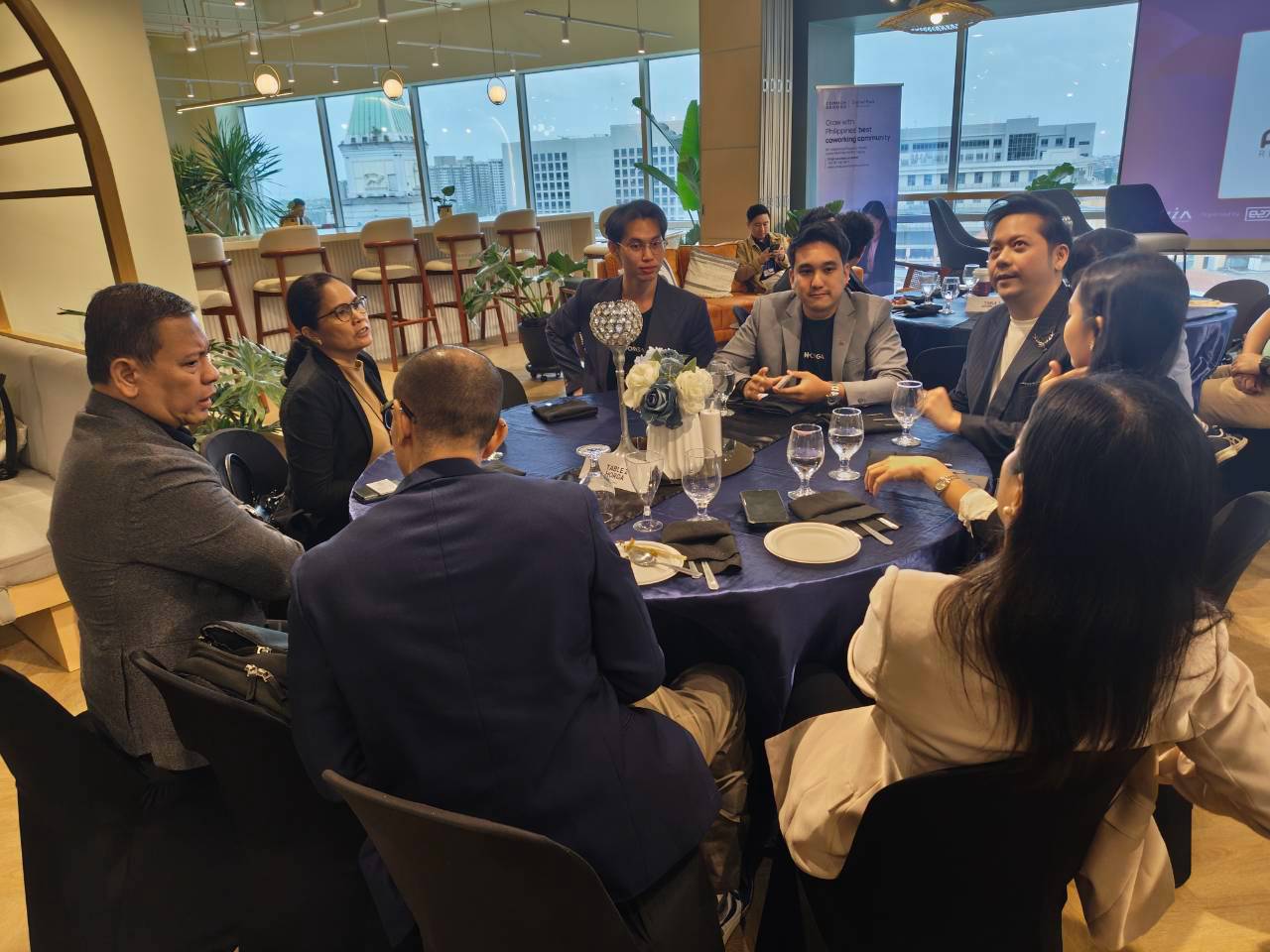
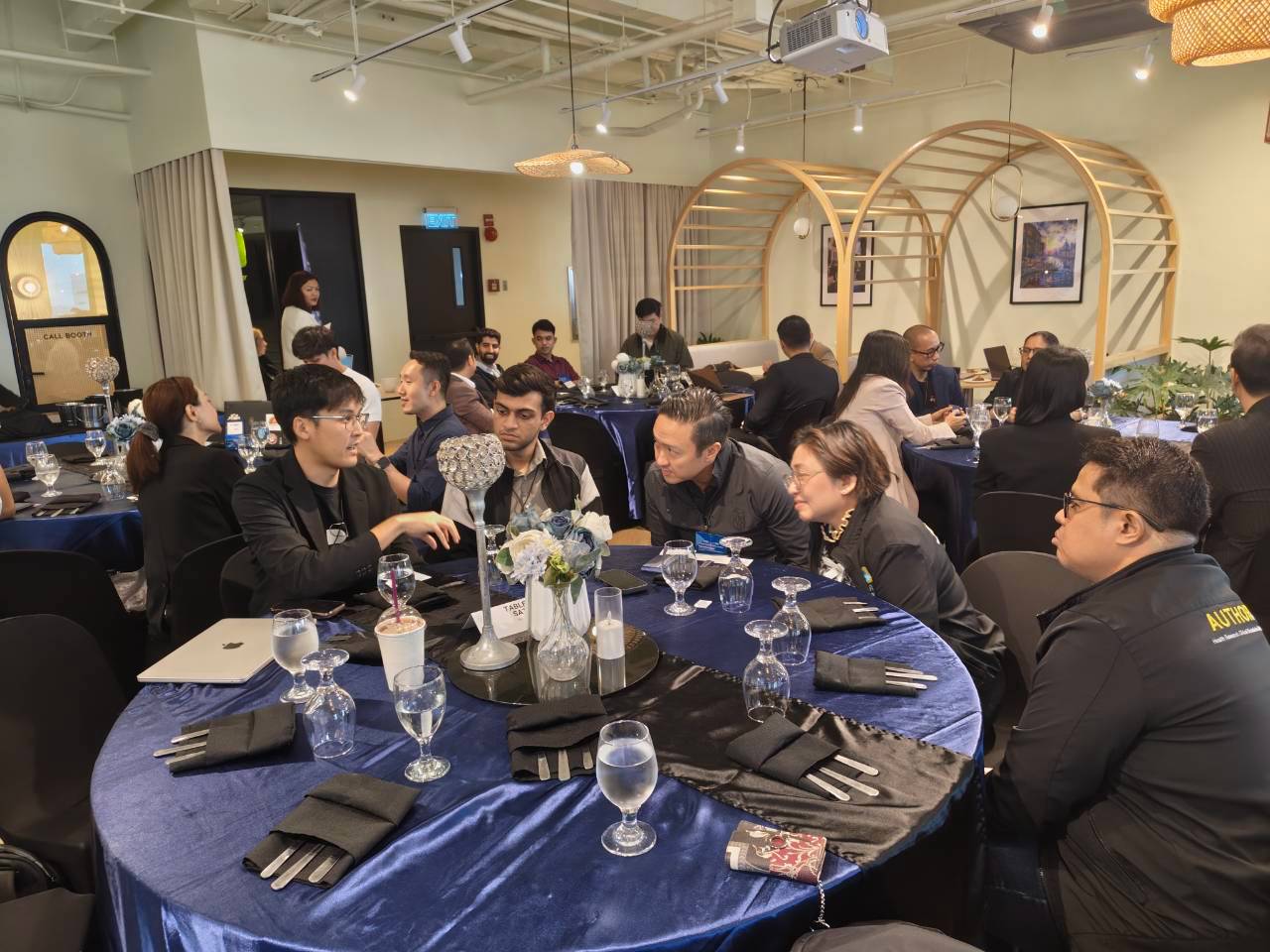
The program gave participating startups the opportunity to explore the Philippine market, engage with ecosystem players, build connections, and identify potential partners.

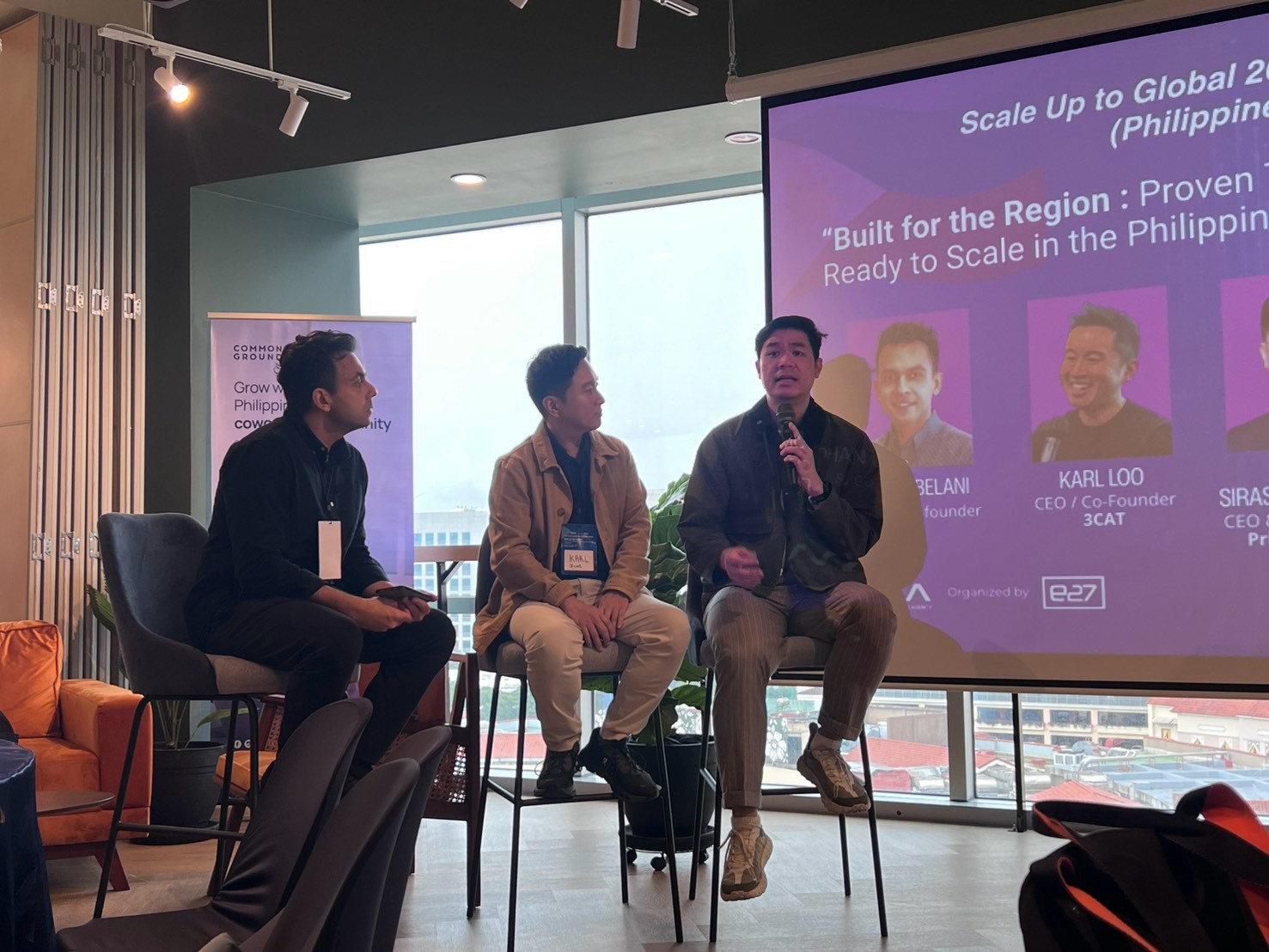
Through conversations with investors, ecosystem builders, and entrepreneurs from the Philippines, Malaysia, and Thailand, one message became increasingly clear: there is no single formula for entering a new market.

Successful expansion begins with understanding the market, building relationships, testing assumptions, and scaling only when there is sufficient evidence that the business can work.

The Philippines: A Large Market That Demands a Deeper Look

One of the Philippines’ fundamental strengths is an economy driven heavily by domestic consumption and services.

Household spending plays a central role in economic activity, while remittances from Overseas Filipino Workers continue to contribute significantly to purchasing power across the country.

The Philippines also has a strong service-based economy, particularly through the Business Process Outsourcing (BPO)industry, which generates substantial employment and income while drawing on a workforce with high levels of English proficiency.

Together, these characteristics create a promising environment for businesses in digital technology, SaaS, AI, and B2B solutions.

For PRIMO World, a provider of enterprise loyalty and omnichannel solutions, market scale is particularly relevant. Its business model is closely linked to the size of corporate customer bases and end-user populations. Entering a market with a large consumer base therefore offers significant long-term growth potential.

A similar perspective was shared by Karl Loo, Co-founder of Malaysian startup 3CAT, who participated in the exchange sessions. He observed similarities between consumer behavior in Malaysia and the Philippines, particularly the strong culture of shopping malls and consumers’ willingness to move between online and physical retail channels.

These behaviors align naturally with 3CAT’s omnichannel retail model.

But rather than relying on the assumption that the Philippine market “looked right,” the company chose to validate that belief with evidence. 3CAT engaged a market-entry consultant and spent several months studying local consumer behavior before making a final investment decision.

The lesson is simple but important: market size alone is not enough.

Startups need to turn the instinct that “this market should work” into reliable information that can support an investment decision.

Business Matching Must Go Beyond Making Introductions

When startups enter a new market, they need more than customer leads. They need local relationships that can accelerate market understanding and unlock opportunities that would otherwise take years to build independently.

From the perspectives of Artie Lopez, Co-founder of Brainsparks, and Jecky Pelaez, Partner at Kickstart Ventures, one advantage of the Philippine ecosystem is the interconnected nature of its business networks.

The right relationship can lead to introductions not only to potential clients, but also to corporates, investors, and wider ecosystem communities.

This is why business matching should never be viewed simply as an activity designed to help startups meet as many people as possible within a short period of time.

Its value lies in whether those introductions can evolve into meaningful business relationships.

For the five Thai startups participating in Scaleup to Global 2026: Gateway to ASEAN, business matching extended across potential clients, business partners, distributors, trade partners, strategic partners, and technology partners, as well as opportunities for pilots, proof-of-concept projects, and co-development.

The most useful question, therefore, is not simply:

Who did the startup meet?

It is:

What happened after the meeting?

Did the conversation continue? Was information exchanged? Was a proposal or quotation submitted? Did the companies enter negotiations? Was the product tested? Did the relationship progress toward an MOU, MOA, commercial agreement, or actual revenue?

In international expansion, a connection may open the door—but business outcomes determine whether the opportunity moves forward.

Never Assume a New Market Will Behave Like Your Home Market

One of the strongest lessons shared by entrepreneurs in the Philippines is that startups should never transfer a business model from one country to another without adapting it to the local context.

Payment behavior is a clear example.

The Philippines has seen rapid adoption of mobile wallets, particularly GCash, which has become deeply familiar to both consumers and merchants.

B2B payments are evolving as well, with businesses gradually moving away from checks toward bank transfers and electronic invoicing.

These may appear to be operational details, but for startups they can have significant implications for product design, payment models, customer journeys, and go-to-market strategy.

The experience shared during the program reinforced an essential principle:

Success in a new market is not determined by technology alone.

It depends on whether that technology fits the way the market behaves.

More Customers Do Not Automatically Mean a Sustainable Business

Another important lesson is that measuring success only by the number of leads or customers can create a misleading picture of growth.

A case shared during the program involved a spend-management startup that had successfully generated many SME leads and customer meetings.

At first glance, the pipeline looked promising.

But once customers began using the service, the company discovered that many were highly price-sensitive and produced significantly lower transaction volumes than expected.

The problem was therefore not an inability to acquire customers.

It was a question of customer quality and unit economics.

For startups preparing to scale, the right questions go beyond customer count.

Are customers using the product? What is retention? How much revenue does each customer generate? Is the cost of acquiring and servicing that customer justified by the value created over time?

Sustainable growth requires not only greater volume, but economics that can scale with it.

Five Thai Startups, Five Different Market-Entry Challenges

Although all five Thai startups entered the same market, each arrived with a different product, customer segment, and business model.

The Philippines therefore became something of a live testing ground—an opportunity to identify not only where potential exists, but also what each company must prepare before moving to the next stage.

Arincare: Healthcare Expansion Requires Both Technology and Ecosystem Understanding

Arincare provides connected e-pharmacy and telepharmacy solutions designed to help pharmacies and healthcare providers improve operational efficiency and expand access to healthcare services.

The Philippine healthcare market presents clear opportunities for digital health, but it also comes with significant regulatory complexity.

Market entry therefore cannot simply consist of introducing a technology and selling it to customers.

Startups must understand the regulatory landscape, healthcare providers, insurance and HMO structures, and the broader local healthcare ecosystem.

For Arincare, the key lesson is clear:

Healthcare innovation must move in step with both regulation and ecosystem readiness.

PRIMO World: Enterprise Sales Takes Time, but Trust Opens Doors

PRIMO World provides enterprise loyalty and omnichannel solutions that help brands better understand their customers, strengthen engagement, and improve customer retention.

Its primary challenge in a new market is the length of the enterprise sales cycle.

Large corporations rarely make purchasing decisions after a single product presentation. Deals develop through a longer process involving trust-building, solution evaluation, internal alignment, commercial assessment, and stakeholder approval.

One of PRIMO World’s advantages is its track record with large enterprises and global brands in Thailand. These existing customers can serve as valuable references when approaching enterprise prospects in a new market.

The company has also adopted an expansion strategy that begins by placing experienced personnel from Thailand in the market before building a local team.

Because the product is sophisticated and requires deep understanding, sending people who already know the solution well can help establish the business more effectively during the early stages.

The lesson from PRIMO World is that enterprise expansion takes patience.

But strong references, combined with a team that understands the product in depth, can significantly reduce market-entry risk.

HORGA: PropTech Needs a Testing Ground Before It Scales

HORGA develops PropTech software for managing rental properties, dormitories, and commercial spaces, helping property owners and managers operate more efficiently.

In the Philippines—particularly in Metro Manila and major urban centers such as Cebu and Davao—property management represents a potentially attractive area for digital solutions.

HORGA’s immediate challenge is therefore not to capture the entire market at once, but to identify property owners, developers, property managers, and strategic partners whose pain points closely match the company’s solution.

Starting with a carefully selected pilot or proof of concept can help validate product-market fit, generate local evidence, and establish credible references before broader expansion.

In other words, the first objective is not scale.

It is finding the right place to prove that scale is possible.

Sati: AI in Healthcare Must Demonstrate Measurable Impact

Sati uses artificial intelligence to support healthcare professionals, improve workflows, reduce administrative burden, and enable more effective use of healthcare data.

The Philippines has significant healthcare needs and considerable room for technological innovation.

Yet introducing AI into healthcare requires a high degree of trust from hospitals, healthcare professionals, administrators, and other stakeholders.

The question therefore cannot simply be:

What can the AI do?

The more relevant question is:

What measurable outcomes can it create for hospitals, healthcare professionals, and patients?

For Sati, pilot projects and proof-of-concept programs can play a critical role in building evidence—demonstrating impact before attempting broader adoption.

In healthcare, especially, credibility is built through outcomes.

PAM REAL CDP: Product Fit Must Be Matched by Enterprise Fit

PAM REAL CDP provides AI-powered marketing and customer data infrastructure, enabling enterprises to consolidate customer information and use data to deliver better customer experiences.

The Philippines is home to large enterprises and major conglomerates operating across multiple industries. This creates opportunities for technologies that support customer data management and digital transformation.

But entering the enterprise market requires more than strong product fit.

A company may have a clear customer pain point, yet still be unable to close a deal if the prospective organization lacks the necessary data infrastructure, a decision-maker with sufficient authority, or the budget to implement the technology.

The challenge is therefore to identify companies with three conditions in place:

a real pain point, organizational readiness, and sufficient purchasing power.

The right opportunity is not simply an enterprise that needs the solution.

It is an enterprise that is ready and able to act on that need.

A Local Partner Should Be Someone Who Moves with You

Selecting the right local partner is another critical part of international expansion.

A strong local partner can shorten the learning curve, establish credibility, and connect a startup with customers and organizations that may otherwise be difficult to reach.

But startups should not choose partners based solely on reputation or the size of their network.

The right partner must also have incentives and commitment that align with the startup’s goals.

Before signing an agreement, startups should examine issues such as exclusivity, sales commitments, payment terms, and their impact on cash flow.

Ultimately, a good partner is not simply someone who says:

“We can help.”

It is someone who can clearly demonstrate how they will help—and why they have an incentive to make the relationship work.

Investors Bring More Than Capital. They Can Provide Market Access.

The Philippines also has an active ecosystem of venture capital and corporate venture capital, particularly among large conglomerates with interests spanning multiple industries.

According to Jecky Pelaez of Kickstart Ventures, investment structures can follow internationally recognized models such as SAFE agreements, convertible notes, and equity investments.

But local investors can contribute something potentially even more valuable than capital:

networks, relationships, and corporate access.

This is particularly important for startups selling to major enterprises, where a sales cycle can sometimes last far longer than a fundraising cycle.

An investor or CVC that can build long-term relationships and open doors into a corporate ecosystem may therefore become a strategic partner whose value extends well beyond the investment itself.

Reducing Market-Entry Risk: Begin with a Beachhead, Then Scale

Another lesson from the Philippines is that startups do not need to approach the country as one single market from day one.

The Philippines is an archipelago, and geographic fragmentation can create different levels of cost and complexity in distribution, team deployment, operations, and customer support.

Choosing a beachhead market can therefore be an effective way to concentrate resources in an area where customer demand and ecosystem support are strongest.

Metro Manila can serve as an initial base for developing a customer portfolio and partner network.

Once the business model has been validated, the company can then consider expanding to Cebu, Davao, or other markets.

The principle is straightforward:

Enter gradually—but enter deliberately.

From Go Global to Go Local—and Then Go Further

The journeys of the five Thai startups participating in Scaleup to Global 2026: Gateway to ASEAN demonstrate that there is no single path to succeeding in the Philippines.

Arincare must navigate the healthcare ecosystem and its regulatory environment.

PRIMO World must build trust and use strong customer references to unlock enterprise opportunities.

HORGA must identify the right partners and testing environments for its initial pilots.

Sati must demonstrate the real-world impact of AI in healthcare.

And PAM REAL CDP must identify enterprises that possess not only a customer pain point, but also the data readiness and organizational capability required for digital transformation.

What all five companies have in common is the recognition that entering a new market requires far more than a strong product.

It demands market understanding, local connections, market validation, and disciplined business execution.

Business matching is therefore only the beginning.

The real value is created when connections evolve into partnership negotiations, pilots, proof-of-concept projects, commercial contracts, revenue, investment, and long-term collaboration.

Ultimately, Going ASEAN is not necessarily about entering a market as quickly as possible.

It is about knowing how to enter, why you are entering, and when the evidence is strong enough to scale.

International growth does not come simply from taking what already works at home and placing it in a new market.

It comes from learning how to adapt what you have so that it genuinely works for the people, businesses, and realities of that market.

That may be the most important lesson from the Philippines—and one that reaches far beyond a single country:

Understand the market. Build the right partnerships. Validate what works. Then scale with strategy.

Because when expansion is built on local insight rather than assumption, ASEAN becomes more than a collection of new markets. It becomes a pathway for Thai startups to build sustainable regional businesses.

IPT2026-002 Global Startup Hub 2026-4 สำเนา

Unlocking Market and Investment Access for Thailand’s Innovation EntrepreneursFrom the SITE 2026 Stage

Unlocking Market and Investment Access for Thailand’s Innovation Entrepreneurs

From the SITE 2026 Stage to Real Market Opportunities for Thai Startups and Innovation-Driven Businesses

A great innovation may be where a business begins. But turning that innovation into something the market will adopt and building a business that can grow sustainably—requires much more than a strong product.

It requires market access, trust, capital and the right business networks.

For innovation-driven entrepreneurs and startups, the critical question is therefore no longer simply, “How do we build a better product?” It is increasingly, “How do we turn that innovation into something the market will use?”

Even when a product or solution addresses a genuine problem, the journey from product development to commercial adoption can be complex. Entrepreneurs must secure their first customers, establish credibility, navigate government procurement, raise capital for expansion and, eventually, build a pathway into international markets.

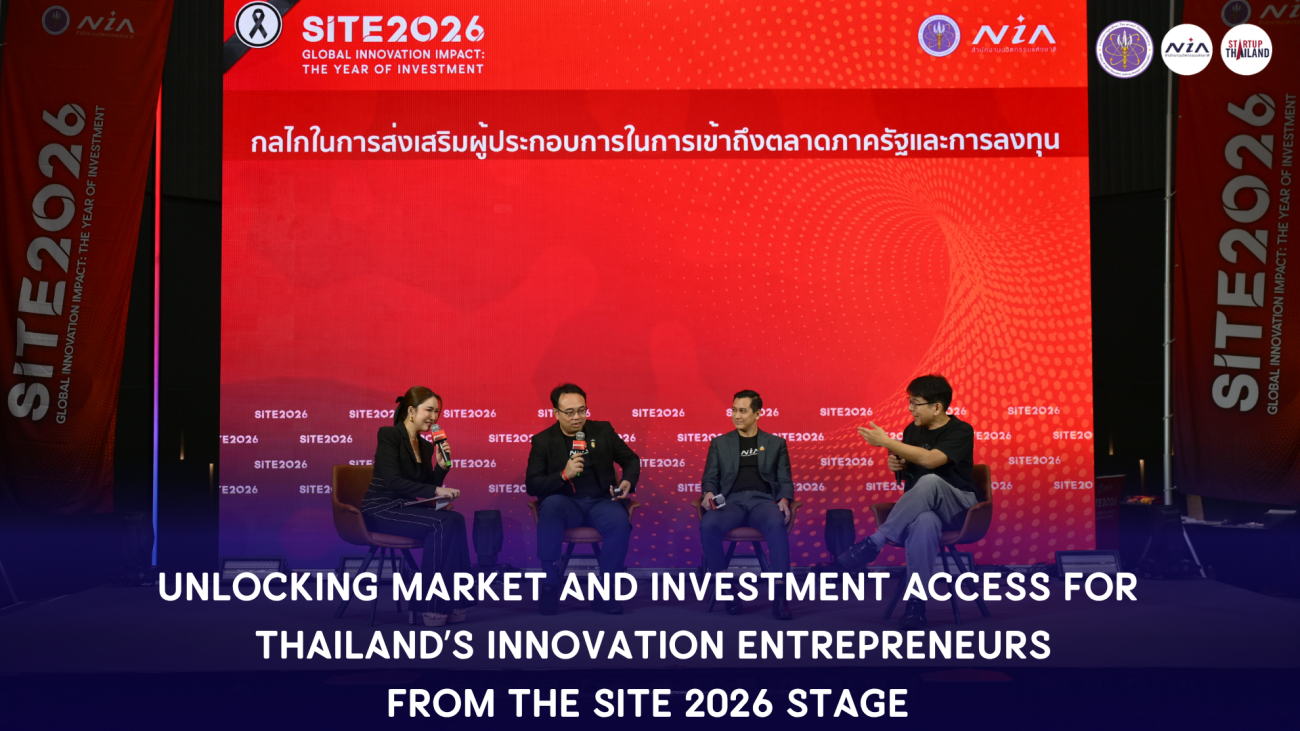
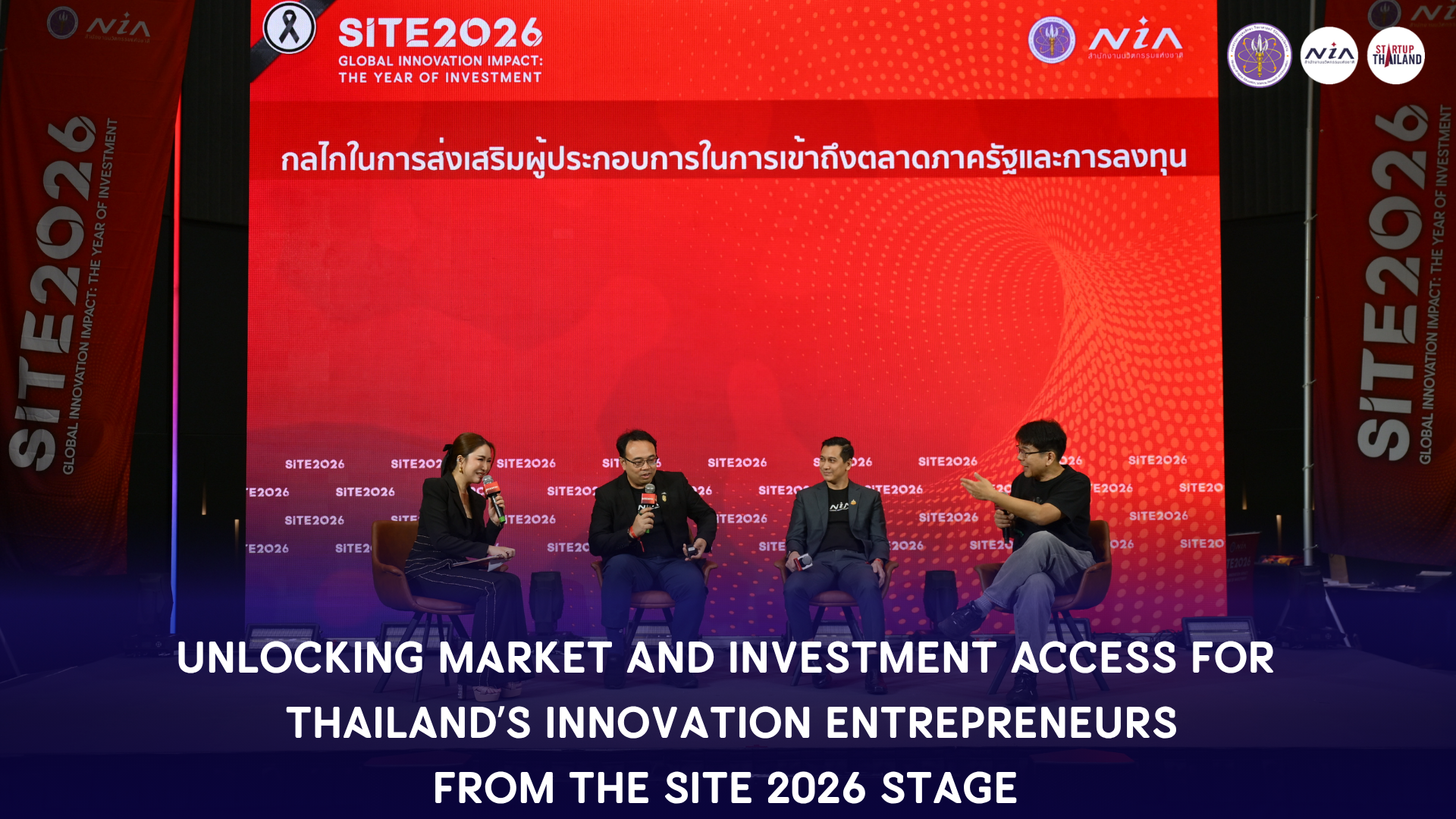
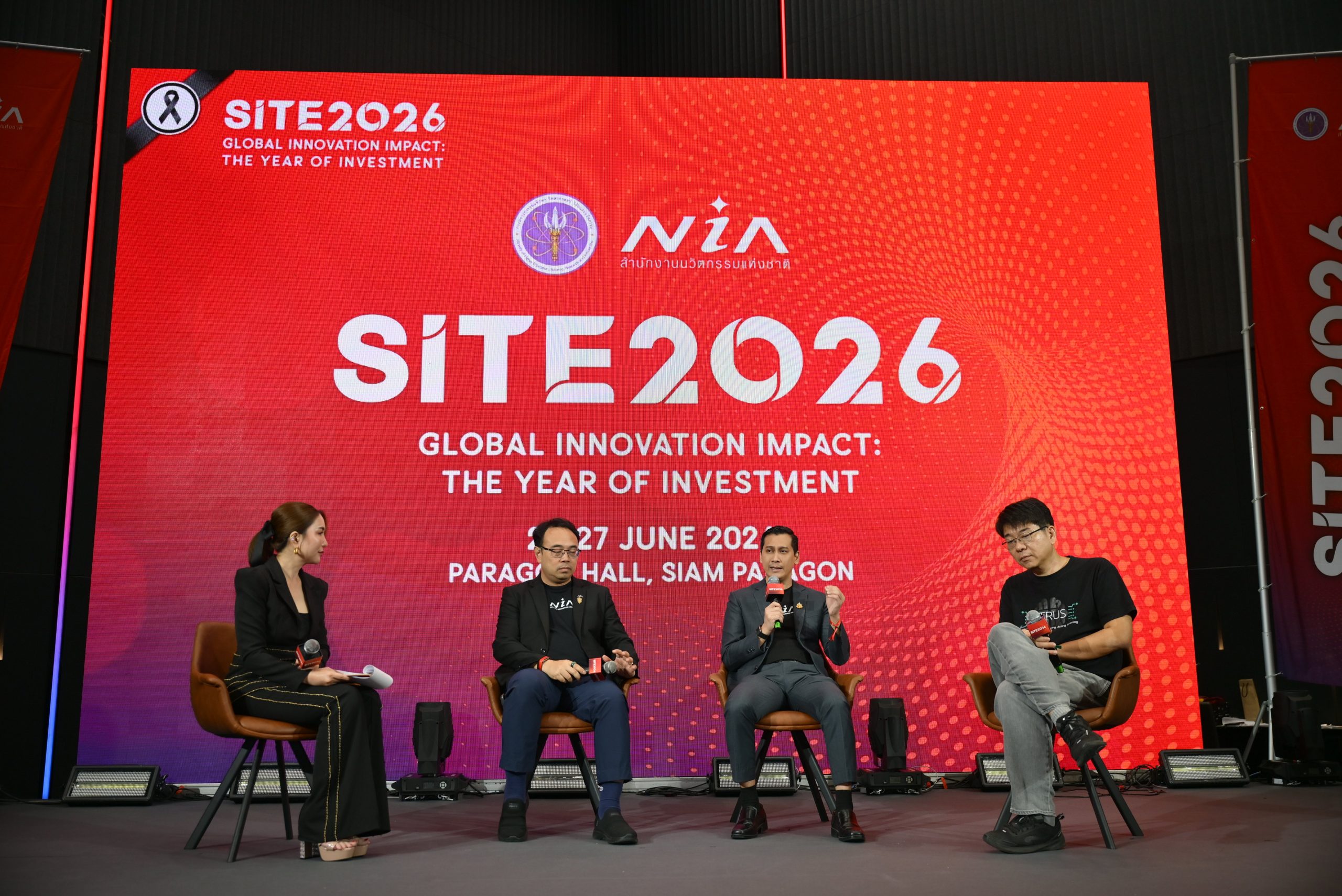
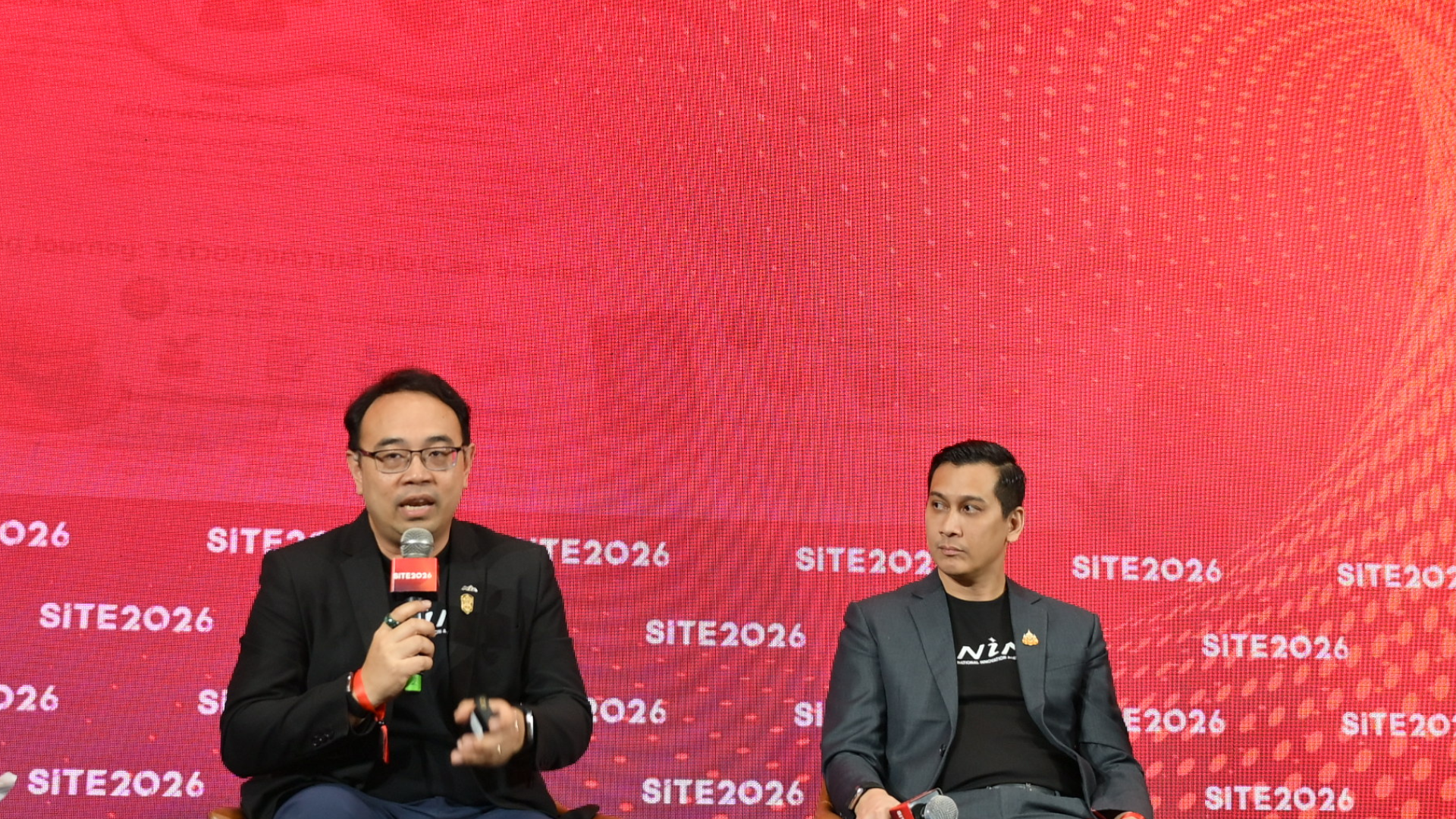
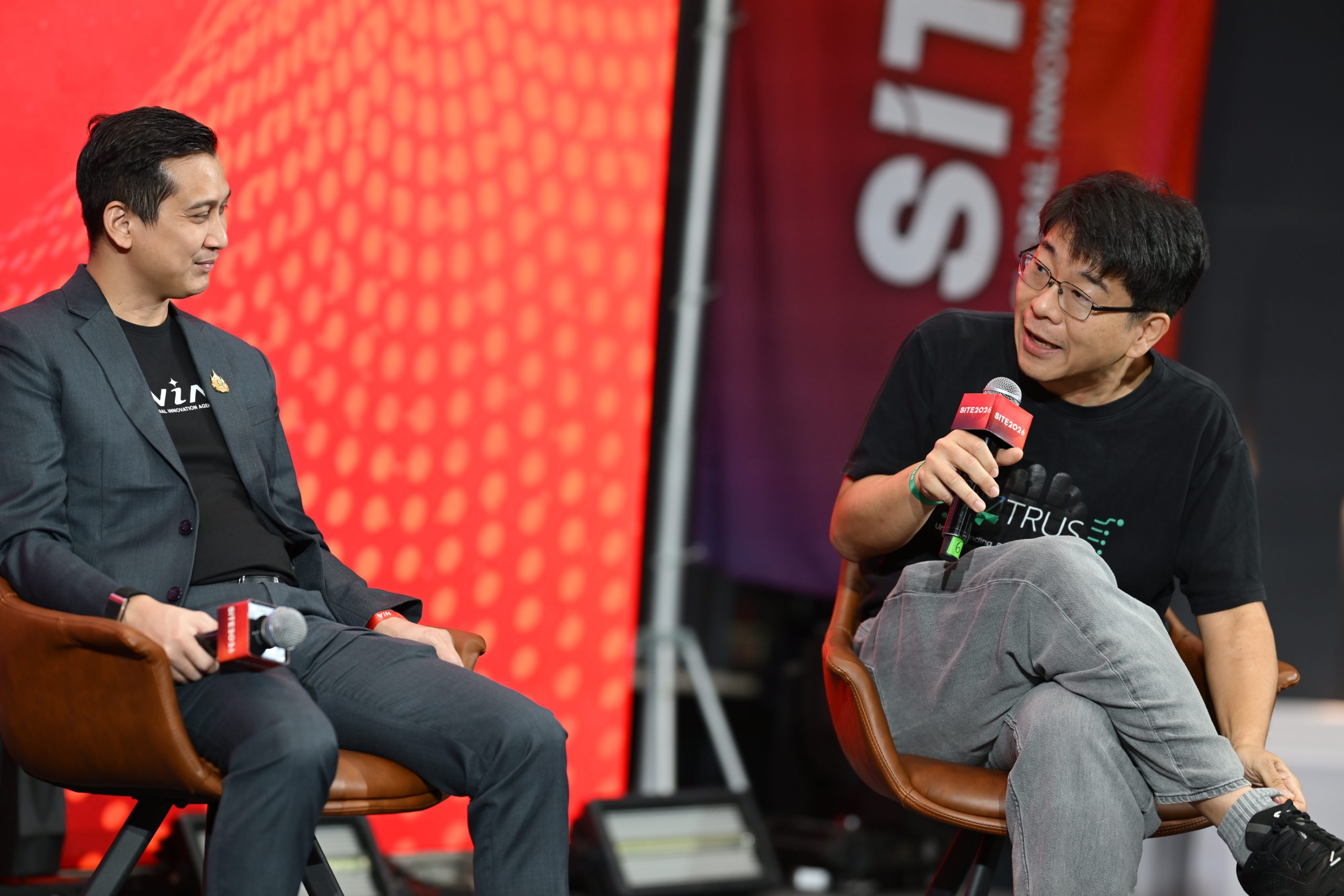
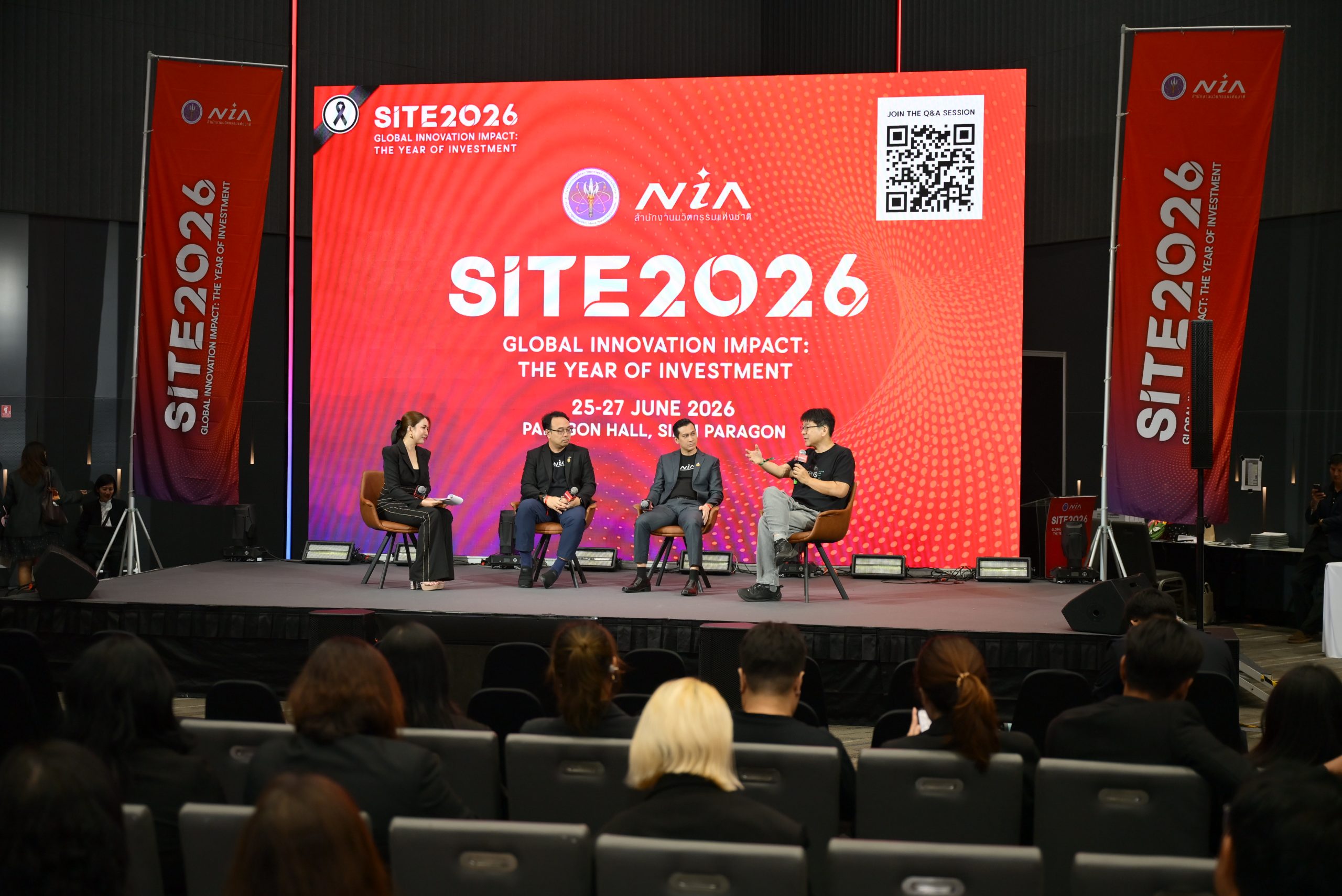
These challenges were at the heart of the panel discussion “Mechanisms to Support Entrepreneurs in Accessing Government Markets and Investment” at SITE 2026.

The discussion brought together Dr. Sura-at Supachatturat, Ph.D. (Deputy Executive Director of Innovation Finance, NIA) Mr. Pariwat Wongsamran (Deputy Executive Director of Innovation System, NIA) and Dr. Panachit Kittipanya-ngam (CEO and Co-Founder of ZTRUS) offering perspectives from both the public and private sectors on how Thailand can remove barriers facing innovation-driven businesses and startups.

More broadly, the conversation reflected NIA’s evolving approach: creating mechanisms that enable entrepreneurs to move beyond simply having an innovation and toward connecting that innovation with a real market—turning technological potential into tangible business opportunity.

Government as a Market: Unlocking an Important Opportunity

For startups and innovation-driven businesses, having a strong product does not automatically translate into market access.

This is particularly true when the target customer is the public sector, where procurement procedures, specifications and requirements differ considerably from those of conventional commercial markets.

Mr. Pariwat Wongsamran highlighted one of the fundamental tensions in this process. Startup products are inherently iterative: they evolve through feedback, testing and real-world use. Government procurement, by contrast, traditionally requires clear specifications and predefined deliverables from the outset.

The nature of innovation and the structure of traditional procurement, in other words, do not always fit neatly together.

Opening the government market therefore requires more than simply introducing entrepreneurs to public agencies. Both sides need to be prepared.

For entrepreneurs, that means developing market-ready products, obtaining relevant standards and certifications, and ensuring that solutions can be deployed reliably. For government agencies, it means creating conditions in which innovations can be adopted at appropriate prices, under practical terms and with manageable risk.

When both sides are ready, the public sector has the potential to become an important first market—providing Thai innovation businesses with their first meaningful opportunity to demonstrate value and build momentum.

Build Trust Before Building Sales

One of the most important currencies in bringing innovation to market is trust.

For a government agency considering a new technology or product, the questions are straightforward: Does it work in practice? Does it meet the required standards? Can it deliver the promised outcomes?

Entrepreneurs, meanwhile, need opportunities to prove that their products and solutions can perform under real operating conditions.

Dr. Sura-at Supachatturat pointed to acceptance and confidence in innovative products and services as a major bottleneck in public-sector market access. If agencies can test a solution and become confident in its performance, the likelihood of subsequent procurement and wider adoption can increase significantly.

This thinking underpins NIA’s Market Expansion mechanism, which gives government agencies the opportunity to trial innovative products and services in real settings, with NIA supporting procurement costs for a one-year implementation period.

The objective is not simply to generate a purchase.

It is to create Proof of Use.

Once an agency has deployed an innovation, experienced its performance and seen measurable results, an unfamiliar solution becomes a proven one. That experience can then lead to future procurement and broader market opportunities.

In this sense, government can play an important role as a startup’s first customer—providing not only revenue, but also a real-world reference case, operating experience and credibility that can be carried into conversations with future customers.

Transforming Procurement to Make Innovation More Accessible

Market Expansion is one part of a broader ecosystem of mechanisms designed to help Thai innovations enter the public sector.

Thailand’s Innovation List, for example, provides a channel through which government agencies can procure qualified Thai innovative products. Meanwhile, THAI SME-GP, supported by the Office of Small and Medium Enterprises Promotion (OSMEP), provides a database and support mechanism that makes it easier for Thai SMEs to participate in government procurement, strengthening their ability to compete for public-sector opportunities.

Yet being listed—or having access to a procurement support programme—is not enough on its own.

Building a sustainable innovation market ultimately requires Government Procurement for Innovation: a procurement environment that recognizes and accommodates the distinctive nature of innovative products and services.

This is why NIA is placing greater emphasis on Government Procurement Transformation (GPT).

The aim is to strengthen understanding and connections between solution providers—including startups and innovation-driven businesses—and government agencies, while developing more systematic and efficient pathways for innovative products and services to move into real public-sector use.

When these mechanisms work together, government becomes more than simply another customer segment.

It can become a platform for entrepreneurs to build traction, references and credibility—three assets that can open the door to the next stage of growth.

From Market Access to Capital Access

Once a business has demonstrated that its product works and begun gaining market traction, another challenge quickly emerges capital for scale.

The startup journey does not end at Product-Market Fit.

As a business begins to grow, it needs increasingly substantial resources to expand its team, develop technology, increase production capacity, enter new markets and strengthen its competitive position.

This stage can create a significant funding gap, particularly as businesses attempt to cross the so-called Valley of Death—the difficult transition between proving initial market demand and scaling into a much larger commercial operation.

To address this gap, NIA is moving beyond its traditional role as a granter toward becoming an investor, through the concept of NIA Venture.

The mechanism is intended to help provide growth capital to high-potential innovation businesses, particularly those reaching the Late Seed and Series A stages and beyond.

At the same time, collaboration with VCs, CVCs and co-investment partners can distribute risk and encourage greater participation from private capital in Thailand’s innovation economy.
The growth journey, therefore, cannot be built around Market Access alone.

It must be accompanied by Capital Access, allowing entrepreneurs to convert early traction into the resources required for meaningful scale.

Beyond Capital: The Value of Smart Money

For startups and innovation-driven companies, successful fundraising is not simply about putting more cash on the balance sheet.

Different investors bring different forms of value—industry expertise, operational experience, networks, market knowledge and international connections.

Dr. Panachit Kittipanya-ngam emphasized the importance of seeking Smart Money: capital that comes with the experience and capabilities needed to help a company grow.

This can be particularly valuable when working with venture capital firms that have experience scaling businesses and established networks in international markets.

From this perspective, the public sector can play a role far beyond supplying capital itself. It can help give entrepreneurs an additional advantage by reducing investment risk and creating incentives for high-quality private investors to participate.

When public capital works alongside private-sector investment, expertise and networks, Thai startups gain a stronger foundation from which to move beyond domestic growth and pursue opportunities across the region.

From Thailand to the Global Market

With a market-ready product, customers, credible references and sufficient growth capital in place, the next frontier is international expansion.

Going global, however, is about far more than taking a product developed in Thailand and selling it overseas.

Successful expansion requires an understanding of the target market, strong relationships with local partners and access to the right ecosystem.

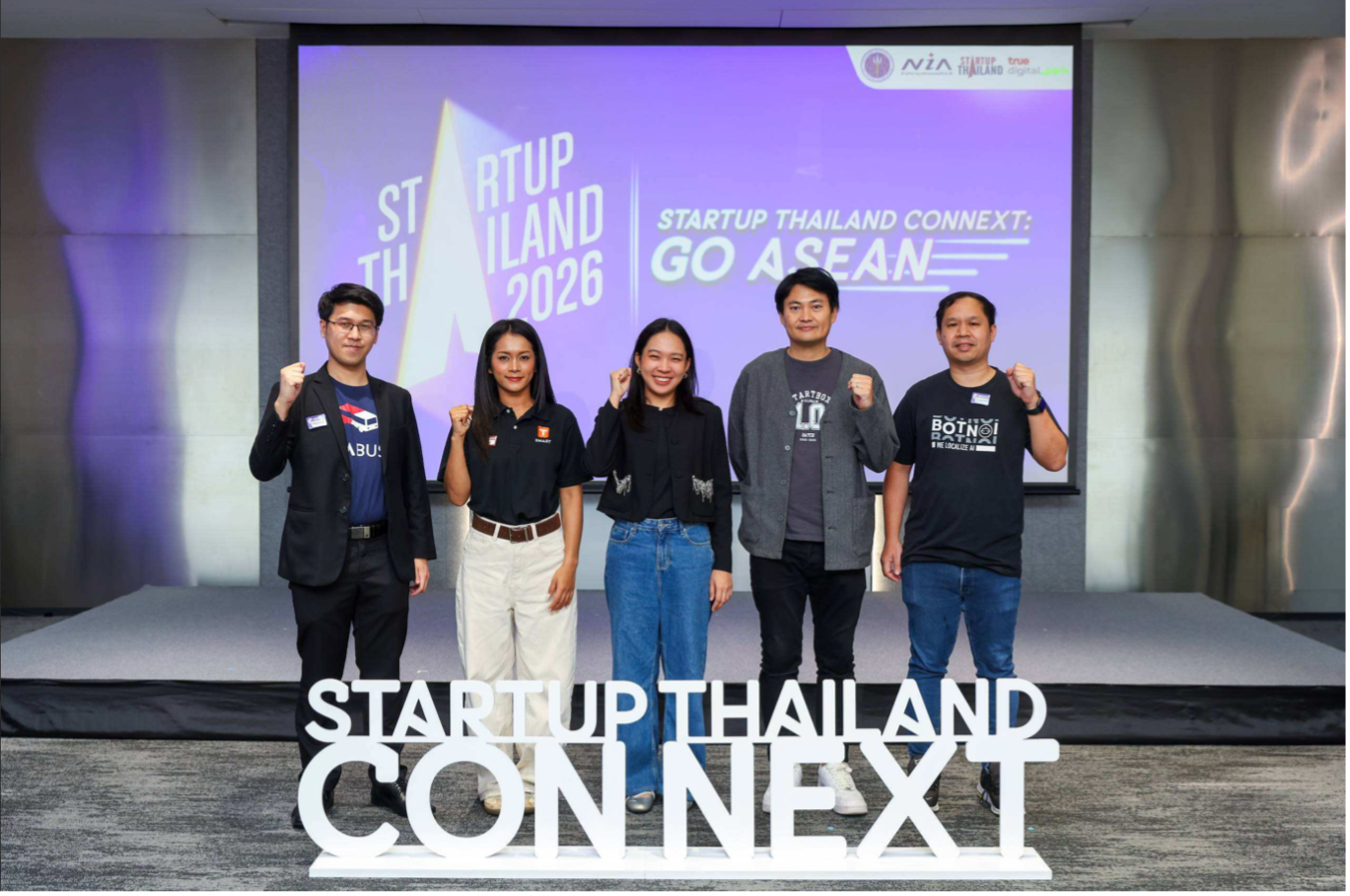
NIA is therefore advancing mechanisms such as Scale Up to Global and Global Startup Hub, designed to connect Thai entrepreneurs with international partners, investors, networks and business opportunities.

Another idea raised during the SITE 2026 discussion was the potential role of a Global Innovation Ambassador—someone capable of connecting Thai entrepreneurs with relevant networks in overseas markets and, importantly, helping bridge the gap between making a connection and turning it into a genuine business opportunity.
Because internationalization should not end with attending a trade show or participating in a business-matching session.
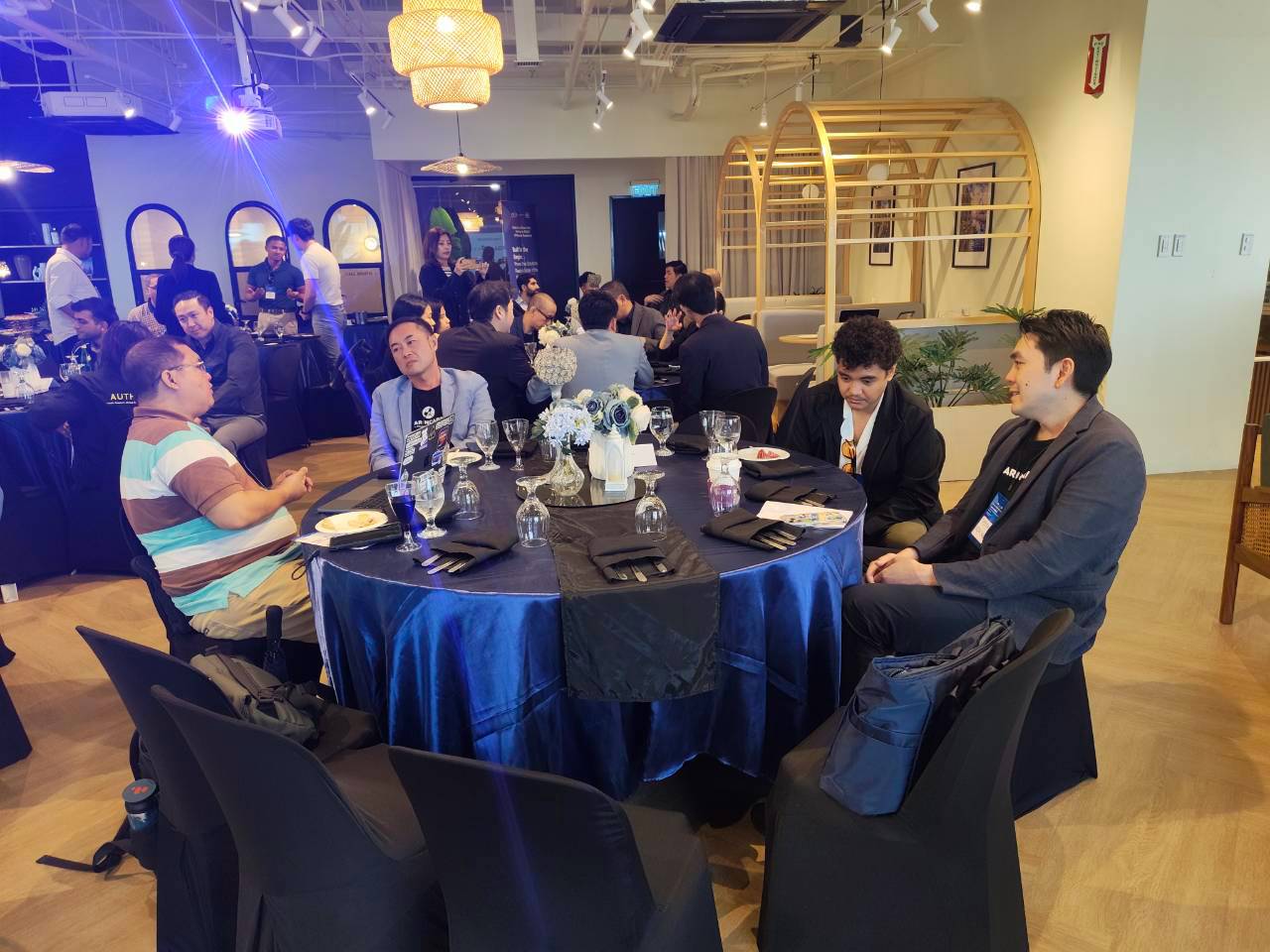
The real objective is what comes next: partnerships, customers, revenue and sustained international growth.

SITE 2026: When Innovation Must Find Its Market

Taken as a whole, the SITE 2026 discussion highlighted an important reality facing Thailand’s innovation entrepreneurs today.

The challenge is no longer simply to create more innovation.

It is to build a viable pathway from Innovation to Market.

That represents an important dimension of SITE 2026 itself. A strong innovation ecosystem cannot be measured solely by how many startups it produces or how many promising technologies emerge.

It must also create the conditions in which Innovation can meet Market, Capital and Business Opportunity.

The pathway can be seen as a progression:

Develop Innovation → Test in Real-World Settings → Build Trust → Secure a First Customer → Generate Traction → Access Investment → Scale → Expand into Global Markets

At every stage, a different mechanism is needed to remove a different barrier.

The government market can provide opportunities to secure a first customer.

Market Expansion enables real-world trials and builds Proof of Use.

The Innovation List and procurement mechanisms create routes into the public market.

Government Procurement Transformation works toward a procurement system better suited to innovation.

NIA Venture and co-investment can help close capital gaps at the scaling stage.

And Scale Up to Global and Global Startup Hub connect Thai entrepreneurs with international ecosystems.

Together, these mechanisms form the building blocks of a broader Growth Pathway for Thailand’s startups and innovation-driven businesses.

From Having Innovation to Having a Market

One message from the SITE 2026 discussion stood out clearly: supporting entrepreneurs today cannot end with helping them develop a product or providing early-stage grants.

The larger question is what happens next.

How will that innovation reach the market? And once it does, how will the business continue to grow?

For an entrepreneur, a product is the beginning.

Customers are proof that a market exists.

Traction creates momentum.

Investment provides the fuel for scale.

And global connections open the door to growth beyond national borders.

NIA’s role is increasingly focused on building a system in which these elements reinforce one another—allowing entrepreneurs to move from Innovation to Market, and from Market to Growth.

Because the goal of an innovation ecosystem is not simply to ensure that Thailand produces promising startups and innovation-driven companies.

It is to ensure that those businesses can access real markets, secure capital for growth, scale their operations and create meaningful impact—both in Thailand and across the world.

From innovations built around real needs,
to markets ready to embrace them.

From entrepreneurs ready to grow,
to Thai businesses ready to compete on the global stage.